Best Worker Placement Board Games
Twenty designs where claiming one action changes what the whole table can do next.
The complete ranking
20 games to consider
Twenty editor-picked worker-placement games, from welcoming to demanding.
-
01
2023
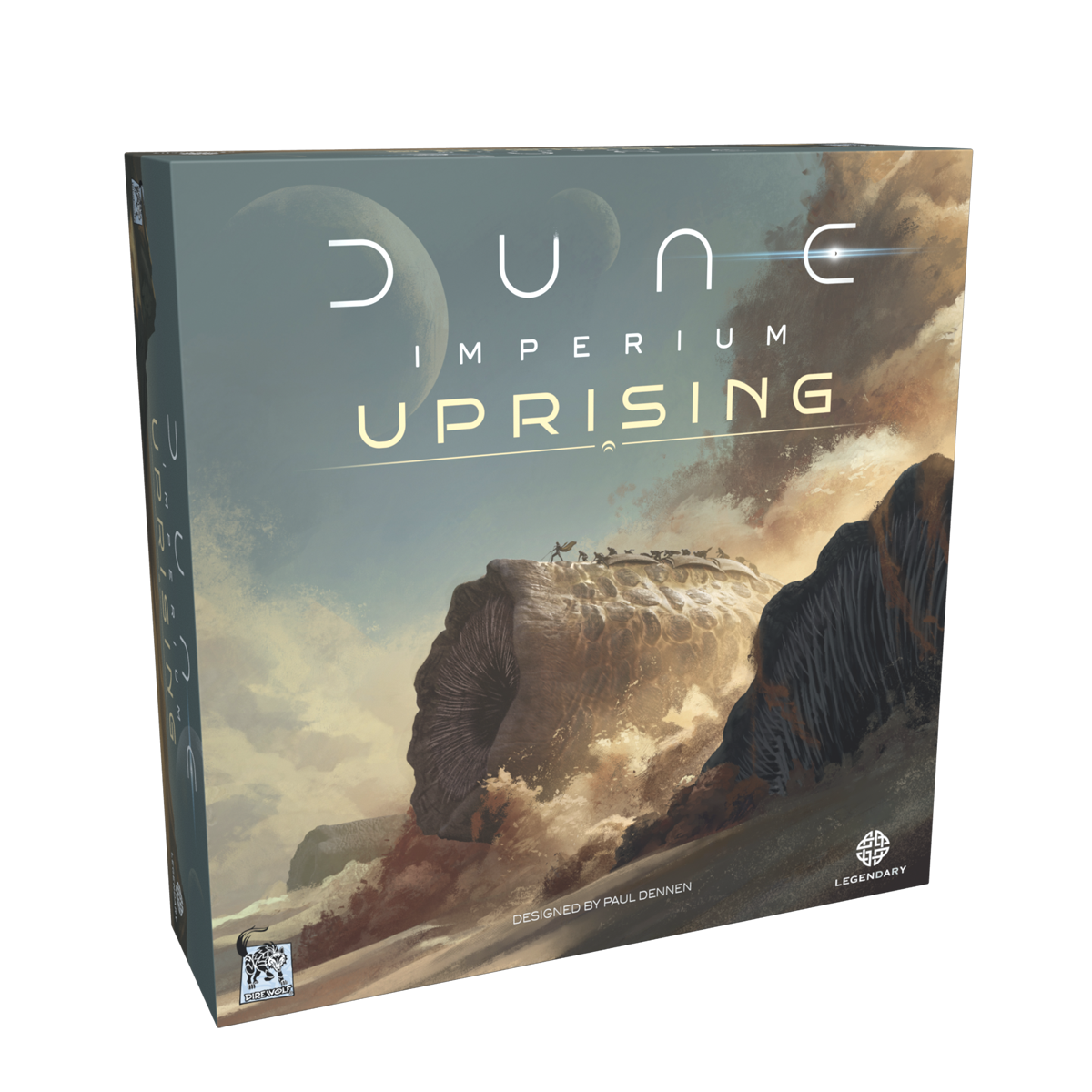
Dune: Imperium – Uprising
Why it made the listUprising makes every agent placement serve several plans at once: the played card grants access, the board space supplies influence or troops, and the unresolved conflict changes what rivals can risk. Spies loosen occupied spaces without removing the tension, while deck-building shapes future placement options.
8.7 rating 1–6 players 60–120 min 3.5/5 weightView game details -
02
2016
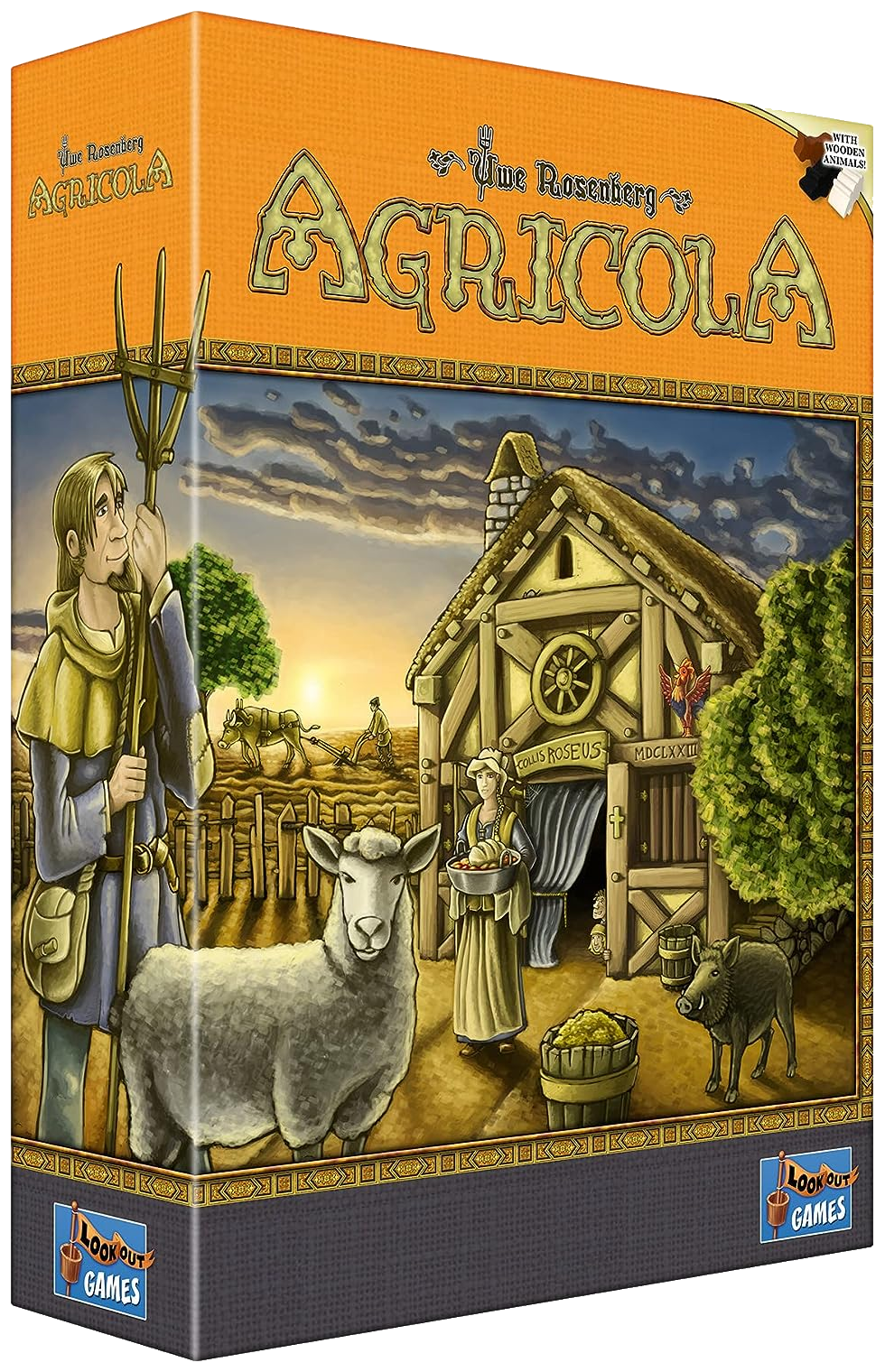
Agricola (revised Edition)
Why it made the listAgricola remains worker placement’s defining pressure cooker. Each new family member adds actions but also mouths to feed, and a drafted occupation hand gives every farm different incentives, so the shared spaces force players to improvise rather than follow one universal build order.
8.0 rating 1–4 players 30–120 min 3.5/5 weightView game details -
03
2012
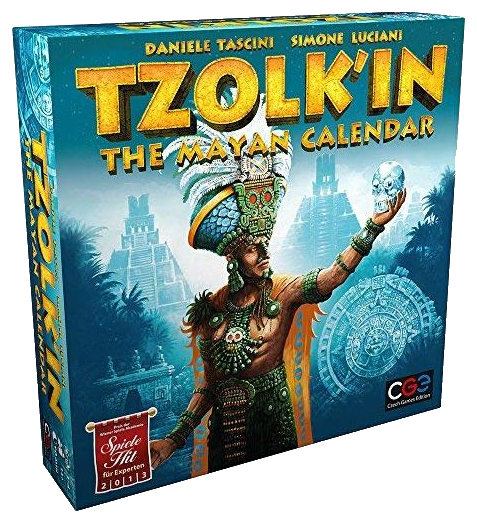
Tzolk'in: The Mayan Calendar
Why it made the listTzolk’in places workers onto interlocking gears, then rewards leaving them in place as the calendar advances. Retrieving a worker is the action, making timing and delayed gratification inseparable; an early placement can become powerful only if the player can afford to wait.
7.9 rating 2–4 players 3.7/5 weightView game details -
04
2020
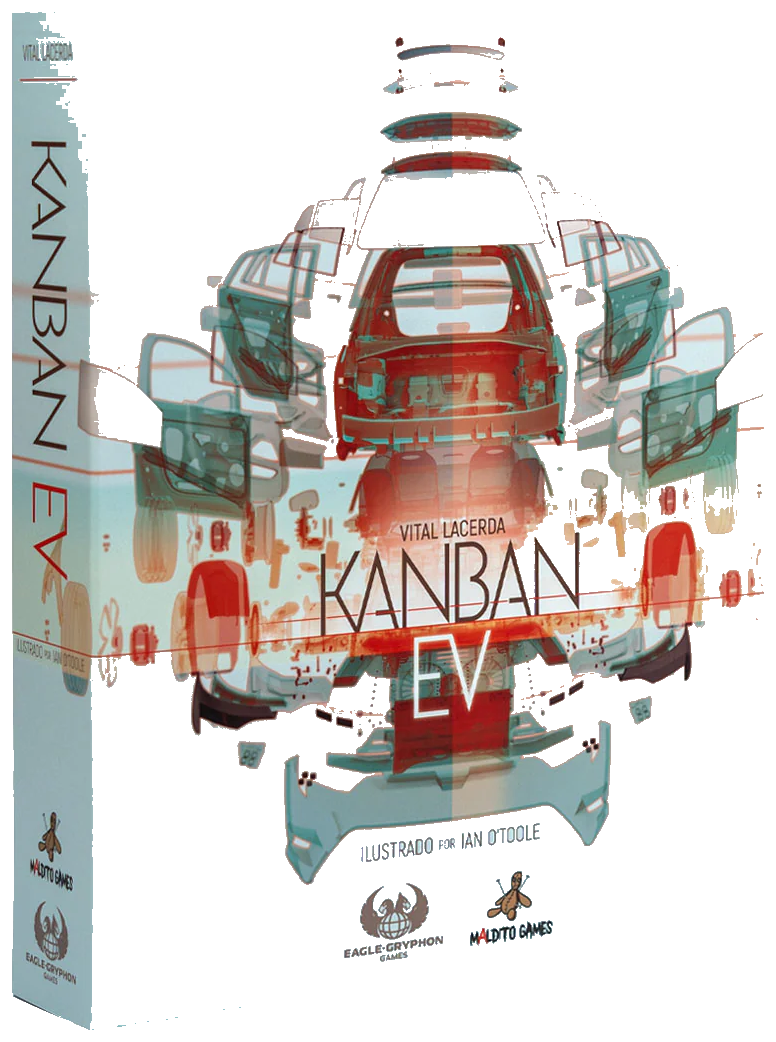
Kanban Ev
Why it made the listKanban EV replaces individual workers with one pawn moving among connected factory departments. Turn order, training, car production, parts, designs, and Sandra’s evaluations make placement a problem of following shared workflow, where another player’s action can improve—or disrupt—the department you planned to use.
8.4 rating 1–4 players 60–180 min 4.3/5 weightView game details -
05
2017
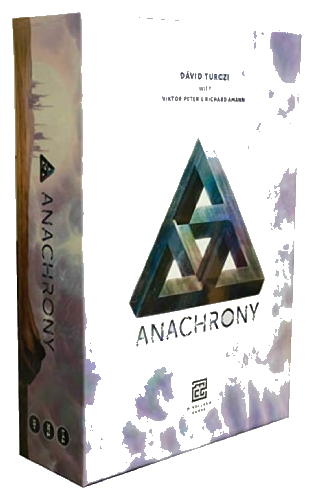
Anachrony
Why it made the listAnachrony distinguishes ordinary workers by profession and requires powered exosuits for valuable capital spaces. Borrowing resources from the future creates debts after the impact, linking placement to a thematic time-travel economy and a dramatic decision about when to evacuate.
8.1 rating 1–4 players 30–120 min 4.0/5 weightView game details -
06
2005
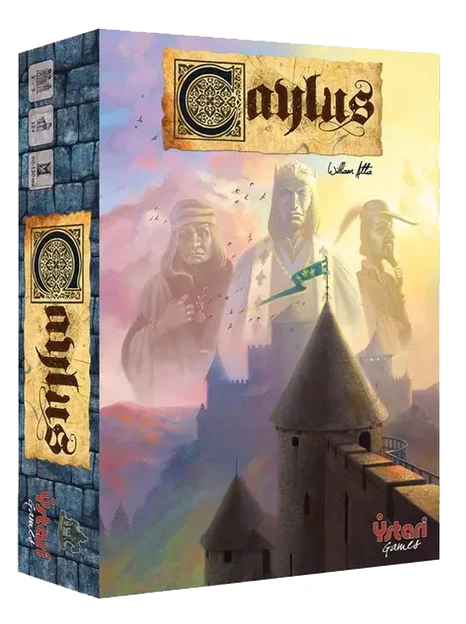
Caylus
Why it made the listCaylus established how worker spaces can build the board that future rounds will use. Players fund buildings along a road, occupy one another’s actions, and manipulate the provost to determine which placements resolve, producing direct interaction without cards, combat, or hidden objectives.
7.7 rating 2–5 players 60–150 min 3.8/5 weightView game details -
07
2013
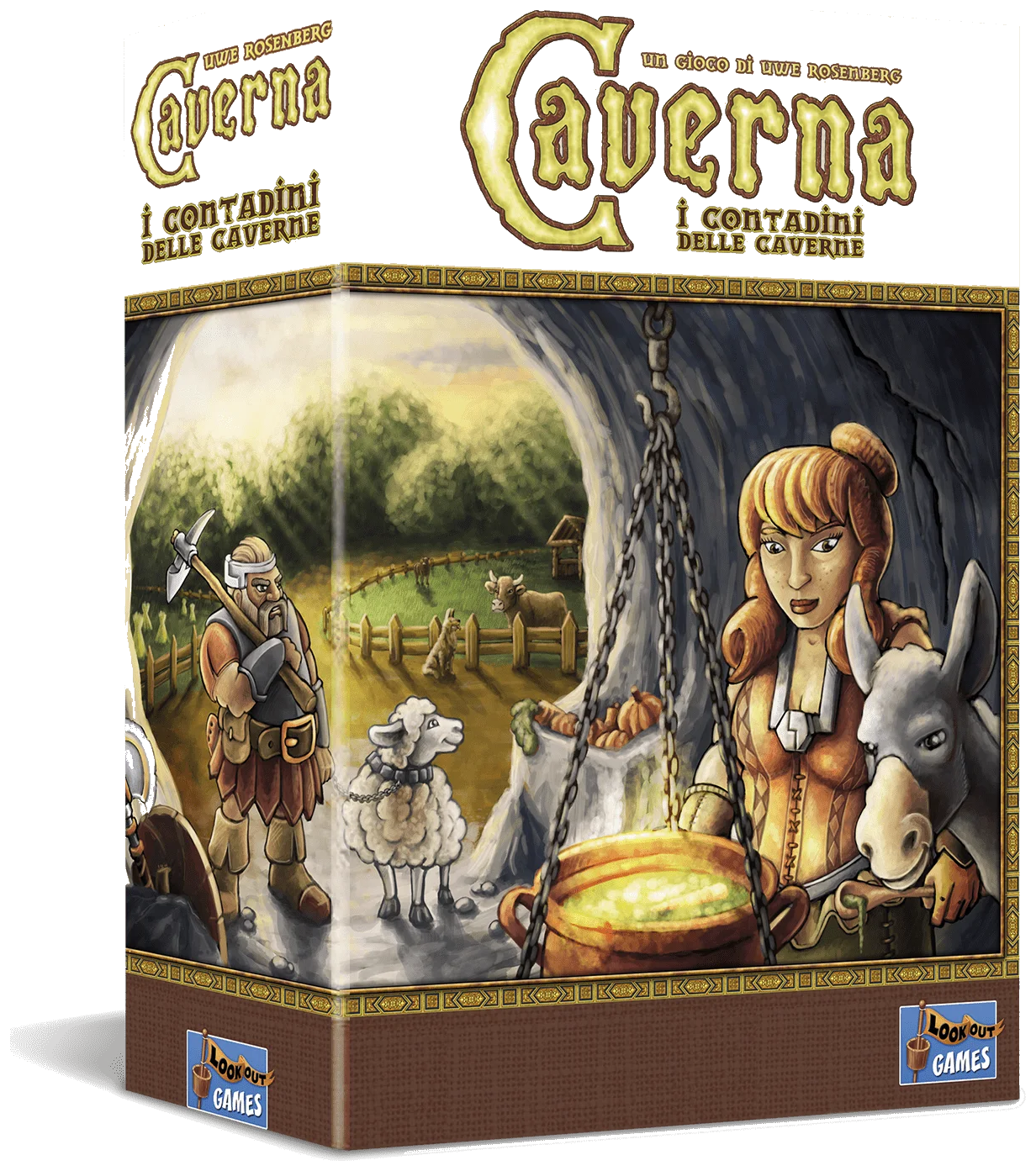
Caverna: The Cave Farmers
Why it made the listCaverna opens a generous range of farming, mining, furnishing, and adventuring paths while keeping action spaces contested. Weapons change what expeditions can gain and room tiles specialize each cave, making it a broader, more forgiving sandbox than Agricola without losing placement tension.
8.0 rating 1–7 players 30–210 min 3.8/5 weightView game details -
08
2015
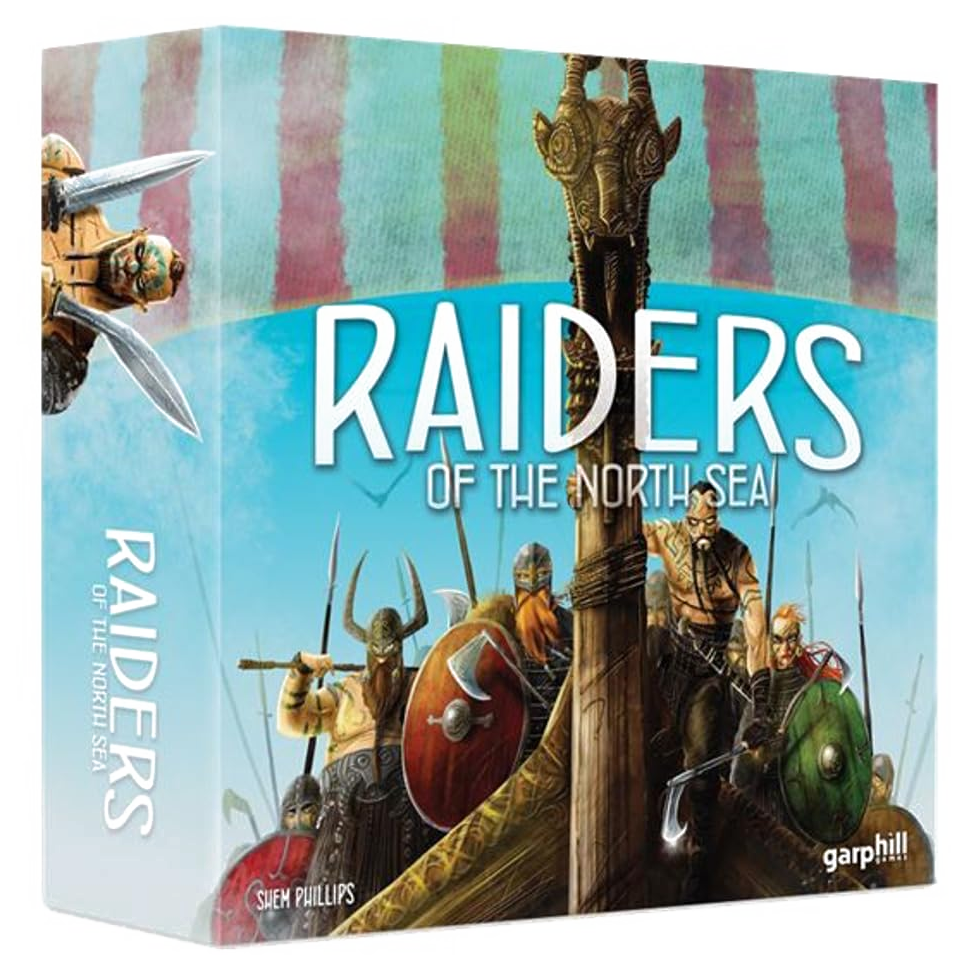
Raiders Of The North Sea
Why it made the listRaiders of the North Sea gives every turn a memorable rhythm: place one worker to act, then remove a different worker and act again. Worker colours unlock spaces, raids consume assembled crews, and the circulating pieces make the action board evolve continuously.
7.7 rating 2–4 players 60–80 min 2.6/5 weightView game details -
09
2019
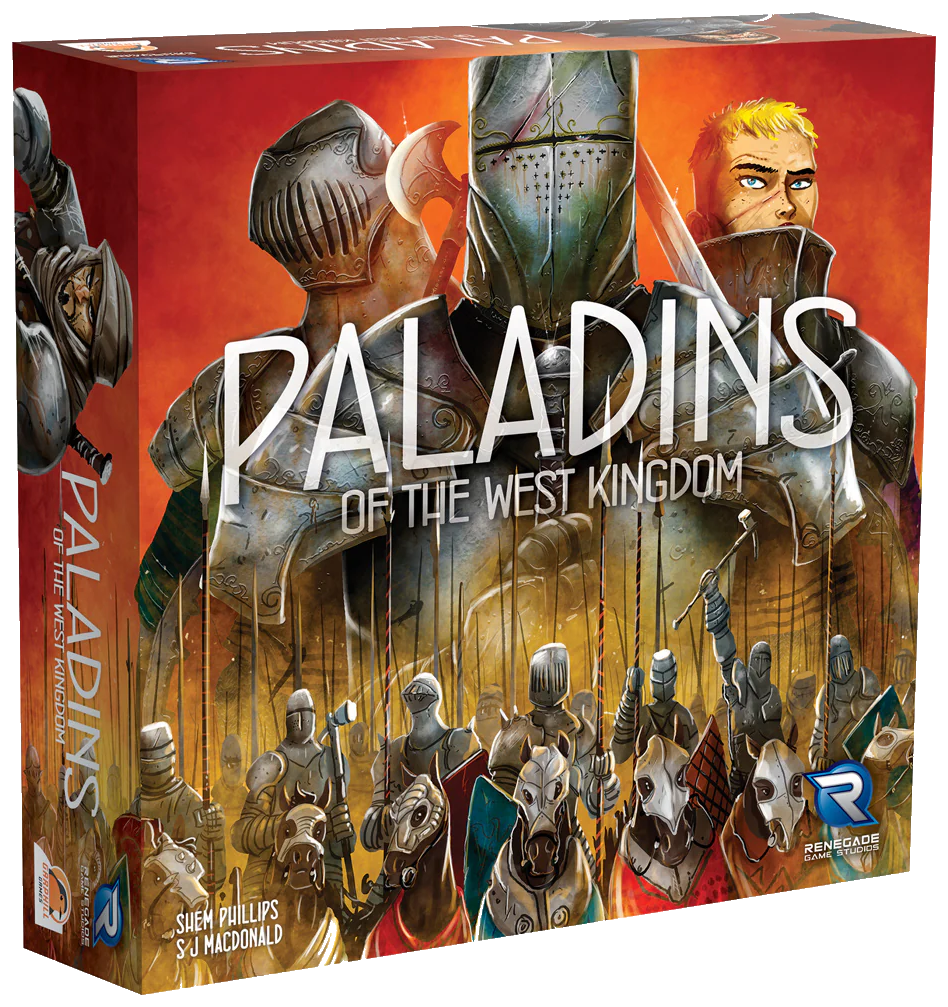
Paladins Of The West Kingdom
Why it made the listPaladins uses coloured workers as prerequisites across a dense personal action board. Recruiting the right mix, improving attributes, and timing debts or suspicions creates a deep efficiency puzzle, while shared townsfolk and king’s orders provide enough public competition to redirect a private plan.
8.0 rating 1–4 players 90–120 min 3.7/5 weightView game details -
10
2020
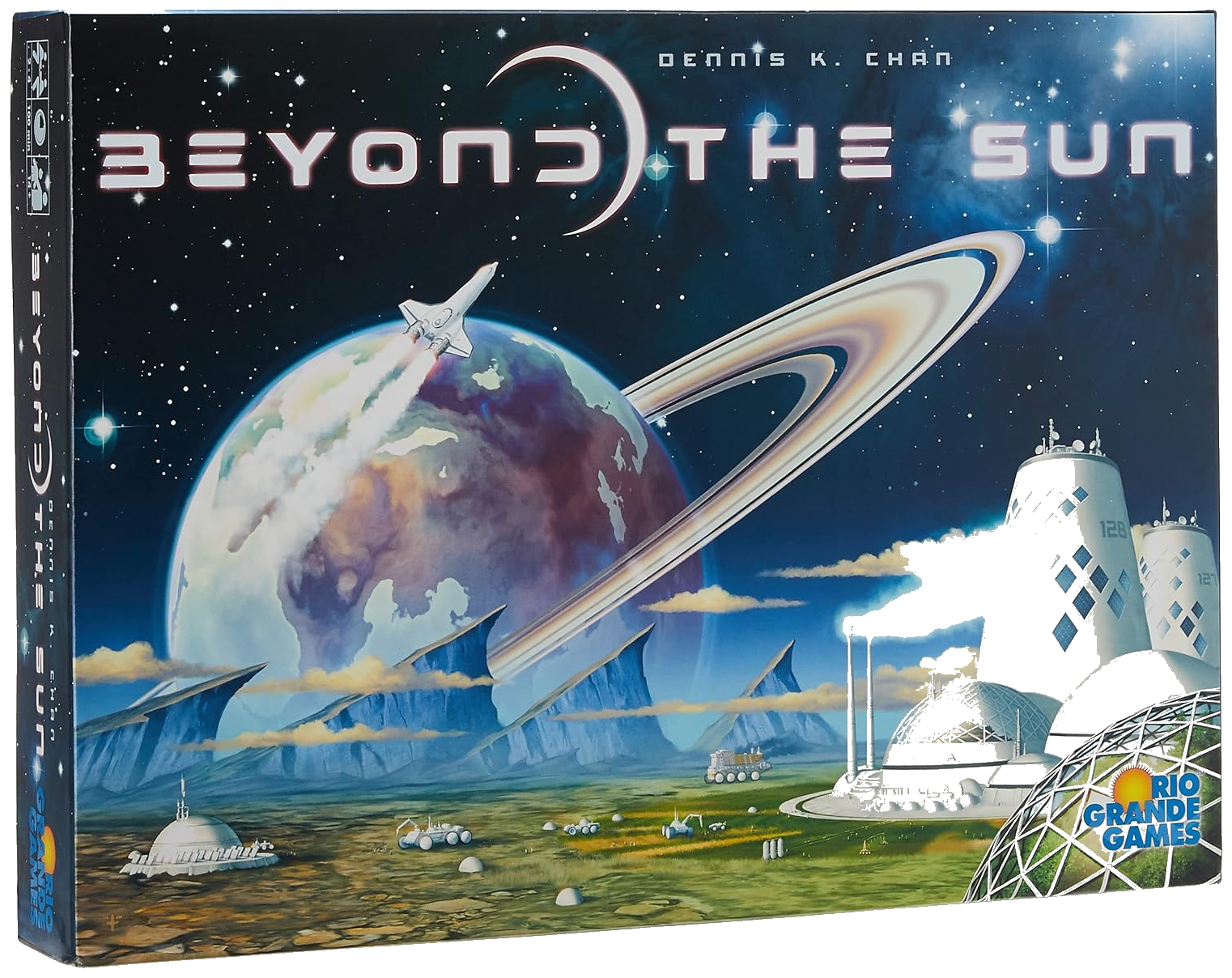
Beyond The Sun
Why it made the listBeyond the Sun treats technology spaces as actions that players collectively unlock. Research changes the worker-placement tree, achievements and systems create strategic pressure, and the small space map turns technological efficiency into a wider contest over presence and timing.
8.0 rating 2–4 players 60–120 min 3.1/5 weightView game details -
11
2008
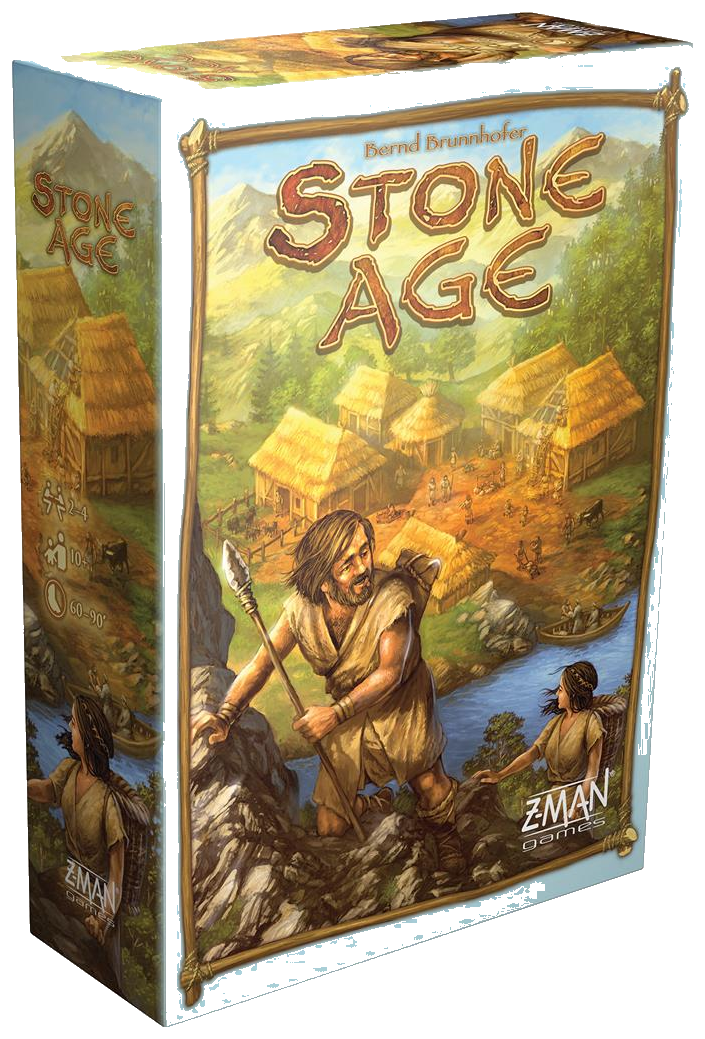
Stone Age
Why it made the listStone Age is the clearest traditional introduction: place groups of workers, roll dice for resources, feed the tribe, and buy buildings or cards. Random production is softened by tools, while scarce spaces teach blocking and worker growth without overwhelming new players with exceptions.
7.5 rating 2–4 players 60–90 min 2.5/5 weightView game details -
12
2013
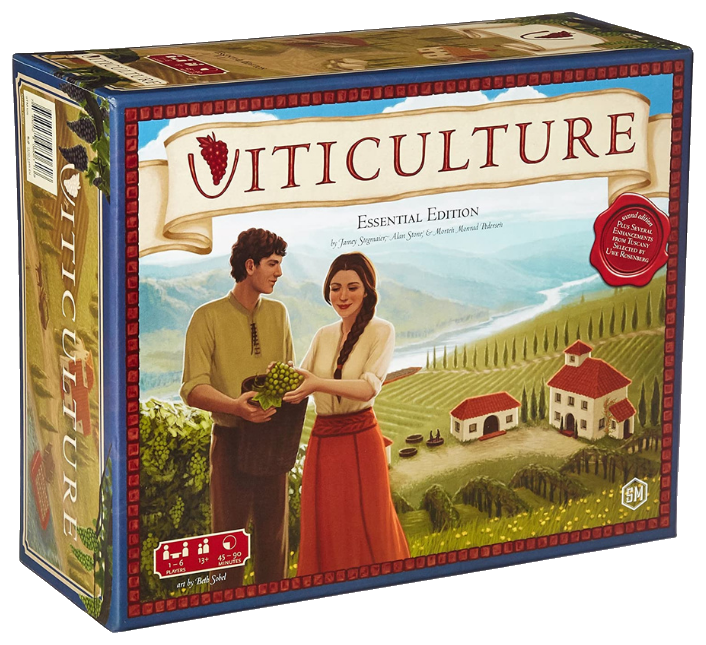
Viticulture
Why it made the listViticulture divides the year into seasons, so workers committed to summer are unavailable in winter. Vines, harvests, wine ageing, visitors, and orders create an intuitive vineyard arc, while the grande worker gives each player one controlled escape from a blocked space.
7.5 rating 2–6 players 2.9/5 weightView game details -
13
2013
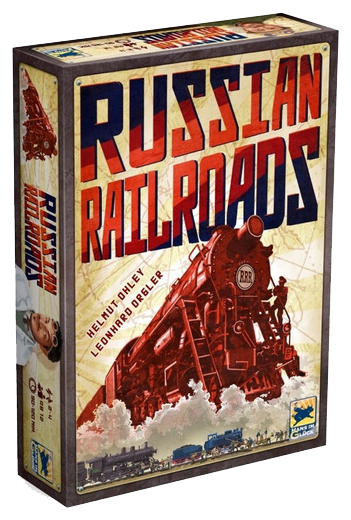
Russian Railroads
Why it made the listRussian Railroads makes placement an accelerating race across several scoring tracks. Engineers add new action spaces, locomotives gate route progress, and multipliers turn early infrastructure into huge late scores, rewarding players who understand when to build capacity and when to convert it into points.
7.7 rating 2–4 players 3.4/5 weightView game details -
14
2023
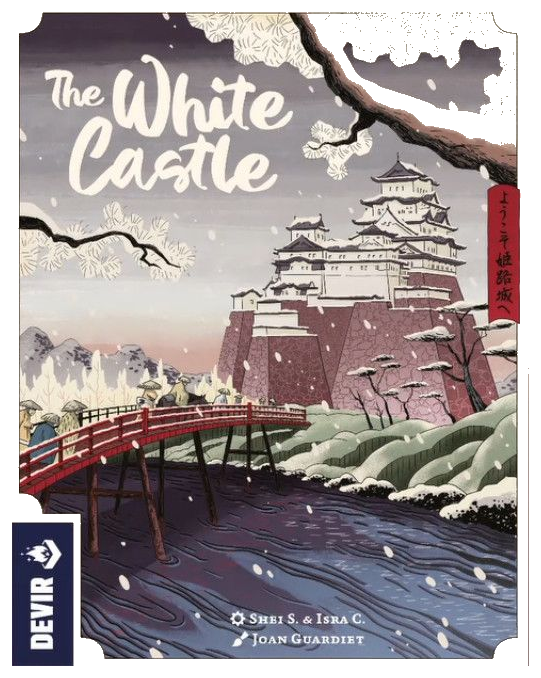
The White Castle
Why it made the listThe White Castle compresses dice placement and three worker types into only nine turns. Taking a die changes later costs, gardeners, warriors, and courtiers trigger connected rewards, and carefully chained actions make the small box feel much denser than its short session suggests.
8.0 rating 1–4 players 3.0/5 weightView game details -
15
2017
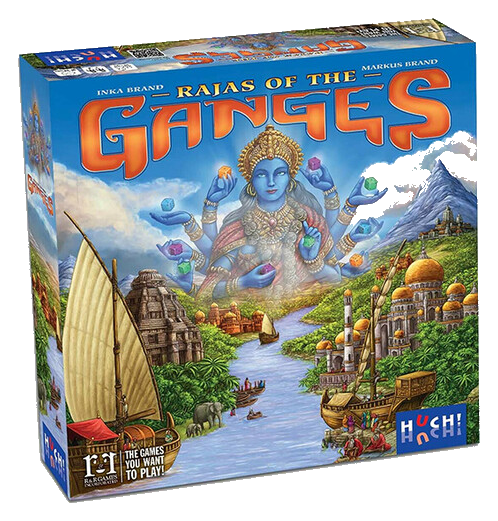
Rajas Of The Ganges
Why it made the listRajas of the Ganges uses dice as coloured workers, with values determining which actions or tiles are available. Players build provinces, trade goods, and advance money and fame from opposite ends of the same track, making placement support both tactical dice use and a visible race to convergence.
7.7 rating 2–4 players 45–75 min 2.9/5 weightView game details -
16
2017
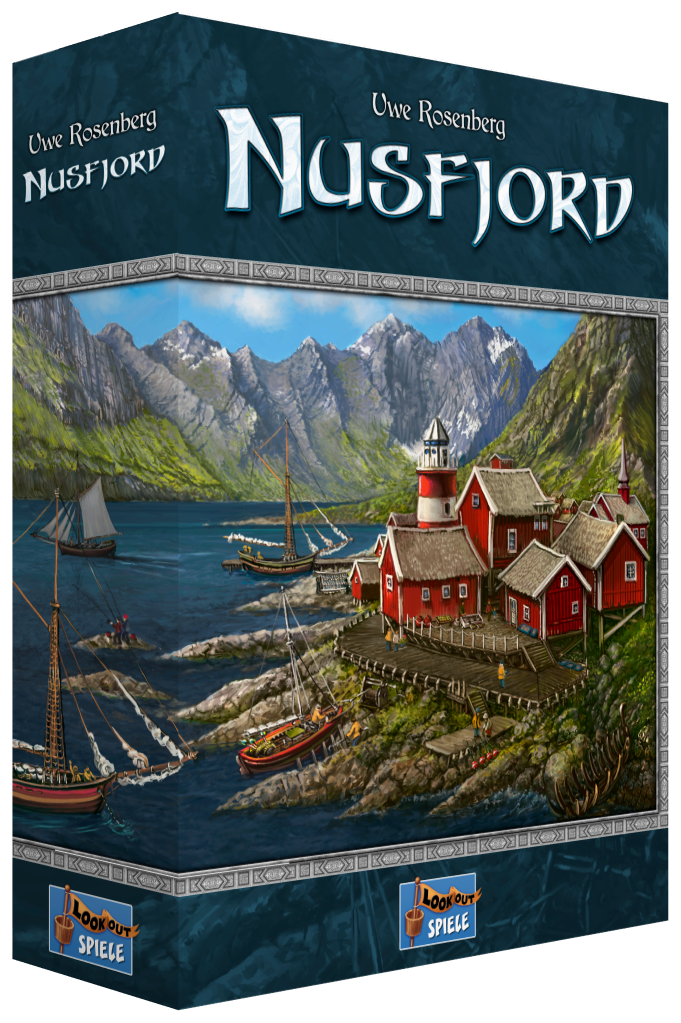
Nusfjord
Why it made the listNusfjord distils Uwe Rosenberg’s worker placement into three workers and a brisk fishing economy. Elders provide strong actions but demand fish, buildings define strategic direction, and issuing shares creates an interactive resource channel unusual in a compact, mostly low-conflict design.
7.6 rating 1–5 players 20–100 min 2.8/5 weightView game details -
17
2015
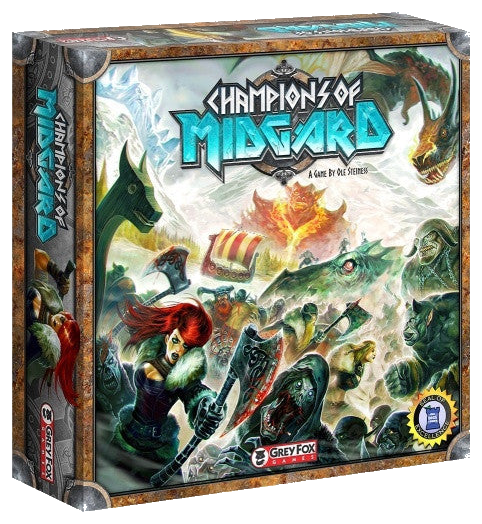
Champions Of Midgard
Why it made the listChampions of Midgard attaches risk and adventure to familiar placement. Workers gather warriors, food, ships, and quests, then dice-based battles test the preparation; favour tokens limit bad luck, and choosing which monsters to contest creates more confrontation than a standard resource puzzle.
7.7 rating 2–4 players 60–90 min 2.6/5 weightView game details -
18
2010
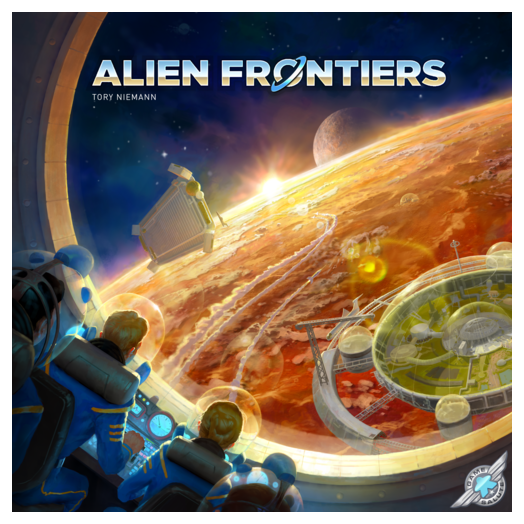
Alien Frontiers
Why it made the listAlien Frontiers treats rolled dice as ships whose values determine placement. Pairs, triples, and sequences unlock different orbital facilities, while area control on the planet and alien technologies give tactical rolls a longer strategic purpose and encourage timely interference.
7.4 rating 2–4 players 2.6/5 weightView game details -
19
2011
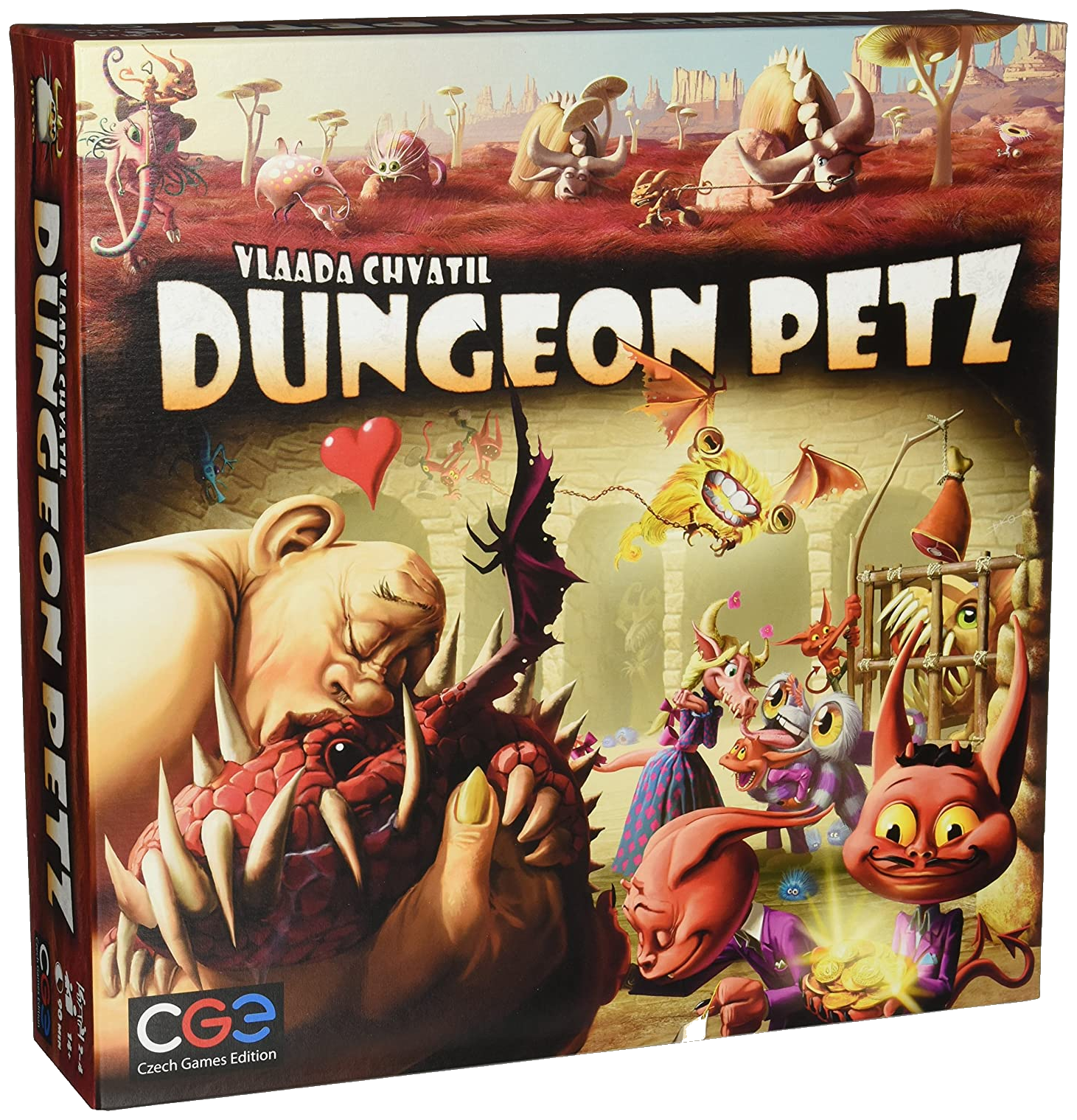
Dungeon Petz
Why it made the listDungeon Petz turns worker placement into group placement: hidden fists determine how many imps contest each market or action. Purchased creatures then need food, cages, cleaning, and entertainment, making every scarce space part of a comic but demanding logistics problem.
7.4 rating 2–4 players 3.6/5 weightView game details -
20
2021
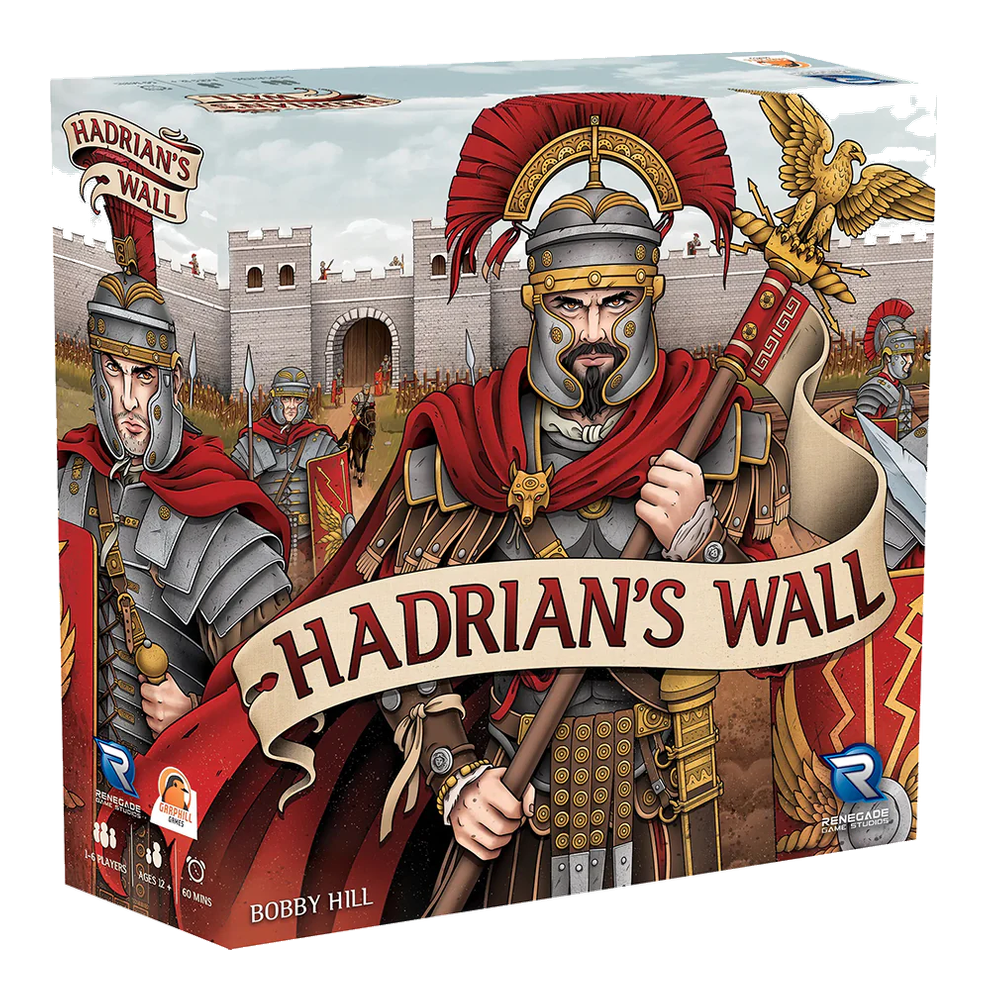
Hadrian's Wall
Why it made the listHadrian’s Wall largely removes blocking and uses workers as a personal action currency across two interconnected sheets. Citizens, cohorts, landmarks, resources, and reputation trigger long chains, showing how worker placement can become a highly controlled solo-style efficiency puzzle rather than a fight for spaces.
8.0 rating 1–6 players 30–60 min 3.1/5 weightView game details
Buying advice
What makes a strong pick?
Worker placement turns an action menu into shared territory. A placement gains resources or advances a plan, but it may also deny a rival, reveal intent, or alter the value of a later space. These picks show the mechanism at its best in pure form and in hybrids where cards, dice, timing, or different workers change the question.
Who this list is for
Players who enjoy planning, resource conversion, action efficiency, contested spaces, and competition that often emerges from timing rather than direct attacks.
What stands out
The list ranges from foundational farming and castle building to deck-building conflict, time travel, car production, dice allocation, solo efficiency puzzles, and approachable introductions.
What to consider
Blocking pressure, first-player experience, card variability, and session length differ sharply. Hybrid games may feature worker placement as one major system rather than the entire identity of the game.
Our methodology
How this guide is built
This is an editorial selection from games using Worker Placement or recognized worker and dice variants. Ordering weighs placement tension, action-space design, interaction, replayability, accessibility, critical reception, availability, and the distinct evolution of the mechanism each game represents.
Ratings and rank are useful signals, not the whole recommendation. ABG keeps the URL stable and refreshes the ordering as its catalog evidence improves.
Questions, answered
About this list
How were the games on this list chosen?
This is an editorial selection from games using Worker Placement or recognized worker and dice variants. Ordering weighs placement tension, action-space design, interaction, replayability, accessibility, critical reception, availability, and the distinct evolution of the mechanism each game represents.
Who is this list most useful for?
Players who enjoy planning, resource conversion, action efficiency, contested spaces, and competition that often emerges from timing rather than direct attacks.
How often is this list updated?
ABG refreshes official lists as catalog rankings, ratings, specifications, and classifications improve. The URL stays stable when the order changes.