Best Negotiation Board Games
Twenty games where value is created through deals, promises, leverage, and the people at the table.
The complete ranking
20 games to consider
Twenty editor-picked negotiation games, from accessible trading to political epics.
-
01
2017
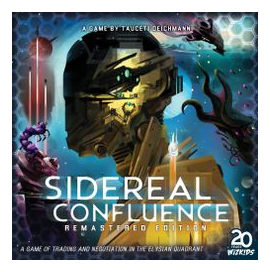
Sidereal Confluence
Why it made the listSidereal Confluence is the fullest expression of positive-sum bargaining. Asymmetric alien economies need resources other species produce, so simultaneous, mostly binding trades let everyone improve while inventions score long-term points; it is best with five or six confident players who can negotiate in a noisy room.
7.8 rating 4–9 players 120–180 min 3.5/5 weightView game details -
02

2023
Zoo Vadis
Why it made the listZoo Vadis distils negotiation into a quick race through a zoo hierarchy. Every advancement needs votes from rivals, peacocks create spendable leverage, and asymmetric animal powers make support useful, while the rule that only finalists can win prevents a player from collecting points without building a viable coalition.
7.8 rating 3–7 players 20–40 min 2.1/5 weightView game details -
03
2023
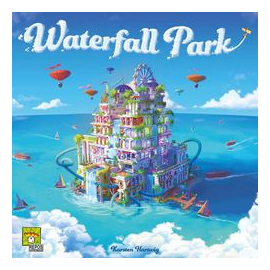
Waterfall Park
Why it made the listWaterfall Park reworks Chinatown into a shorter, more approachable property-trading game. Random plots and attractions arrive incomplete, almost everything can be exchanged, and adjacent businesses grow more valuable, so the board continually reveals mutually beneficial deals without requiring players to estimate a complicated engine.
7.0 rating 3–5 players 1.9/5 weightView game details -
04
2008
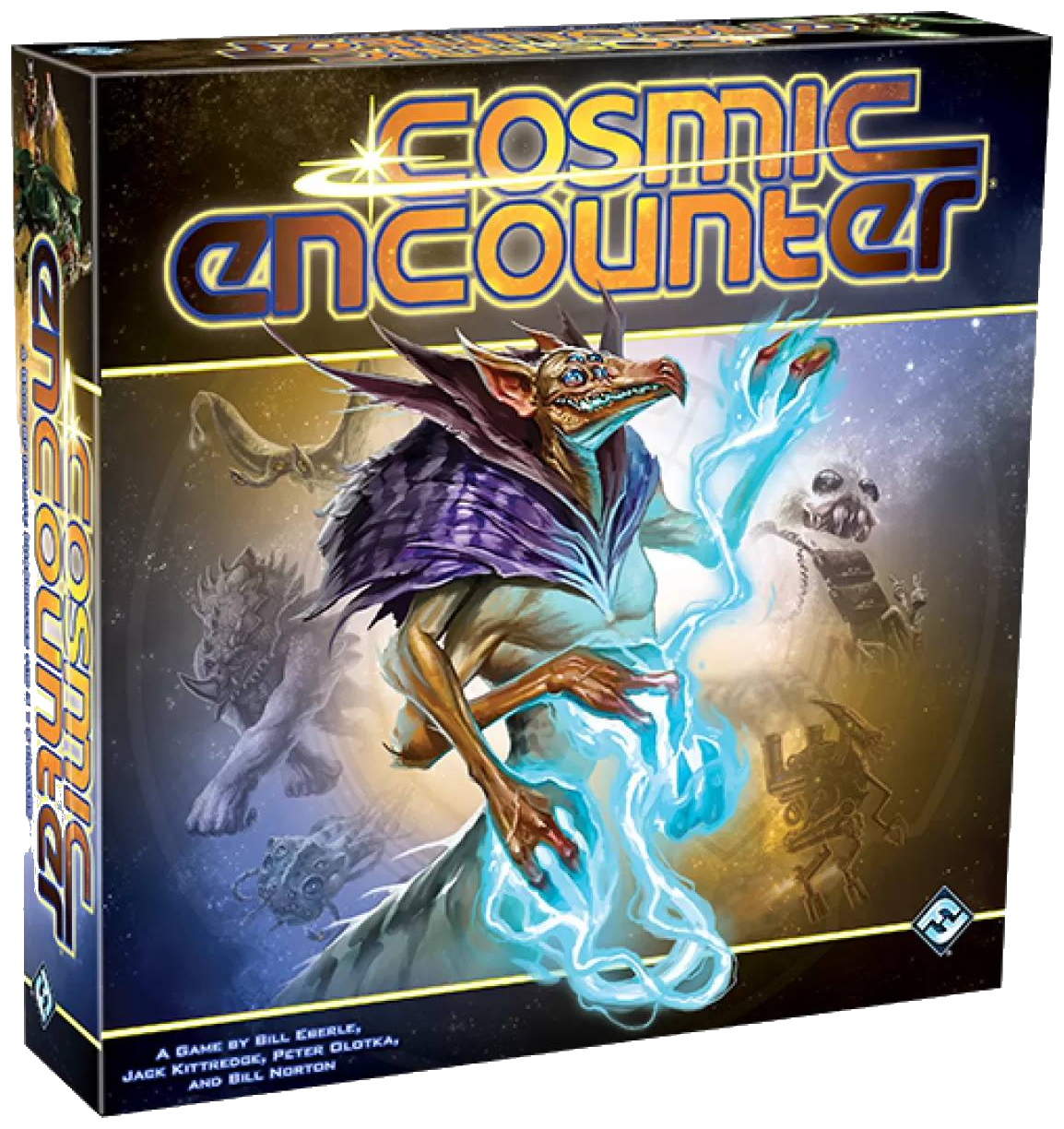
Cosmic Encounter
Why it made the listCosmic Encounter makes every attack an invitation to bargain. Offence and defence recruit allies, negotiate cards can replace combat with a deal, and wildly asymmetric alien powers keep changing what promises are credible; it thrives with four or five players willing to embrace imbalance, betrayal, and occasional shared victories.
7.5 rating 3–5 players 60–120 min 2.6/5 weightView game details -
05
2022
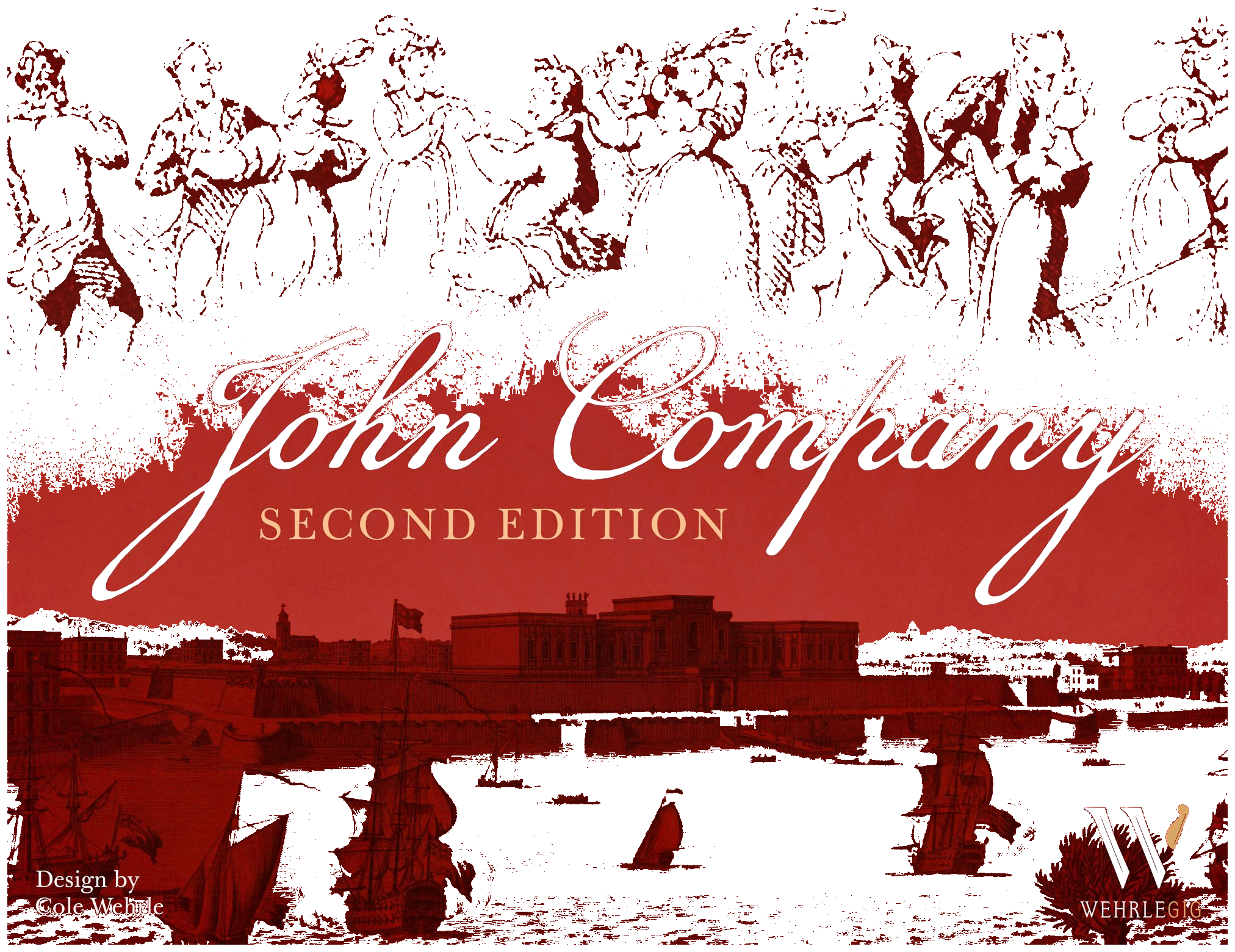
John Company: Second Edition
Why it made the listJohn Company makes players members of competing families who jointly operate a failing colonial corporation. Offices, favours, marriages, votes, military commands, and private enterprises are negotiated across generations, creating a long, ethically confrontational political game in which cooperation and extraction continually collide.
8.4 rating 1–6 players 90–240 min 4.4/5 weightView game details -
06
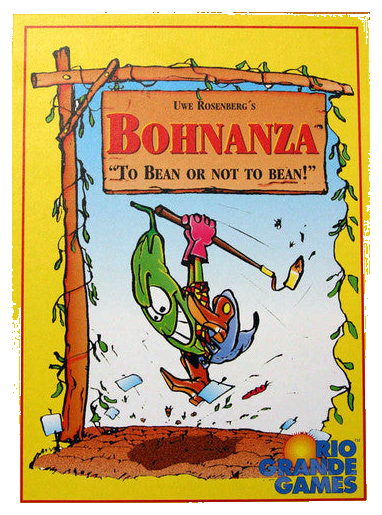
1997
Bohnanza
Why it made the listBohnanza creates constant trade from one elegant inconvenience: players cannot rearrange the cards in their hands. Unwanted beans must be planted unless someone accepts a deal, gifts are often rational, and harvest values make every variety’s urgency legible, producing accessible negotiation without a map or price chart.
7.1 rating 2–7 players 1.7/5 weightView game details -
07
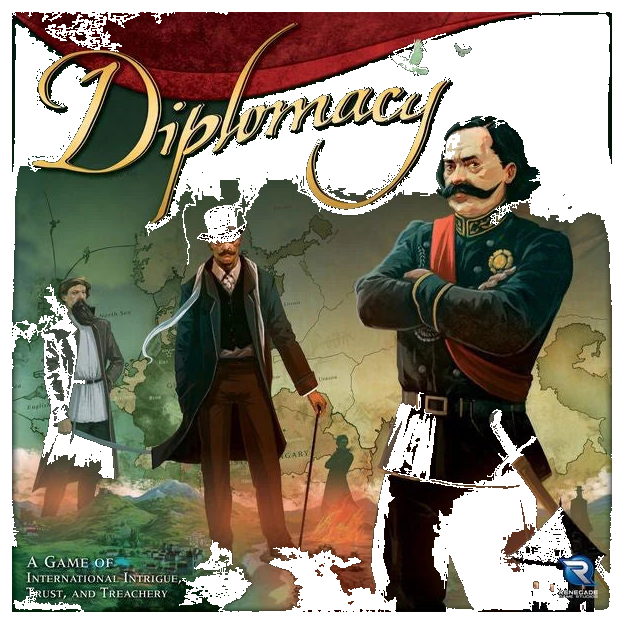
1959
Diplomacy
Why it made the listDiplomacy is the uncompromising classic of simultaneous orders and unenforced promises. Armies are equal, combat has no randomness, and no power can succeed alone, so private talks, coordinated support, and precisely timed betrayal become the entire strategic system; it requires seven committed players and most of a day.
7.0 rating 2–7 players 3.3/5 weightView game details -
08
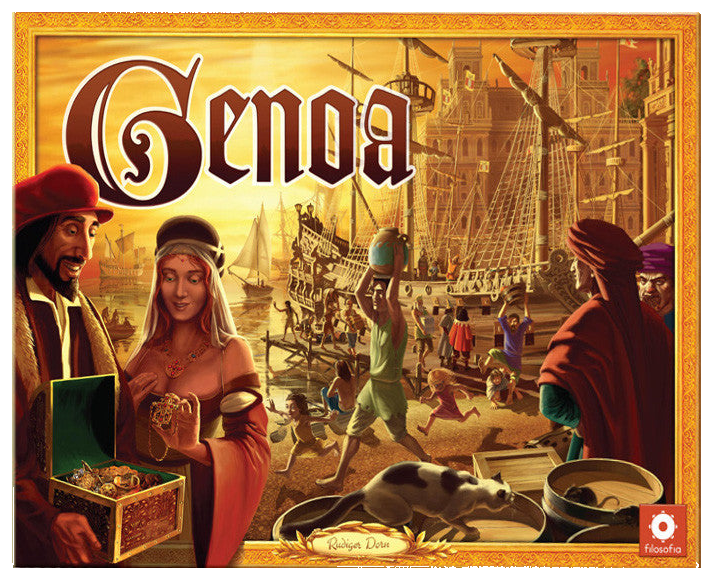
2001
Genoa
Why it made the listGenoa lets the active player move a merchant through the city, but usually perform only one lucrative action personally. Rivals pay money, goods, cards, or future favours to influence the remaining route, making nearly every turn a multi-party auction over opportunities that would otherwise disappear.
7.1 rating 2–5 players 60–120 min 3.1/5 weightView game details -
09
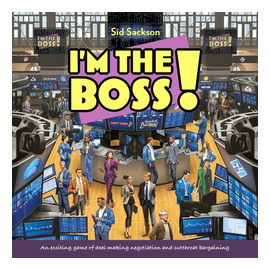
1994
I'm The Boss!
Why it made the listI’m the Boss! starts each deal with a known payout and a required set of investors, then lets players bargain over the split. Cards replace participants, stop interference, or seize control as the boss, so a seemingly settled agreement can become theatrical brinkmanship without losing sight of the money at stake.
6.8 rating 3–6 players 2.0/5 weightView game details -
10
2014
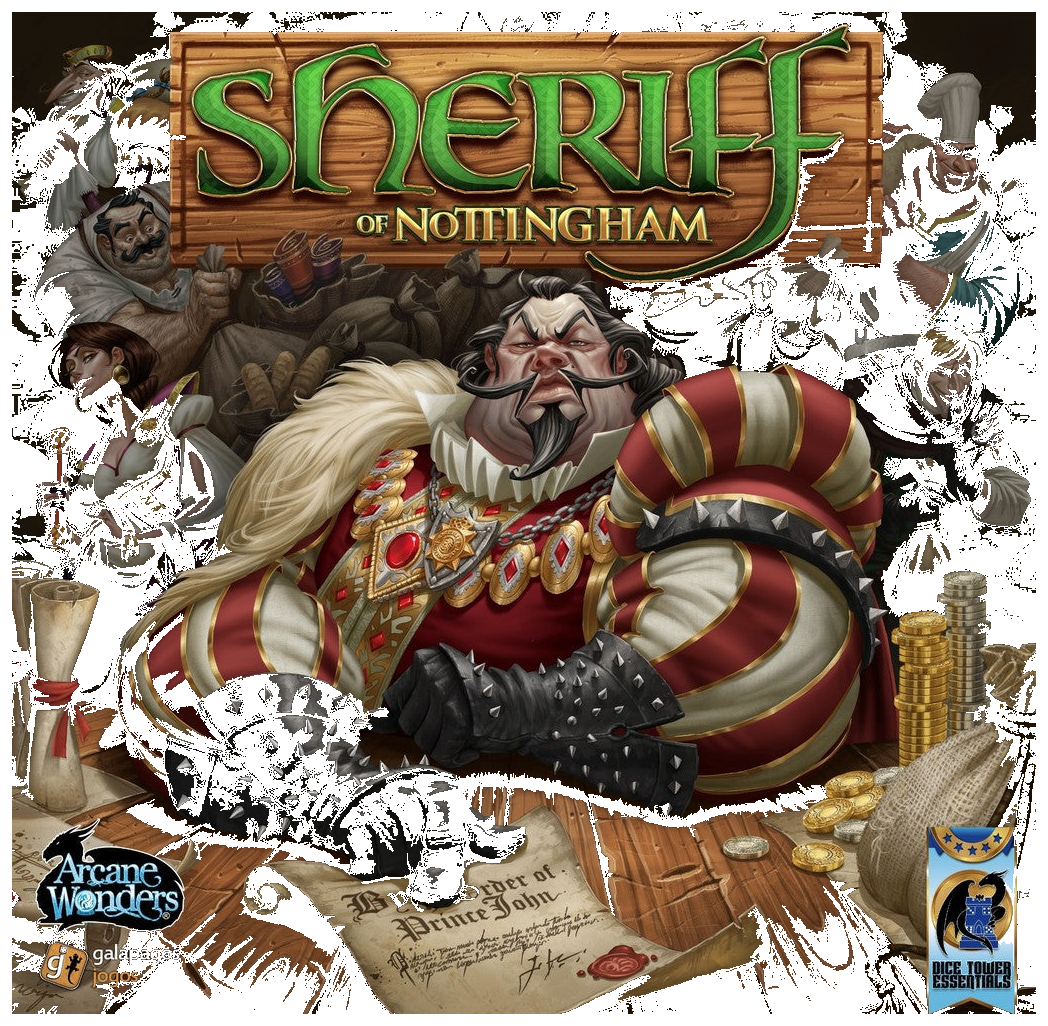
Sheriff Of Nottingham
Why it made the listSheriff of Nottingham makes one player the border official while everyone else declares sealed bags of goods. Merchants offer bribes, tell partial truths, or invite inspection, and the sheriff weighs income against penalties for a false accusation; it works when the group enjoys performance but wants evidence beneath the bluffing.
7.1 rating 3–5 players 1.7/5 weightView game details -
11

2020
Moonrakers
Why it made the listMoonrakers turns contract missions into negotiated temporary teams. A captain recruits players whose ship parts and action cards can satisfy requirements, then everyone bargains over rewards before committing; personal deck and ship upgrades gradually alter who needs whom, though groups must resist letting cautious play stall the economy.
7.8 rating 1–5 players 60–120 min 2.4/5 weightView game details -
12
2016
New Angeles
Why it made the listNew Angeles asks corporations to keep a troubled city alive while pursuing private capital and exposing a possible federalist. Players propose action cards, add counteroffers, trade assets and favours, then vote, creating negotiations with measurable consequences while asymmetric incentives ensure agreement never means identical goals.
7.1 rating 4–6 players 120–240 min 3.2/5 weightView game details -
13

Board game
Churchill
Why it made the listChurchill models Allied strategy conferences rather than battlefield command. The United States, United Kingdom, and Soviet Union debate agenda issues, commit staff cards, and influence fronts while still needing the alliance to defeat the Axis, making victory depend on being the most successful partner—not simply the least cooperative one.
7.7 rating 1–3 players 60–300 min 3.4/5 weightView game details -
14
1994
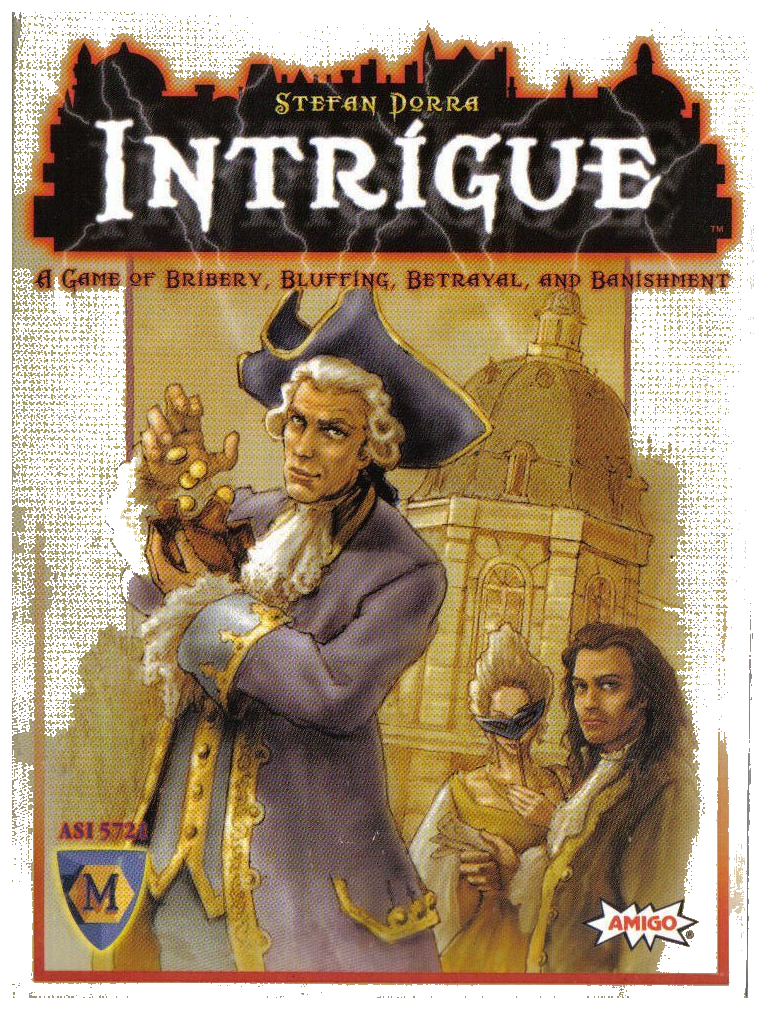
Intrigue
Why it made the listIntrigue removes almost every comfort from negotiation: players send scholars to rival courts, hosts choose which jobs they receive, and promised payments are not binding. With no balancing mechanism beyond reputation and retaliation, it is a short, vicious examination of trust best reserved for friends who enjoy personal betrayal as play.
6.4 rating 3–5 players 1.9/5 weightView game details -
15
2022
Décorum
Why it made the listDecorum makes negotiation cooperative but incomplete. Players share a home and must satisfy private aesthetic conditions, yet can express only whether a change helps or hurts, so the group must infer constraints and compromise through carefully limited reactions rather than reveal the puzzle outright.
7.5 rating 2–4 players 30–45 min 1.8/5 weightView game details -
16

1903
Pit
Why it made the listPit turns commodity trading into a few minutes of simultaneous shouting. Players call only the quantity they want to exchange, never the crop, while racing to collect a complete set; it has almost no long-term diplomacy, but remains one of the purest choices for groups that want immediate, chaotic barter.
6.4 rating 3–8 players 30–90 min 1.2/5 weightView game details -
17

2019
Rival Restaurants
Why it made the listRival Restaurants gives chefs one real-time minute to buy, swap, and bargain for ingredients before cooking. Asymmetric powers, dietary goals, recipes, and a shared market create concrete reasons for quick deals, making it a lighter and more structured entry point than an open-ended political negotiation game.
7.6 rating 2–6 players 45–60 min 2.2/5 weightView game details -
18

2009
Maria
Why it made the listMaria is a three-player historical war game whose shifting alliances make diplomacy structural. Austria fights on two fronts, France and Prussia pursue different incentives, and political card play changes obligations, so negotiation grows from military dependence rather than a free-form permission to make deals.
8.0 rating 2–3 players 3.6/5 weightView game details -
19
2017
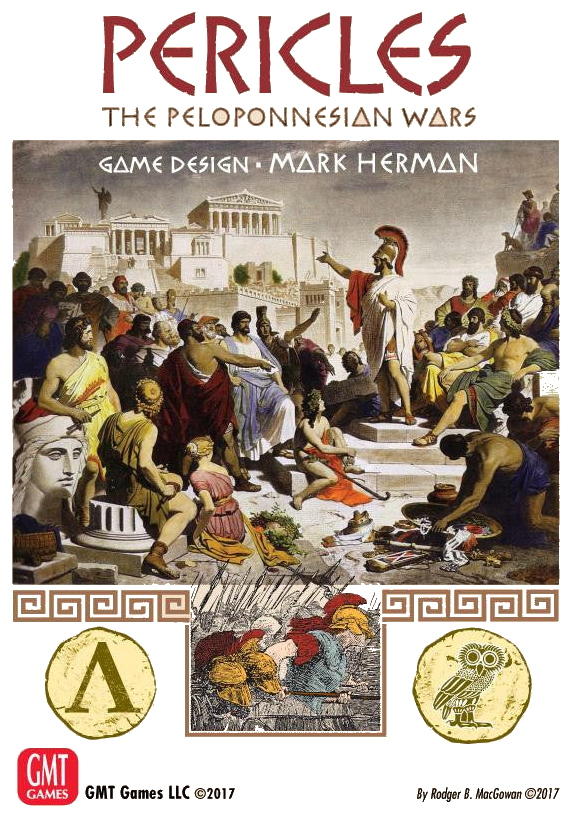
Pericles: The Peloponnesian Wars
Why it made the listPericles divides Athens and Sparta between two players each, making every side both a team and an internal rivalry. Factions debate issues before executing theatre-level campaigns, so partners must coordinate enough to win the war while competing for honour and influence within their own city-state.
7.9 rating 1–4 players 45–360 min 4.3/5 weightView game details -
20
2020
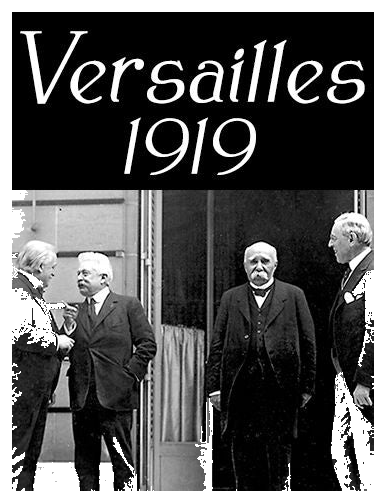
Versailles 1919
Why it made the listVersailles 1919 casts four leaders into the peace conference after the First World War. Issue tiles carry domestic and international value, players debate which reach the table, and unrest threatens everyone, creating a historically grounded negotiation about priorities, concessions, and the unstable cost of refusing compromise.
7.5 rating 1–4 players 60–120 min 3.0/5 weightView game details
Buying advice
What makes a strong pick?
Negotiation games make the players part of the rules system. A property becomes valuable because a rival needs it, a temporary alliance changes the balance of power, and a promise can matter even when nothing enforces it. The strongest designs create concrete, changing incentives to talk rather than merely allowing conversation beside the game.
Who this list is for
Expressive groups who enjoy persuasion, trading, coalition building, reading incentives, and memorable moments produced by people rather than a scripted event deck.
What stands out
The picks include real-time barter, open property trading, votes, alliances, bribes, joint ventures, diplomatic warfare, cooperative compromise, restaurant deals, and historically grounded conferences.
What to consider
These games depend heavily on player count and temperament. Some make agreements binding and others permit betrayal; some need five or more assertive players, while a few ask for several hours. Each note identifies the social contract and commitment that make the design work.
Our methodology
How this guide is built
This is an editorial selection from games carrying Negotiation taxonomy. Ordering weighs how essential bargaining is, whether the system supports useful and varied deals, accessibility, interaction, replayability, group dependence, critical reception, availability, and the distinct negotiating environment each pick creates.
Ratings and rank are useful signals, not the whole recommendation. ABG keeps the URL stable and refreshes the ordering as its catalog evidence improves.
Questions, answered
About this list
How were the games on this list chosen?
This is an editorial selection from games carrying Negotiation taxonomy. Ordering weighs how essential bargaining is, whether the system supports useful and varied deals, accessibility, interaction, replayability, group dependence, critical reception, availability, and the distinct negotiating environment each pick creates.
Who is this list most useful for?
Expressive groups who enjoy persuasion, trading, coalition building, reading incentives, and memorable moments produced by people rather than a scripted event deck.
How often is this list updated?
ABG refreshes official lists as catalog rankings, ratings, specifications, and classifications improve. The URL stays stable when the order changes.