Best Tile-Placement Board Games
Twenty games where every new piece reshapes a landscape, pattern, route, or shared plan.
The complete ranking
20 games to consider
Twenty editor-picked tile-placement games for spatial play at every weight.
-
01
2000
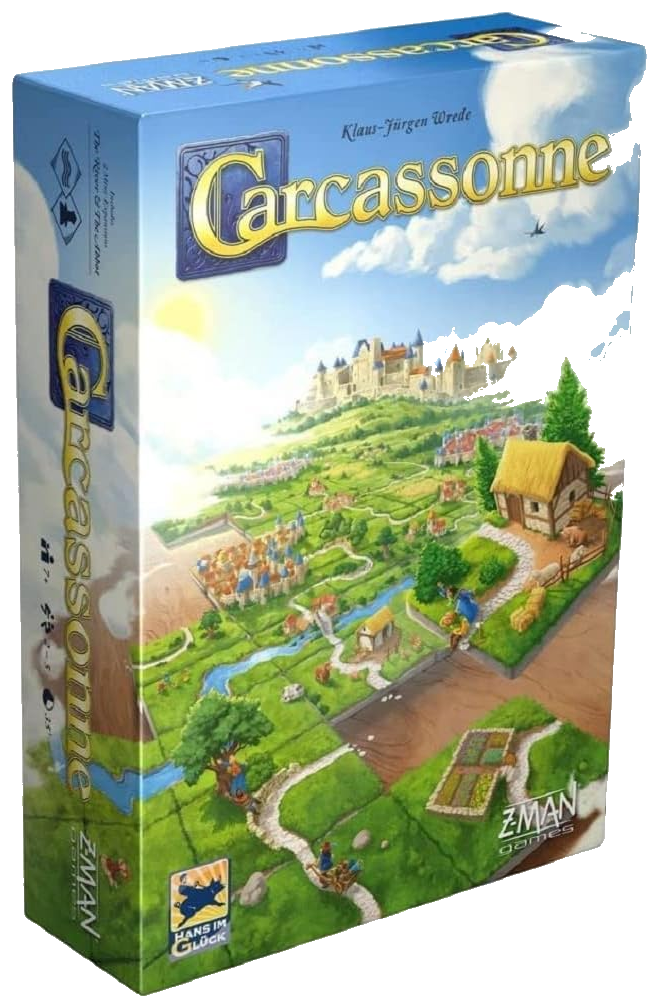
Carcassonne
Why it made the listCarcassonne remains tile placement’s essential shared-board design. Every landscape tile must continue roads, cities, fields, and monasteries, then a limited meeple can claim the feature; simple placement rules support tactical blocking, opportunistic joining, and long-term farmer decisions that become sharper with experience.
7.4 rating 2–5 players 30–45 min 1.9/5 weightView game details -
02
2017
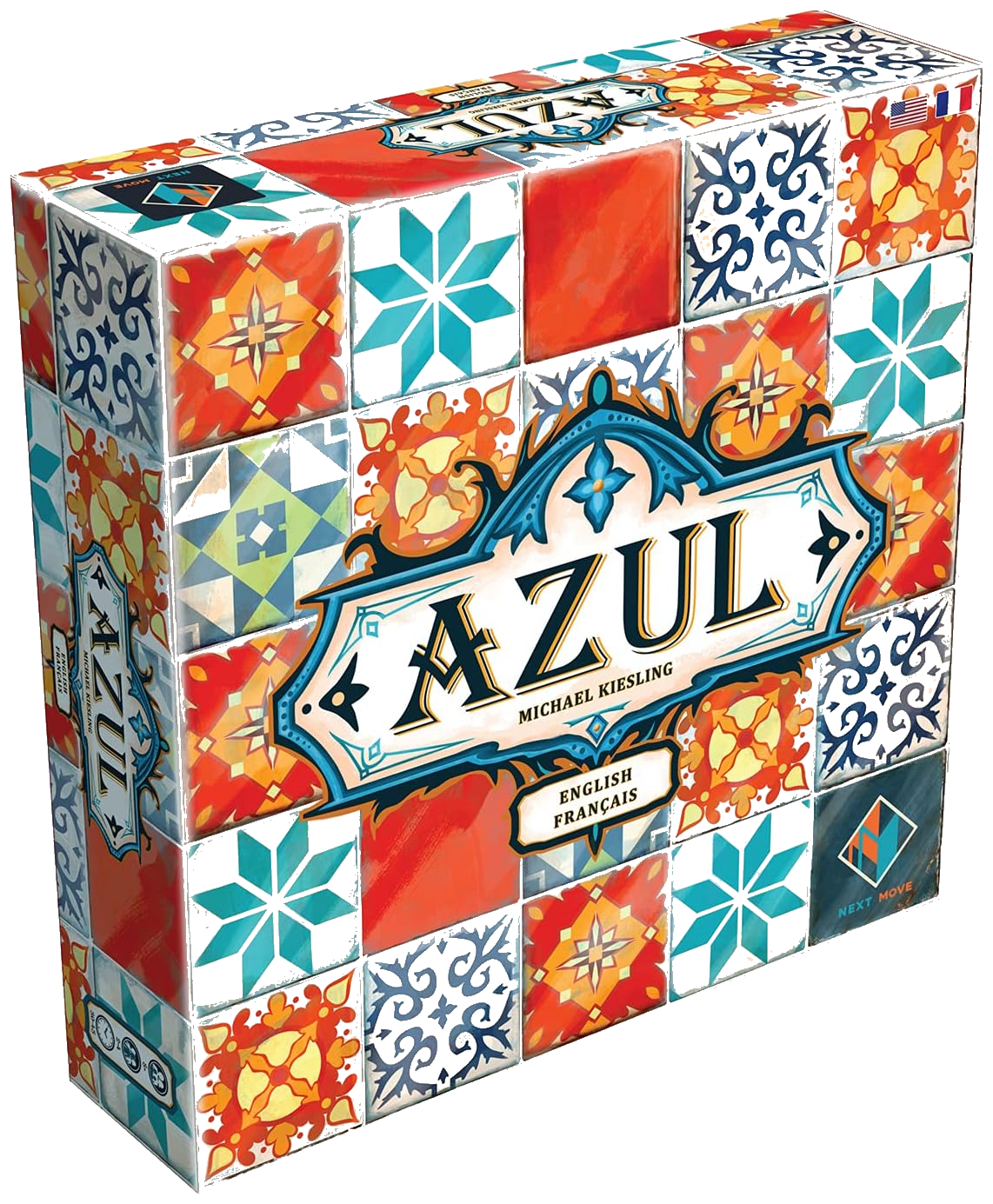
Azul
Why it made the listAzul combines an interactive factory draft with a disciplined personal mosaic. Taking every tile of one colour can burden rivals or flood the centre, while incomplete rows create floor penalties and completed patterns score through adjacency, making the consequences of placement extend well beyond visual symmetry.
7.8 rating 2–4 players 30–45 min 1.8/5 weightView game details -
03
2015
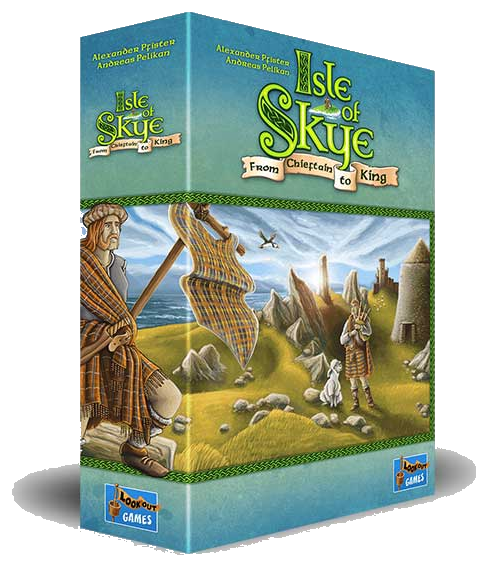
Isle Of Skye: From Chieftain To King
Why it made the listIsle of Skye asks players to draw landscape tiles, secretly price two, discard one, and let rivals buy at those prices before building personal kingdoms. Changing public scoring goals make roads, terrain, livestock, ships, and structures valuable in different combinations, linking spatial planning to a clever market.
7.4 rating 2–5 players 30–50 min 2.3/5 weightView game details -
04
1998
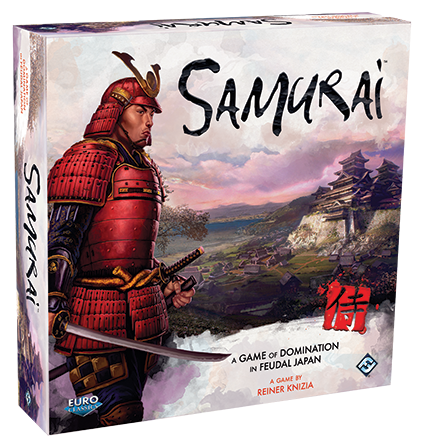
Samurai
Why it made the listSamurai places hexagonal influence tiles around cities containing priests, rice fields, and helmets. Special tiles and ships extend reach, surrounded pieces resolve immediately, and final scoring rewards strength across categories, producing an elegant shared-map contest with almost no randomness beyond each player’s draw order.
7.5 rating 2–4 players 30–60 min 2.5/5 weightView game details -
05
2016
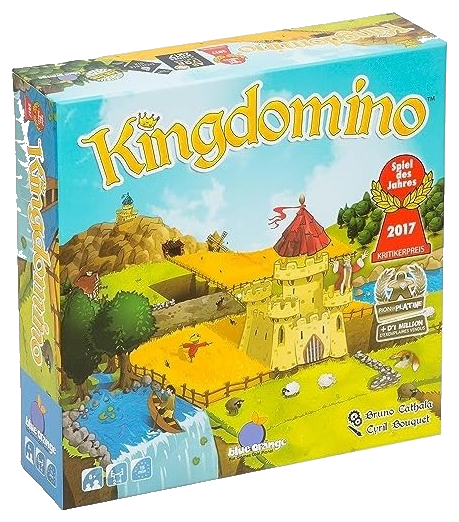
Kingdomino
Why it made the listKingdomino makes one domino choice determine both landscape and next-round turn order. Matching terrain expands a compact kingdom, crowns multiply contiguous areas, and a strict five-by-five grid turns every apparently easy placement into a question about future fit, scoring density, and whether a premium tile is worth acting later.
7.3 rating 2–4 players 15–25 min 1.2/5 weightView game details -
06
2019
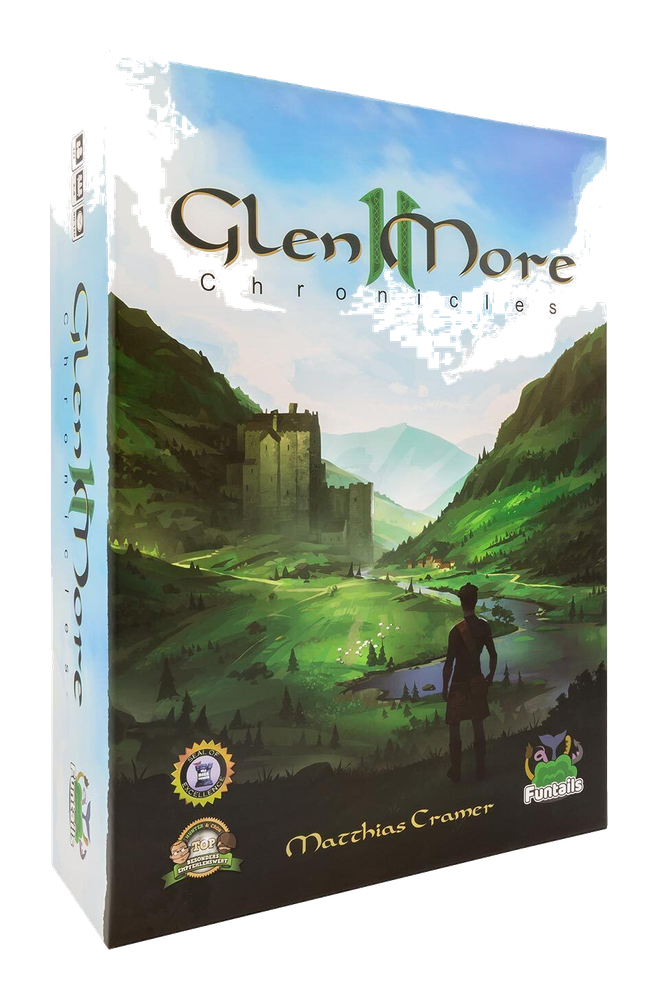
Glen More Ii: Chronicles
Why it made the listGlen More II builds a personal Scottish territory from tiles selected on a time track. New tiles must touch the correct river or road and activate themselves plus neighbours, so placement creates engine chains, while taking more turns adds area and can impose an end-game penalty for expanding too freely.
7.9 rating 2–4 players 90–120 min 3.0/5 weightView game details -
07
2017
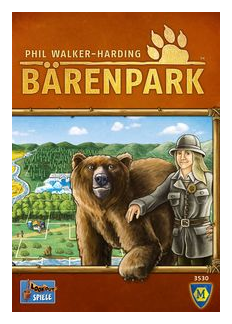
Bärenpark
Why it made the listBärenpark turns polyomino placement into an approachable race to complete zoo plots. Covering icons earns new shapes or park sections, animal houses score less as others claim them, and bear statues reward finishing, giving families immediate progress while preserving satisfying decisions about holes and future access.
7.3 rating 2–4 players 30–45 min 1.7/5 weightView game details -
08

Board game
Project L
Why it made the listProject L uses small polyomino pieces to fill recessed puzzle tiles, then returns completed pieces alongside upgraded ones. Master actions let one placement advance several puzzles at once, turning tactile tile fitting into a compact efficiency engine where the right portfolio matters more than solving one shape in isolation.
7.5 rating 1–4 players 20–40 min 1.6/5 weightView game details -
09
Board game
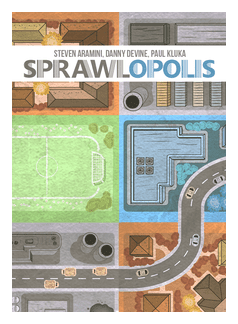
Sprawlopolis
Why it made the listSprawlopolis creates a complete solo or cooperative city from only eighteen cards used as overlapping map tiles. Three cards become variable scoring rules and every road can create penalties, so orientation, cover, and adjacency form a remarkably demanding spatial puzzle in a wallet-sized deck.
7.3 rating 1–4 players 15–20 min 1.8/5 weightView game details -
10
2022
Akropolis
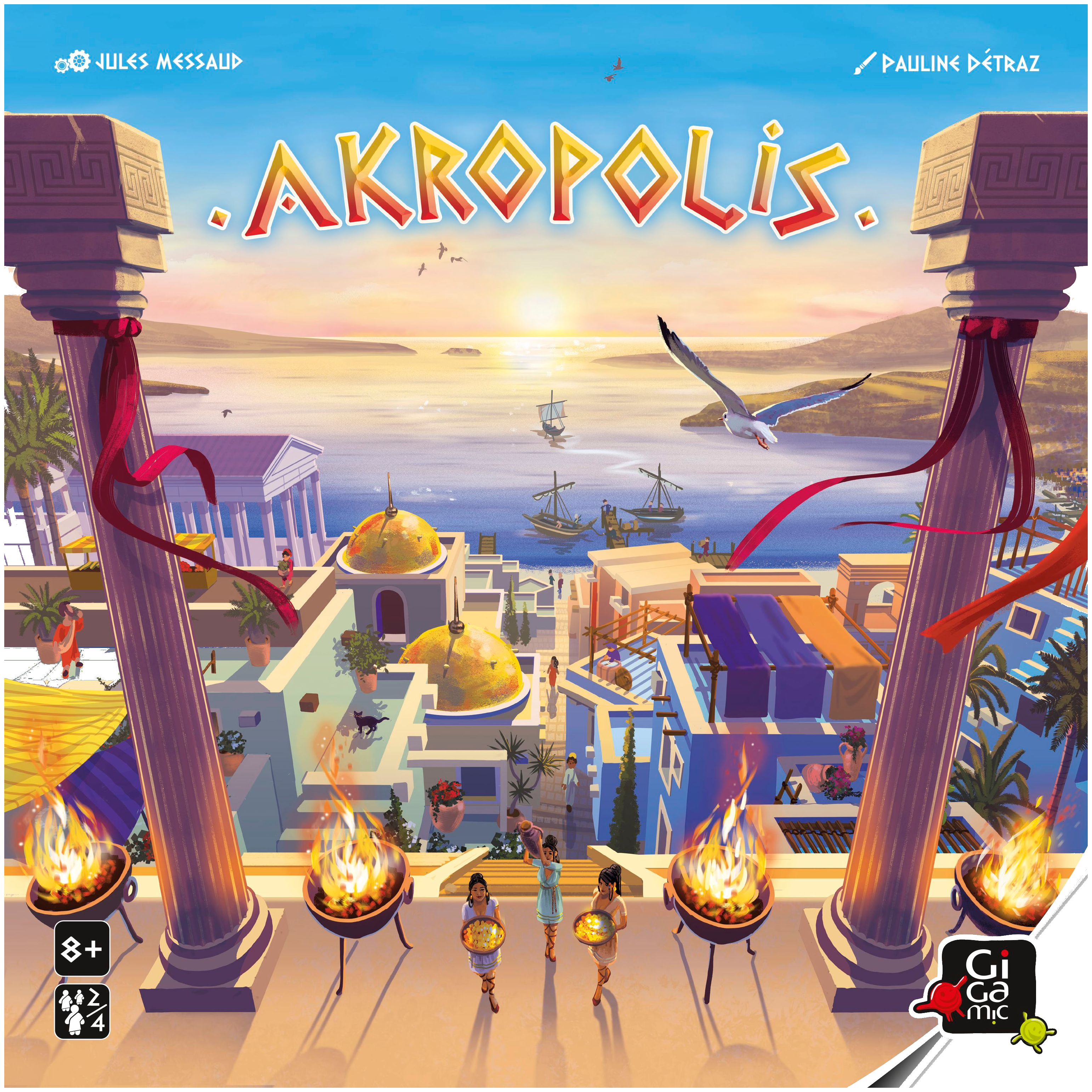
Why it made the listAkropolis lets players draft three-hex city tiles and build upward as well as outward. Districts score only with matching plaza stars, quarries beneath later levels become building material, and height multiplies value, making a readable city puzzle about timing, scarcity, and committing vertical space.
7.5 rating 1–4 players 20–30 min 1.8/5 weightView game details -
11

2019
Nova Luna
Why it made the listNova Luna pairs abstract tile placement with a time track. Each moon tile displays adjacency tasks and advances the player by its cost, so cheaper choices grant earlier turns while colour connections complete goals; the puzzle is not merely finding a fit but deciding how much tempo that fit is worth.
7.3 rating 1–4 players 30–60 min 1.9/5 weightView game details -
12
Board game
Alhambra
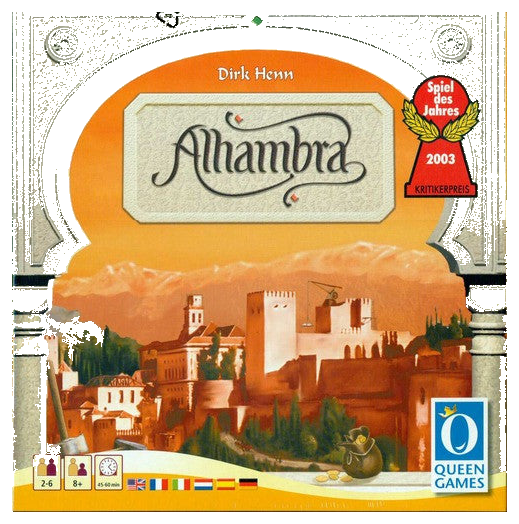
Why it made the listAlhambra combines exact-currency purchasing with placement inside a walled palace. Buildings must connect legally without trapping access, wall length scores separately, and majority scoring occurs before the end, so players balance a spatial plan against market timing and the currencies available in hand.
7.0 rating 2–6 players 45–60 min 2.1/5 weightView game details -
13
Board game
Ingenious
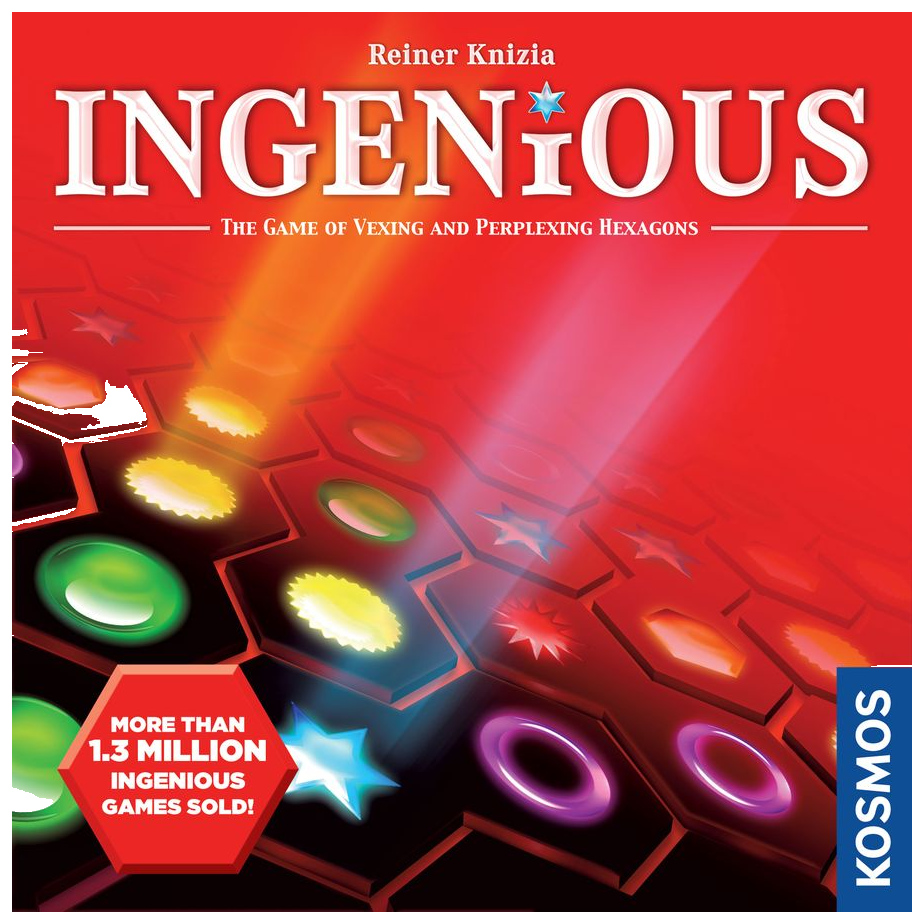
Why it made the listIngenious places double-symbol hex tiles beside matching lines on a shared board. Every extension scores both symbols, blocking becomes more powerful as space closes, and the lowest of a player’s six colour scores determines the result, forcing balanced placement rather than maximising one obvious network.
7.1 rating 1–4 players 30–45 min 1.9/5 weightView game details -
14
2024
Castle Combo
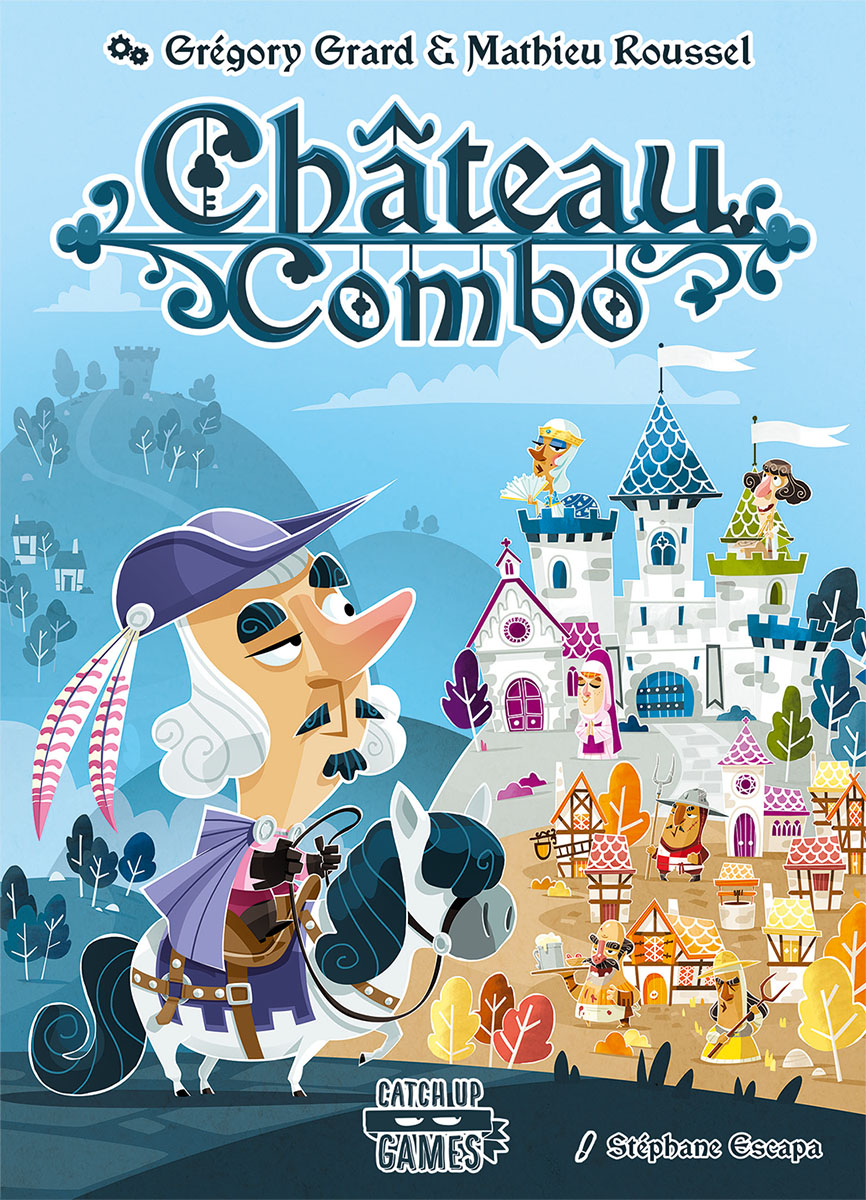
Why it made the listCastle Combo makes every chosen character card a tile in a three-by-three tableau. Its position affects immediate income and end-game relationships, while a messenger moves between two markets, so a tiny grid supports timing, adjacency, icon sets, and tactical adaptation in under an hour.
7.7 rating 2–5 players 10–25 min 1.7/5 weightView game details -
15

2024
Rebirth
Why it made the listRebirth gives each turn one double-sided clan tile and one consequential placement on a shared Scottish landscape. Farms score through connected groups, energy sites reward networks, castles invite majority contests, and private missions redirect priorities, producing accessible area control with meaningful interaction at two to four players.
7.8 rating 2–4 players 45–60 min 2.0/5 weightView game details -
16
2019
Babylonia
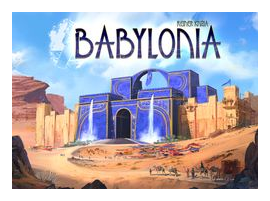
Why it made the listBabylonia places nobles and farmers into connected chains across Mesopotamia. Cities score when surrounded, ziggurats grant powers, and each completed region can reward opponents whose networks reach it, creating a highly interactive tile-laying game where extending one link may strengthen several competing positions.
7.7 rating 2–4 players 2.4/5 weightView game details -
17
2002
Mexica
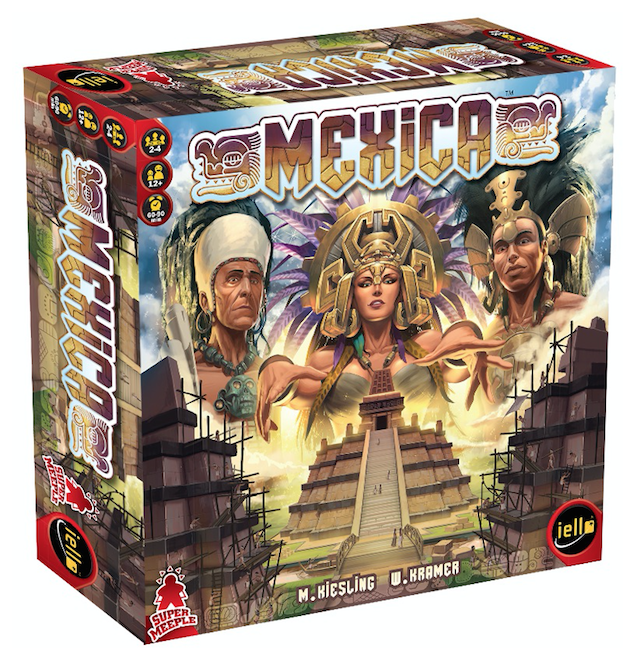
Why it made the listMexica asks players to lay canals, found districts of exact sizes, and place temples before an era closes. The same map supports movement, area creation, and majority scoring, so controlling when a district is completed can matter as much as the strength placed inside it.
7.3 rating 2–4 players 2.7/5 weightView game details -
18
2018
Carpe Diem
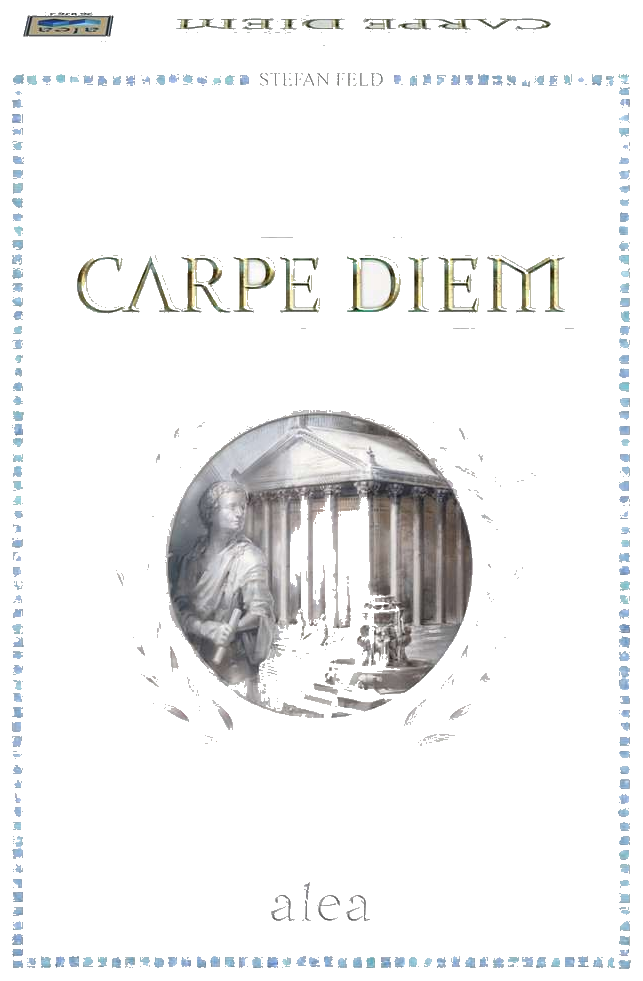
Why it made the listCarpe Diem uses a rotating market to supply tiles for a Roman estate. Paths must connect to the centre, landscapes score only when completed, and players compete to frame pairs of public scoring cards, linking each spatial commitment to a separate timing contest over which achievements remain available.
7.5 rating 2–4 players 45–75 min 2.5/5 weightView game details -
19
2021
Galaxy Trucker (second Edition)
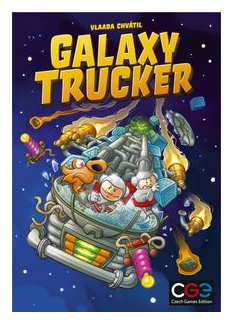
Why it made the listGalaxy Trucker makes tile placement frantic and physical: players simultaneously grab face-down ship parts, connect pipes, and hope engines, guns, cabins, batteries, and shields point the right way. The finished craft then faces hazards that expose every rushed gap, turning construction mistakes into the game’s best stories.
7.5 rating 2–4 players 20–30 min 2.3/5 weightView game details -
20
2020
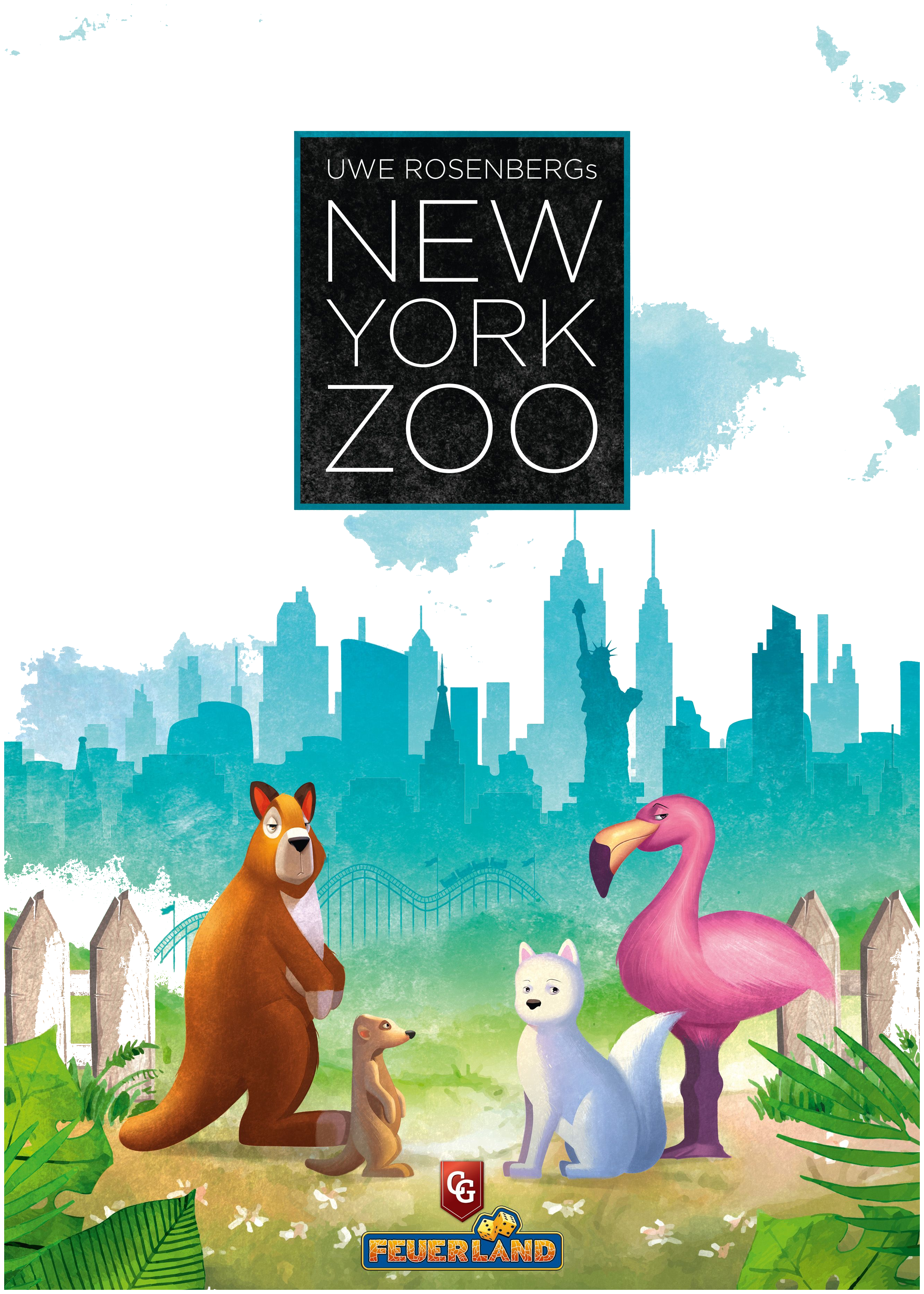
New York Zoo
Why it made the listNew York Zoo combines a rondel of animal acquisitions with polyomino enclosure placement. Breeding fills habitats, completed pens disappear into attraction tiles, and timing the elephant’s movement determines both available shapes and reproduction, giving a peaceful-looking puzzle a clear race structure.
7.1 rating 1–5 players 30–60 min 2.0/5 weightView game details
Buying advice
What makes a strong pick?
Tile placement makes strategy visible. One piece may close a city, complete a pattern, interrupt a network, raise a district, or leave an awkward space that lasts until the final turn. The best designs make location and orientation meaningful while ensuring the growing board changes what everyone should value next.
Who this list is for
Visual and spatial thinkers, families who enjoy building something together on the table, and strategic players who want position and adjacency to carry as much weight as cards or resources.
What stands out
The selection includes shared maps, personal mosaics, polyomino puzzles, auctions, area majority, route networks, stacked cities, compact solo play, real-time construction, and welcoming modern classics.
What to consider
Some games draft tiles before placing them, some draw randomly, and others price or purchase them. Interaction also ranges from peaceful parallel puzzles to ruthless shared-map control, so consider player count and appetite for blocking as carefully as complexity.
Our methodology
How this guide is built
This is an editorial selection from games using Tile Placement taxonomy. Ordering weighs the quality and centrality of the spatial decisions, interaction, replayability, accessibility, critical reception, availability, and the distinct placement problem each game contributes rather than catalog rank alone.
Ratings and rank are useful signals, not the whole recommendation. ABG keeps the URL stable and refreshes the ordering as its catalog evidence improves.
Questions, answered
About this list
How were the games on this list chosen?
This is an editorial selection from games using Tile Placement taxonomy. Ordering weighs the quality and centrality of the spatial decisions, interaction, replayability, accessibility, critical reception, availability, and the distinct placement problem each game contributes rather than catalog rank alone.
Who is this list most useful for?
Visual and spatial thinkers, families who enjoy building something together on the table, and strategic players who want position and adjacency to carry as much weight as cards or resources.
How often is this list updated?
ABG refreshes official lists as catalog rankings, ratings, specifications, and classifications improve. The URL stays stable when the order changes.