Best Dice Board Games
Twenty games that turn a roll into a decision, a shared gamble, or a tool players can reshape.
The complete ranking
20 games to consider
Twenty editor-picked dice board games, from strategic allocation to joyful risk.
-
01
2011
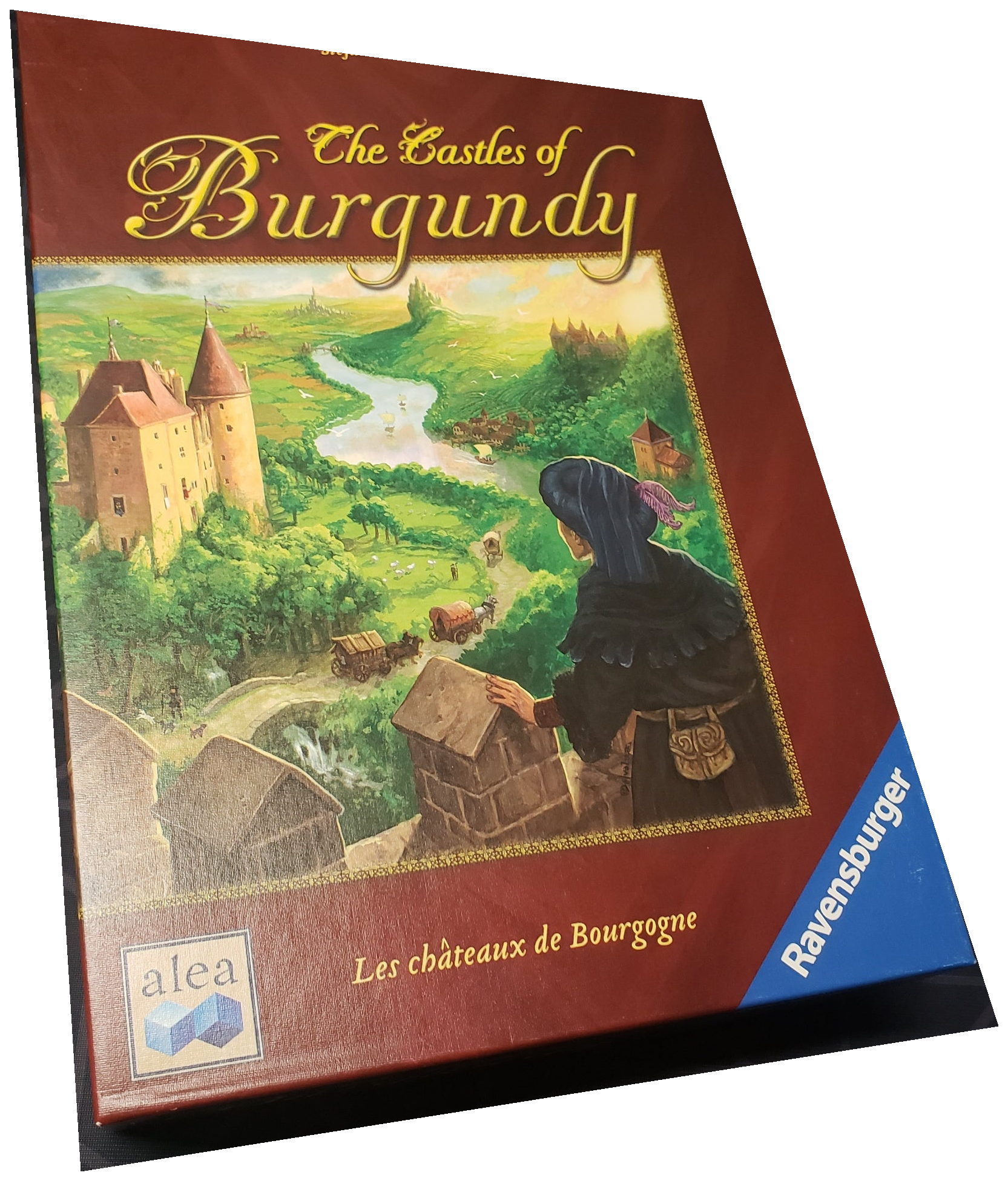
The Castles Of Burgundy
Why it made the listThe Castles of Burgundy makes two dice feel like a flexible action budget rather than a verdict. Each value can take or place a tile, sell goods, or gain workers that adjust future results, so the central pleasure is converting an awkward roll into a productive estate—especially in its superb two-player game.
8.1 rating 2–4 players 30–90 min 3.0/5 weightView game details -
02
2017
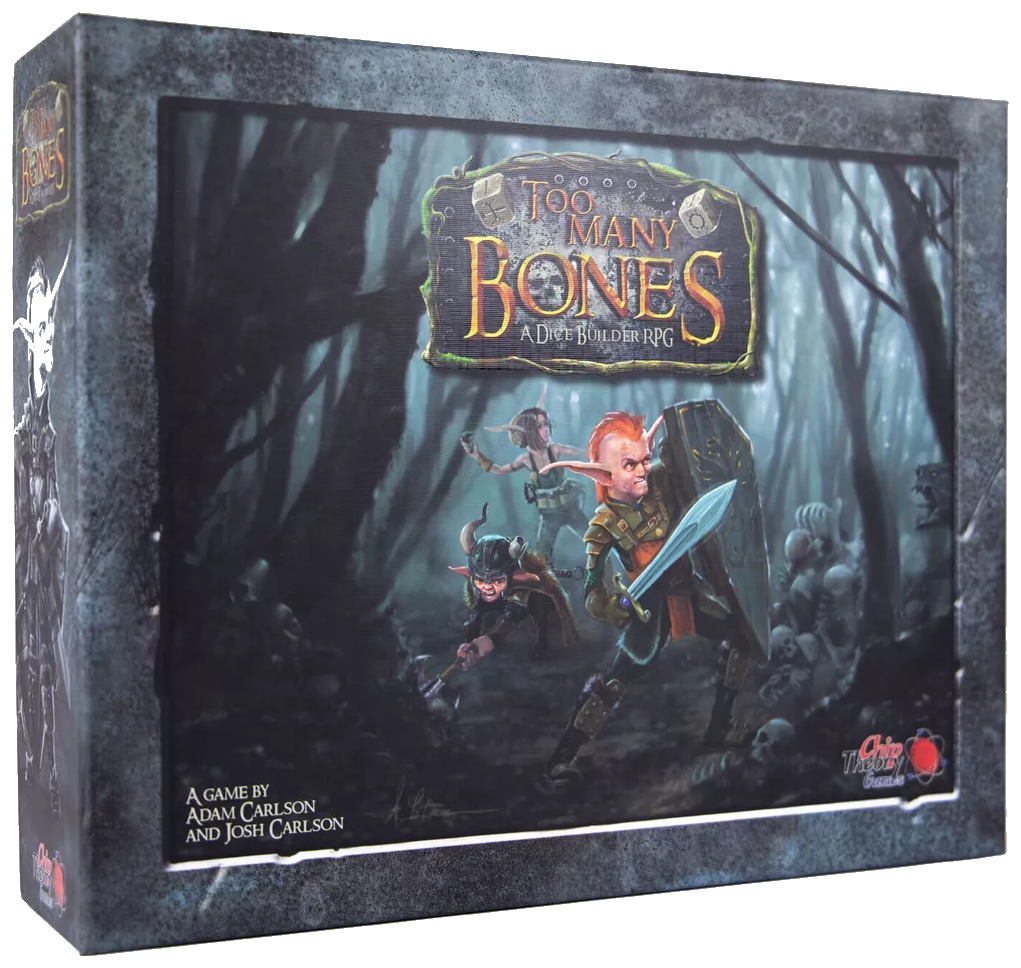
Too Many Bones
Why it made the listToo Many Bones builds each Gearloc from a distinctive set of custom skill dice. Players decide which abilities to train, when to exhaust limited dice, and how to position against enemies on a tiny battle mat, making the growing pool a character sheet, tactical toolkit, and source of uncertainty at once.
8.4 rating 1–4 players 60–120 min 3.9/5 weightView game details -
03

Board game
Grand Austria Hotel
Why it made the listGrand Austria Hotel rolls a shared supply and groups dice by value, making every draft shrink the strength of that action for later players. Choosing guests, serving cafés, hiring staff, and preparing rooms creates satisfying chains, while order and turn structure make the game shine most clearly with two players.
7.9 rating 2–4 players 60–120 min 3.2/5 weightView game details -
04
2010
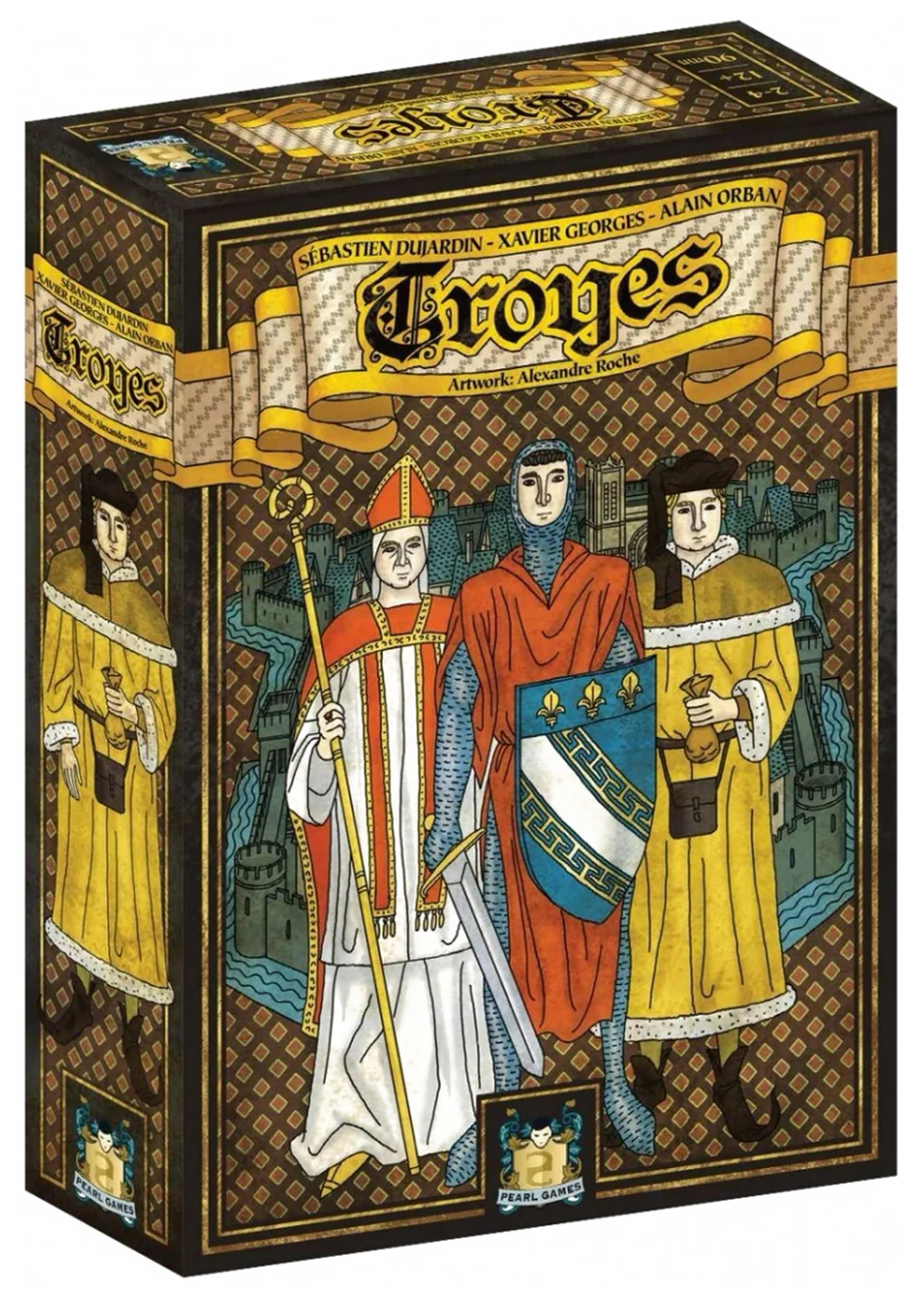
Troyes
Why it made the listTroyes treats dice as workers whose colour, value, and owner are all negotiable constraints. Players buy rivals’ dice, combine values to activate city cards, fight events, and pursue hidden scoring, producing unusually interactive dice allocation where a strong roll can become someone else’s opportunity.
7.7 rating 1–4 players 3.5/5 weightView game details -
05
2014
Roll For The Galaxy
Why it made the listRoll for the Galaxy hides custom dice behind screens, then uses selected phases to determine which actions the whole table may perform. Faces represent settlers, developers, producers, and shippers, while reassignment powers reduce helplessness; simultaneous resolution turns a large dice pool into a brisk space engine.
7.6 rating 2–5 players 2.8/5 weightView game details -
06
2017
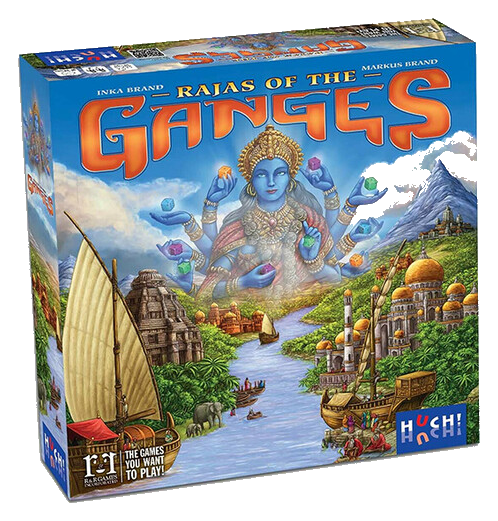
Rajas Of The Ganges
Why it made the listRajas of the Ganges uses coloured dice as spendable workers rather than results that resolve immediately. Values buy province tiles, move boats, visit markets, and advance palace actions, while money and fame race toward one another, giving every drafted and modified die a visible strategic purpose.
7.7 rating 2–4 players 45–75 min 2.9/5 weightView game details -
07
2017
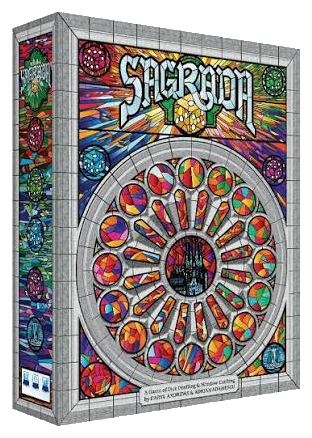
Sagrada
Why it made the listSagrada makes a communal dice draft into a stained-glass puzzle. Colour and value restrictions shape each window, public objectives reward patterns, and tool cards rescue difficult placements at a cost; the roll creates variety, but reading the draft and preserving legal spaces determines whether the window survives.
7.5 rating 1–4 players 30–45 min 1.9/5 weightView game details -
08

2023
Sky Team
Why it made the listSky Team gives exactly two players a cockpit and four hidden dice each, then forbids discussion while they place them on shared controls. Matching values level the aircraft, sums set speed, and individual dice handle traffic, flaps, and landing gear, turning uncertainty into a compact exercise in trust and coordination.
8.2 rating 2–2 players 2.1/5 weightView game details -
09
2020
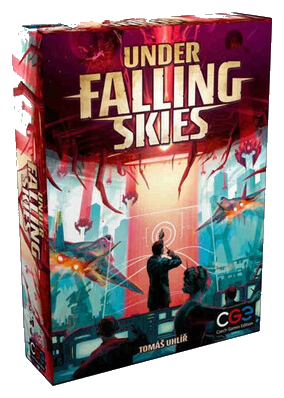
Under Falling Skies
Why it made the listUnder Falling Skies is a solo dice-placement defence in which higher results power stronger rooms but also pull enemy ships closer. Rerolls, robots, excavated spaces, and a modular campaign make every placement a risk calculation, ensuring the invaders respond directly to the power the player tries to generate.
7.7 rating 1–2 players 20–40 min 2.4/5 weightView game details -
10
2018
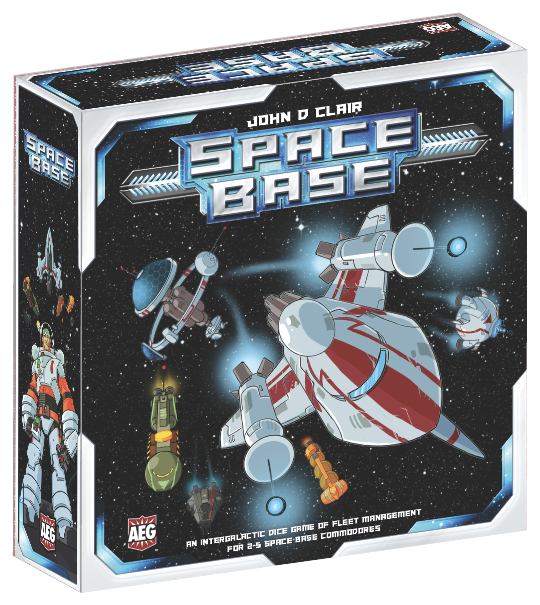
Space Base
Why it made the listSpace Base assigns every ship to a dice total and pays income from both the active player’s roll and opponents’ rolls. Upgrades move cards to stronger passive rewards, turning probability into an engine that stays involved on every turn; it works best when the table enjoys combo-building with a lively luck curve.
7.6 rating 2–5 players 2.1/5 weightView game details -
11
2017
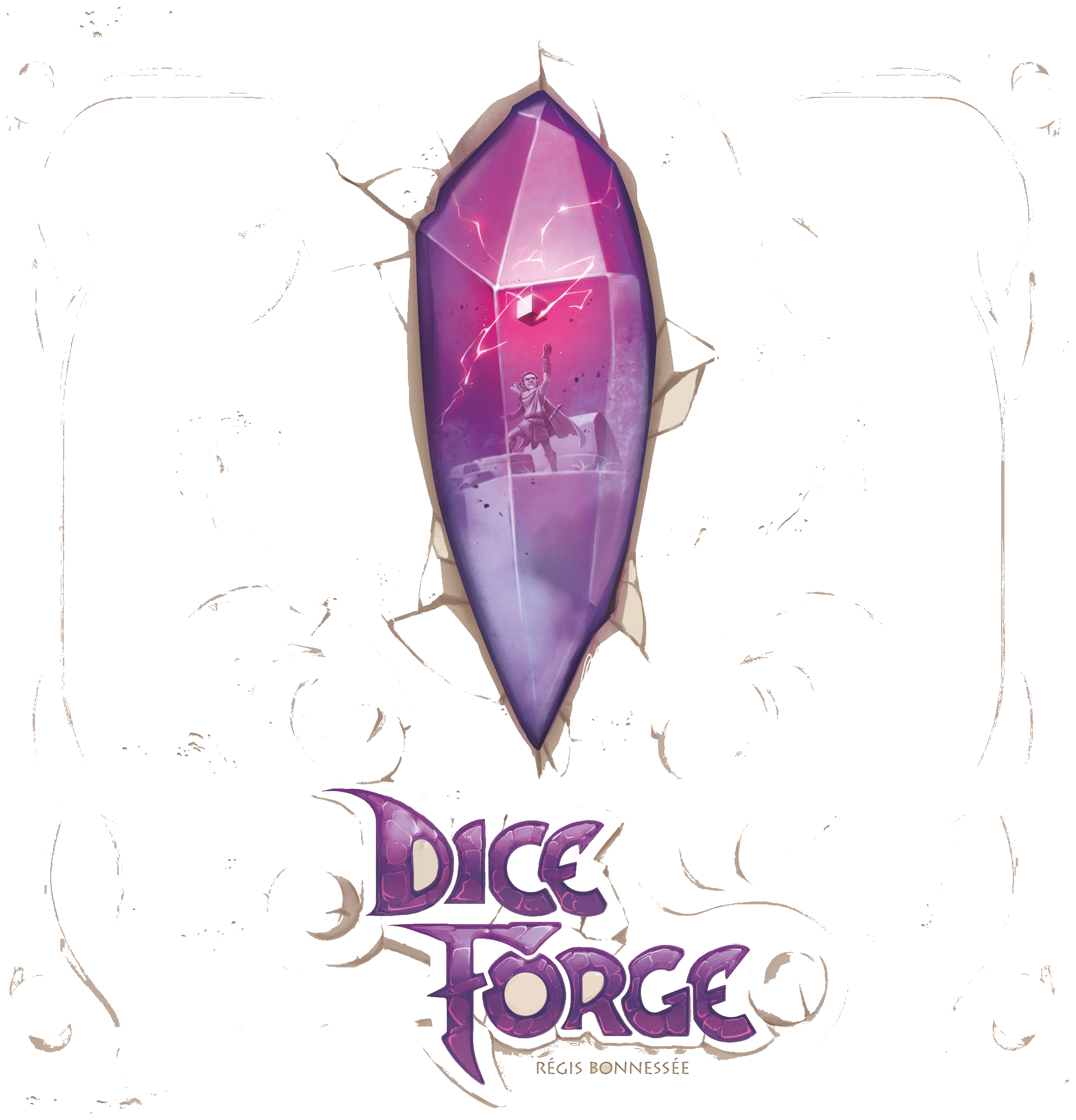
Dice Forge
Why it made the listDice Forge makes improvement literal: players remove faces from their dice and snap on stronger gold, moon, sun, or victory-point results. Everyone rolls on every turn, so forged faces pay back repeatedly, while purchasing cards competes with investing in the dice themselves across a fast, highly tactile engine race.
7.2 rating 2–4 players 2.0/5 weightView game details -
12
2021
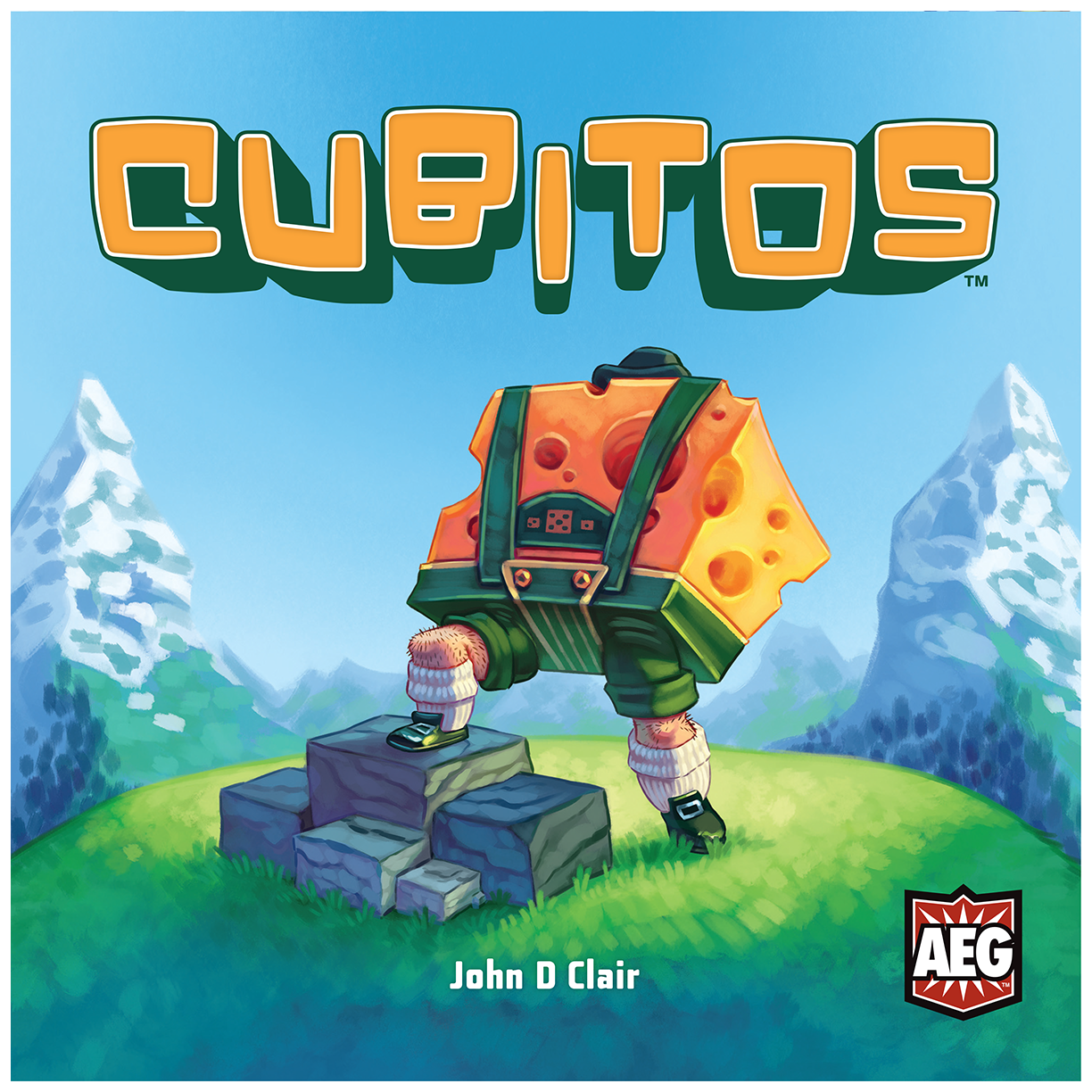
Cubitos
Why it made the listCubitos combines dice-pool construction with a push-your-luck race. Each custom die adds movement or an ability, but rolling too many blanks busts the turn; buying new dice, retiring weak ones, and exploiting changing power sets make probability management as important as choosing a route around the track.
7.4 rating 2–4 players 30–60 min 2.2/5 weightView game details -
13
2011
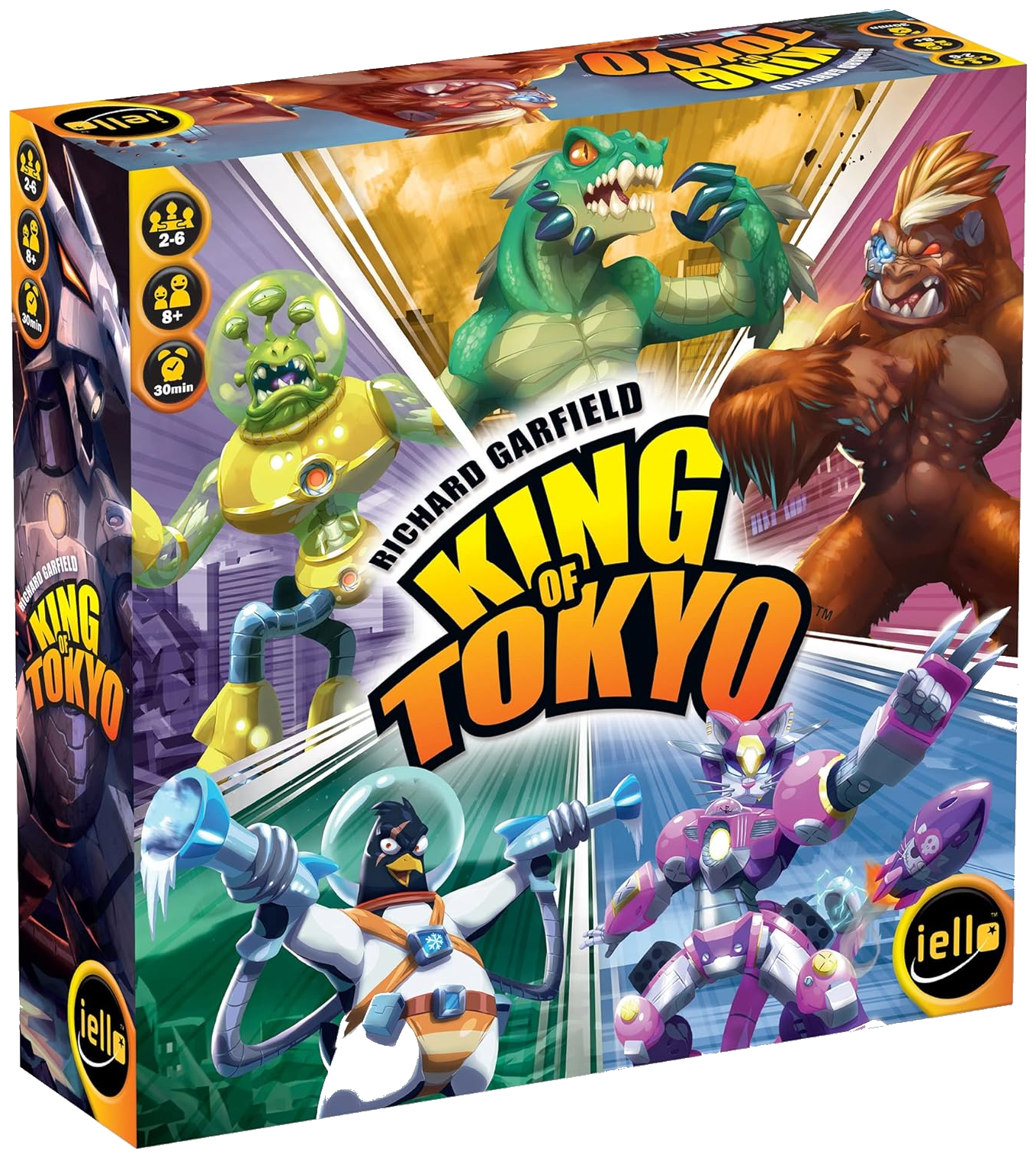
King Of Tokyo
Why it made the listKing of Tokyo distils Yahtzee-style reroll decisions into a monster brawl. Dice attack, heal, score, or buy powers, while occupying Tokyo earns points but prevents healing, creating a clear gamble between survival and dominance; its direct hits and quick turns suit families comfortable with player elimination.
7.1 rating 2–6 players 1.5/5 weightView game details -
14
2018
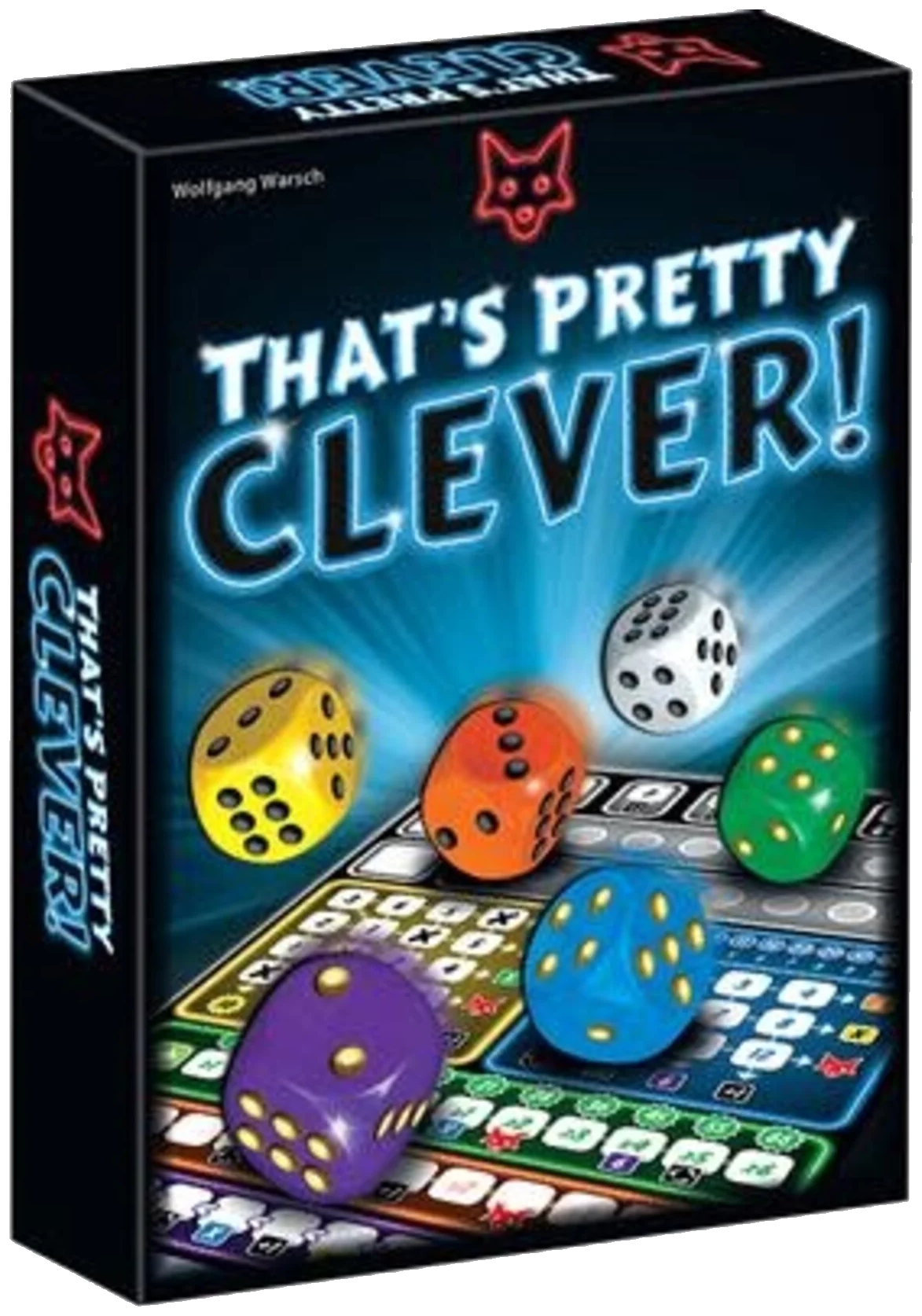
That's Pretty Clever!
Why it made the listThat’s Pretty Clever turns six coloured dice into a dense chain-reaction score sheet. The active player keeps three dice while lower results become available to opponents, and each scoring area triggers bonuses differently, creating a compact puzzle about timing, opportunity cost, and choosing which colour to neglect.
7.6 rating 1–4 players 1.9/5 weightView game details -
15
2010
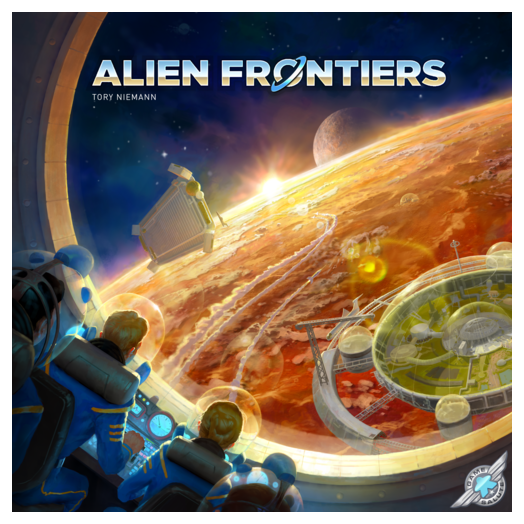
Alien Frontiers
Why it made the listAlien Frontiers uses rolled dice as spaceships whose values determine where they can dock. Pairs, triples, straights, and totals activate different orbital facilities, alien technologies manipulate results, and planetary territories add area control, making each roll a contested worker-placement hand rather than a private calculation.
7.4 rating 2–4 players 2.6/5 weightView game details -
16
2015
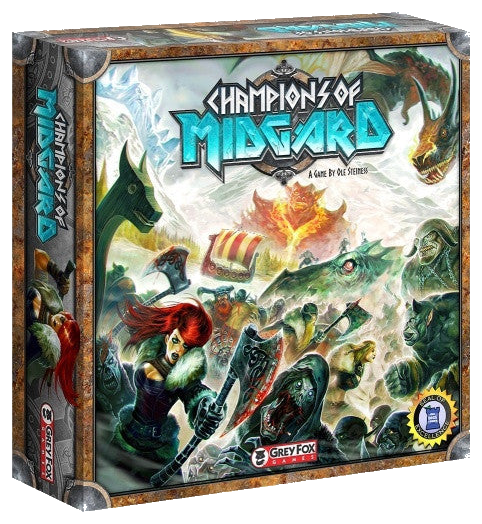
Champions Of Midgard
Why it made the listChampions of Midgard makes dice the warriors recruited through worker placement. Sword, spear, and axe faces interact differently with monsters, food and ships determine whether fighters arrive, and favour tokens soften disastrous rolls, producing an adventurous blend of preparation, probability, and heroic risk.
7.7 rating 2–4 players 60–90 min 2.6/5 weightView game details -
17

2018
Railroad Ink: Deep Blue Edition
Why it made the listRailroad Ink gives everyone the same four route dice and asks them to draw a connected transport network. Shared results remove luck between players, while exits, longest routes, central squares, and error penalties make spatial flexibility the skill; it scales effortlessly because all players draw simultaneously.
7.2 rating 1–6 players 20–30 min 1.5/5 weightView game details -
18
2022
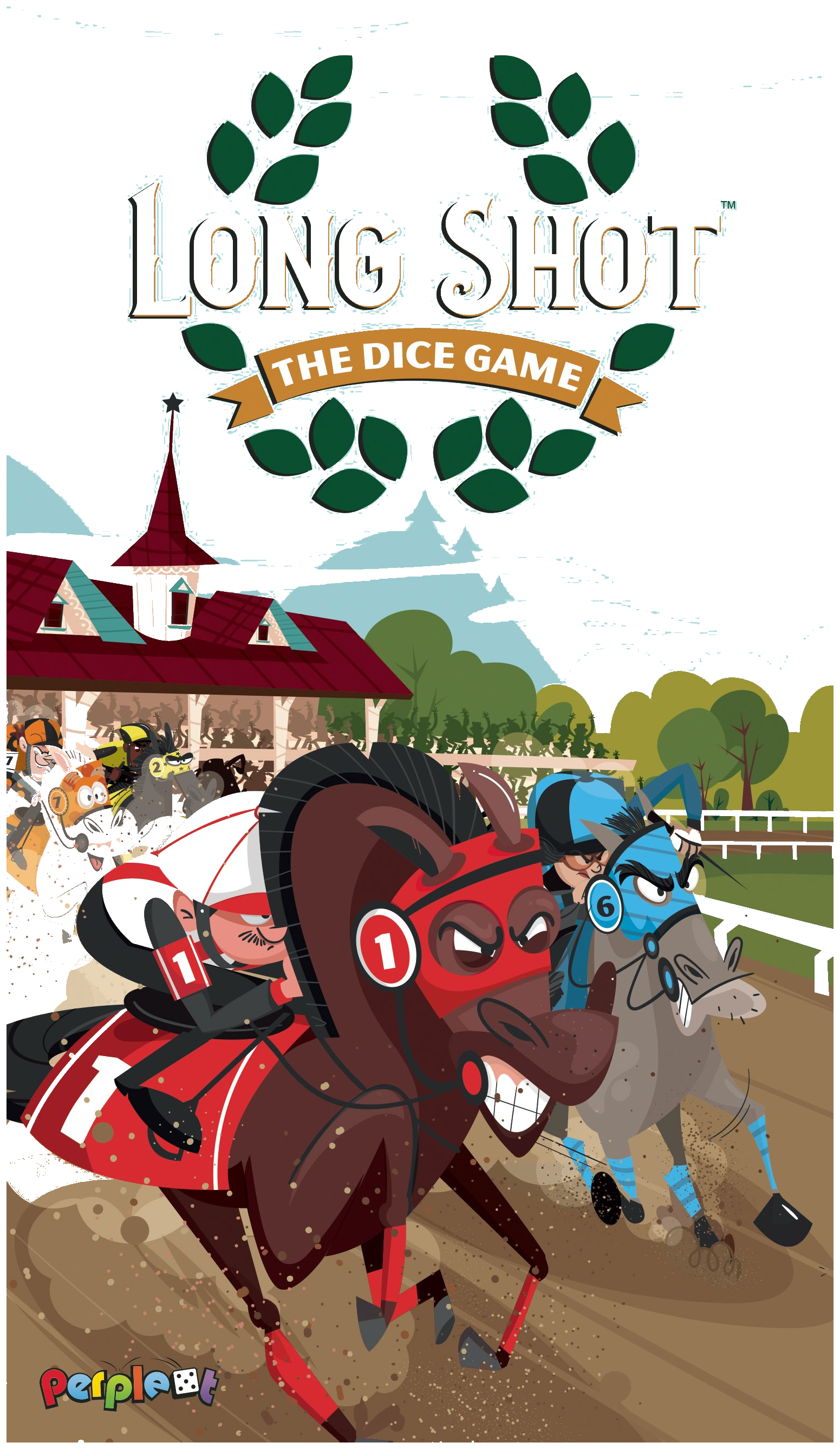
Long Shot: The Dice Game
Why it made the listLong Shot: The Dice Game turns one movement roll into decisions for the whole table. Players buy horses, mark concessions, place bets, and influence runners as odds change, so even a horse someone else owns can become central to a personal plan; simultaneous reactions keep the race social and fast.
7.7 rating 1–8 players 1.9/5 weightView game details -
19

1980
Can't Stop
Why it made the listCan’t Stop is the pure push-your-luck classic: pair four dice into two column totals, advance temporary markers, then decide whether to roll again before losing the turn’s progress. The bell-curve board makes common numbers longer and rare numbers shorter, revealing probability through immediate, agonising choices.
6.9 rating 2–4 players 1.2/5 weightView game details -
20
Board game
Las Vegas
Why it made the listLas Vegas asks players to roll all remaining dice and commit every die of one value to the matching casino. Majorities win banknotes, but tied leaders eliminate one another before payouts, making a tiny ruleset support tactical commitment, opportunistic interference, and loud reversals at larger player counts.
7.2 rating 2–5 players 1.2/5 weightView game details
Buying advice
What makes a strong pick?
Dice are most interesting when they present a problem instead of settling one automatically. A result might become an action, worker, ingredient, route, attack pattern, or public opportunity. These picks reward players for allocating, drafting, combining, modifying, or deliberately risking dice while preserving the tactile suspense that makes rolling them fun.
Who this list is for
Players who enjoy tactile components, probability, tactical adaptation, efficient action selection, shared suspense, or the challenge of making a useful plan from an imperfect roll.
What stands out
The list spans dice allocation, drafting, placement, construction, pool-building, roll-and-write, push-your-luck, racing, combat, solo defence, cooperation, and low-rules casino-style play.
What to consider
Randomness varies dramatically: some games offer workers, rerolls, modifiers, or many valid uses for every face, while others intentionally ask players to embrace a risky roll. Each note explains where control comes from and which player count best supports it.
Our methodology
How this guide is built
This is an editorial selection from games carrying the Dice Rolling mechanism. Ordering weighs how central and inventive the dice system is, the balance between uncertainty and agency, replayability, accessibility, interaction, critical reception, availability, and the different kind of dice experience each game contributes.
Ratings and rank are useful signals, not the whole recommendation. ABG keeps the URL stable and refreshes the ordering as its catalog evidence improves.
Questions, answered
About this list
How were the games on this list chosen?
This is an editorial selection from games carrying the Dice Rolling mechanism. Ordering weighs how central and inventive the dice system is, the balance between uncertainty and agency, replayability, accessibility, interaction, critical reception, availability, and the different kind of dice experience each game contributes.
Who is this list most useful for?
Players who enjoy tactile components, probability, tactical adaptation, efficient action selection, shared suspense, or the challenge of making a useful plan from an imperfect roll.
How often is this list updated?
ABG refreshes official lists as catalog rankings, ratings, specifications, and classifications improve. The URL stays stable when the order changes.