Best Deck-Building Board Games
Twenty games where every purchase changes the possibilities waiting in your next hand, bag, or pool.
The complete ranking
20 games to consider
Twenty editor-picked deck-building games, from pure card systems to inventive hybrids.
-
01
2016
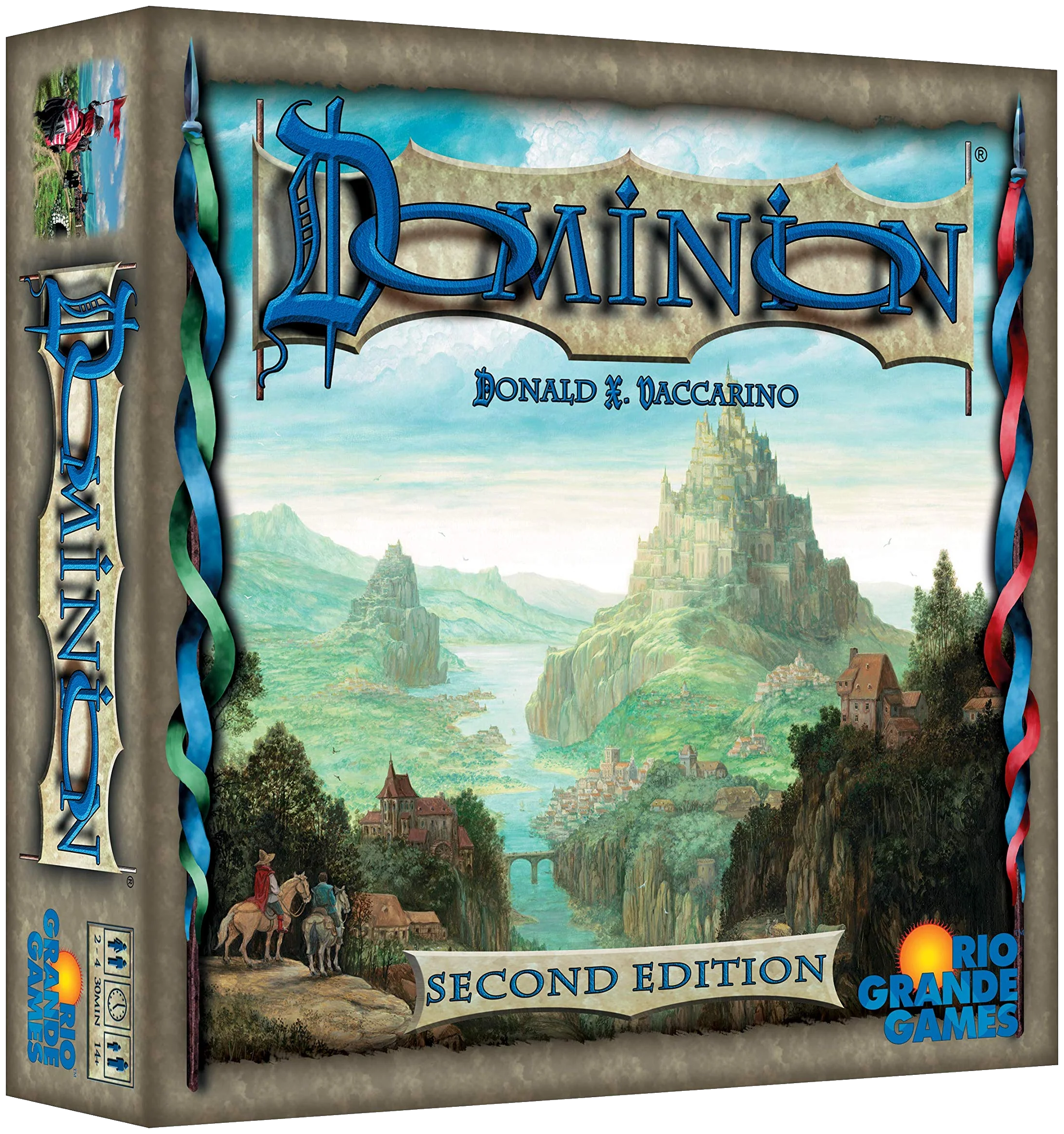
Dominion (second Edition)
Why it made the listDominion remains the clearest expression of deck-building: everyone begins with the same weak ten cards, then purchases from a shared kingdom to create an increasingly purposeful machine. The second edition improves the base set, while changing ten-card markets make combination discovery—not a fixed board—its enduring appeal.
7.9 rating 2–4 players 2.2/5 weightView game details -
02
2023
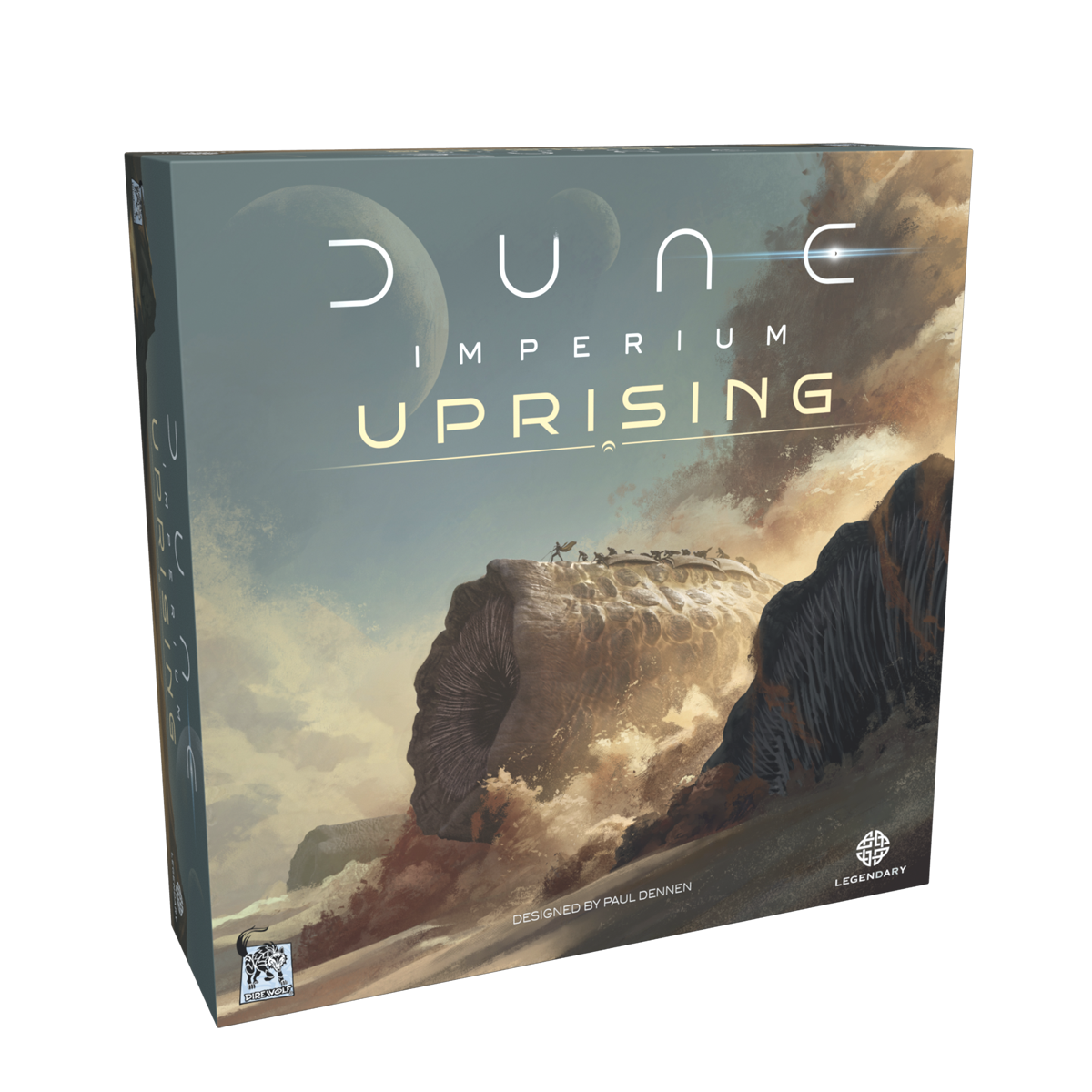
Dune: Imperium – Uprising
Why it made the listUprising makes deck-building consequential beyond a hand of card effects. Each card sends an agent to particular board spaces and later contributes to the reveal turn, so purchases reshape access, influence, combat strength, and timing; thinning and persuasion must support the political and military contest rather than become an isolated engine.
8.7 rating 1–6 players 60–120 min 3.5/5 weightView game details -
03
2022
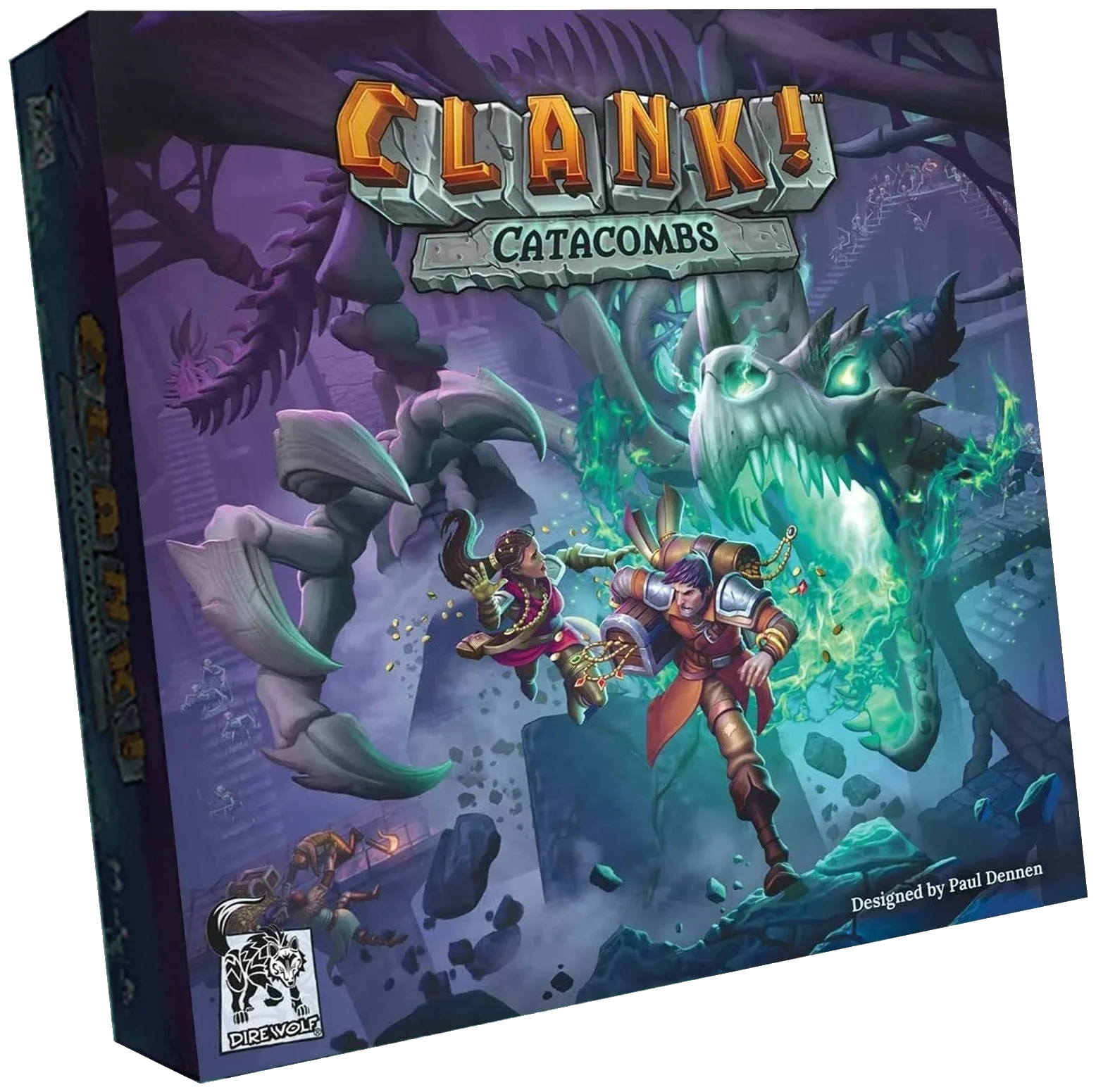
Clank!: Catacombs
Why it made the listClank! Catacombs connects every new card to a physical adventure: movement reaches artefacts, swords defeat monsters, boots escape danger, and noisy purchases add cubes to the dragon bag. A tile-built dungeon makes routes uncertain, so the deck must adapt to exploration instead of executing the same planned loop every game.
8.3 rating 2–4 players 45–90 min 2.5/5 weightView game details -
04
2017
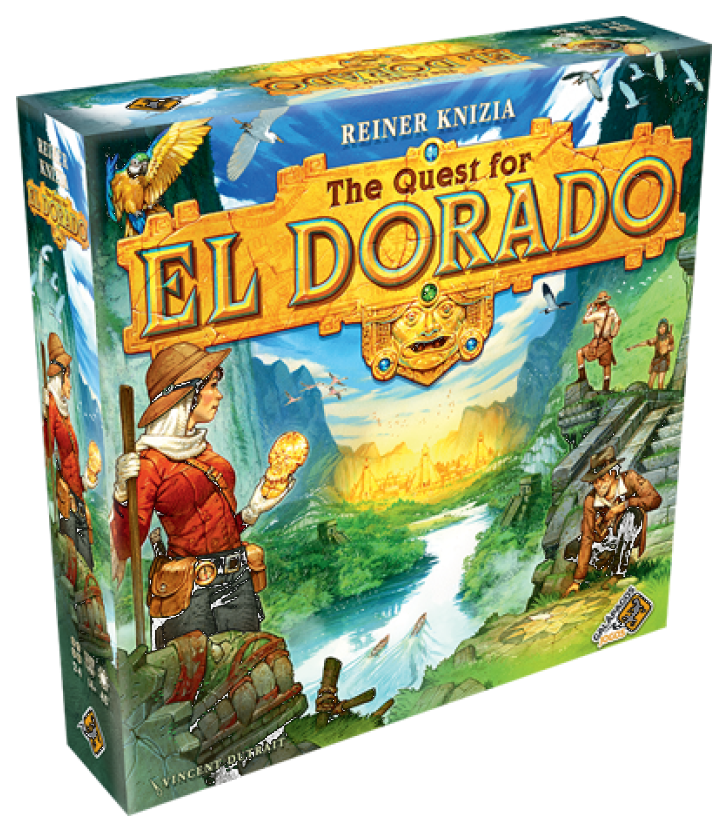
The Quest For El Dorado
Why it made the listThe Quest for El Dorado turns deck improvement into a race everyone can read on the table. Purchased explorers, sailors, and travel cards cross stronger terrain, while a small hand limit and narrow paths reward thinning, tempo, and tactical blocking; it is one of the best introductions to the mechanism without feeling disposable.
7.7 rating 2–4 players 30–60 min 1.9/5 weightView game details -
05
Board game
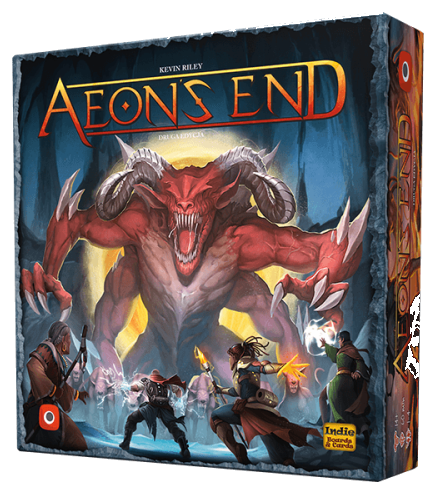
Aeon’s End
Why it made the listAeon’s End removes shuffling, letting players control the order in which discarded gems and spells return. That single change makes breach preparation, purchases, and support effects unusually deliberate, while a shared nemesis forces each mage’s developing deck to cover damage, economy, and defence for the whole team.
7.9 rating 1–4 players 2.8/5 weightView game details -
06
2014
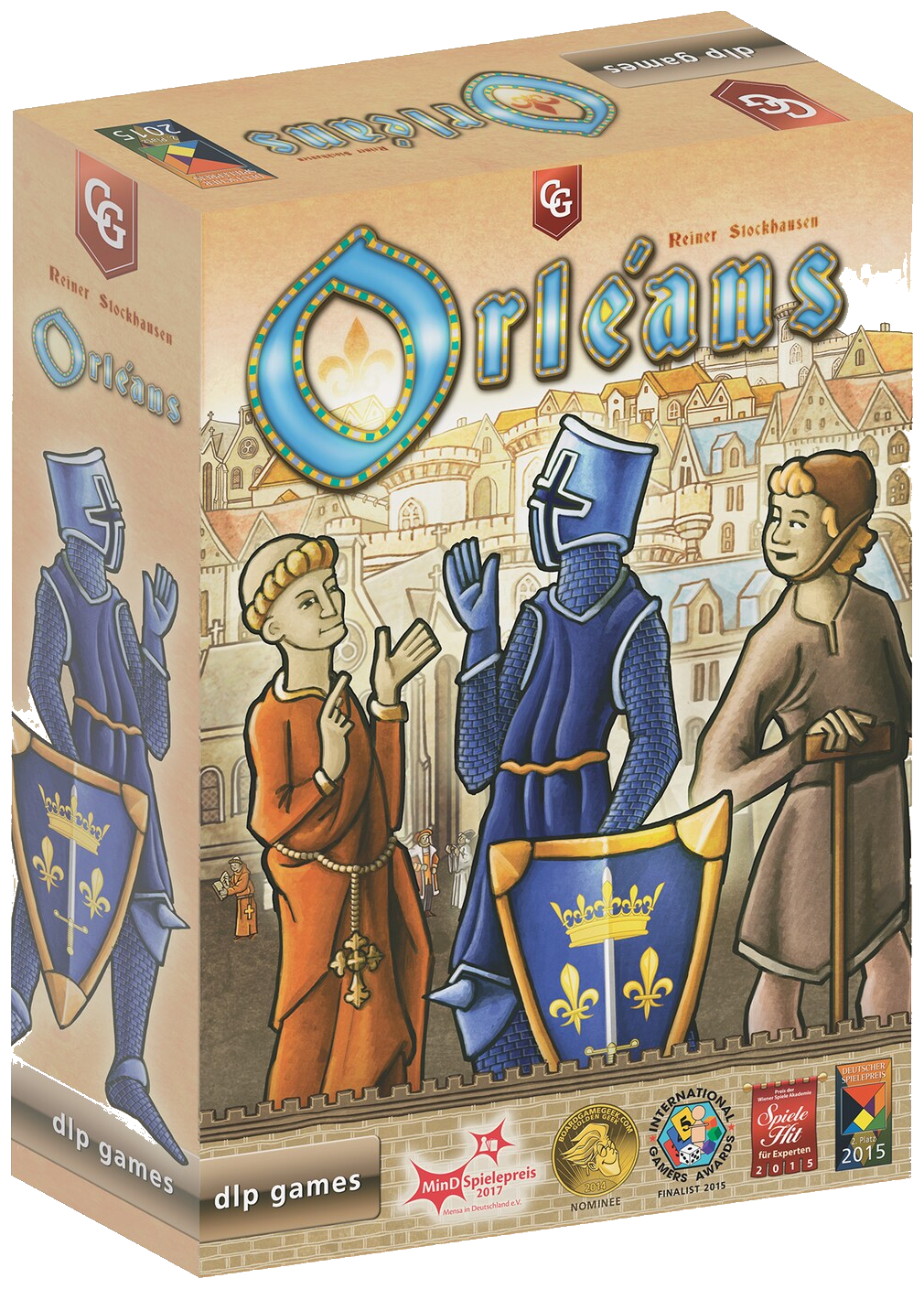
Orléans
Why it made the listOrléans replaces cards with character tokens drawn from a bag, then assigns combinations of farmers, scholars, knights, and traders to actions. Recruiting changes future draws, technology removes congestion, and sending followers to beneficial deeds thins the pool, producing a strategic bag-builder with a full geographic and economic game attached.
8.1 rating 2–4 players 3.0/5 weightView game details -
07

2019
Undaunted: Normandy
Why it made the listUndaunted: Normandy uses the deck as both command structure and unit health. Adding specialists expands tactical options, fog clogs future hands, and battlefield casualties remove matching cards, so movement, suppression, control, and deck management become one tense two-player system rather than separate layers.
7.8 rating 2–2 players 45–60 min 2.3/5 weightView game details -
08
2018
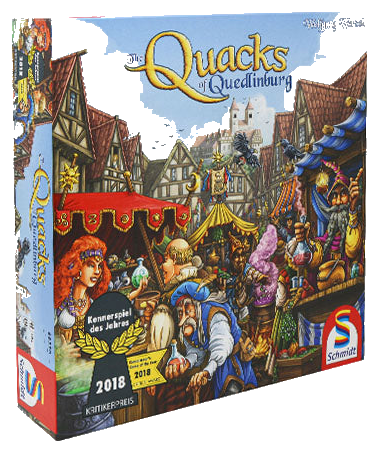
The Quacks Of Quedlinburg
Why it made the listQuacks of Quedlinburg turns bag-building into push-your-luck theatre. Every purchased ingredient changes the odds and powers available in later rounds, but drawing one more chip may explode the pot; simultaneous play, varied ingredient books, and catch-up droplets make probability tangible without slowing the table into calculation.
7.8 rating 2–4 players 2.0/5 weightView game details -
09
2020
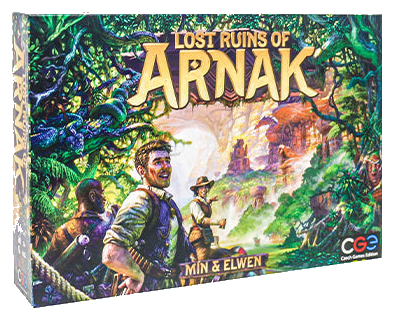
Lost Ruins Of Arnak
Why it made the listLost Ruins of Arnak keeps its deck small and asks every acquired card to serve an expedition. Items strengthen future rounds, artefacts fire immediately at a resource cost, and cards also power travel, linking deck growth to worker placement, research, guardians, and site discovery across a deliberately tight five-round arc.
8.1 rating 1–4 players 30–120 min 2.9/5 weightView game details -
10
2016
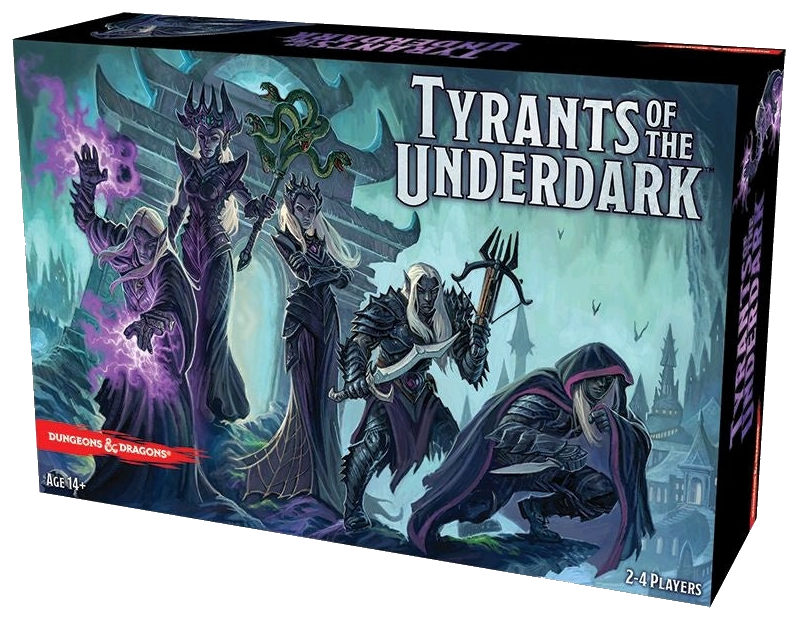
Tyrants Of The Underdark
Why it made the listTyrants of the Underdark makes purchased cards command armies on a contested map. Faction combinations encourage different synergies, promoted cards score after leaving the deck, and controlling or assassinating pieces creates immediate interaction, giving deck-building a sharper spatial purpose than simply racing along a private score track.
7.9 rating 2–4 players 2.6/5 weightView game details -
11
Board game
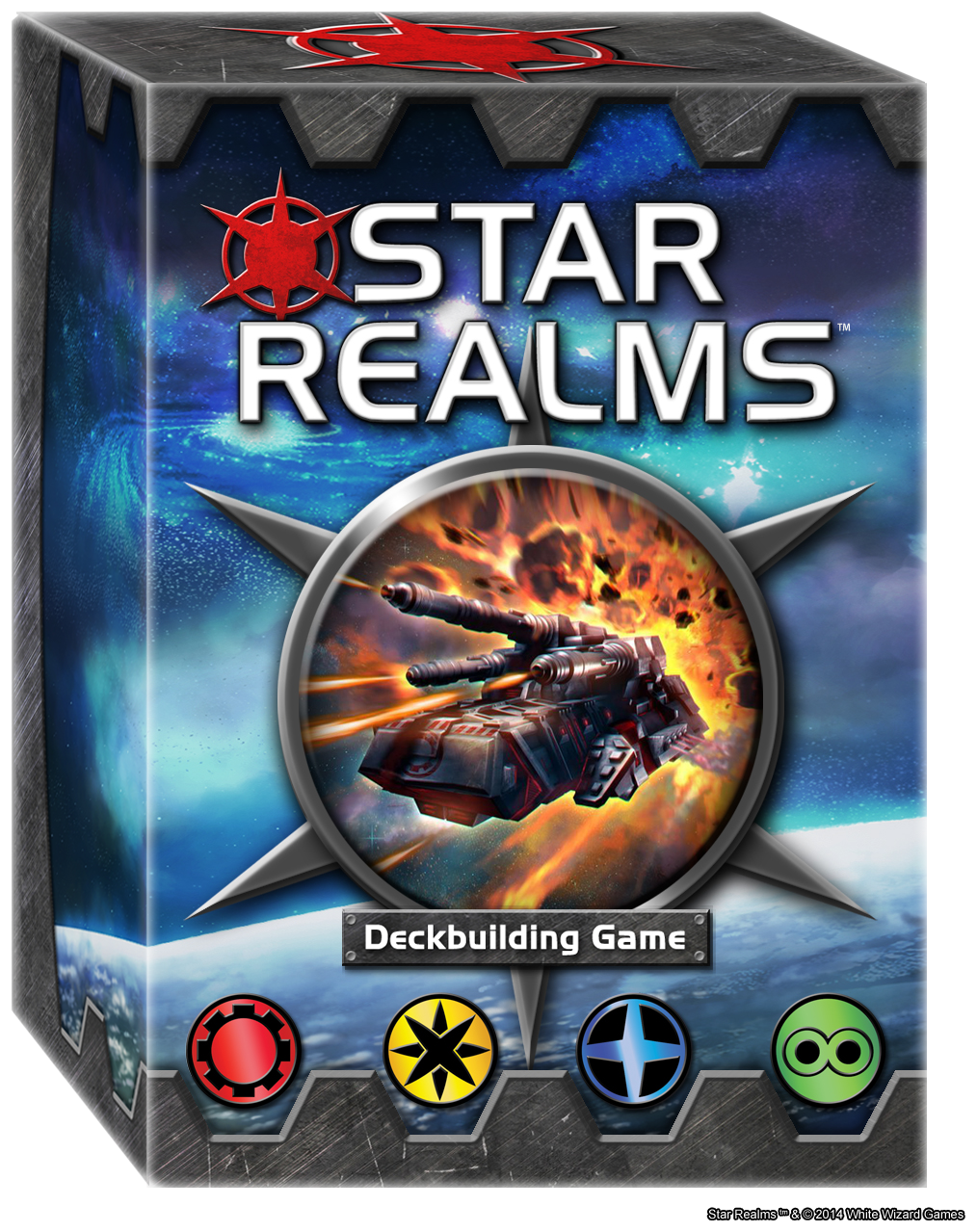
Star Realms
Why it made the listStar Realms compresses market-row deck-building into a fast head-to-head fight. Ships from the same faction trigger ally powers, bases persist between turns, and scrapping weak cards sharpens later hands, so the trade row continually asks whether immediate damage, economy, defence, or long-term consistency matters most.
7.6 rating 2–2 players 1.9/5 weightView game details -
12
2011
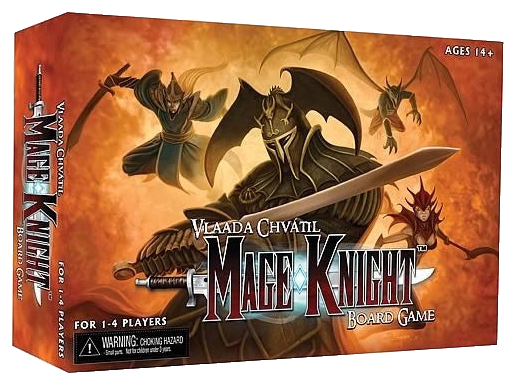
Mage Knight Board Game
Why it made the listMage Knight uses deck growth to express an entire fantasy campaign. Advanced actions, spells, artefacts, wounds, and recruited units alter how a hero moves, fights, influences, and conquers, while cards can be played sideways for weaker effects; the result is demanding but exceptionally rich solo or cooperative hand optimisation.
8.1 rating 1–4 players 60–240 min 4.4/5 weightView game details -
13
Board game
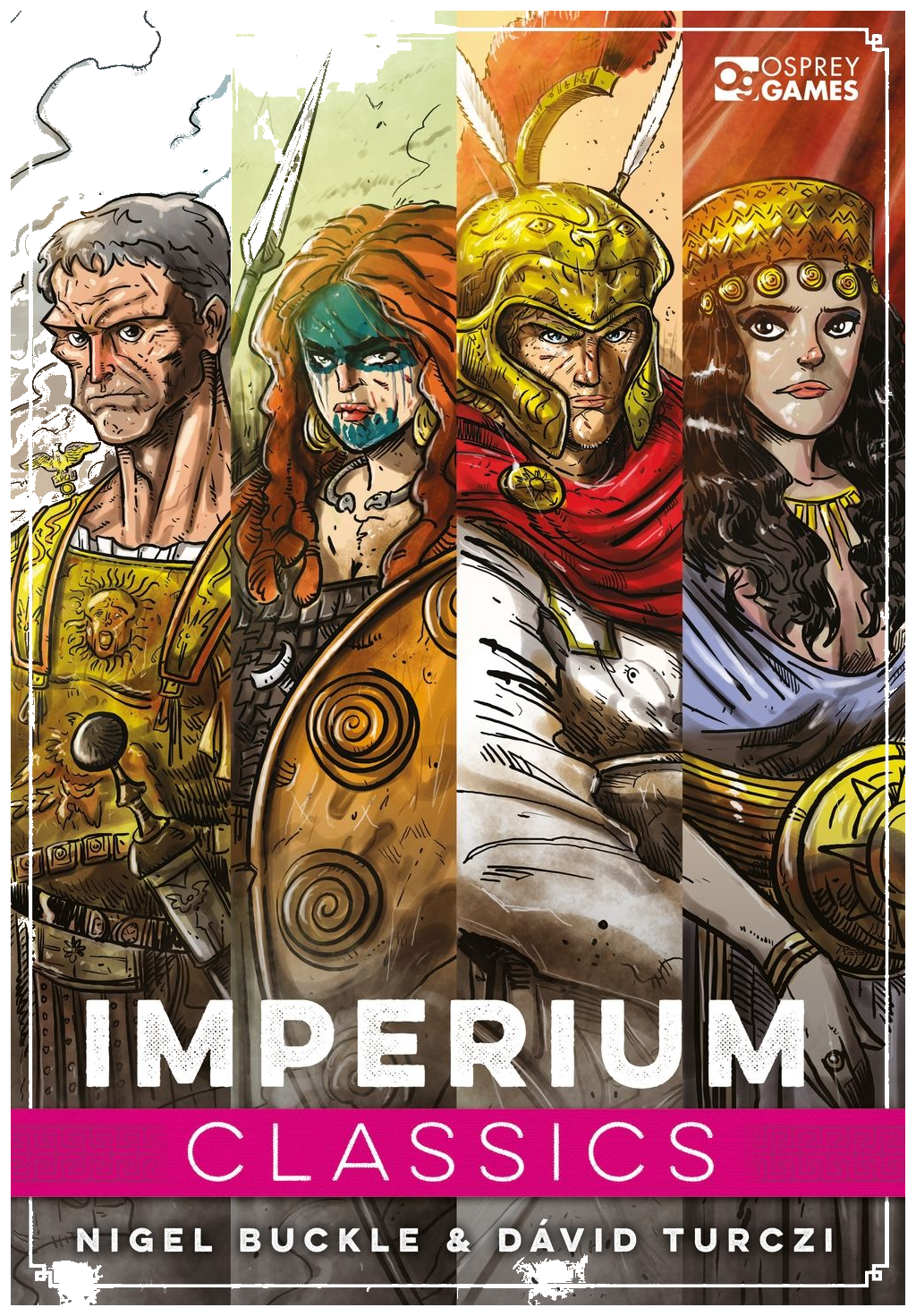
Imperium: Classics
Why it made the listImperium: Classics turns deck-building into asymmetric civilization development. Nations begin with different cards, acquire from a shared market, cycle through unrest, and eventually replace barbarian foundations with imperial systems, making deck composition reflect historical identity and a long-term transition rather than a generic efficiency race.
7.7 rating 1–4 players 60–120 min 3.6/5 weightView game details -
14
2014
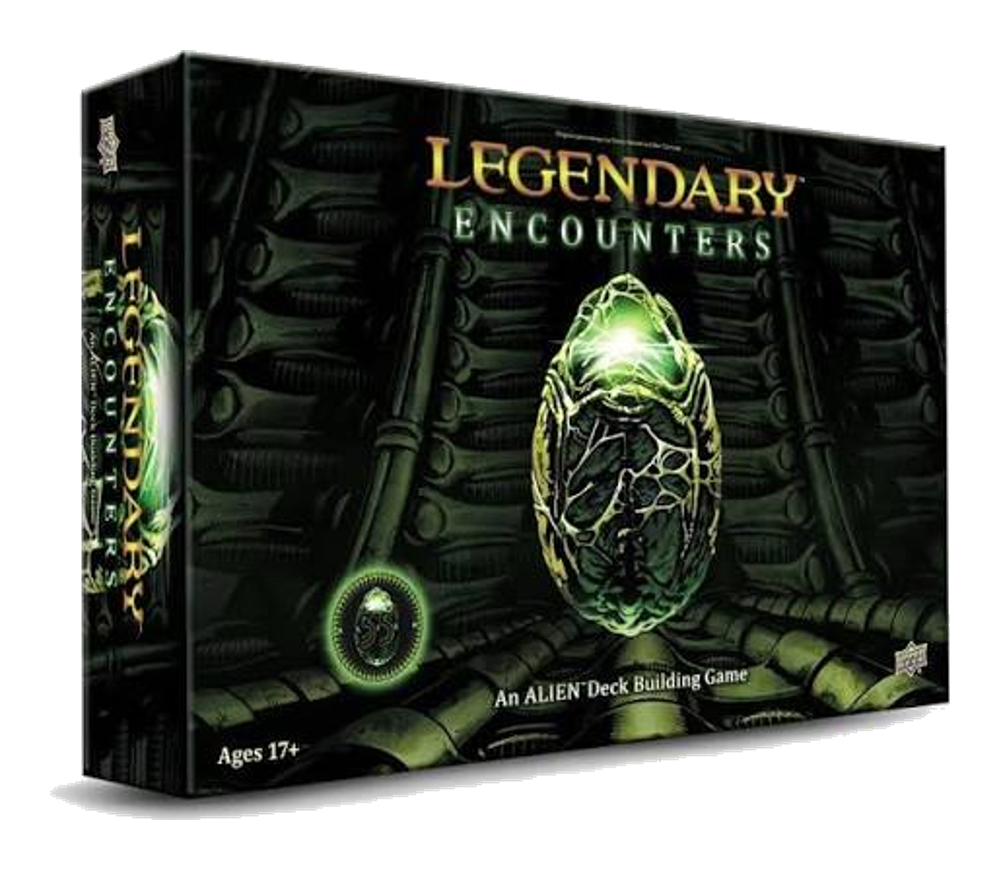
Legendary Encounters: An Alien Deck Building Game
Why it made the listLegendary Encounters: Alien uses a shared deck-building system to sustain cinematic cooperative dread. Players scan hidden corridor cards, recruit character abilities, combine class icons, and fight enemies that can attach to the crew, while objectives from different films create scenarios whose pressure changes what a safe purchase looks like.
7.8 rating 1–5 players 30–60 min 2.7/5 weightView game details -
15
2021
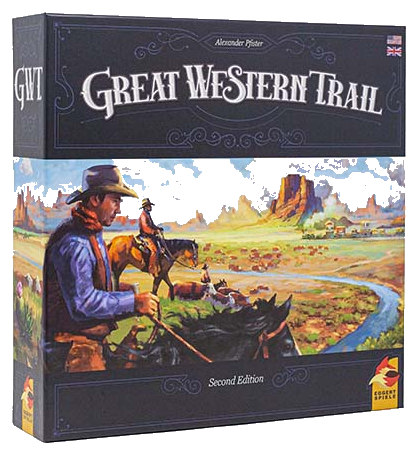
Great Western Trail: Second Edition
Why it made the listGreat Western Trail treats cattle cards as a deck that must deliver valuable, varied hands to Kansas City. Buying better breeds, removing weak cows, and timing draws supports a broader route of buildings, hazards, workers, and rail movement, showing how deck-building can quietly drive a strategic board game without dominating every action.
8.4 rating 1–4 players 75–150 min 3.7/5 weightView game details -
16
2022
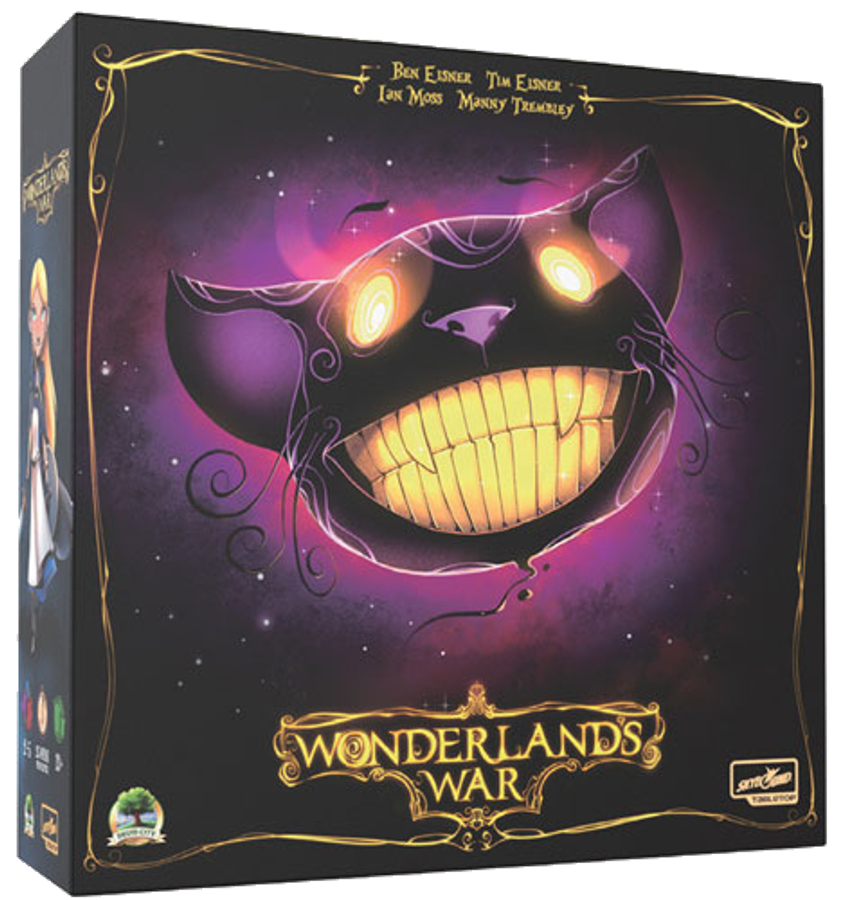
Wonderland's War
Why it made the listWonderland’s War combines bag-building with asymmetric area control. Tea-party drafting adds faction chips and abilities, then each battle pulls supporters from the bag until a player stops or madness overwhelms them; improving probabilities matters, but reading rivals and choosing where to risk that pool matters just as much.
8.1 rating 2–5 players 45–125 min 3.0/5 weightView game details -
17
2023
Star Wars: The Deckbuilding Game
Why it made the listStar Wars: The Deckbuilding Game adapts the mechanism to a direct two-player duel. Players can purchase their own faction’s cards or attack enemy cards in the shared galaxy row, while bases create changing objectives, giving market denial and immediate tactical pressure a stronger role than in many competitive deck-builders.
7.9 rating 2–2 players 2.0/5 weightView game details -
18
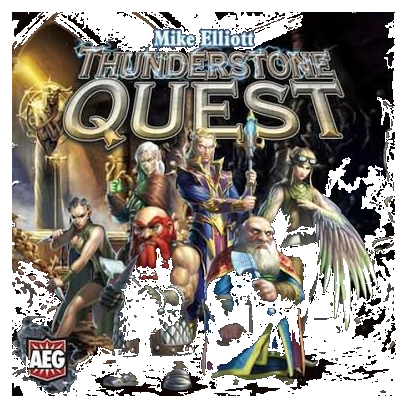
2018
Thunderstone Quest
Why it made the listThunderstone Quest separates a village market from a dungeon crawl, asking players to build hands that can buy useful cards and still defeat increasingly difficult monsters. Light, weapons, heroes, wounds, and room effects make the deck an adventuring party whose balance must change as the dungeon develops.
7.8 rating 2–4 players 60–90 min 2.8/5 weightView game details -
19
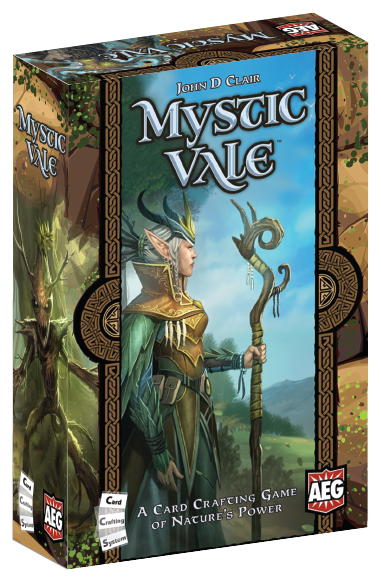
2016
Mystic Vale
Why it made the listMystic Vale replaces buying whole cards with sliding transparent advancements into sleeved cards. Players craft stronger combinations without increasing deck size, then push their luck when drawing cursed symbols; the card-crafting system makes improvement visibly modular and gives familiar deck-building rhythms a distinct puzzle.
7.3 rating 2–4 players 2.3/5 weightView game details -
20

2020
Warp's Edge
Why it made the listWarp’s Edge is a purpose-built solo bag-builder in which a small fighter repeatedly assaults a huge mothership. New skill and weapon tokens improve future draws, spent tokens time each warp, and enemy formations demand efficient targeting, creating a compact campaign arc that resets within a single session.
7.7 rating 1–2 players 30–45 min 2.4/5 weightView game details
Buying advice
What makes a strong pick?
Deck-building makes strategy physical: weak starting cards cycle back with new purchases, so earlier choices determine later hands. The best designs make acquisition, thinning, timing, and combination-building matter while giving the growing deck a clear purpose—winning a race, commanding a battlefield, surviving together, or building the most efficient engine.
Who this list is for
Players who enjoy discovering card combinations, improving an engine one purchase at a time, adapting to an uncertain draw, and feeling a strategy become more capable during a single session.
What stands out
The selection covers pure market deck-builders, races, cooperative defence, tactical war games, dungeon adventures, worker-placement hybrids, civilization systems, bag-building, card crafting, and push-your-luck.
What to consider
Deck-building during play is different from constructing a fixed deck before play. Also check market style, shuffling, direct attacks, setup, player count, and whether expansions are needed; those details change the experience more than the shared label suggests.
Our methodology
How this guide is built
This is an editorial selection from games using Deck, Bag, and Pool Building or Deck Construction taxonomy. The final order favours games whose deck or pool evolves during play, weighing how central that evolution is, market design, interaction, replayability, accessibility, critical reception, availability, and the distinct use each pick makes of the mechanism.
Ratings and rank are useful signals, not the whole recommendation. ABG keeps the URL stable and refreshes the ordering as its catalog evidence improves.
Questions, answered
About this list
How were the games on this list chosen?
This is an editorial selection from games using Deck, Bag, and Pool Building or Deck Construction taxonomy. The final order favours games whose deck or pool evolves during play, weighing how central that evolution is, market design, interaction, replayability, accessibility, critical reception, availability, and the distinct use each pick makes of the mechanism.
Who is this list most useful for?
Players who enjoy discovering card combinations, improving an engine one purchase at a time, adapting to an uncertain draw, and feeling a strategy become more capable during a single session.
How often is this list updated?
ABG refreshes official lists as catalog rankings, ratings, specifications, and classifications improve. The URL stays stable when the order changes.