Best Engine-Building Board Games
Twenty games where early investments become stronger actions, richer turns, and satisfying late-game momentum.
The complete ranking
20 games to consider
Twenty editor-picked engine-building games, from card tableaux to industrial networks.
-
01
2021
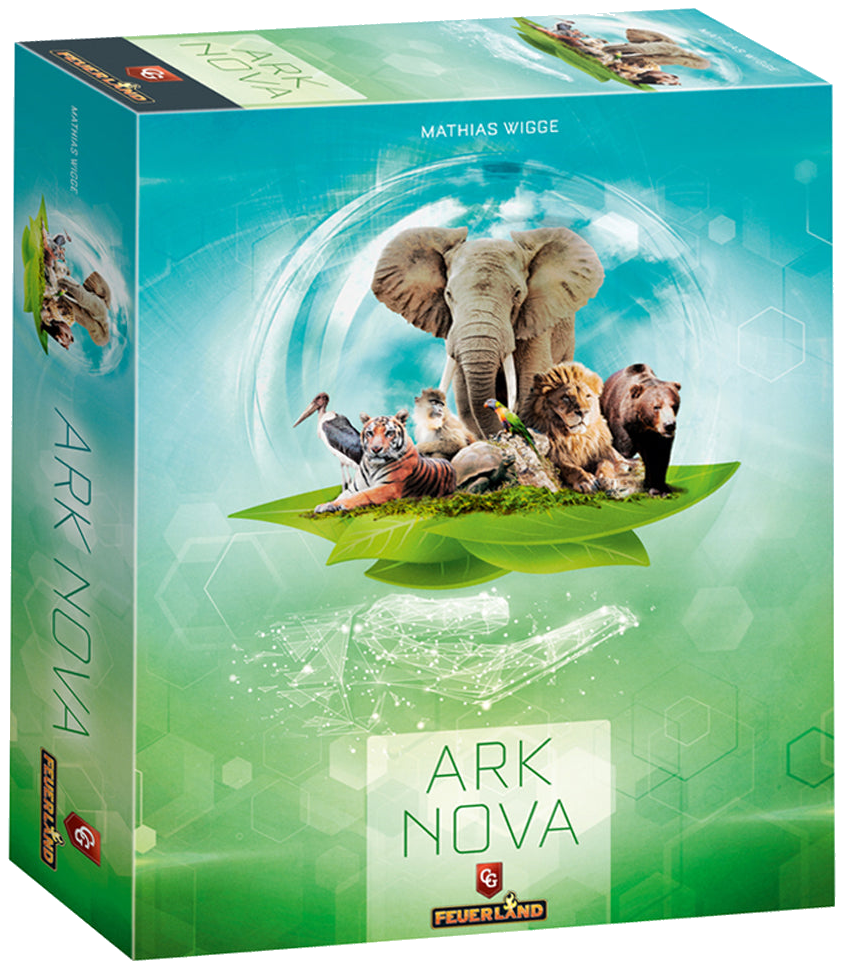
Ark Nova
Why it made the listArk Nova ties a large card tableau to an action row whose strength changes after every use. Sponsors, conservation projects, upgraded actions, partner zoos, universities, and animal tags create overlapping efficiencies, while the converging appeal and conservation tracks ensure the zoo engine must eventually convert growth into a finish.
8.5 rating 1–4 players 90–150 min 3.7/5 weightView game details -
02
2007
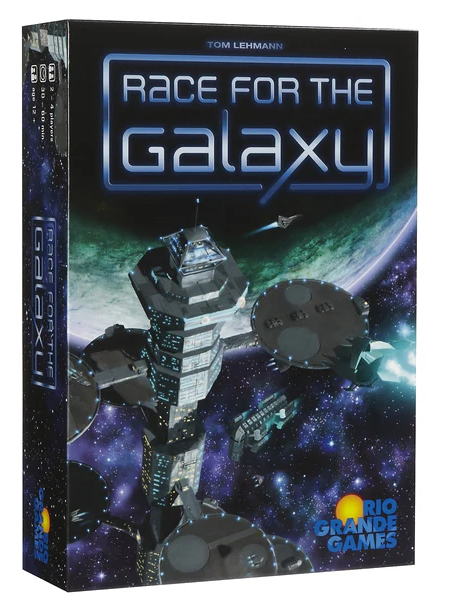
Race For The Galaxy
Why it made the listRace for the Galaxy is the concentrated card-engine classic. Every card can become a world, development, or payment, chosen phases let rivals piggyback on actions, and production-consumption loops can explode quickly, rewarding players who read icon combinations and know when to stop building and start scoring.
7.7 rating 2–4 players 30–60 min 3.0/5 weightView game details -
03
Board game
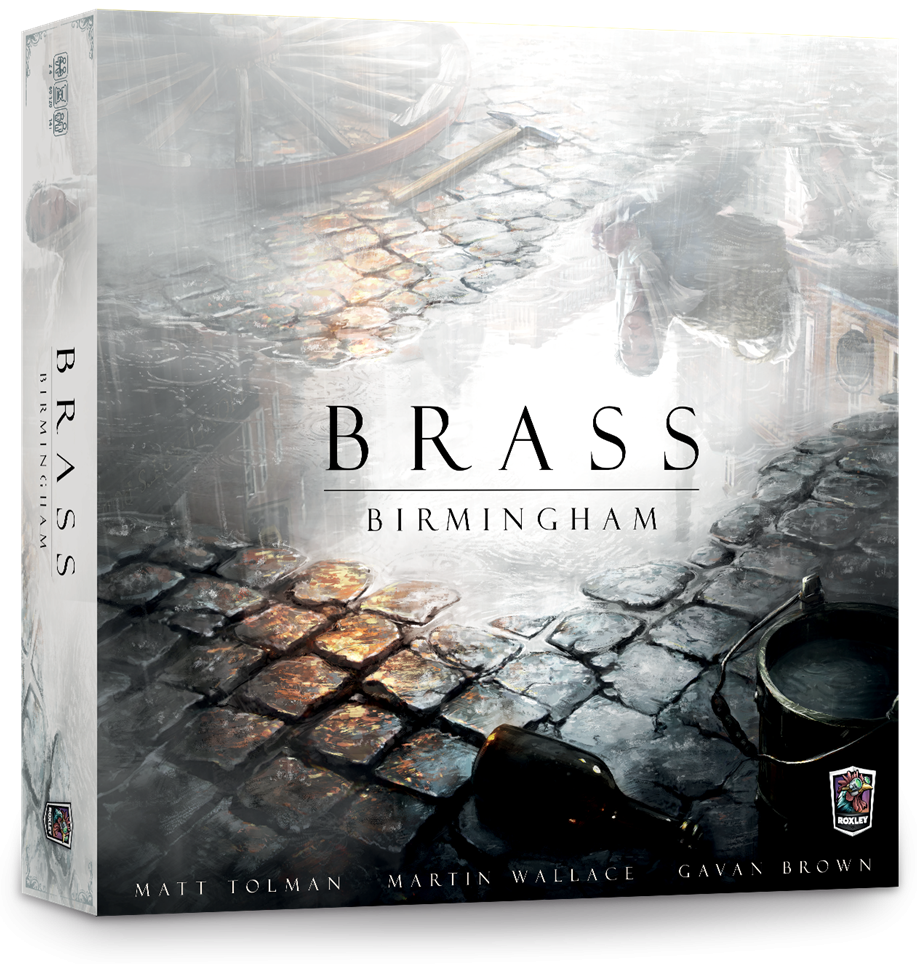
Brass: Birmingham
Why it made the listBrass: Birmingham makes engine building public and interdependent. Coal, iron, beer, canals, and rails form a network rivals may use, flipped industries generate income and points, and the canal-era reset removes obsolete infrastructure, forcing players to rebuild while profiting from demand they do not fully control.
8.6 rating 2–4 players 60–120 min 3.9/5 weightView game details -
04
2017
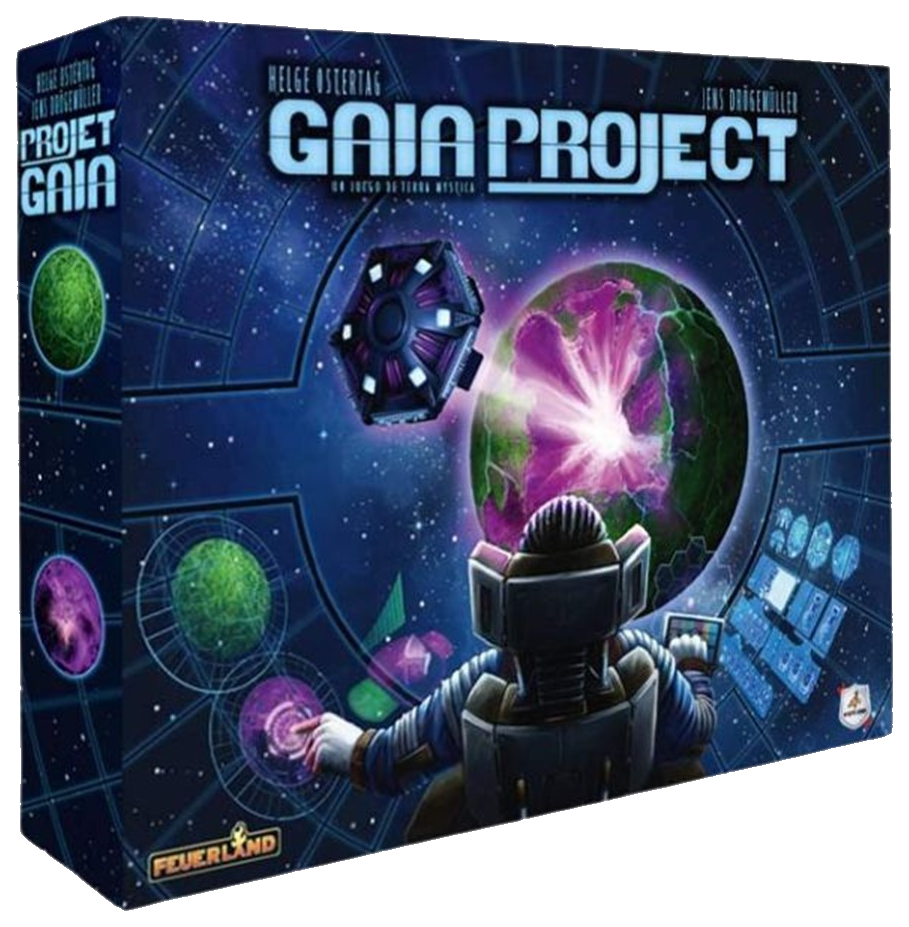
Gaia Project
Why it made the listGaia Project develops each faction across planetary range, terraforming, resource cycles, federation networks, and six technology tracks. Income arrives through a deliberately tight power economy, while round goals and neighbouring opponents continually change which upgrade will compound most effectively.
8.4 rating 1–4 players 60–150 min 4.4/5 weightView game details -
05
2015
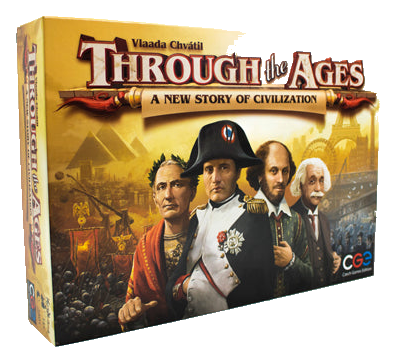
Through The Ages: A New Story Of Civilization
Why it made the listThrough the Ages turns civilization into a long card-driven production engine. Farms feed population, mines fund buildings and wonders, science unlocks better technologies, and military strength protects the whole system, so every increase creates another demand that must be balanced across several eras.
8.3 rating 2–4 players 4.4/5 weightView game details -
06
2018
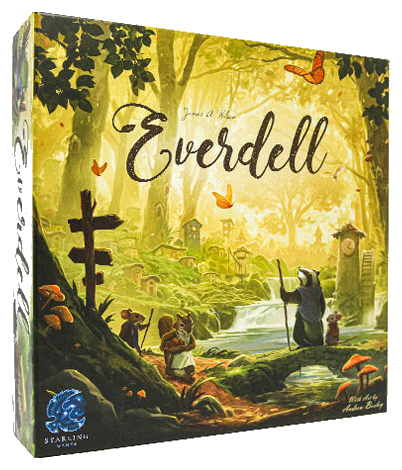
Everdell
Why it made the listEverdell is the welcoming tableau choice: construction cards can play their matching critter free, production cards fire across seasons, and a strict fifteen-card city rewards planned relationships. Worker placement supplies resources, but the real satisfaction is watching a small woodland settlement become a web of discounts and triggers.
8.0 rating 1–4 players 40–80 min 2.8/5 weightView game details -
07
2015
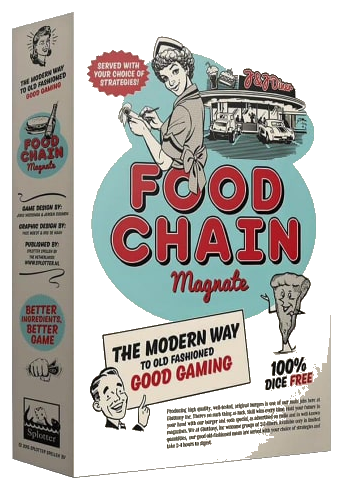
Food Chain Magnate
Why it made the listFood Chain Magnate makes the organisation chart the engine. Recruiting and training employees expands future actions, marketing creates demand, and restaurants compete to fulfil it, with no random catch-up to disguise an early structural mistake; it is interactive, unforgiving, and brilliant with players ready to learn its economy together.
8.1 rating 2–5 players 120–240 min 4.2/5 weightView game details -
08
2018
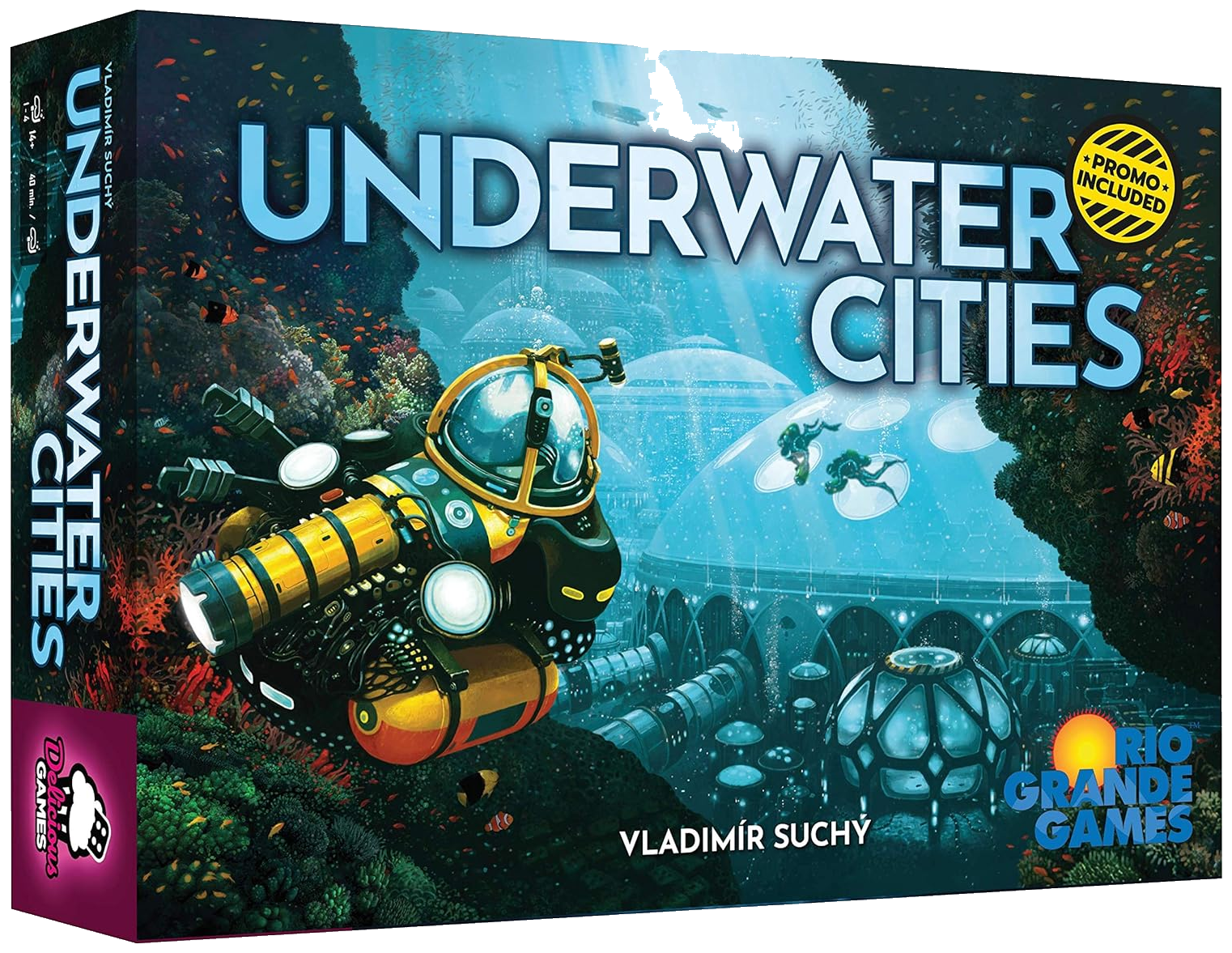
Underwater Cities
Why it made the listUnderwater Cities pairs action spaces with coloured cards: match the colour to gain both effects, or accept inefficiency for a needed action. Cities, tunnels, farms, laboratories, and desalination plants pay across production phases, creating a long strategic arc in which placement and tableau must develop as one system.
8.1 rating 1–4 players 80–150 min 3.6/5 weightView game details -
09
2019
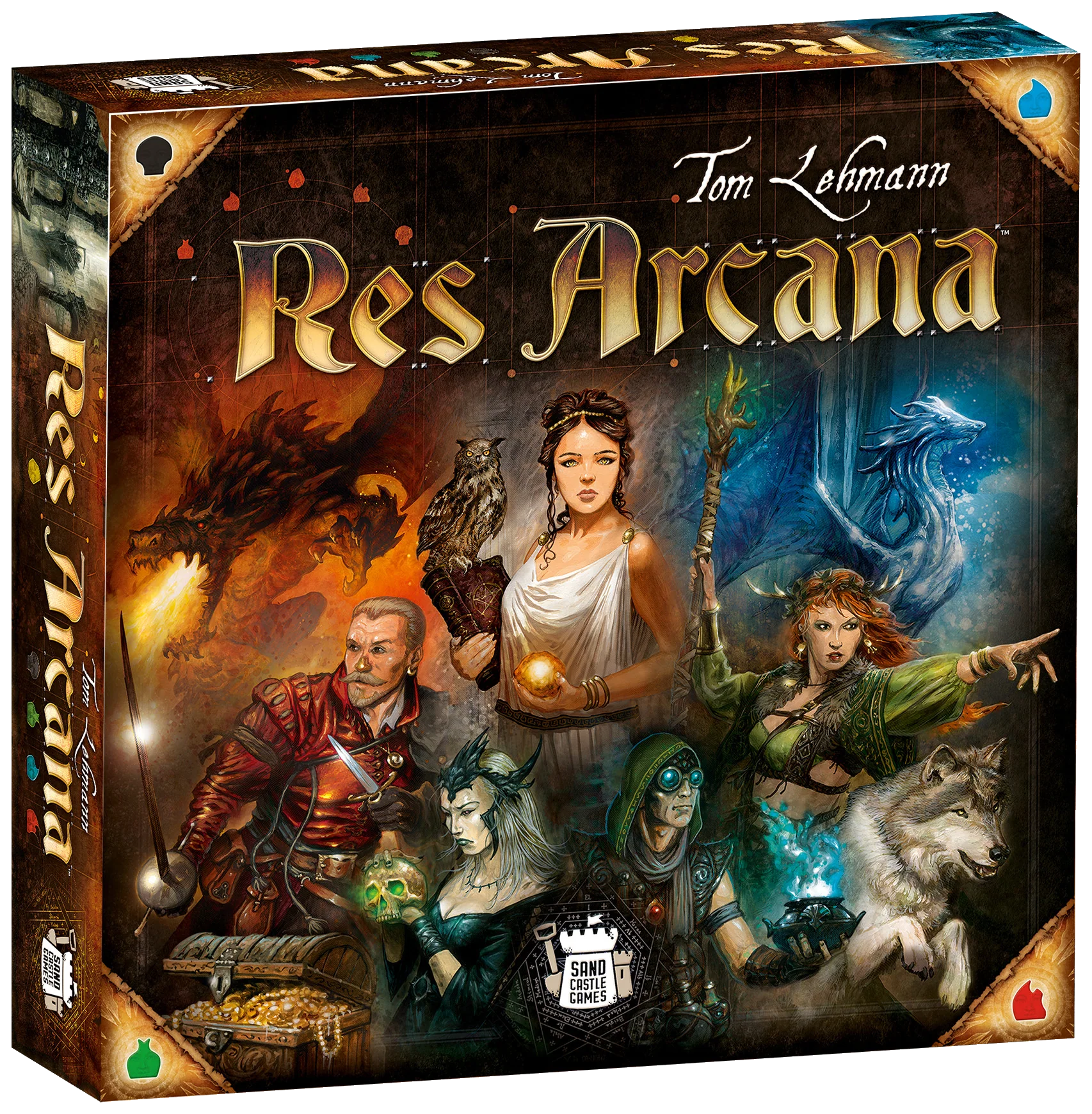
Res Arcana
Why it made the listRes Arcana distils engine building to eight drafted cards, a mage, and a few shared places of power. Artefacts convert essences, discounts and reactions create tight combinations, and the race to ten points arrives quickly, making the central challenge discover how one imperfect micro-deck can become a coherent machine.
7.7 rating 2–4 players 30–60 min 2.6/5 weightView game details -
10
2020
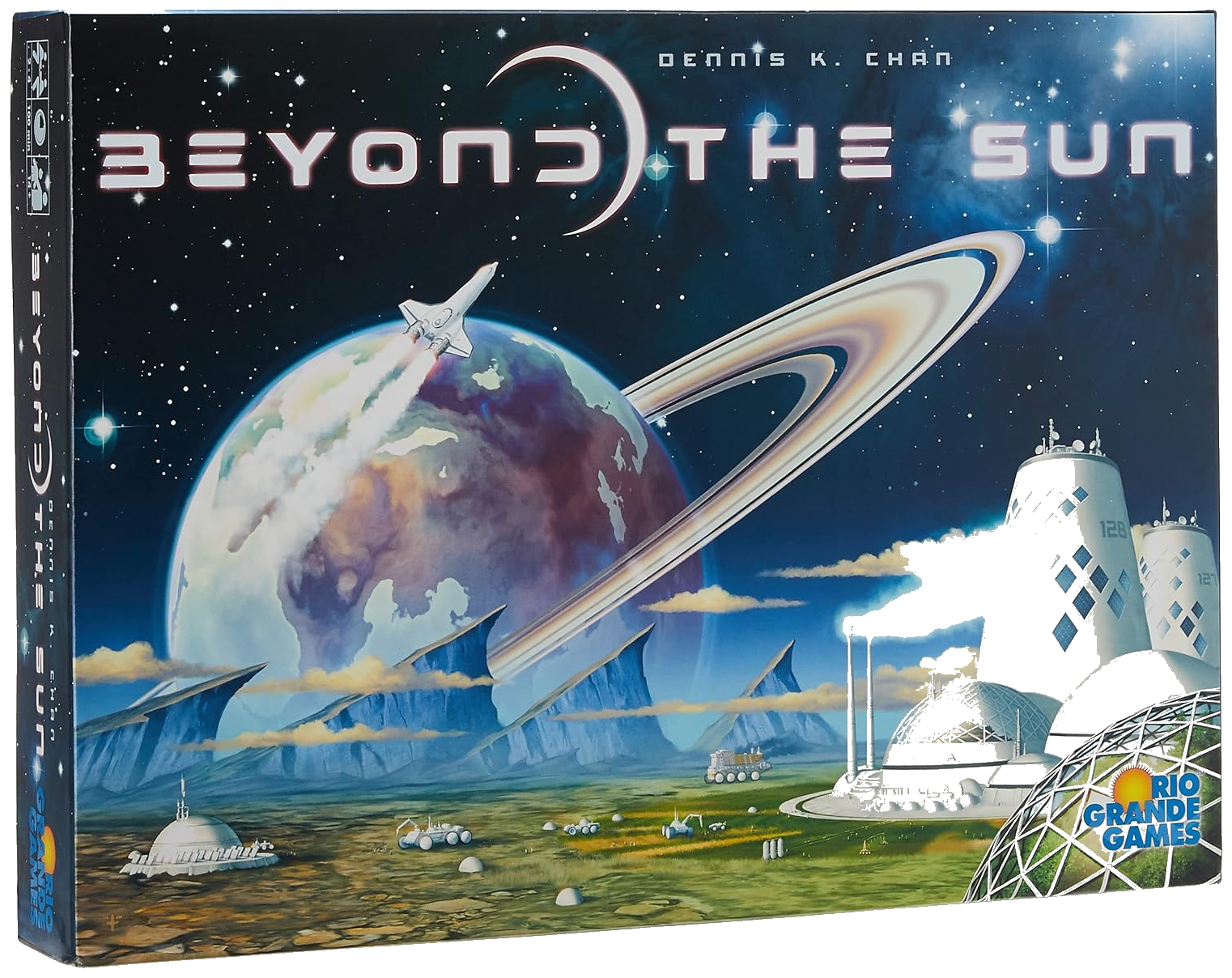
Beyond The Sun
Why it made the listBeyond the Sun makes technology itself a shared action tree. Research unlocks stronger spaces, automation improves production, and systems control or achievements score the expanding civilization, while opponents can use technologies someone else revealed, ensuring development creates public opportunities as well as private advantage.
8.0 rating 2–4 players 60–120 min 3.1/5 weightView game details -
11
2013
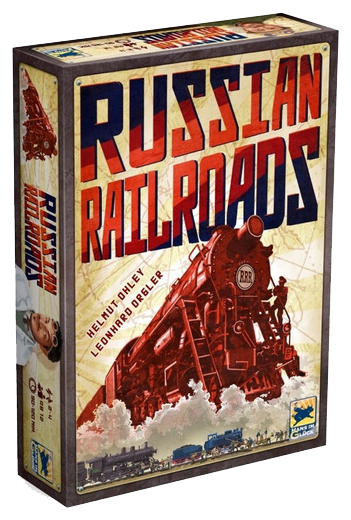
Russian Railroads
Why it made the listRussian Railroads builds momentum across track, locomotive, industry, engineer, and multiplier systems. Worker spaces improve capacity, but scoring fires every round and grows dramatically, so players must establish the right compounding route early while still contesting actions that rivals need to accelerate theirs.
7.7 rating 2–4 players 3.4/5 weightView game details -
12
2019
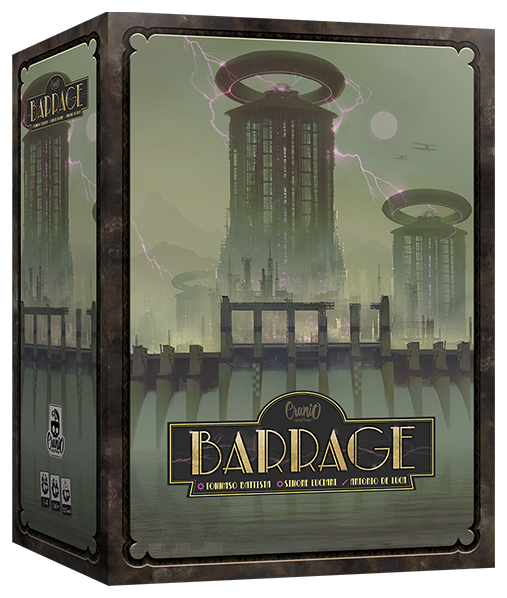
Barrage
Why it made the listBarrage creates an engine from dams, conduits, powerhouses, water flow, contracts, and a construction wheel that temporarily locks machinery. Infrastructure can redirect water before it reaches rivals, making increased production inseparable from a shared, confrontational geography rather than a private resource tableau.
8.2 rating 1–4 players 60–120 min 4.1/5 weightView game details -
13
2023
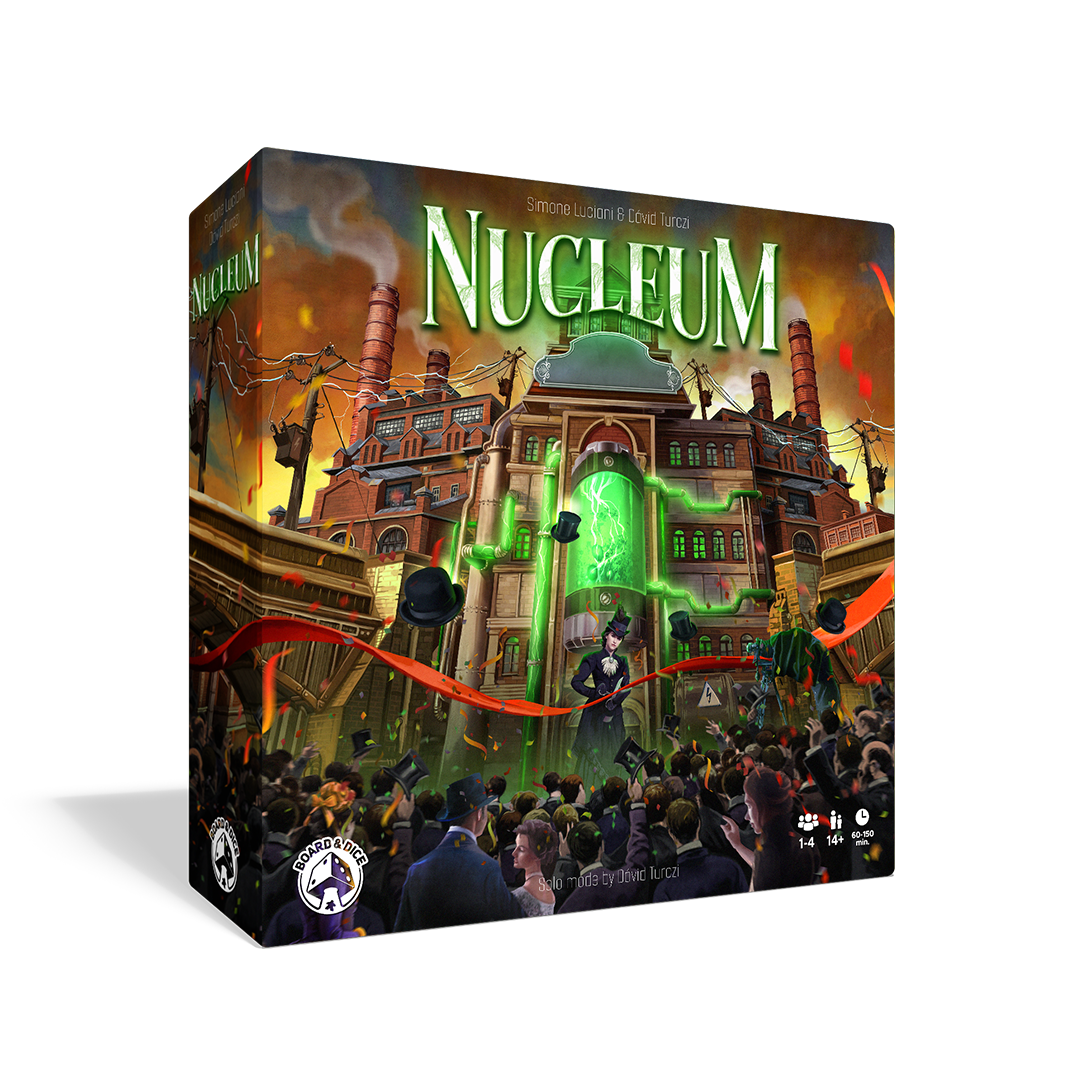
Nucleum
Why it made the listNucleum combines network building with multi-use action tiles that either extend rails or activate linked actions. Mines, turbines, technologies, buildings, and contracts reward connected development, while removing a tile to take income permanently changes the action engine, creating a strong tension between growth and recovery.
8.1 rating 1–4 players 60–150 min 4.2/5 weightView game details -
14
2016
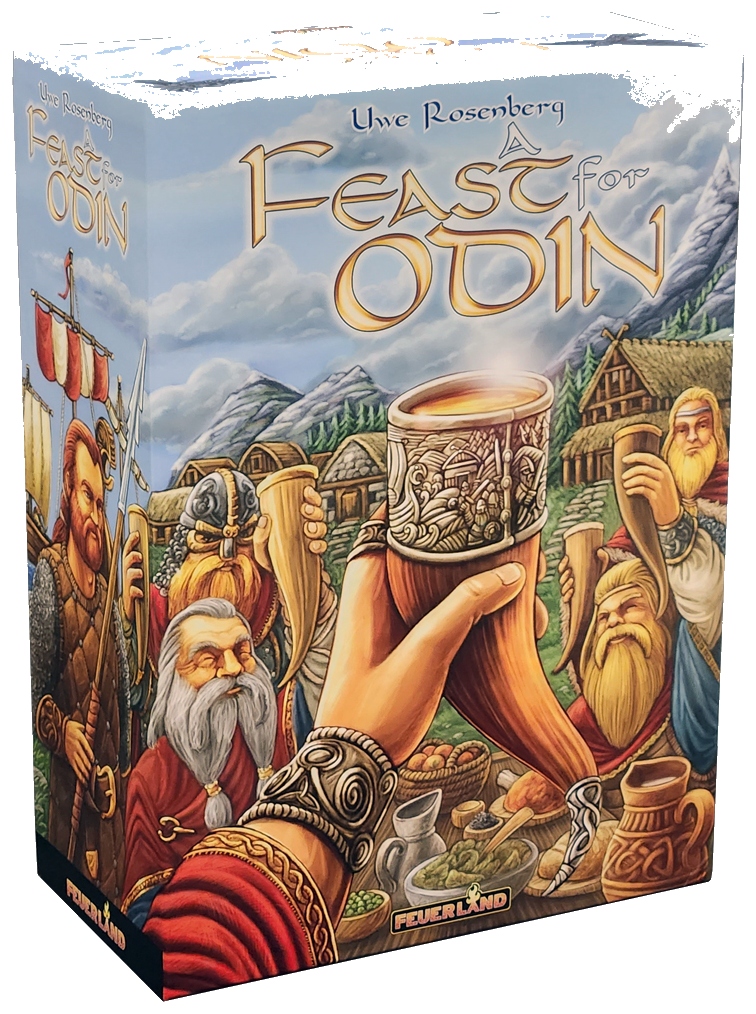
A Feast For Odin
Why it made the listA Feast for Odin converts worker-placement actions into occupations, resources, livestock, ships, exploration, and a vast patchwork economy. Covering personal boards removes negative income and exposes bonuses, so the engine grows spatially as well as economically, supporting many viable livelihoods within one demanding sandbox.
8.2 rating 1–4 players 30–120 min 3.9/5 weightView game details -
15
Board game
Power Grid
Why it made the listPower Grid makes capacity growth compete with market timing. Plants determine fuel needs and how many cities can be powered, network expansion creates access, and resource prices react to the whole table, so a stronger engine is valuable only if it was not overpaid for and can still acquire scarce inputs.
7.8 rating 2–6 players 3.3/5 weightView game details -
16
Board game
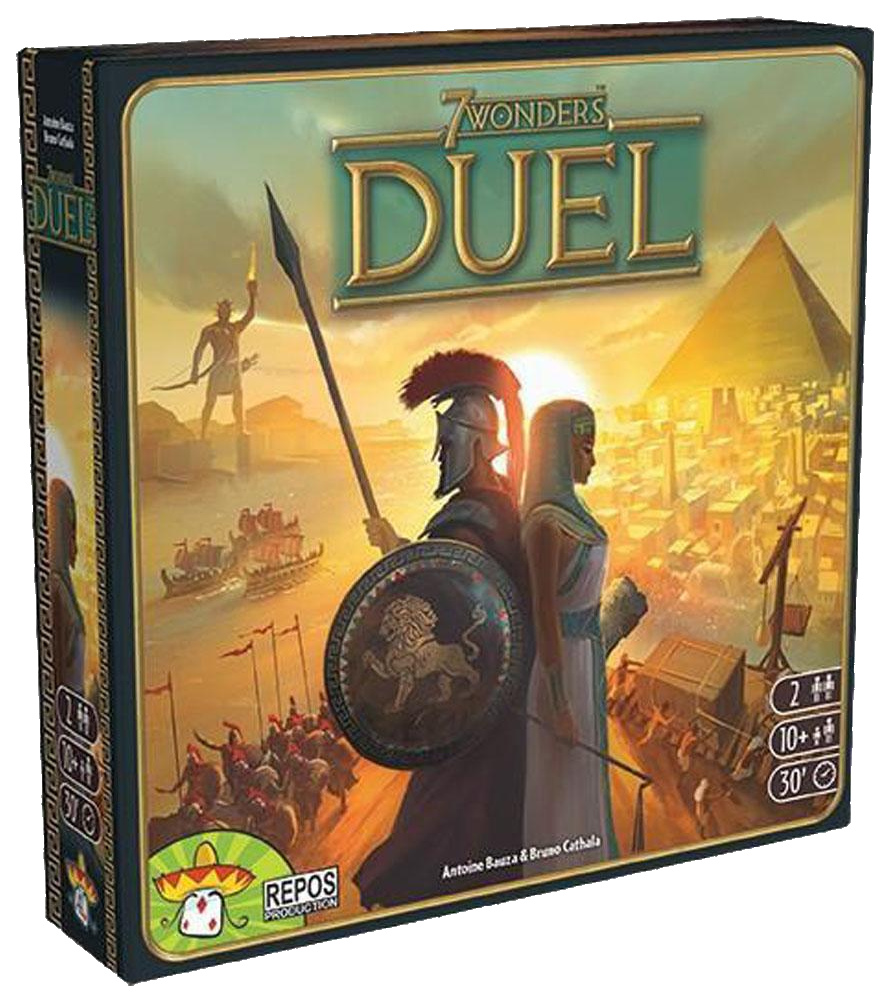
7 Wonders Duel
Why it made the list7 Wonders Duel builds a compact two-player civilization through three ages of exposed cards. Resources reduce construction costs, science symbols threaten an instant win, military pressure shifts continuously, and wonders break turn order, ensuring each tableau improvement also changes what the opponent must deny next.
8.1 rating 2–2 players 2.2/5 weightView game details -
17
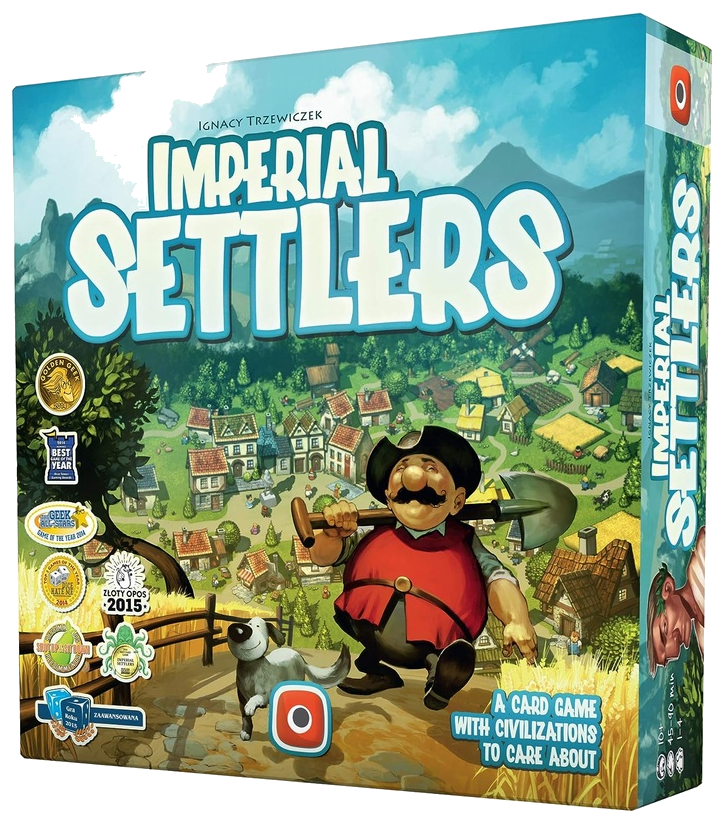
2014
Imperial Settlers
Why it made the listImperial Settlers gives factions asymmetric decks that turn production buildings, action locations, features, and razed cards into distinct economies. Three resources expire each round while workers and stored goods persist, making timing and faction-specific combinations more important than simply accumulating a large tableau.
7.3 rating 1–4 players 45–90 min 2.8/5 weightView game details -
18
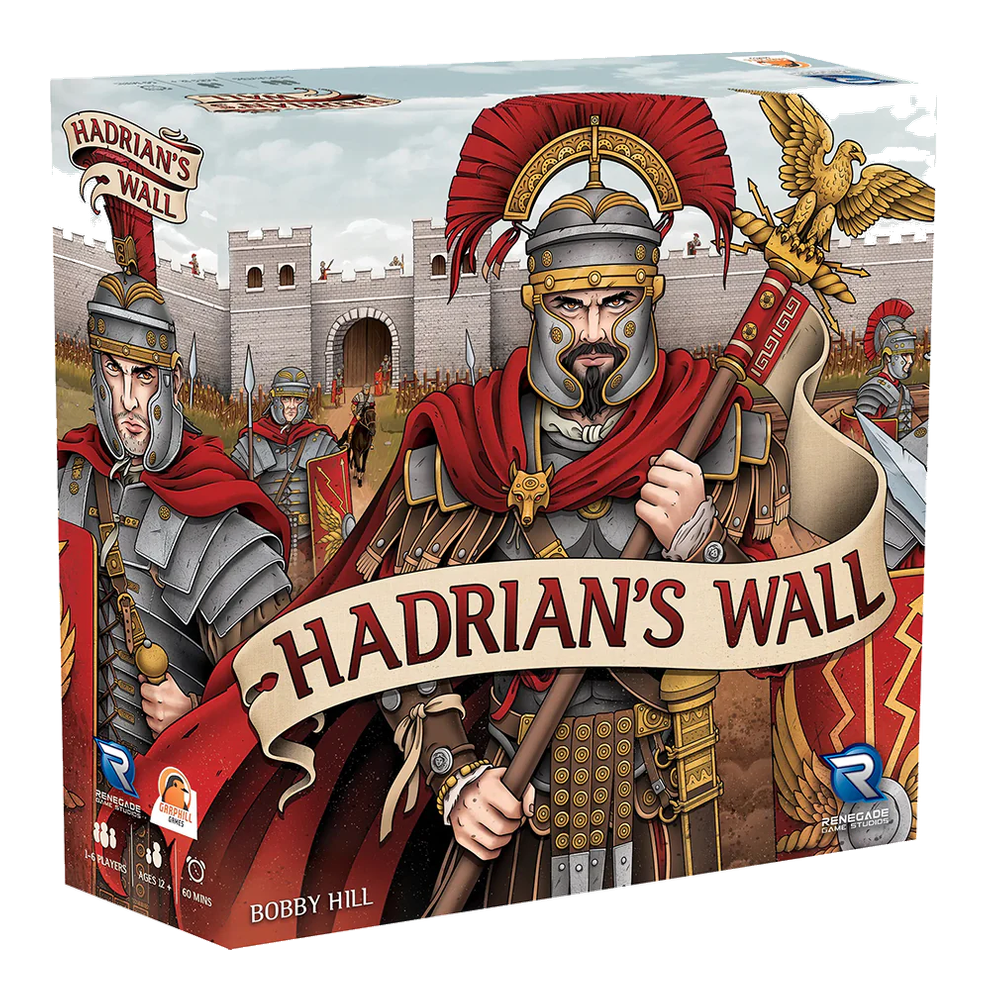
2021
Hadrian's Wall
Why it made the listHadrian’s Wall uses workers and resources to mark two interconnected sheets where nearly every track can trigger another benefit. Citizens, cohorts, trade, temples, hotels, landmarks, and reputation create long solo-friendly chains, while six rounds keep the expanding engine focused on chosen scoring paths.
8.0 rating 1–6 players 30–60 min 3.1/5 weightView game details -
19
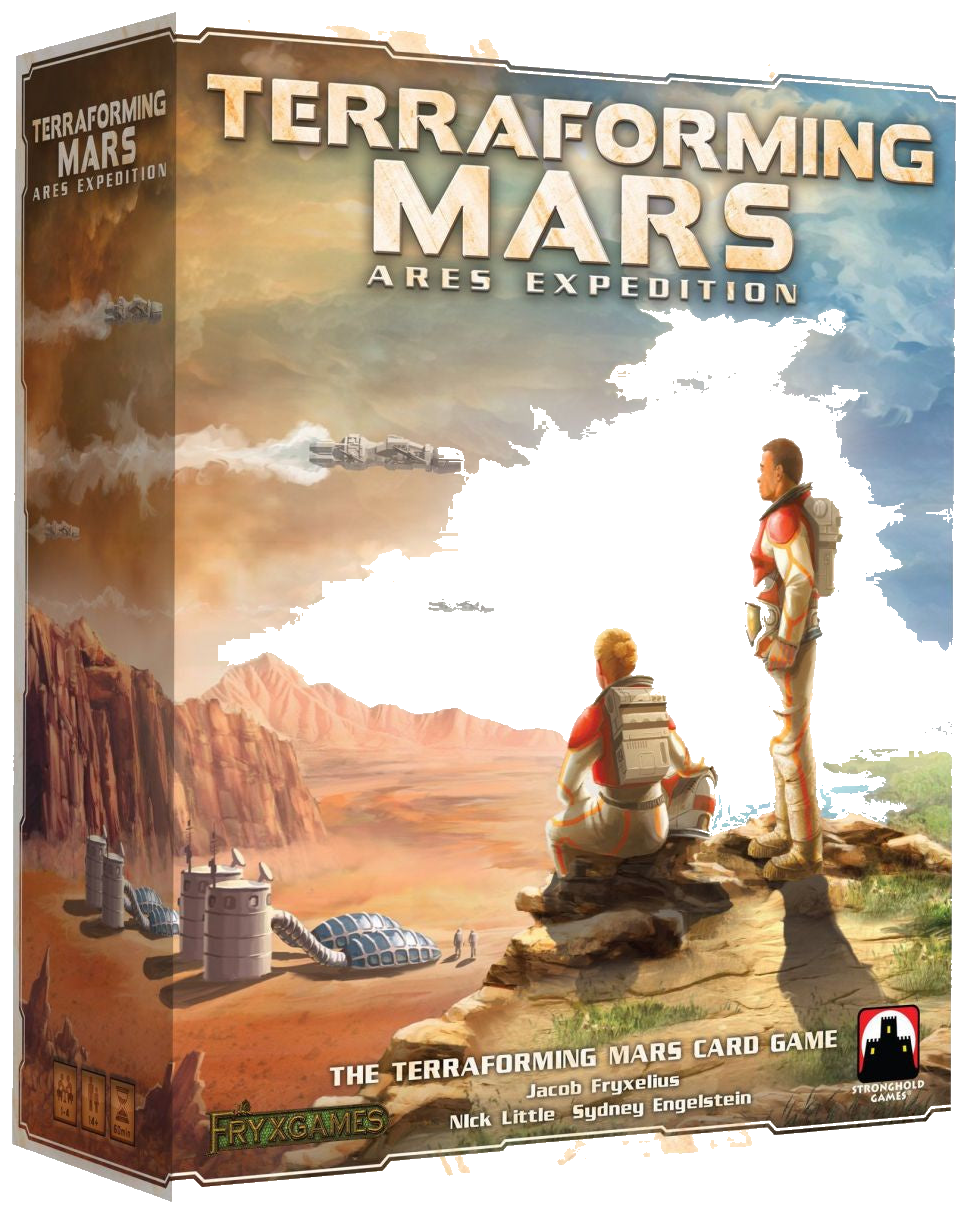
2021
Terraforming Mars: Ares Expedition
Why it made the listAres Expedition concentrates terraforming into a card tableau with simultaneous phase selection. Green cards raise production, blue actions repeat, red events convert built capacity into immediate effects, and global temperature, oxygen, and oceans create a shared deadline for each corporation’s accelerating economy.
7.7 rating 1–4 players 45–60 min 2.9/5 weightView game details -
20
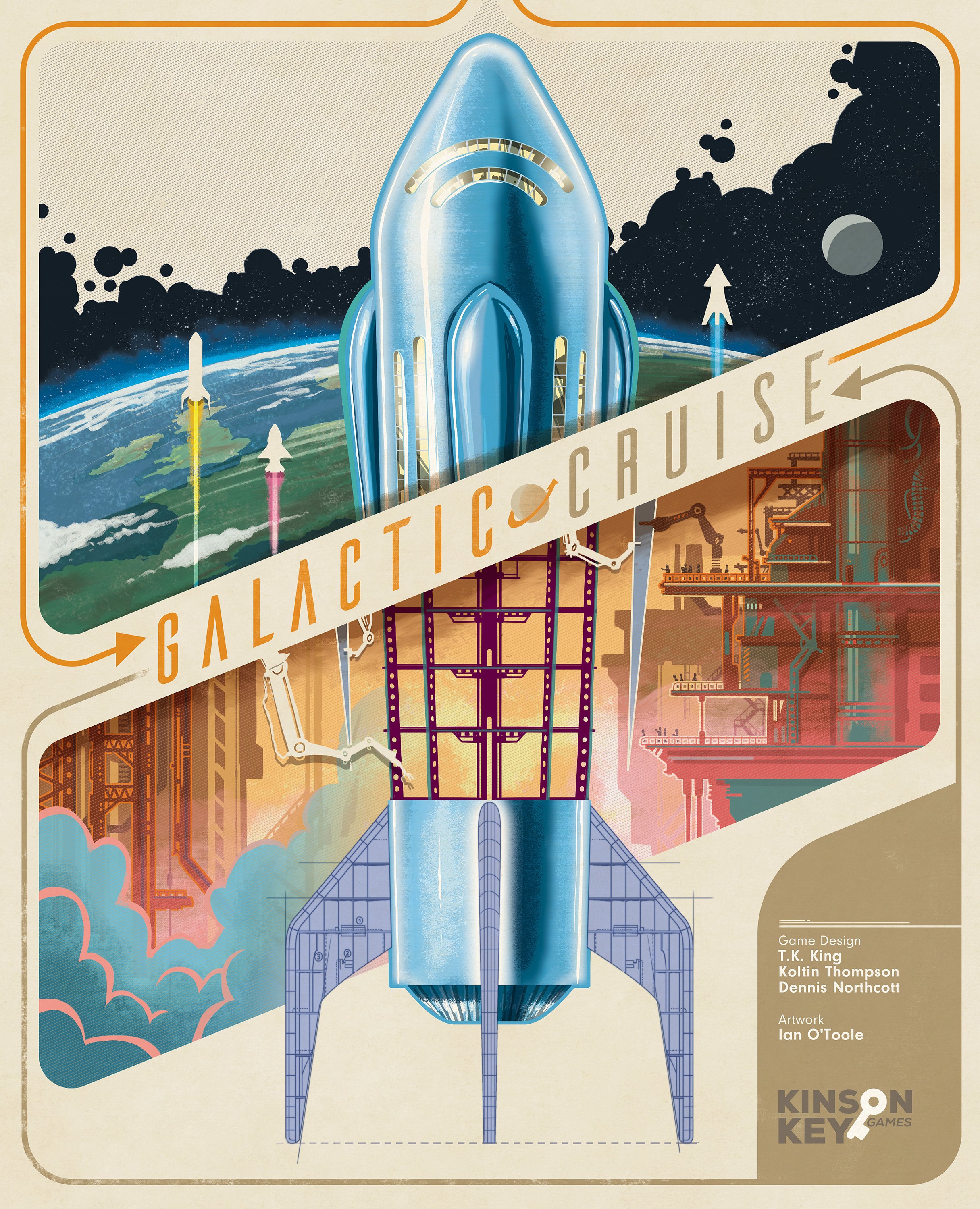
2025
Galactic Cruise
Why it made the listGalactic Cruise develops a space-tourism company through worker placement, modular action tiles, technology upgrades, shuttles, and passenger itineraries. Department improvements strengthen later visits and can benefit opponents, while launching carefully prepared cruises converts the growing operational system into progress and points.
8.3 rating 1–4 players 90–150 min 4.0/5 weightView game details
Buying advice
What makes a strong pick?
Engine building is the pleasure of creating capability. An awkward opening of small actions and scarce resources becomes a system in which cards trigger one another, income grows, technologies unlock, or a shared network makes later moves possible. The best designs give that growth a deadline and a competitive purpose rather than letting efficiency become an end in itself.
Who this list is for
Players who enjoy combinations, resource conversion, long-term planning, improving action efficiency, and the tactile or intellectual reward of a system finally doing more than it could at the start.
What stands out
The selection spans card tableaux, spatial economies, technology webs, production tracks, worker-placement cities, civilization growth, compact duels, network industries, solo combination puzzles, and welcoming woodland engines.
What to consider
Engine building overlaps with tableau building, economic games, and technology progression. Interaction ranges from mostly personal development to shared markets and ruthless networks, and some engines only become rewarding after a long session; each note identifies the growth model and pressure around it.
Our methodology
How this guide is built
The candidate pool uses Income and Tech Trees/Tech Tracks taxonomy as catalog signals for compounding development. The final editorial order weighs how clearly earlier investments improve later turns, strategic variety, timing pressure, interaction, replayability, accessibility, critical reception, availability, and the distinct engine form each pick represents.
Ratings and rank are useful signals, not the whole recommendation. ABG keeps the URL stable and refreshes the ordering as its catalog evidence improves.
Questions, answered
About this list
How were the games on this list chosen?
The candidate pool uses Income and Tech Trees/Tech Tracks taxonomy as catalog signals for compounding development. The final editorial order weighs how clearly earlier investments improve later turns, strategic variety, timing pressure, interaction, replayability, accessibility, critical reception, availability, and the distinct engine form each pick represents.
Who is this list most useful for?
Players who enjoy combinations, resource conversion, long-term planning, improving action efficiency, and the tactile or intellectual reward of a system finally doing more than it could at the start.
How often is this list updated?
ABG refreshes official lists as catalog rankings, ratings, specifications, and classifications improve. The URL stays stable when the order changes.