Best Deduction Board Games
Twenty games about turning evidence, behaviour, and carefully chosen questions into a defensible answer.
The complete ranking
20 games to consider
Twenty editor-picked deduction games, from pure logic to hidden-role drama.
-
01

2020
The Search For Planet X
Why it made the listThe Search for Planet X is the strongest all-purpose pure deduction game because every survey, theory, and peer-reviewed claim narrows a shared logical system. The app manages different information for each player, while variable sectors and difficulty levels let families and experienced solvers investigate together without sharing identical clues.
8.0 rating 1–4 players 60–75 min 2.4/5 weightView game details -
02
2024
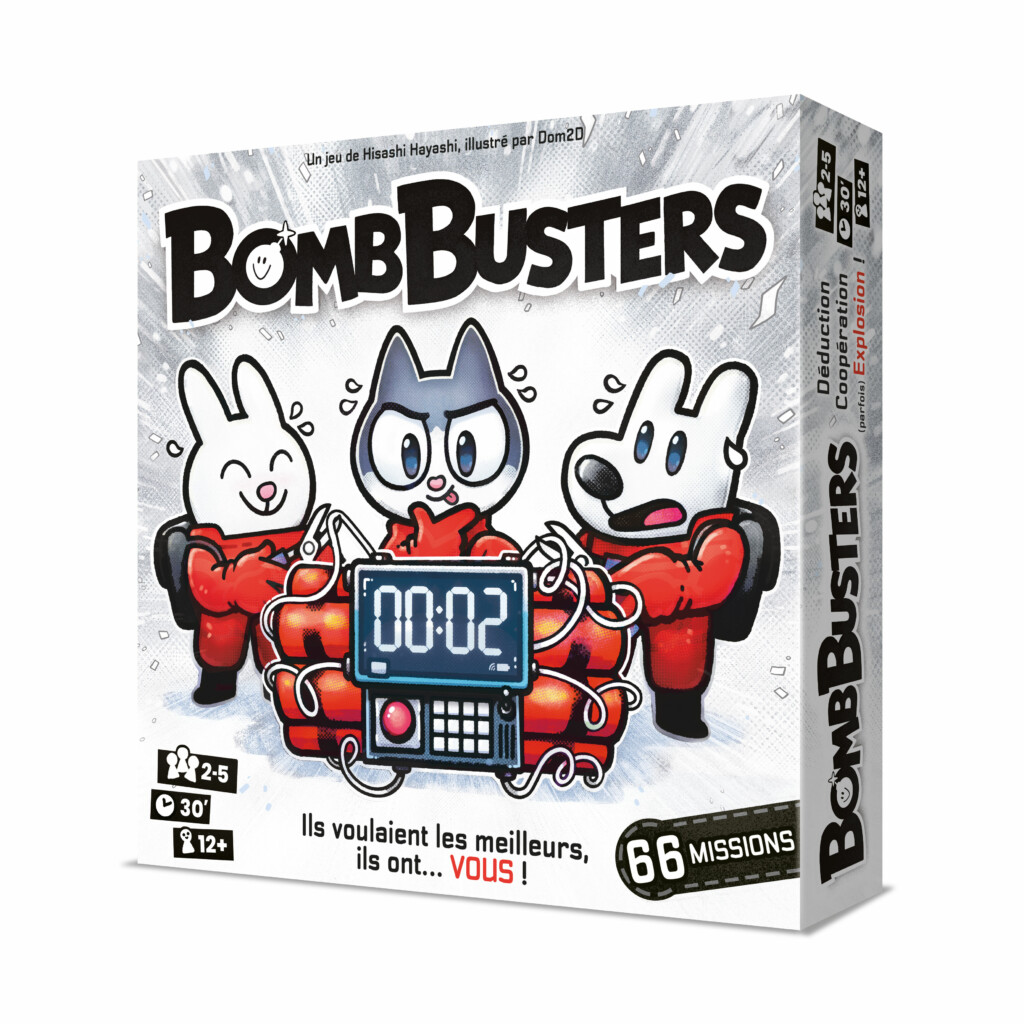
Bomb Busters
Why it made the listBomb Busters turns deduction into cooperative risk management. Players see only their own ordered wire tiles, then combine numerical clues, known duplicates, and earlier cuts to identify matching values; progressive missions introduce complications gradually, making the team’s improving reasoning as satisfying as any campaign upgrade.
8.0 rating 2–5 players 30–30 min 2.0/5 weightView game details -
03

1982
Sherlock Holmes Consulting Detective: The Thames Murders & Other Cases
Why it made the listConsulting Detective gives players a map, directory, newspapers, and open leads, then trusts them to decide what evidence matters. Solving means reconstructing motive, method, and opportunity from prose rather than manipulating clue tokens; the ten cases are largely one-use and reward careful group note-taking over speed.
7.6 rating 1–8 players 60–120 min 2.7/5 weightView game details -
04
2018
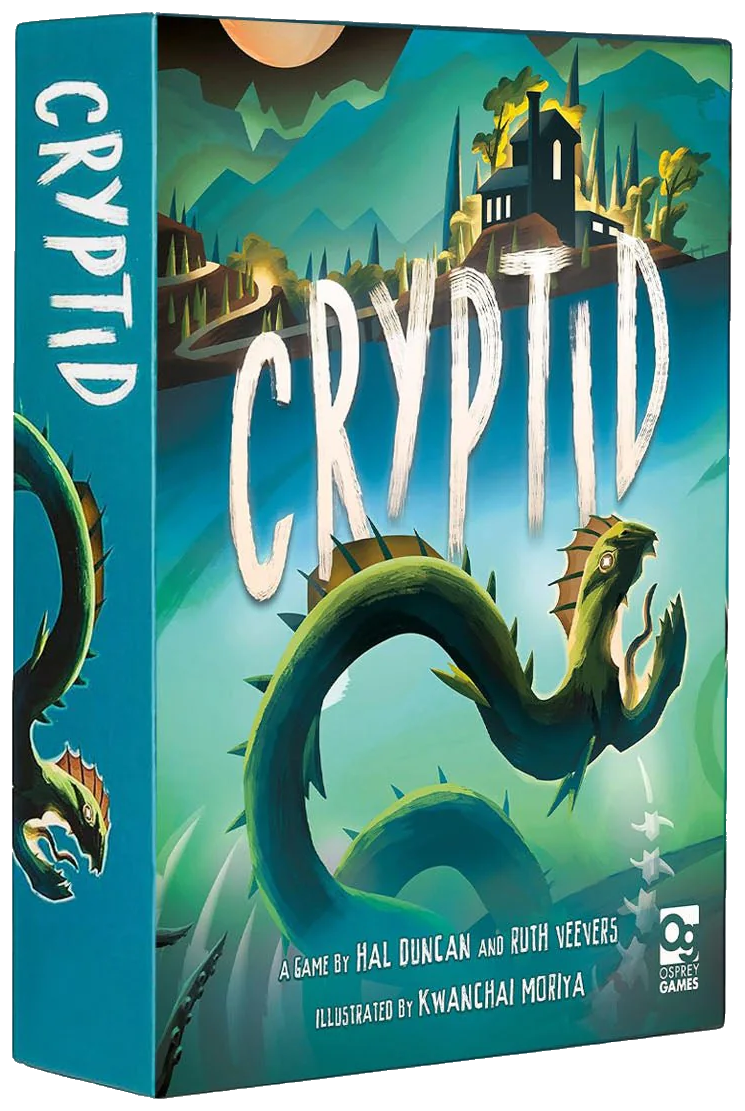
Cryptid
Why it made the listCryptid is a compact competitive logic puzzle in which each player knows one rule describing the creature’s location. Questions place positive or negative cubes, searches risk exposing information, and the combined constraints identify one space, so every response helps opponents even as it advances a personal deduction.
7.5 rating 3–5 players 30–50 min 2.2/5 weightView game details -
05
2022
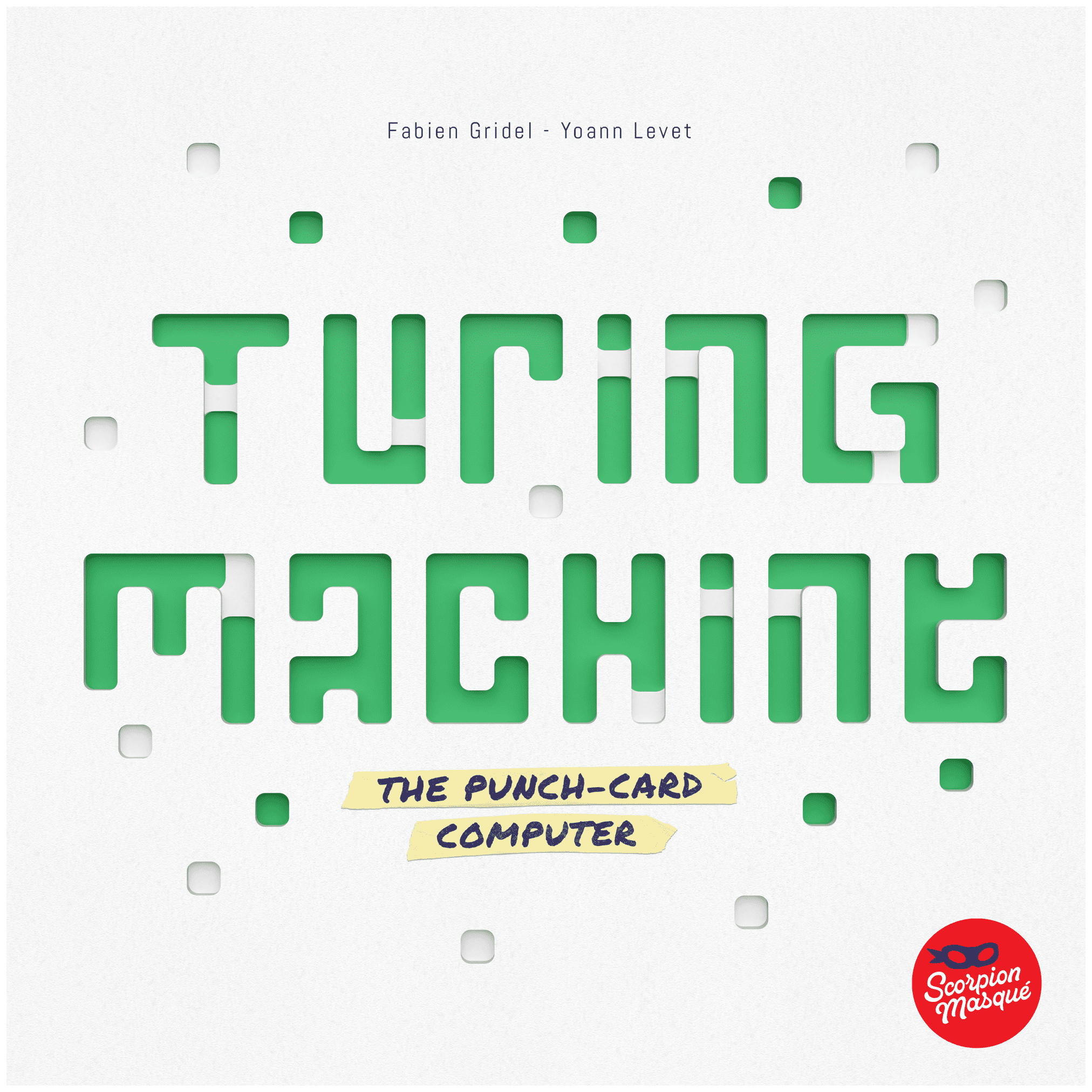
Turing Machine
Why it made the listTuring Machine uses punched cards and analogue verification to generate millions of code-breaking problems. Players propose three-digit numbers and ask individual criteria whether the secret obeys a comparison or relationship, making success depend on designing efficient tests rather than simply collecting more clues.
7.8 rating 1–4 players 2.4/5 weightView game details -
06

2020
Micromacro: Crime City
Why it made the listMicroMacro: Crime City spreads a sequence of moments across one enormous illustrated city map. Players trace routes, compare where characters appear over time, and answer case questions through observation, making deduction accessible to non-gamers while still rewarding a group that reconstructs events instead of jumping ahead.
7.5 rating 1–4 players 15–45 min 1.1/5 weightView game details -
07

2016
Awkward Guests: The Walton Case
Why it made the listAwkward Guests deals each investigator a changing hand of testimonies, reports, and forensic details about one murder. Players request topics, exchange evidence, and mark contradictions on deduction sheets, while an enormous case system varies culprit, motive, weapon, and accomplice across repeated plays.
7.6 rating 1–8 players 45–75 min 2.3/5 weightView game details -
08
Board game
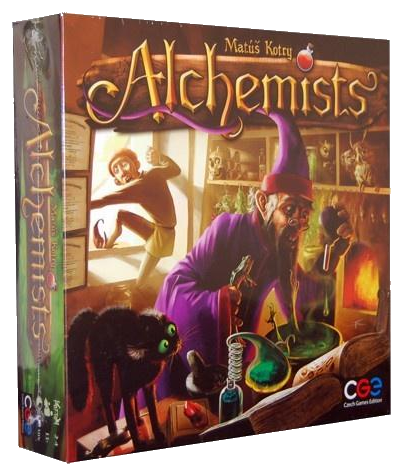
Alchemists
Why it made the listAlchemists makes scientific inference part of a competitive worker-placement game. Mixing ingredients reveals partial results through an app, then players publish theories, challenge rivals, and risk reputation, so the logical grid matters because public claims and academic timing turn uncertain knowledge into strategy.
7.7 rating 2–4 players 3.9/5 weightView game details -
09

2017
Black Sonata
Why it made the listBlack Sonata is a solo hidden-movement deduction in a tiny box. Shakespeare’s Dark Lady moves through a deterministic deck, players search locations to glimpse symbols, and overlapping clue cards identify her attributes, rewarding careful tracking while the concealed route makes each failed search informative.
7.5 rating 1–2 players 2.1/5 weightView game details -
10

2021
Mind Mgmt: The Psychic Espionage “game.”
Why it made the listMind MGMT combines hidden movement with a team’s evolving search tools. One recruiter secretly visits locations while rogue agents use visible and hidden clues to narrow the route, and a shift system grants the losing side new abilities, helping repeated plays remain a contest of inference rather than memorised openings.
8.0 rating 1–5 players 45–75 min 2.9/5 weightView game details -
11

2011
Tragedy Looper
Why it made the listTragedy Looper makes deduction span repeated timelines. One mastermind schedules incidents through hidden role and plot information while protagonists place cards to test relationships and prevent tragedies; a failed loop is valuable because it reveals which characters and conditions must matter next time.
7.2 rating 2–4 players 3.6/5 weightView game details -
12

2017
The Shipwreck Arcana
Why it made the listThe Shipwreck Arcana creates cooperative number deduction from public sums and hidden fate tiles. Each player must place a tile beside a rule that reveals useful information without stating its value, while fading cards advance doom, producing elegant communication through mathematics in a short session.
7.5 rating 2–5 players 10–30 min 2.2/5 weightView game details -
13
2014
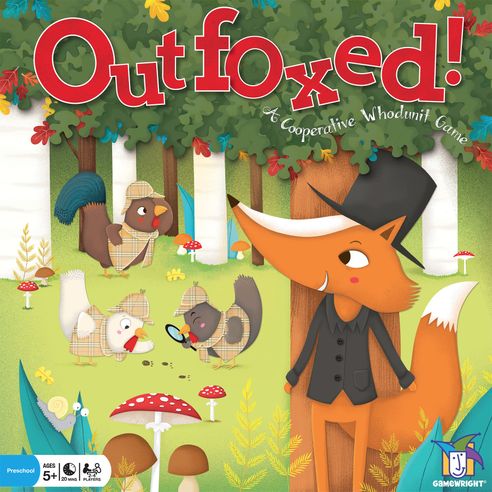
Outfoxed!
Why it made the listOutfoxed! is the family introduction: children move around a board, collect suspect clues, and use a physical decoder to eliminate foxes before the culprit escapes. The cooperative structure invites adults to ask reasoning questions without taking over, turning clothing details and evidence into an understandable first deduction chain.
7.1 rating 2–4 players 20–20 min 1.1/5 weightView game details -
14
2022
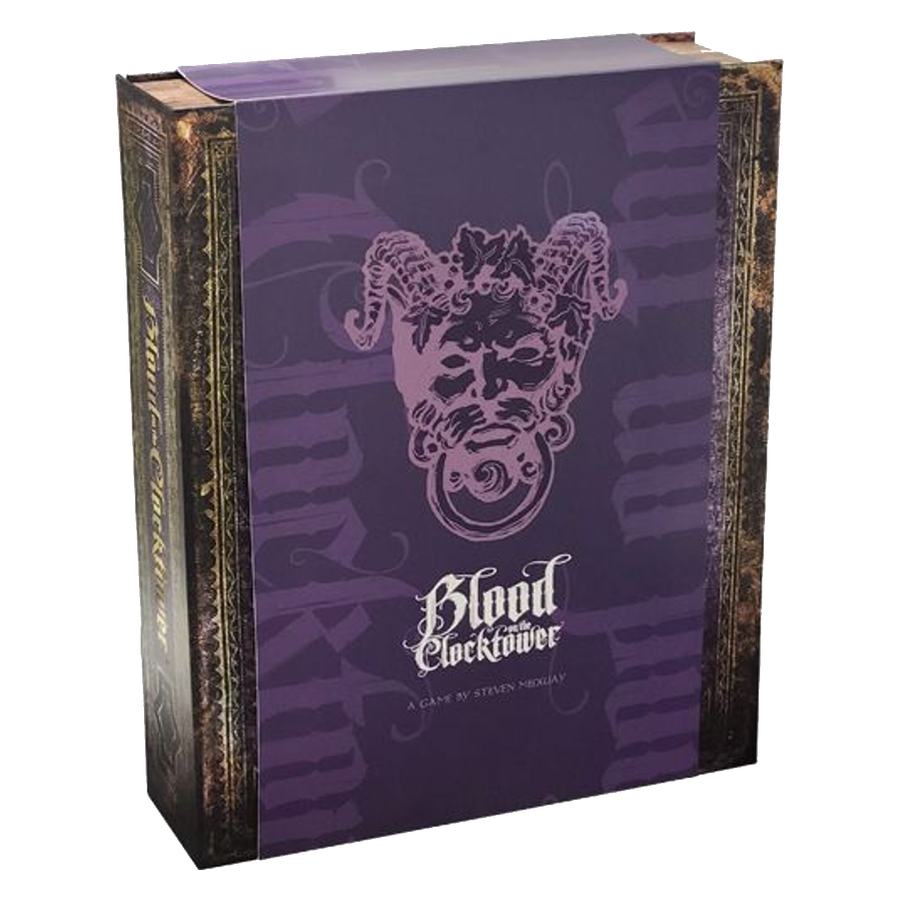
Blood On The Clocktower
Why it made the listBlood on the Clocktower is the richest large-group social deduction system when a skilled storyteller and at least eight committed players are available. Every role has information or agency, death does not remove participation, and controlled misinformation makes even contradictions evidence worth debating.
8.3 rating 5–20 players 30–120 min 3.0/5 weightView game details -
15

2012
The Resistance: Avalon
Why it made the listAvalon builds deduction from proposed quest teams, public votes, and hidden mission results. Merlin knows evil but must hide, special roles create competing information, and the final assassination preserves tension, offering a strategic social deduction game without player elimination or a moderator.
7.5 rating 5–10 players 1.7/5 weightView game details -
16
2014
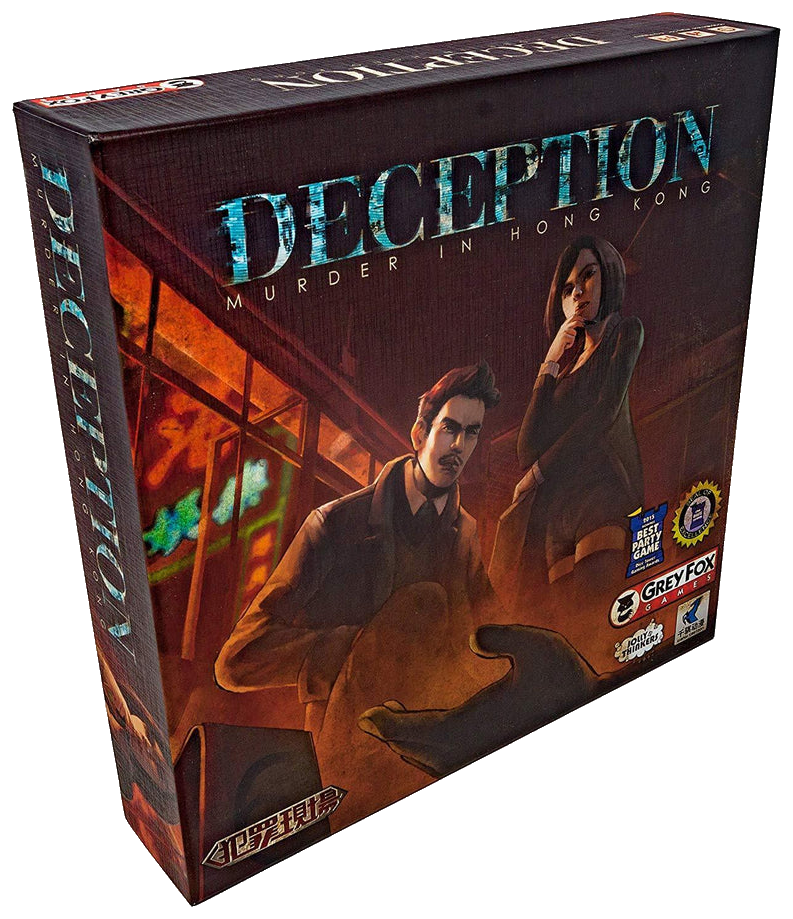
Deception: Murder In Hong Kong
Why it made the listDeception gives social deduction a concrete forensic spine. One scientist can communicate only through broad scene and cause tiles while investigators inspect possible means and clues in front of every player; the murderer must redirect plausible evidence rather than rely entirely on charisma.
7.5 rating 4–12 players 1.6/5 weightView game details -
17
2008
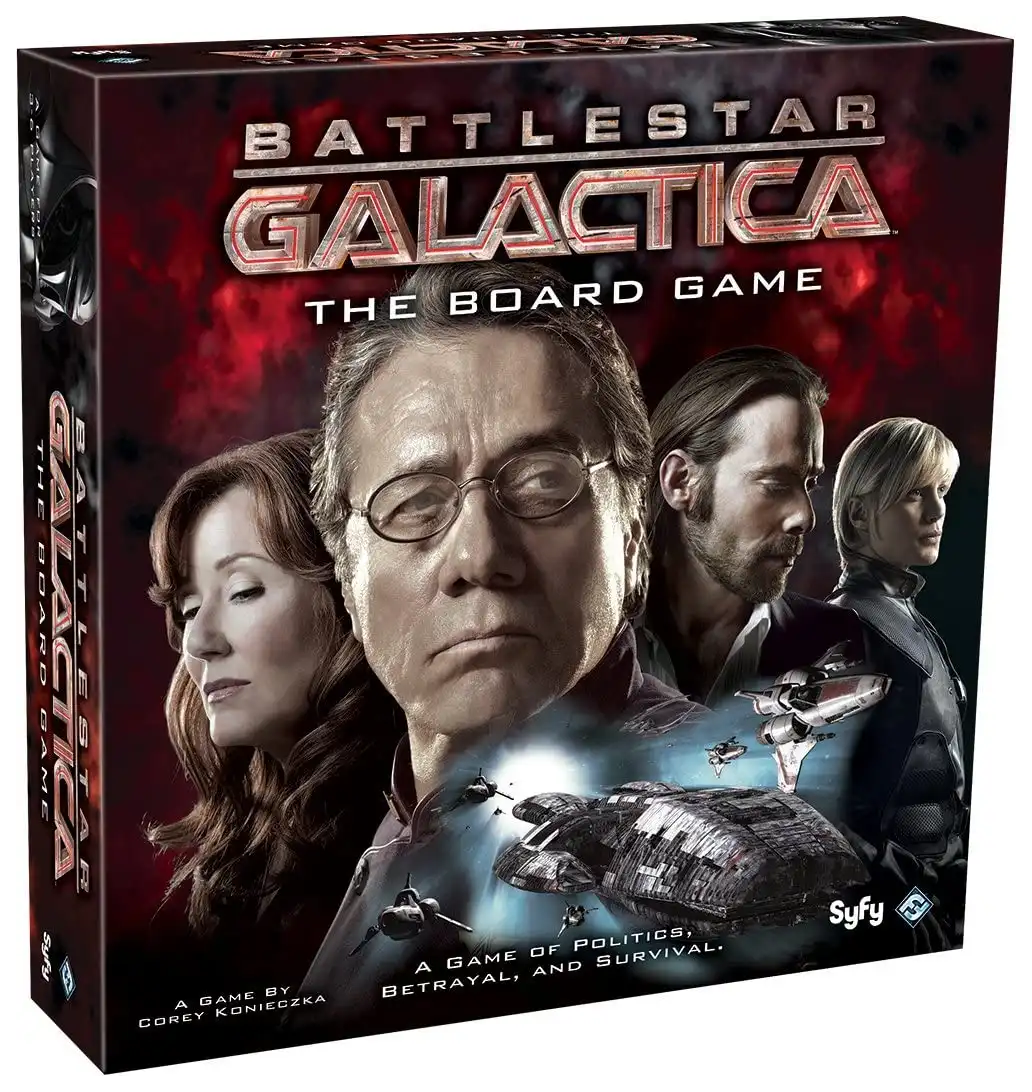
Battlestar Galactica: The Board Game
Why it made the listBattlestar Galactica embeds hidden Cylons inside a long cooperative survival game. Skill checks conceal card contributions, crises create plausible mistakes, and loyalty can change mid-session, so accusations emerge from resource pressure and behavioural evidence rather than a sequence of abstract votes.
7.7 rating 3–6 players 120–180 min 3.3/5 weightView game details -
18

2012
Coup
Why it made the listCoup compresses social deduction into fifteen cards and two claims per player. Any action can assert a role that may not be held, opponents decide when to challenge, and lost influence changes the remaining possibilities, making probability, reputation, and nerve matter in ten volatile minutes.
7.0 rating 2–6 players 1.4/5 weightView game details -
19

2017
Werewords
Why it made the listWerewords uses familiar yes-or-no word guessing as evidence for a hidden-role debate. A mayor knows the word, werewolves try to guide without appearing informed, and the seer quietly helps, so ordinary questions and suspiciously accurate suggestions become material for a concise final accusation.
7.1 rating 4–10 players 1.2/5 weightView game details -
20

2023
Stationfall
Why it made the listStationfall gives every player a secret character and objective aboard a collapsing space station while allowing them to control almost anyone. Actions reveal incentives imperfectly, identities may be decoys, and overlapping agendas create a chaotic expert-level deduction game where behaviour matters more than fixed teams.
7.8 rating 1–9 players 90–120 min 3.9/5 weightView game details
Buying advice
What makes a strong pick?
Deduction is rewarding when information becomes narrower and more useful through play. That can mean eliminating astronomical possibilities, reconstructing a crime, interpreting another player’s choices, or detecting a liar. The strongest games let players explain how they reached an answer while preserving enough uncertainty for a genuine moment of discovery.
Who this list is for
Solo puzzle-solvers, couples who like comparing theories, mystery groups, families practising inference, and larger tables comfortable reading both rules-generated evidence and human behaviour.
What stands out
The selection clearly spans pure logic, case investigation, visual observation, hidden movement, scientific experiments, cooperative restricted information, time loops, traitor games, social deception, and accessible family deduction.
What to consider
Pure logic and social deduction ask for different skills. Some cases are consumable, several games require note-taking or an app, and hidden-role picks need the right count and a group comfortable lying in character; each note identifies the relevant expectation.
Our methodology
How this guide is built
This is an editorial selection from games using Deduction or Hidden Roles taxonomy. Ordering weighs the integrity of the inference, clue quality, replayability, accessibility, interaction, group dependence, critical reception, availability, and the distinct reasoning style each pick represents.
Ratings and rank are useful signals, not the whole recommendation. ABG keeps the URL stable and refreshes the ordering as its catalog evidence improves.
Questions, answered
About this list
How were the games on this list chosen?
This is an editorial selection from games using Deduction or Hidden Roles taxonomy. Ordering weighs the integrity of the inference, clue quality, replayability, accessibility, interaction, group dependence, critical reception, availability, and the distinct reasoning style each pick represents.
Who is this list most useful for?
Solo puzzle-solvers, couples who like comparing theories, mystery groups, families practising inference, and larger tables comfortable reading both rules-generated evidence and human behaviour.
How often is this list updated?
ABG refreshes official lists as catalog rankings, ratings, specifications, and classifications improve. The URL stays stable when the order changes.