Overview
At a glance
Is this game right for my group?
ABG editorial scores on a 1–5 scale.
Harder to teach
High replayability
Highly interactive
Scales well
Deep strategy
More strategic control
How it plays
How does it play?
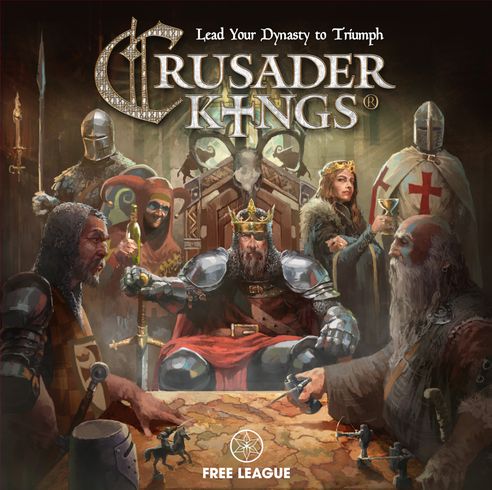
Guide a medieval dynasty through marriage, intrigue, development, war, and crusade while heirs inherit both your realm and its troublesome traits.
Core mechanisms
Key systems that shape the decisions players make.
Area Majority
Compete to have the strongest presence in areas that award control or points.
Deck / Bag Building
Add new pieces during play to improve the cards, tokens, or dice drawn later.
Hand Management
Time and sequence a limited hand of cards to preserve future options.
Open Drafting
Select cards or items from a shared face-up display.
Campaign Card Play
Play cards to command conflicts and carry consequences through a campaign.
Events
Triggered events alter the shared state, rules, or available choices.
Read the full game description
Crusader Kings translates Paradox’s dynastic strategy into a character-driven board game spanning three eras of medieval Europe. Each ruler chooses action cards for two turns of a round, then resolves opportunities involving development, taxation, intrigue, religion, warfare, and family. Characters carry traits that alter the odds of success, and succession ensures that a brilliant reign can end with a deeply inconvenient heir. Armies, castles, territory, vassals, development cards, achievements, and progress toward Jerusalem all contribute to a dynasty’s final standing. Diplomacy and negotiation matter because marriages, alliances, and attacks reshape the shared map, while event and character cards create the absurd reversals for which the digital series is known. The published game supports three to five rival dynasties, with official solo rules included, and rewards players who can pursue long plans without assuming their current monarch will survive them.