Best Strategy Board Games
Twenty enduring designs for planning, adaptation, interaction, and the pleasure of getting better.
The complete ranking
20 games to consider
Twenty editor-picked strategy board games across styles, weights, and player counts.
-
01
Board game
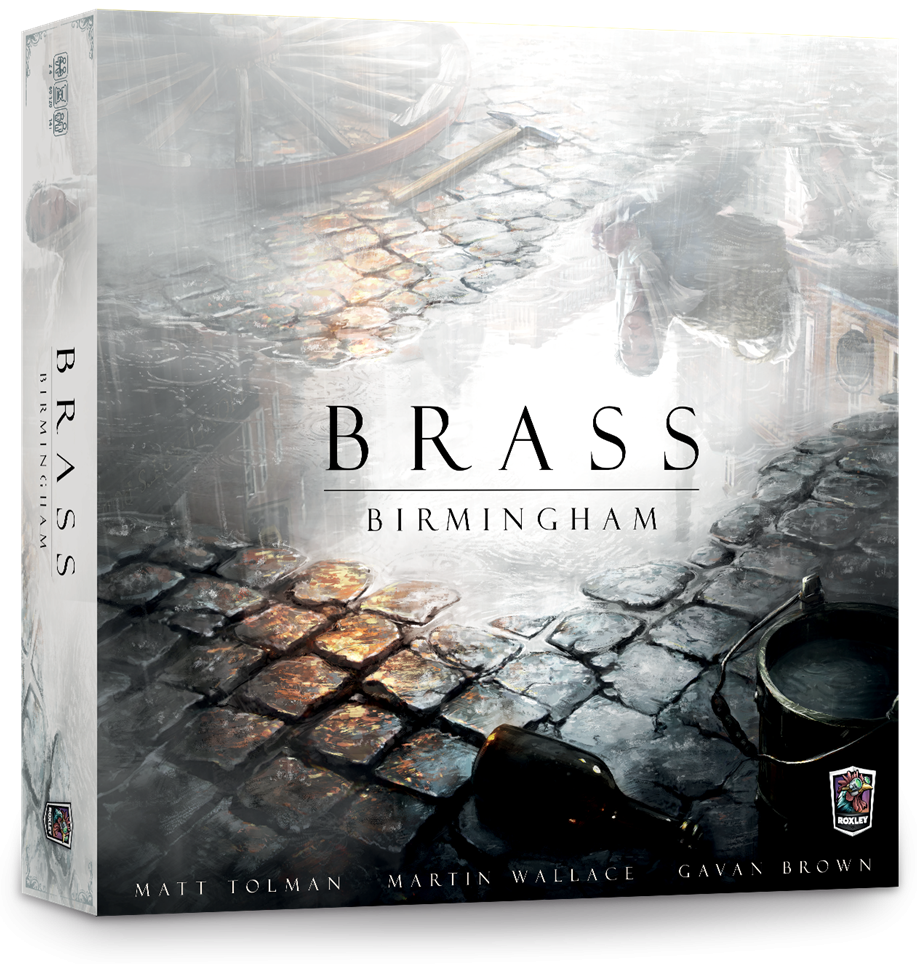
Brass: Birmingham
Why it made the listBrass: Birmingham leads because its economic strategy is inseparable from other players. Shared coal, iron, beer, canals, and rails let one company’s infrastructure enable another, while turn order and two eras reward timing; the best plan creates value that rivals need without surrendering too much of it.
8.6 rating 2–4 players 60–120 min 3.9/5 weightView game details -
02
Board game
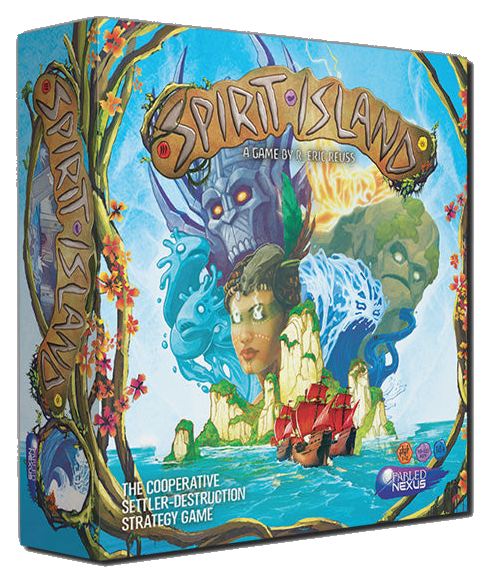
Spirit Island
Why it made the listSpirit Island is the cooperative strategy benchmark. Asymmetric spirits combine fast and slow powers, elements, presence, fear, and terrain control against an invader system that can be anticipated but not ignored, rewarding complementary roles and long-term planning without reducing the group to one universal puzzle.
8.4 rating 1–4 players 90–120 min 4.1/5 weightView game details -
03
2005
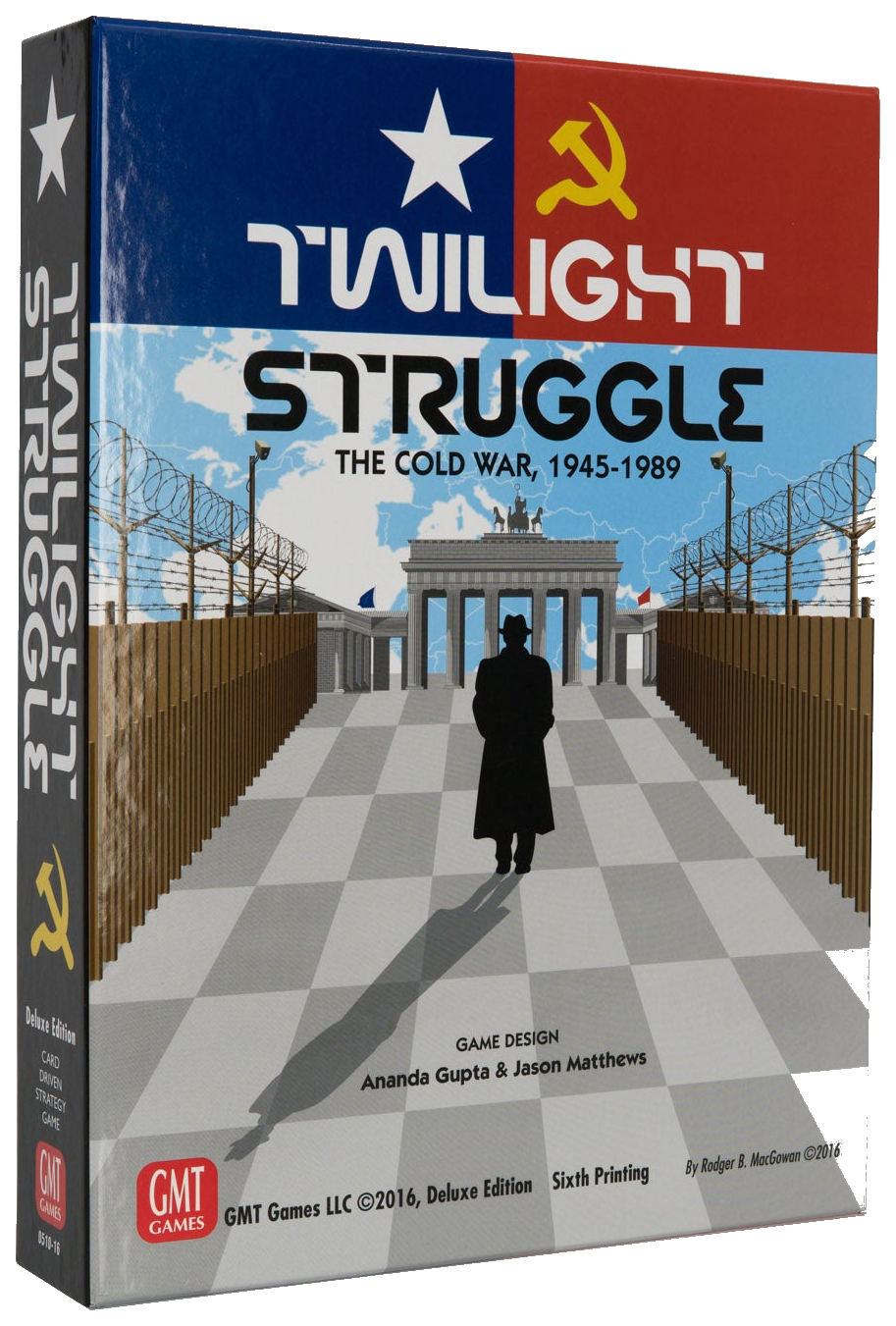
Twilight Struggle
Why it made the listTwilight Struggle turns the Cold War into a tense two-player card-driven contest. Every event may help the opponent, scoring cards punish neglected regions, and the DEFCON track constrains aggression, so hand management, tempo, bluffing, and geographic priorities remain entangled across three historical eras.
8.3 rating 2–2 players 120–180 min 3.6/5 weightView game details -
04
2023
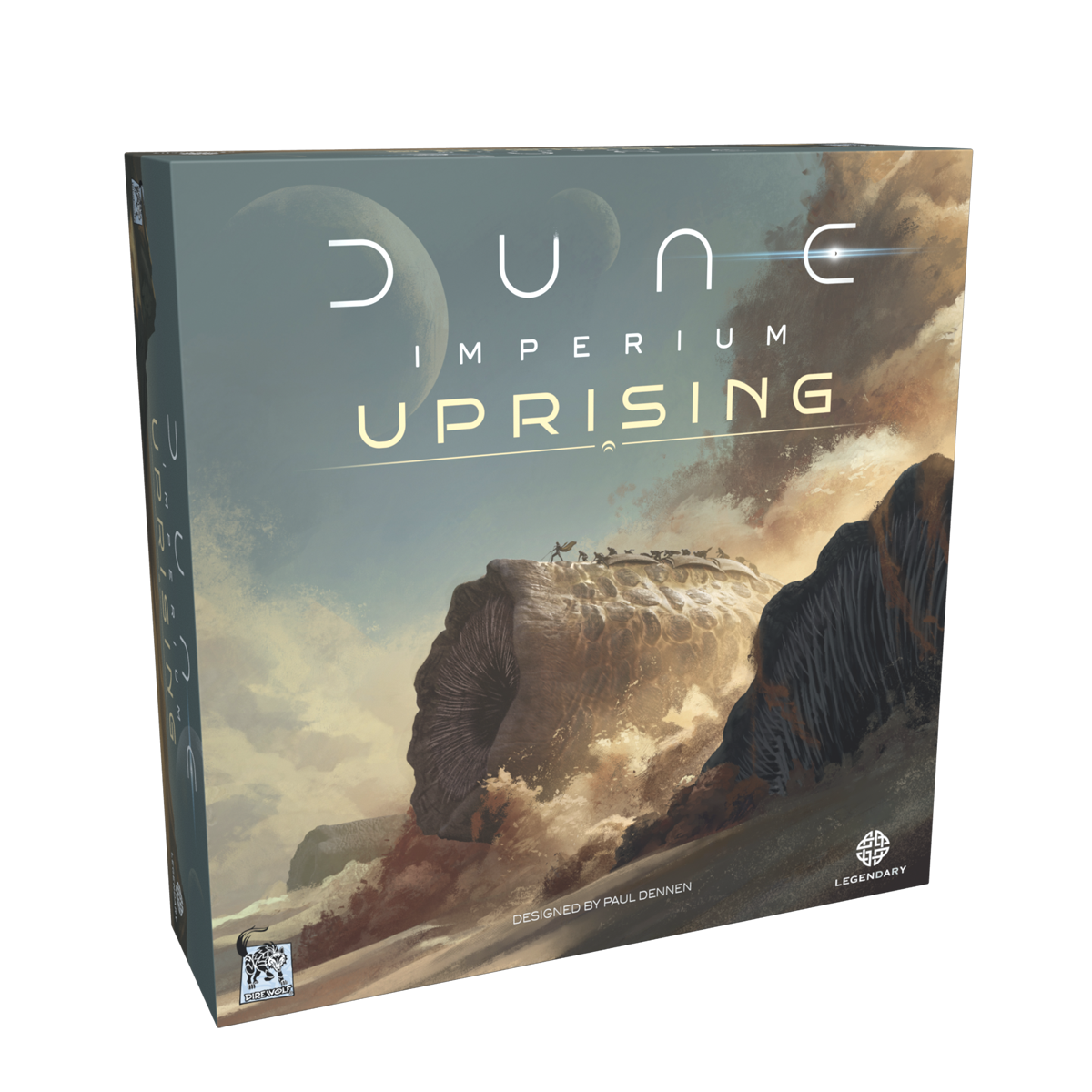
Dune: Imperium – Uprising
Why it made the listUprising combines worker placement, deck-building, faction influence, contracts, and decisive conflict in a tight race to ten points. Board access and reveal strength come from the same cards, while spies and sandworms create dramatic timing windows, making tactical opportunities serve a legible long-term strategy.
8.7 rating 1–6 players 60–120 min 3.5/5 weightView game details -
05
2017
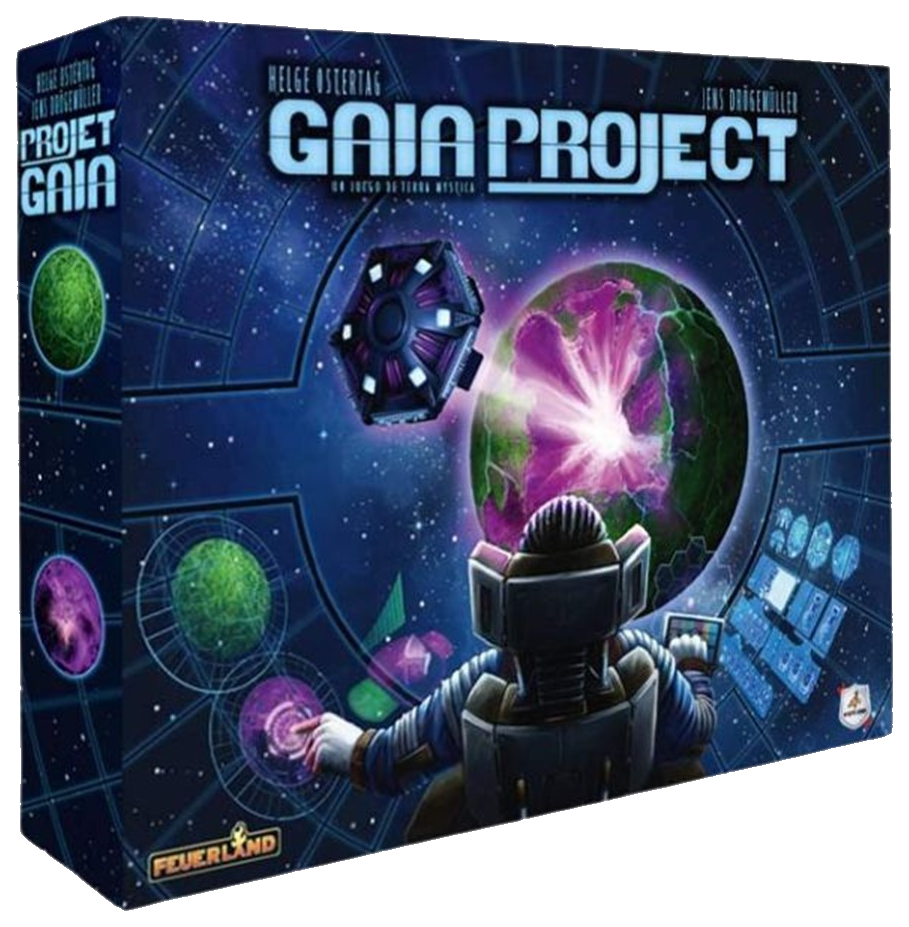
Gaia Project
Why it made the listGaia Project offers deep asymmetric development without combat. Factions terraform planets, cycle power, form federations, and advance six technologies, while round goals and a variable map reshape priorities; interaction comes from proximity, shared actions, races, and the cost of expanding beside efficient rivals.
8.4 rating 1–4 players 60–150 min 4.4/5 weightView game details -
06
2019
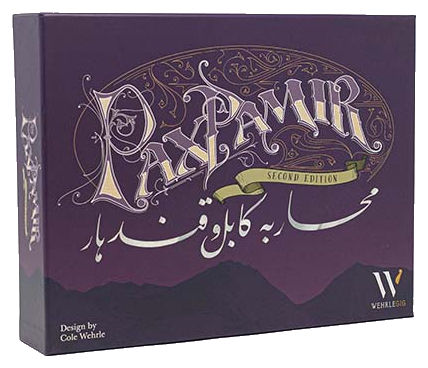
Pax Pamir: Second Edition
Why it made the listPax Pamir makes allegiance temporary and strategic. Players build courts, deploy tribes and spies, shift among Afghan, British, and Russian coalitions, and trigger dominance checks, so a winning position can require strengthening a coalition now and abandoning it before former partners share the reward.
8.2 rating 1–5 players 45–120 min 3.8/5 weightView game details -
07
2018
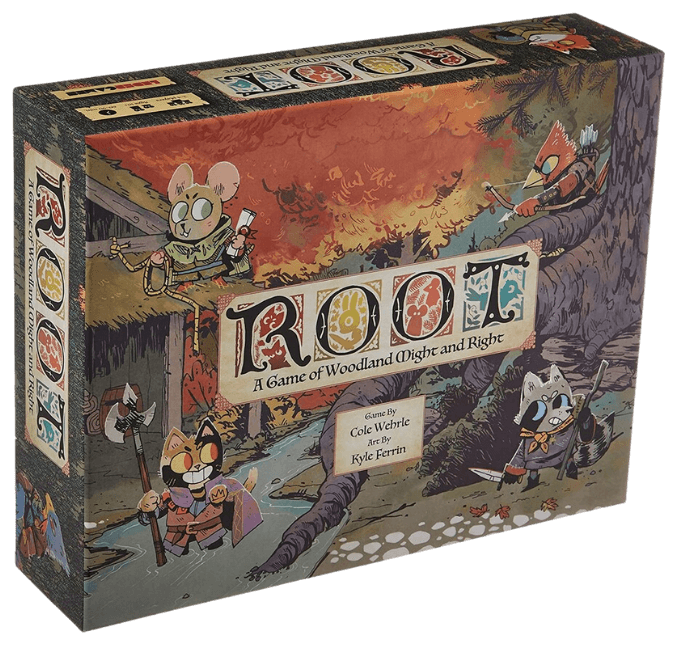
Root
Why it made the listRoot creates strategy through radical asymmetry: each faction scores, moves, and values the woodland differently. The shared map forces players to understand not only their own engine but when another faction is approaching a burst turn, making table balance, tactical attacks, and negotiation part of mastery.
8.1 rating 2–4 players 60–90 min 3.8/5 weightView game details -
08
2020
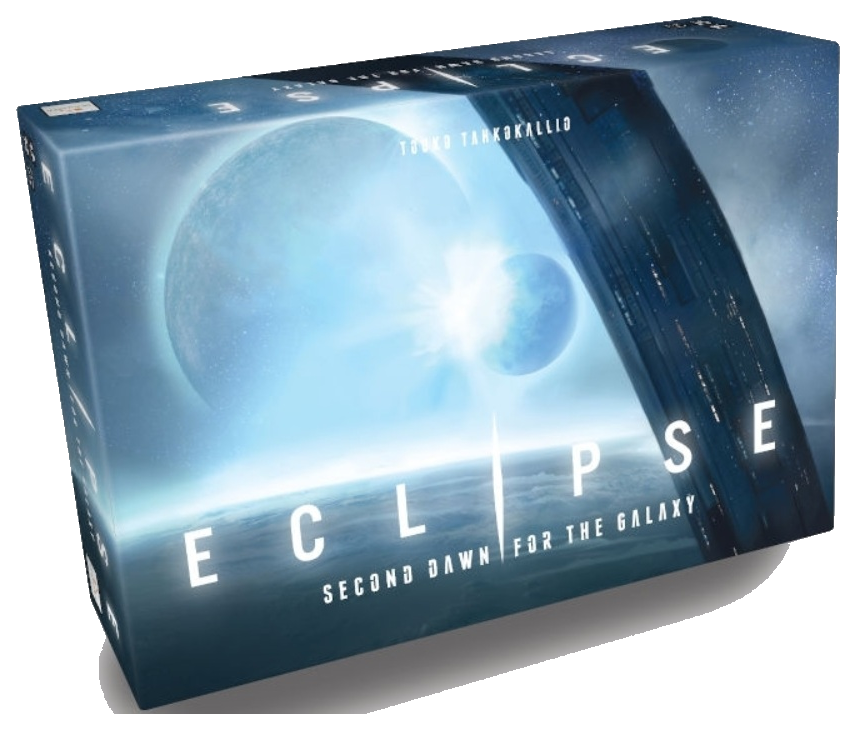
Eclipse: Second Dawn For The Galaxy
Why it made the listEclipse: Second Dawn for the Galaxy combines exploration, economic management, technology, diplomacy, and customizable fleets in a focused 4X arc. Random discoveries create adaptation, but population allocation and ship design give players strong control over whether an empire expands, researches, fortifies, or attacks.
8.5 rating 2–6 players 60–200 min 3.7/5 weightView game details -
09
2013
Concordia
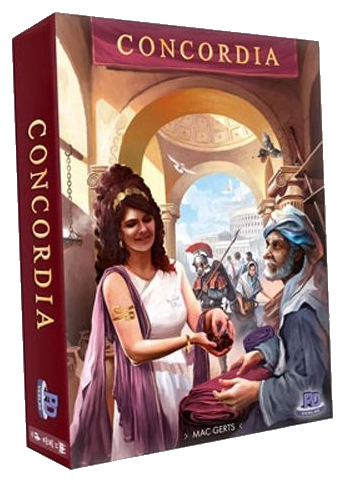
Why it made the listConcordia achieves strategic depth with peaceful, transparent rules. Each personality card both performs an action and defines end-game scoring, cities create shared production, and the hand only resets through the Tribune, so route expansion, tempo, card acquisition, and hidden scoring priorities reinforce one another.
8.1 rating 2–5 players 3.0/5 weightView game details -
10
1997
Tigris & Euphrates
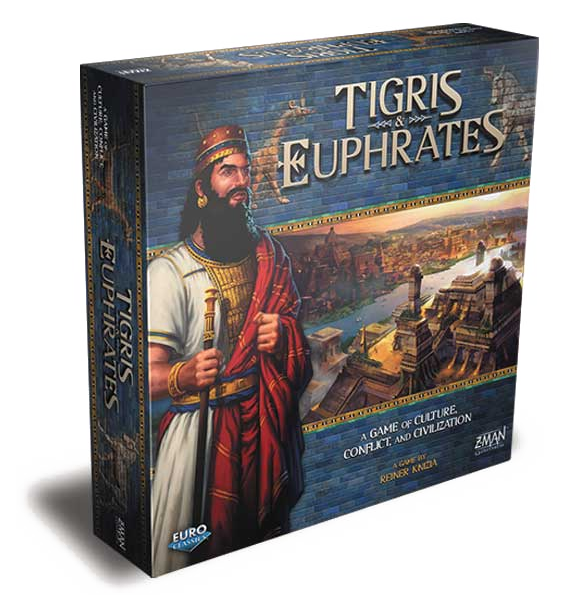
Why it made the listTigris & Euphrates is a timeless shared-map strategy in which leaders score four colours and the lowest category determines success. Kingdoms merge, internal revolts differ from external wars, and monuments alter incentives, creating sharp positional conflict from a concise set of tile-placement rules.
7.7 rating 2–4 players 3.5/5 weightView game details -
11
2016
Agricola (revised Edition)
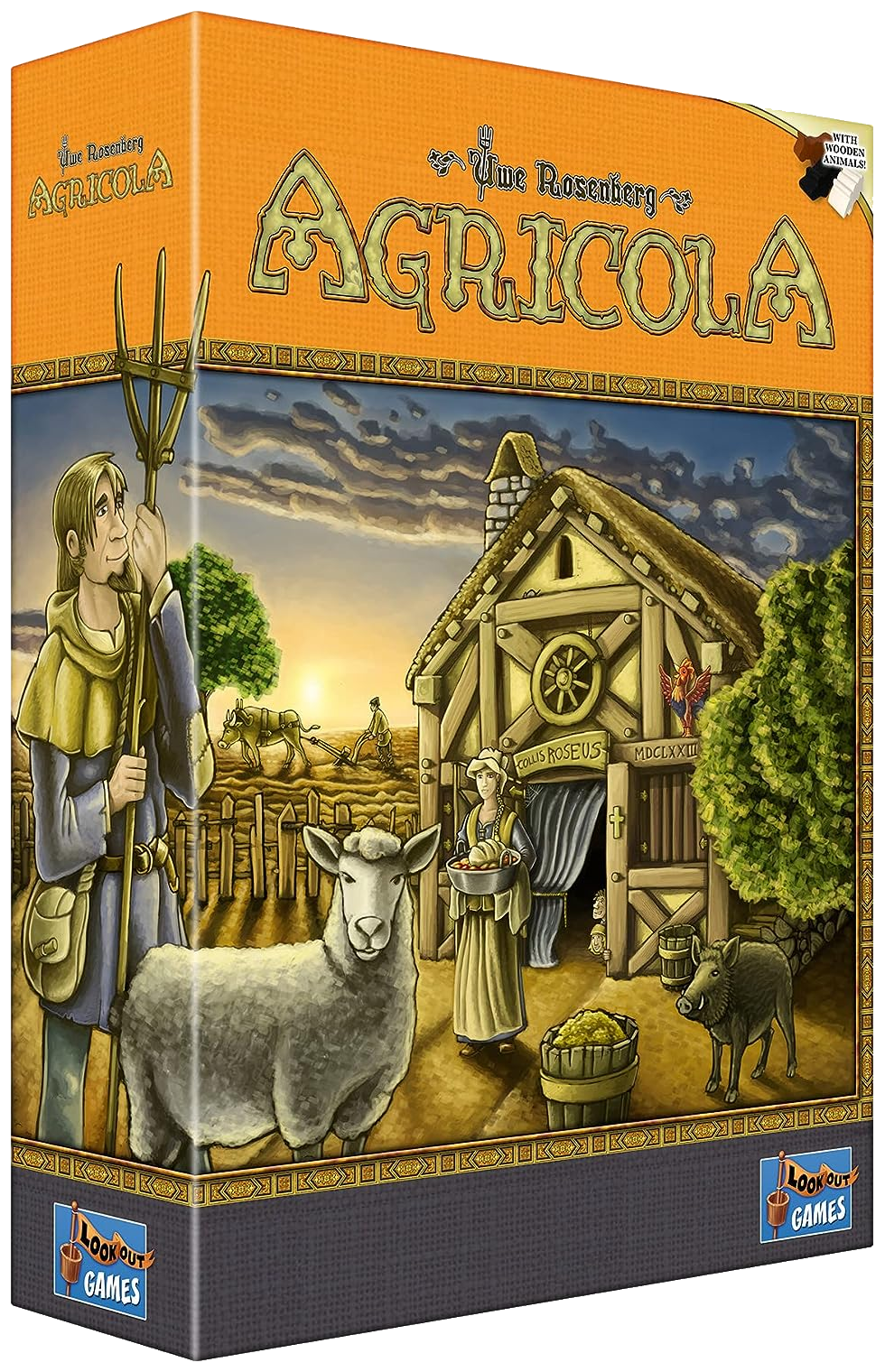
Why it made the listAgricola makes every family farm a plan under pressure. Drafted occupations and improvements suggest a direction, but contested action spaces, harvests, feeding, and the need for a balanced holding force adaptation, rewarding players who convert scarce turns into a coherent household rather than follow one script.
8.0 rating 1–4 players 30–120 min 3.5/5 weightView game details -
12
2011
The Castles Of Burgundy
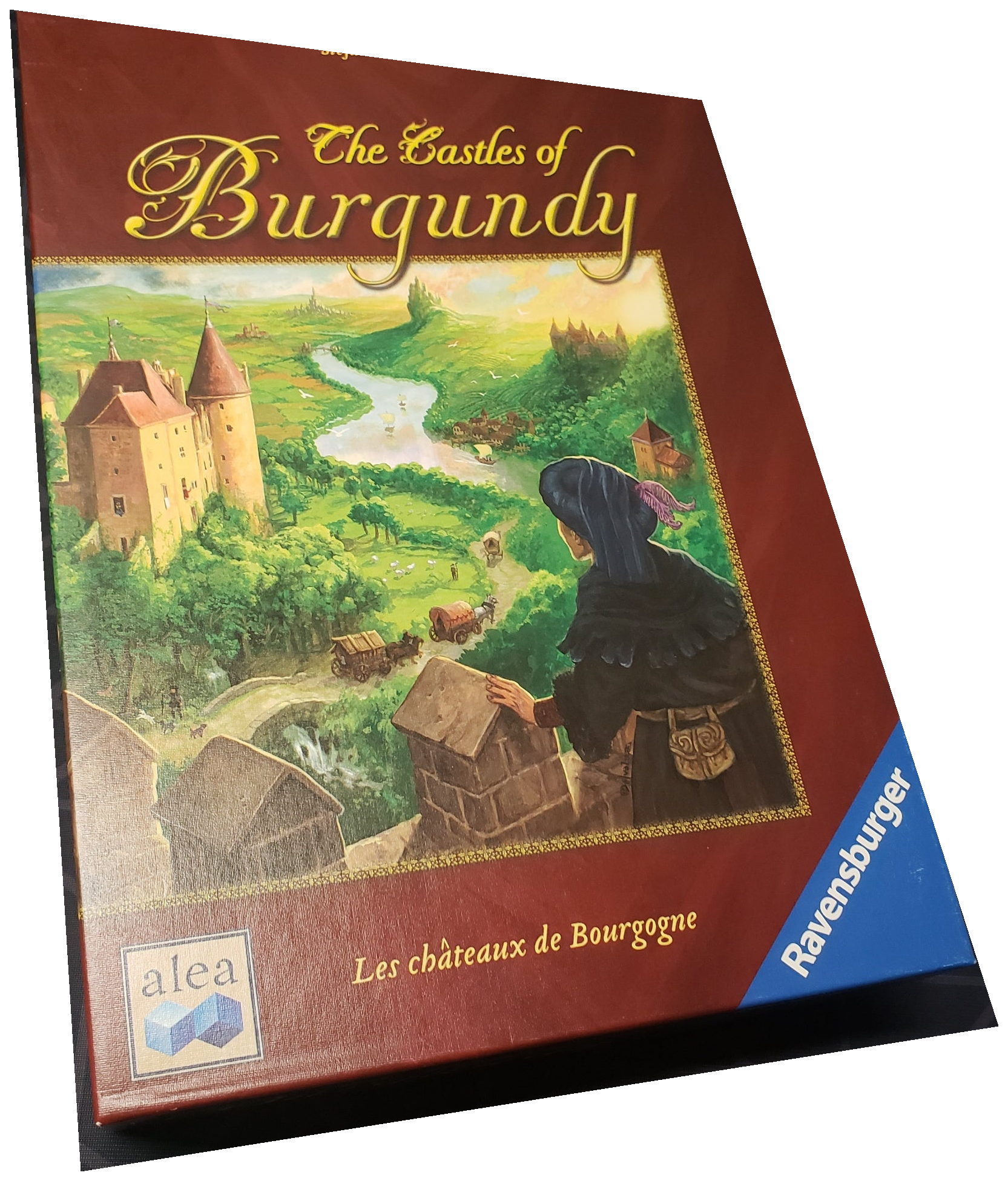
Why it made the listThe Castles of Burgundy is the mid-weight strategy choice, especially for two. Dice determine available values but workers and many valid uses provide control, while tile placement creates action chains, region completion, animals, shipping, and knowledge effects, rewarding tactical conversion within a long-term estate plan.
8.1 rating 2–4 players 30–90 min 3.0/5 weightView game details -
13
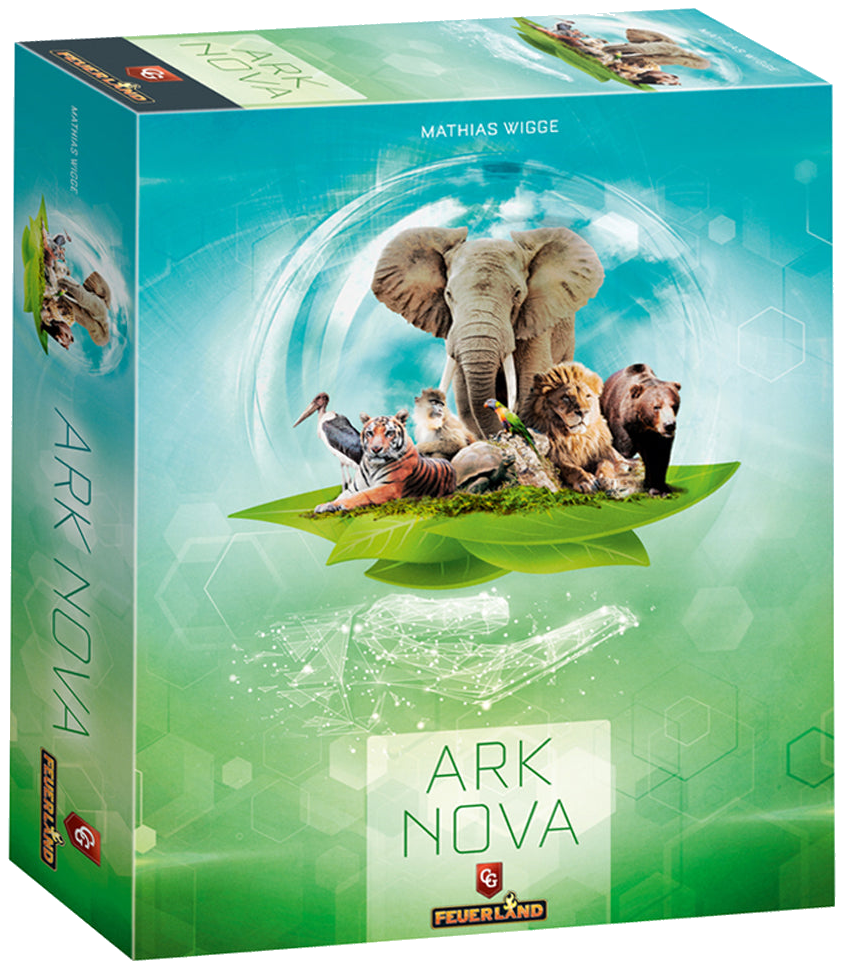
2021
Ark Nova
Why it made the listArk Nova builds a zoo through an action-strength row, a huge card ecosystem, sponsors, associations, enclosures, and conservation projects. Appeal and conservation converge to end the game, so efficient development must pivot toward objectives before the tableau’s many attractive possibilities consume too much time.
8.5 rating 1–4 players 90–150 min 3.7/5 weightView game details -
14
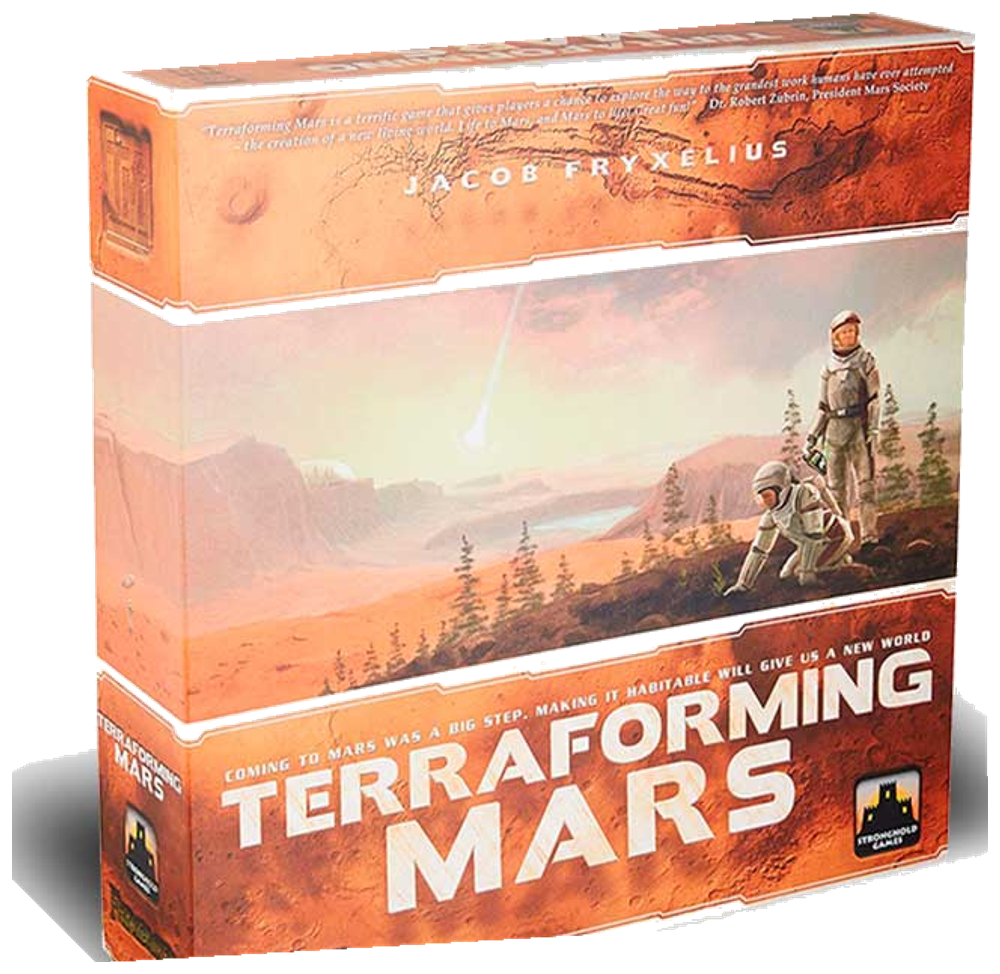
2016
Terraforming Mars
Why it made the listTerraforming Mars gives corporations hundreds of project cards, production tracks, a shared planetary map, milestones, and awards. The strategic challenge is choosing which synergies deserve investment while temperature, oxygen, and oceans create a public clock that rivals can accelerate before a private engine pays off.
8.4 rating 1–5 players 3.3/5 weightView game details -
15
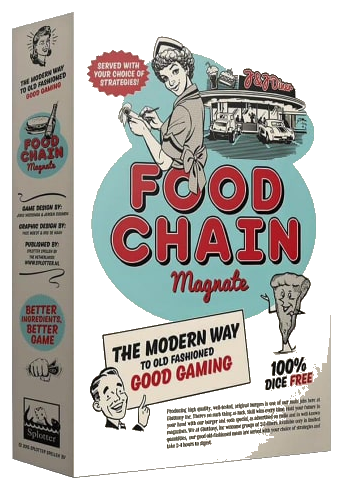
2015
Food Chain Magnate
Why it made the listFood Chain Magnate is an unforgiving economic strategy about building an organisation, creating demand, setting prices, and delivering food through a shared city. With no randomness or catch-up, recruiting and marketing decisions reshape the market itself, making opponent observation essential from the first hire.
8.1 rating 2–5 players 120–240 min 4.2/5 weightView game details -
16
Board game
Power Grid
Why it made the listPower Grid links auctions, route expansion, plant capacity, turn order, and a responsive resource market. Buying the best-looking plant can be a trap if it raises position or fuel costs, so strategic success comes from judging when to lag, when to expand, and when rivals are about to change the game’s phase.
7.8 rating 2–6 players 3.3/5 weightView game details -
17
1995
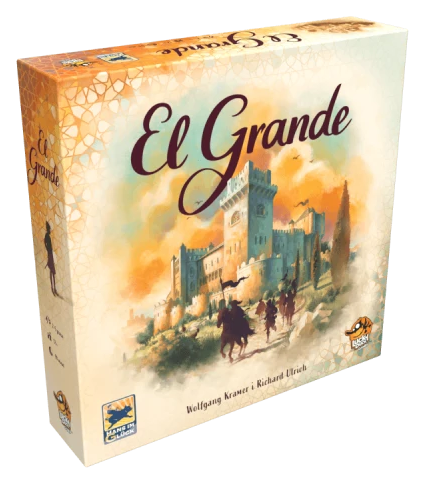
El Grande
Why it made the listEl Grande remains the foundational area-majority strategy. Players bid for turn order, choose powers, deploy caballeros, and use the concealed Castillo before three scoring rounds, creating a highly interactive map where temporary cooperation and precise timing matter more than building a private engine.
7.7 rating 2–5 players 60–120 min 3.0/5 weightView game details -
18
2015
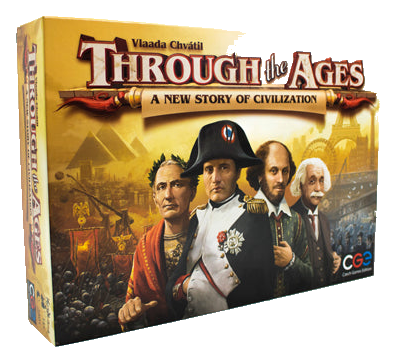
Through The Ages: A New Story Of Civilization
Why it made the listThrough the Ages turns civilization development into a multi-hour card and resource system. Population, food, production, science, culture, government, and military must grow together, while events and aggression punish imbalance, rewarding long-range planning that can absorb the changing card row and rival threats.
8.3 rating 2–4 players 4.4/5 weightView game details -
19
2011
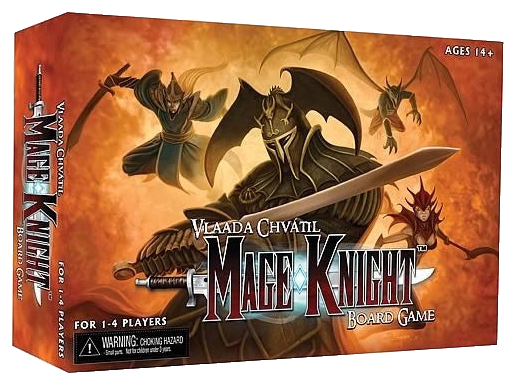
Mage Knight Board Game
Why it made the listMage Knight is the solo and cooperative strategy epic: a small deck drives movement, influence, recruitment, and deterministic combat across an explored map. Day and night, mana, wounds, units, and card upgrades make each turn an optimisation puzzle whose solution must still advance a larger campaign objective.
8.1 rating 1–4 players 60–240 min 4.4/5 weightView game details -
20
Board game
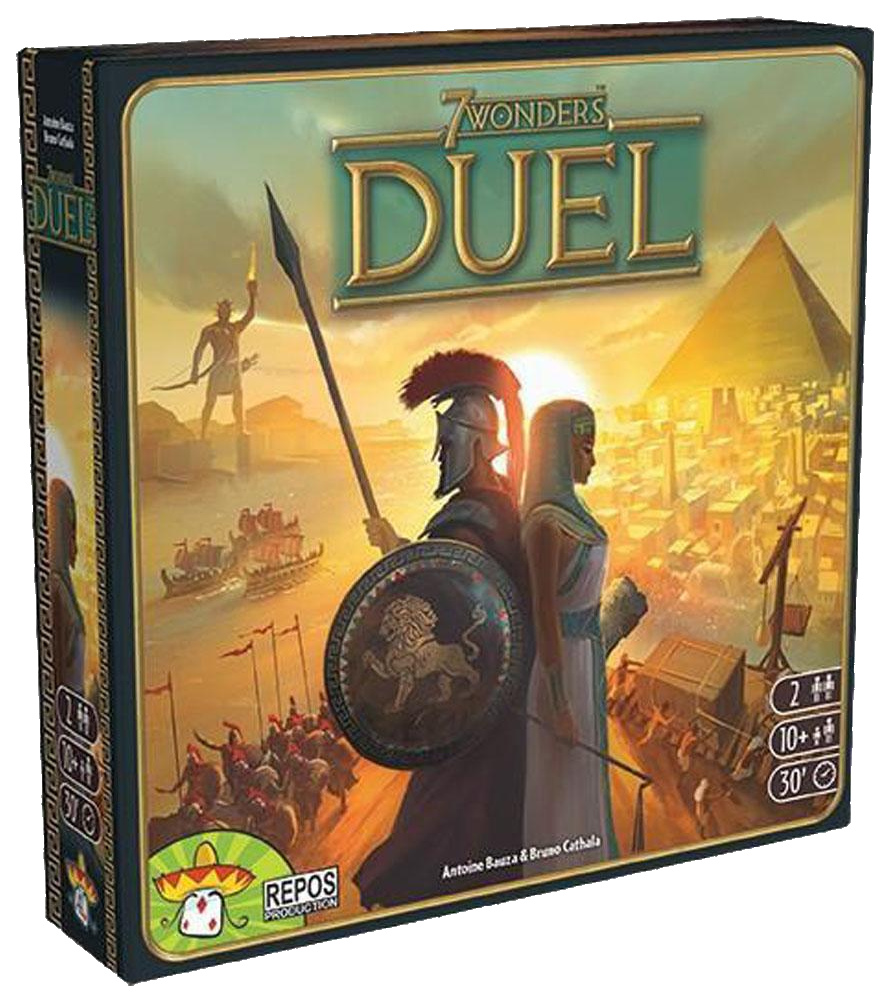
7 Wonders Duel
Why it made the list7 Wonders Duel offers a rich strategy game in under an hour for exactly two. Selecting one card exposes others, resources alter construction costs, science and military can win instantly, and wonders manipulate turn order, ensuring every personal development choice also changes the opponent’s tactical options.
8.1 rating 2–2 players 2.2/5 weightView game details
Buying advice
What makes a strong pick?
Strategy matters when a plan has consequences but cannot remain static. Rivals consume shared opportunities, reveal new priorities, and force trade-offs between immediate tempo and long-term position. These games reward repeated study because the strongest move depends on the table, not merely on remembering an efficient opening.
Who this list is for
Players looking for substantial decisions and multiple viable plans, whether they prefer a two-player duel, a demanding solo or cooperative puzzle, an interactive Eurogame, or an evening of asymmetric conflict.
What stands out
The selection covers economic networks, cooperation, card-driven history, worker placement, area control, 4X, civilization, farming, tableau building, political coalitions, spatial tactics, and accessible two-player strategy.
What to consider
“Strategy” is broader than “heavy.” Complexity ranges from approachable to expert, and duration from under an hour to most of a day. Luck, negotiation, direct conflict, and ideal count also vary sharply, so use each note to match the strategic experience to the group.
Our methodology
How this guide is built
This is an editorial selection from the catalog’s Strategy Games classification. Ordering weighs decision quality, strategic variety, interaction, replayability, system coherence, critical and historical significance, availability, player-count usefulness, and the distinct strategic tradition each game represents.
Ratings and rank are useful signals, not the whole recommendation. ABG keeps the URL stable and refreshes the ordering as its catalog evidence improves.
Questions, answered
About this list
How were the games on this list chosen?
This is an editorial selection from the catalog’s Strategy Games classification. Ordering weighs decision quality, strategic variety, interaction, replayability, system coherence, critical and historical significance, availability, player-count usefulness, and the distinct strategic tradition each game represents.
Who is this list most useful for?
Players looking for substantial decisions and multiple viable plans, whether they prefer a two-player duel, a demanding solo or cooperative puzzle, an interactive Eurogame, or an evening of asymmetric conflict.
How often is this list updated?
ABG refreshes official lists as catalog rankings, ratings, specifications, and classifications improve. The URL stays stable when the order changes.