Best Science-Fiction Board Games
Twenty futures shaped by technology, distance, alien minds, survival, and contested visions of progress.
The complete ranking
20 games to consider
Twenty editor-picked science-fiction board games, from tense missions to galactic epics.
-
01
2023
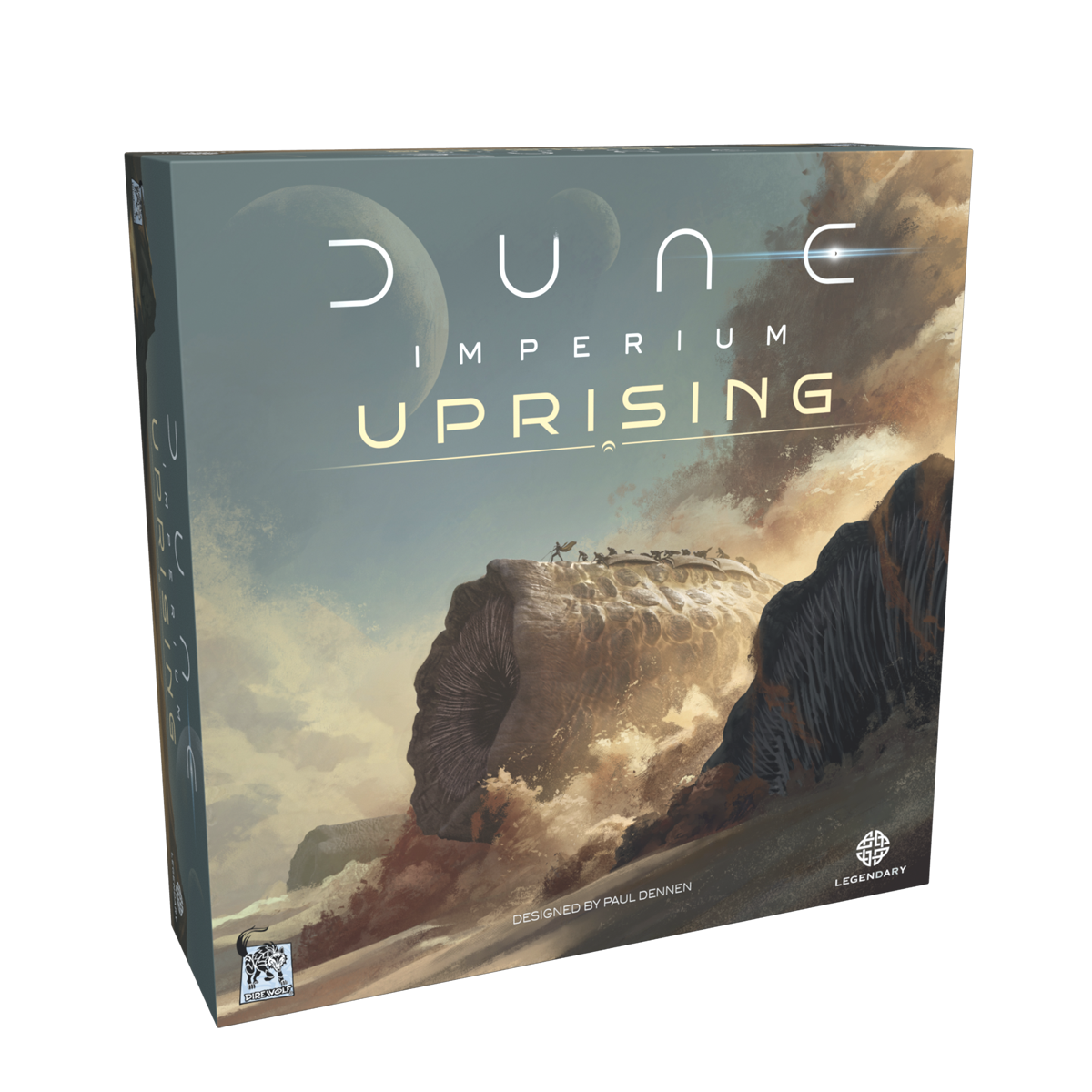
Dune: Imperium – Uprising
Why it made the listDune: Imperium – Uprising leads because politics, scarcity, foresight, and sudden violence reinforce one another. Cards send agents to factions and board spaces before supporting a reveal turn, while spies, contracts, troops, and sandworms make every resource part of a contest over influence and a decisive conflict.
8.7 rating 1–6 players 60–120 min 3.5/5 weightView game details -
02
2016
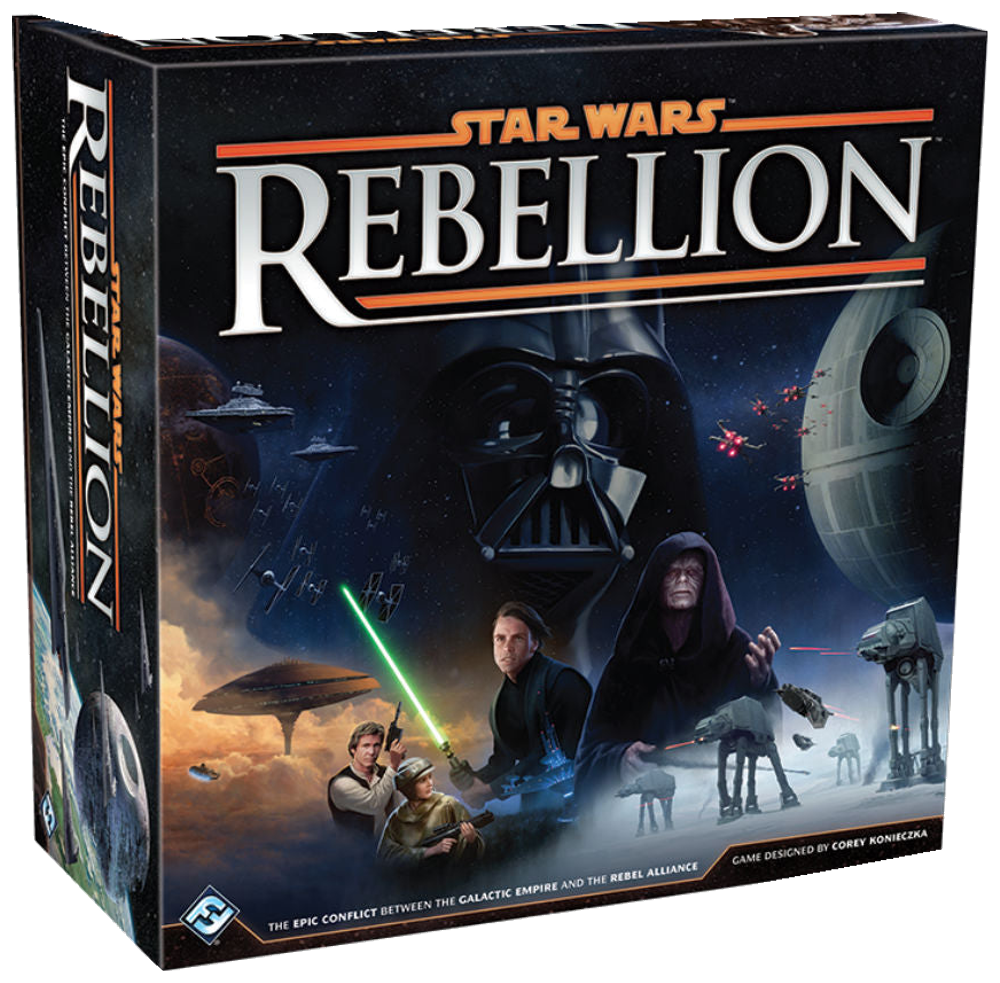
Star Wars: Rebellion
Why it made the listStar Wars: Rebellion turns the original trilogy into an asymmetric strategic hunt for two. The Empire searches the galaxy with overwhelming fleets while the Rebels operate from a hidden base and race to inspire the population, making intelligence, missions, captured leaders, and time feel as important as battles.
8.4 rating 2–4 players 180–240 min 3.7/5 weightView game details -
03
2016
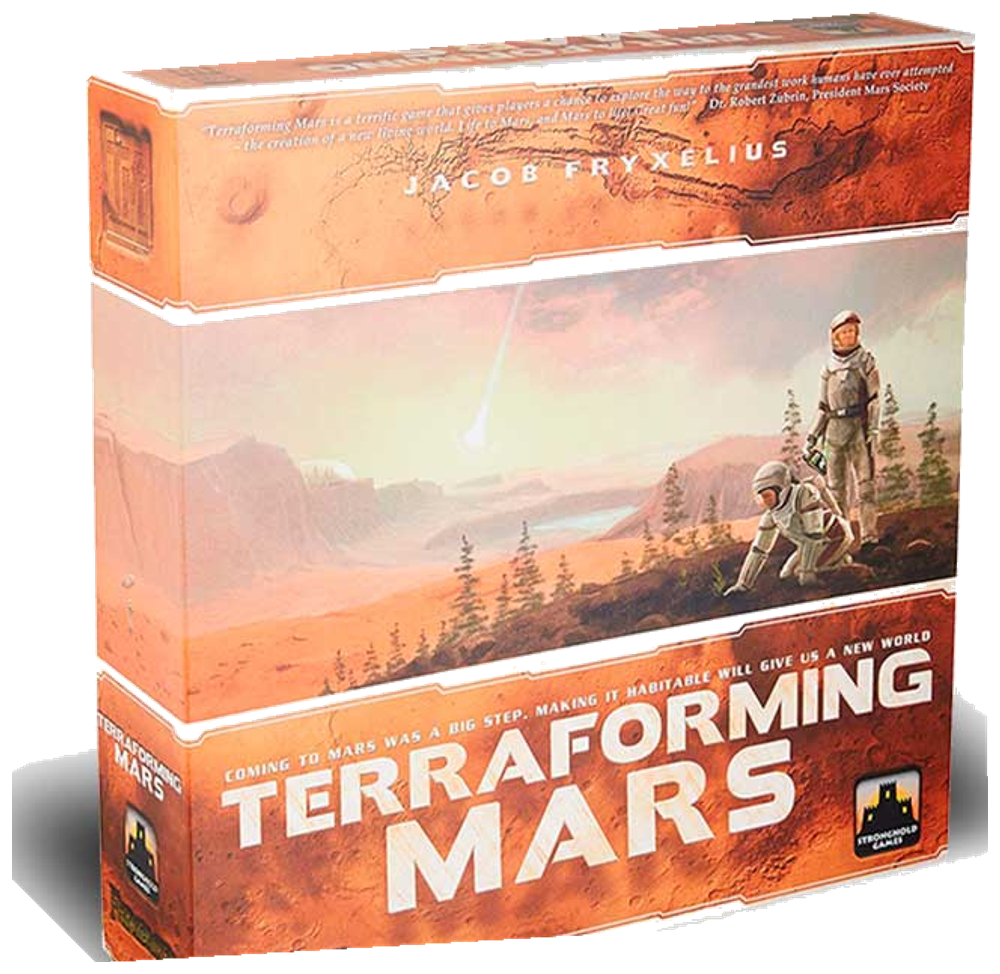
Terraforming Mars
Why it made the listTerraforming Mars makes a scientific premise into both engine and deadline. Corporations fund projects, raise production, place oceans and cities, and compete over milestones while temperature, oxygen, and water advance for everyone, so private technology portfolios develop against one shared planetary transformation.
8.4 rating 1–5 players 3.3/5 weightView game details -
04
2020
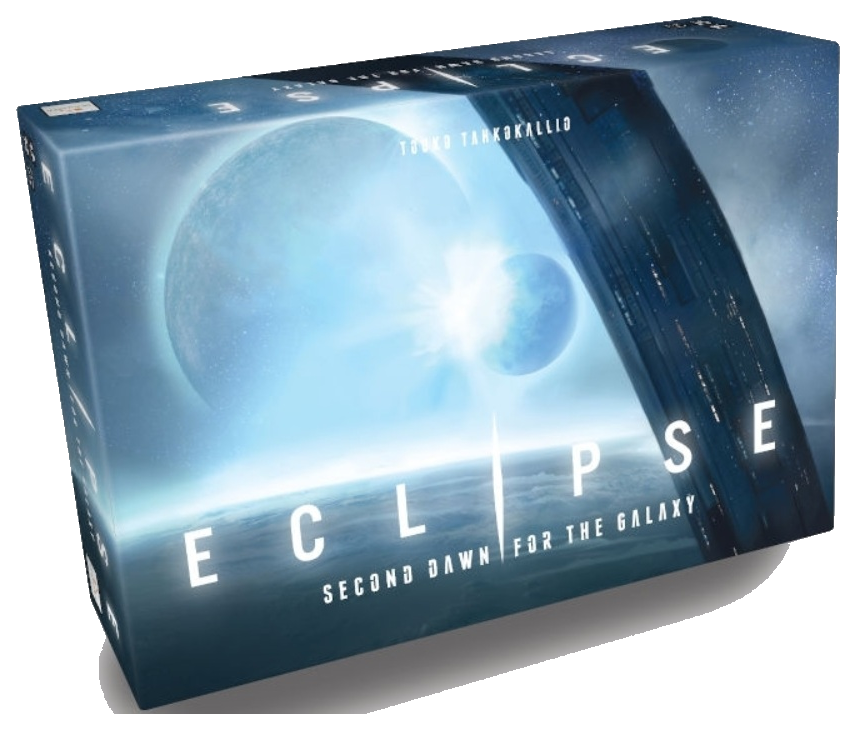
Eclipse: Second Dawn For The Galaxy
Why it made the listEclipse: Second Dawn for the Galaxy compresses a space civilization arc into exploration, diplomacy, research, population management, and customizable fleets. Hex discoveries preserve uncertainty, but ship blueprints and economic discs give players control over whether their species expands peacefully or prepares for a decisive war.
8.5 rating 2–6 players 60–200 min 3.7/5 weightView game details -
05
2018
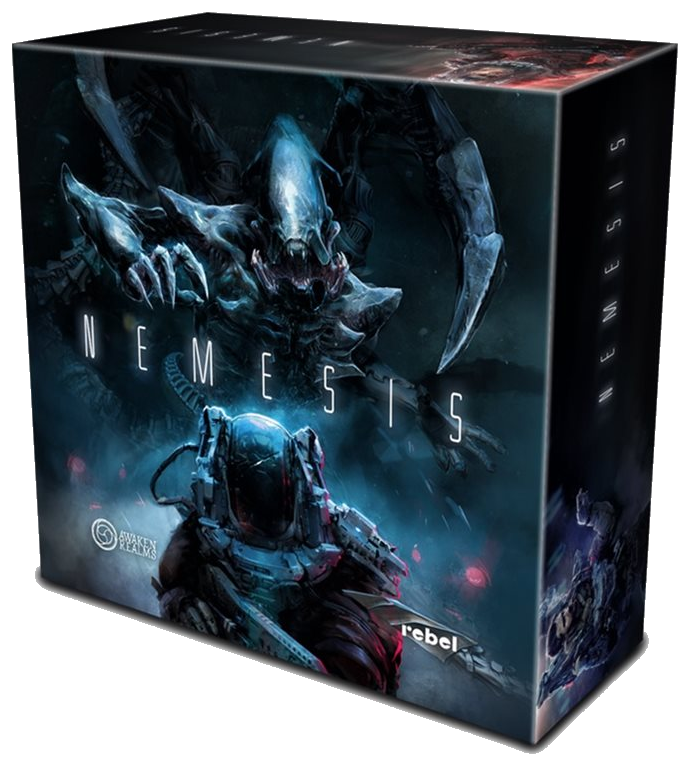
Nemesis
Why it made the listNemesis is survival-horror science fiction built from uncertain cooperation. Players pursue private objectives while noise attracts evolving intruders, ship systems fail, wounds hide infection, and escape routes disappear, creating cinematic distrust without requiring every game to contain a formal traitor.
8.3 rating 1–5 players 90–180 min 3.5/5 weightView game details -
06
2017
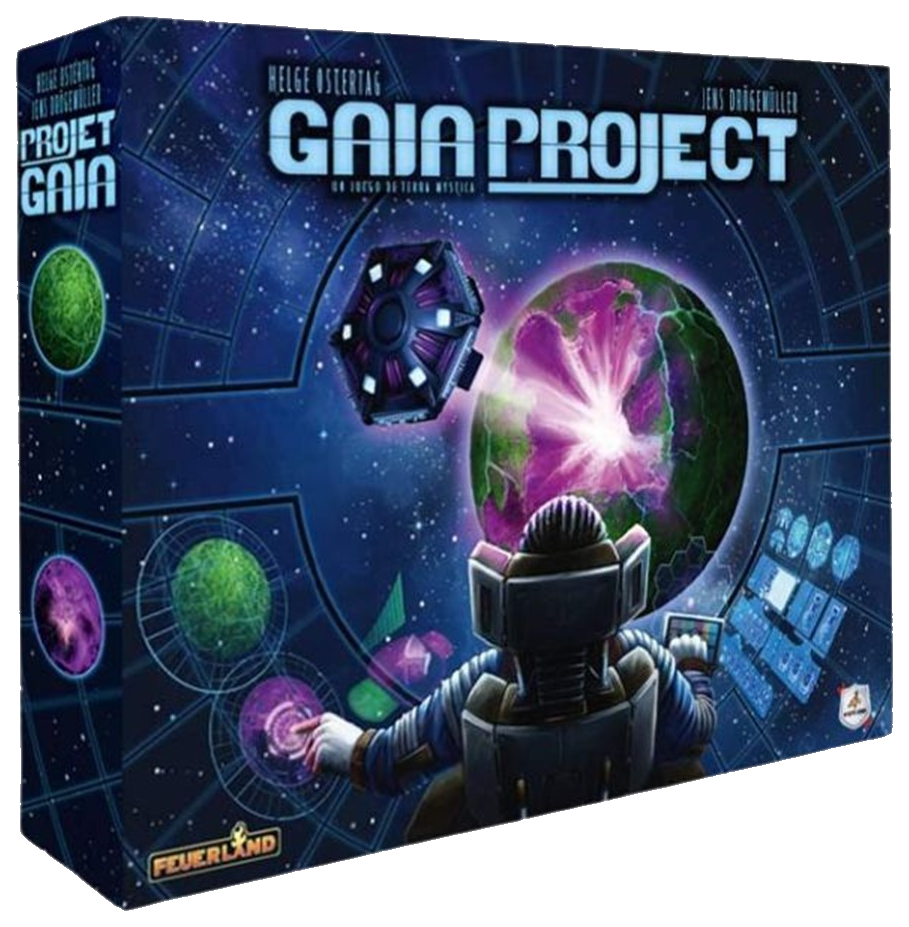
Gaia Project
Why it made the listGaia Project imagines fourteen species with different planetary needs, power economies, and technologies. Terraforming range, federation networks, research tracks, and proximity rewards make expansion a puzzle about inhabitable worlds and energy circulation rather than a generic map painted with stars.
8.4 rating 1–4 players 60–150 min 4.4/5 weightView game details -
07
2012
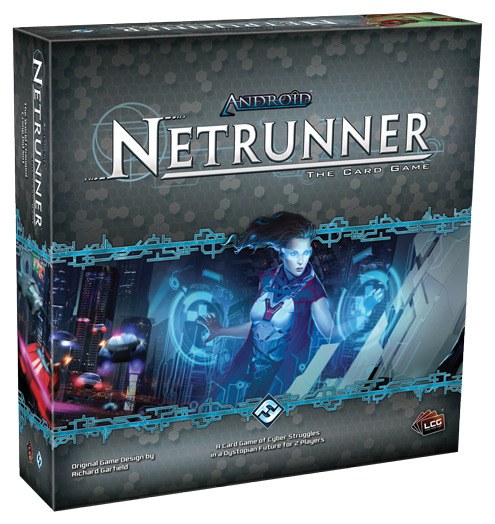
Android: Netrunner
Why it made the listAndroid: Netrunner is the definitive cyberpunk duel: one player hides agendas behind corporate servers while the other builds a rig and risks intrusion. Asymmetric decks, bluffable defences, credits, clicks, tags, and stolen information turn surveillance and unequal power into the structure of play; availability now relies heavily on community support.
7.9 rating 2–2 players 3.4/5 weightView game details -
08
2021
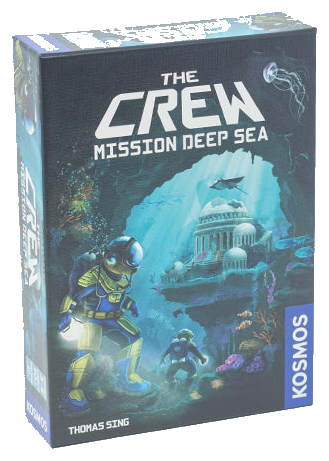
The Crew: Mission Deep Sea
Why it made the listThe Crew: Mission Deep Sea uses a speculative undersea expedition to organize cooperative trick-taking missions. Communication is restricted to one token, task conditions change how familiar card play must work, and the team learns to signal through leads and voids, delivering dozens of tense missions with almost no setup.
8.2 rating 2–5 players 2.1/5 weightView game details -
09
2018
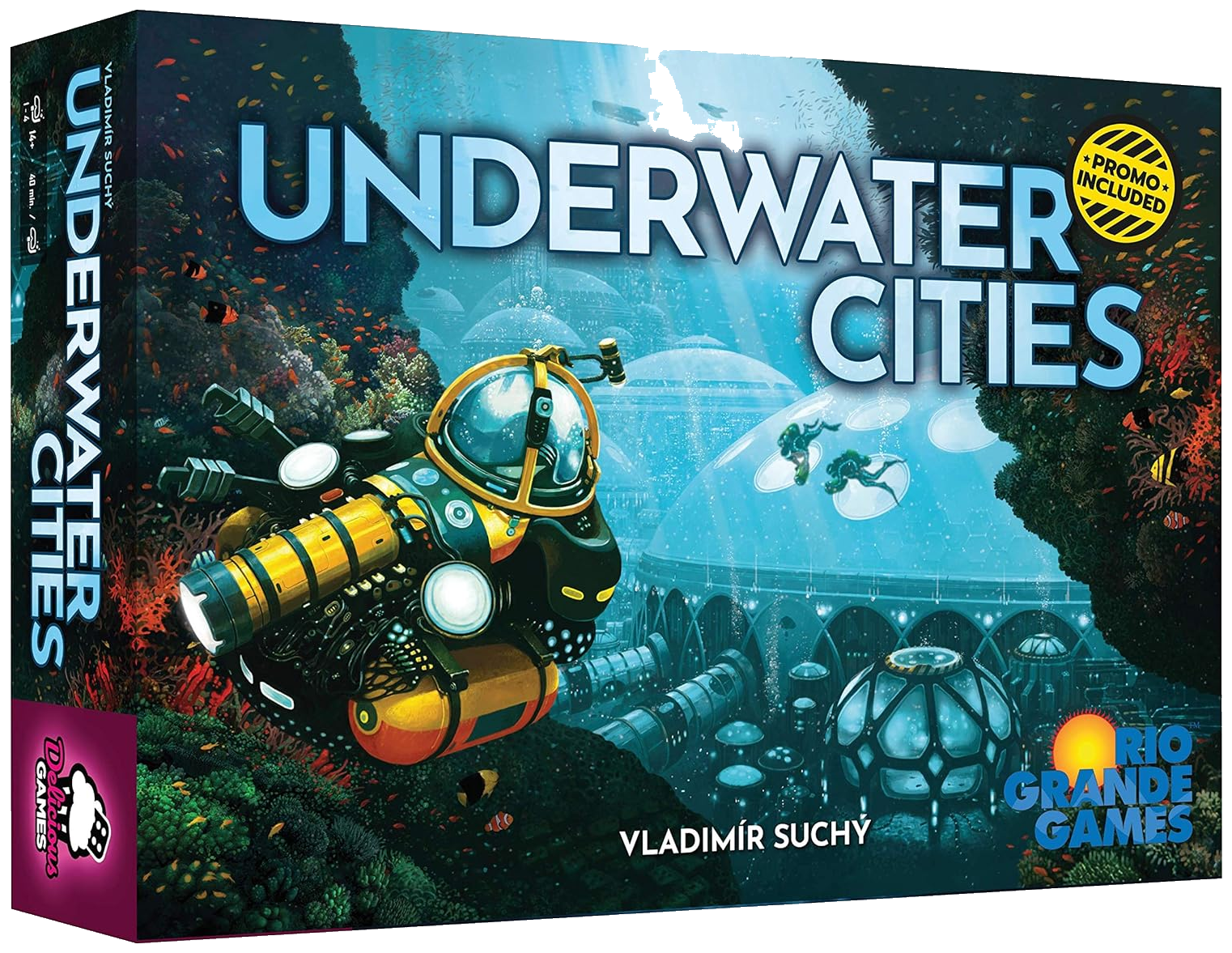
Underwater Cities
Why it made the listUnderwater Cities asks players to build a survivable network beneath an overcrowded future Earth. Matching coloured cards to shared actions develops domes, tunnels, farms, laboratories, and desalination plants, linking the science-fiction city to a long production engine that must feed people as well as score.
8.1 rating 1–4 players 80–150 min 3.6/5 weightView game details -
10
2017
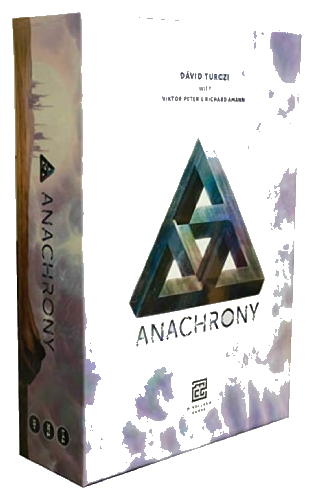
Anachrony
Why it made the listAnachrony makes time travel an economic obligation. Future resources can be borrowed before an asteroid impact, but later eras demand repayment or risk paradoxes, while powered exosuits send specialised workers into a threatened capital, turning preparedness, evacuation, and temporal debt into one worker-placement system.
8.1 rating 1–4 players 30–120 min 4.0/5 weightView game details -
11
2007
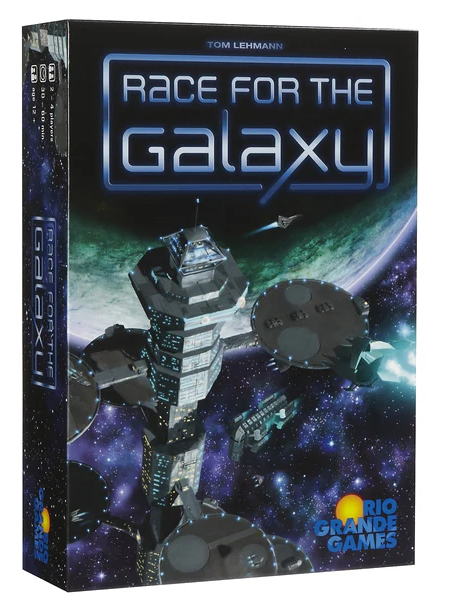
Race For The Galaxy
Why it made the listRace for the Galaxy builds a future civilization entirely from multi-use cards. Worlds, developments, military conquest, production, and consumption form fast tableau engines, while secretly chosen phases determine which actions everyone may perform, making technological specialisation and reading rivals equally important.
7.7 rating 2–4 players 30–60 min 3.0/5 weightView game details -
12
2020
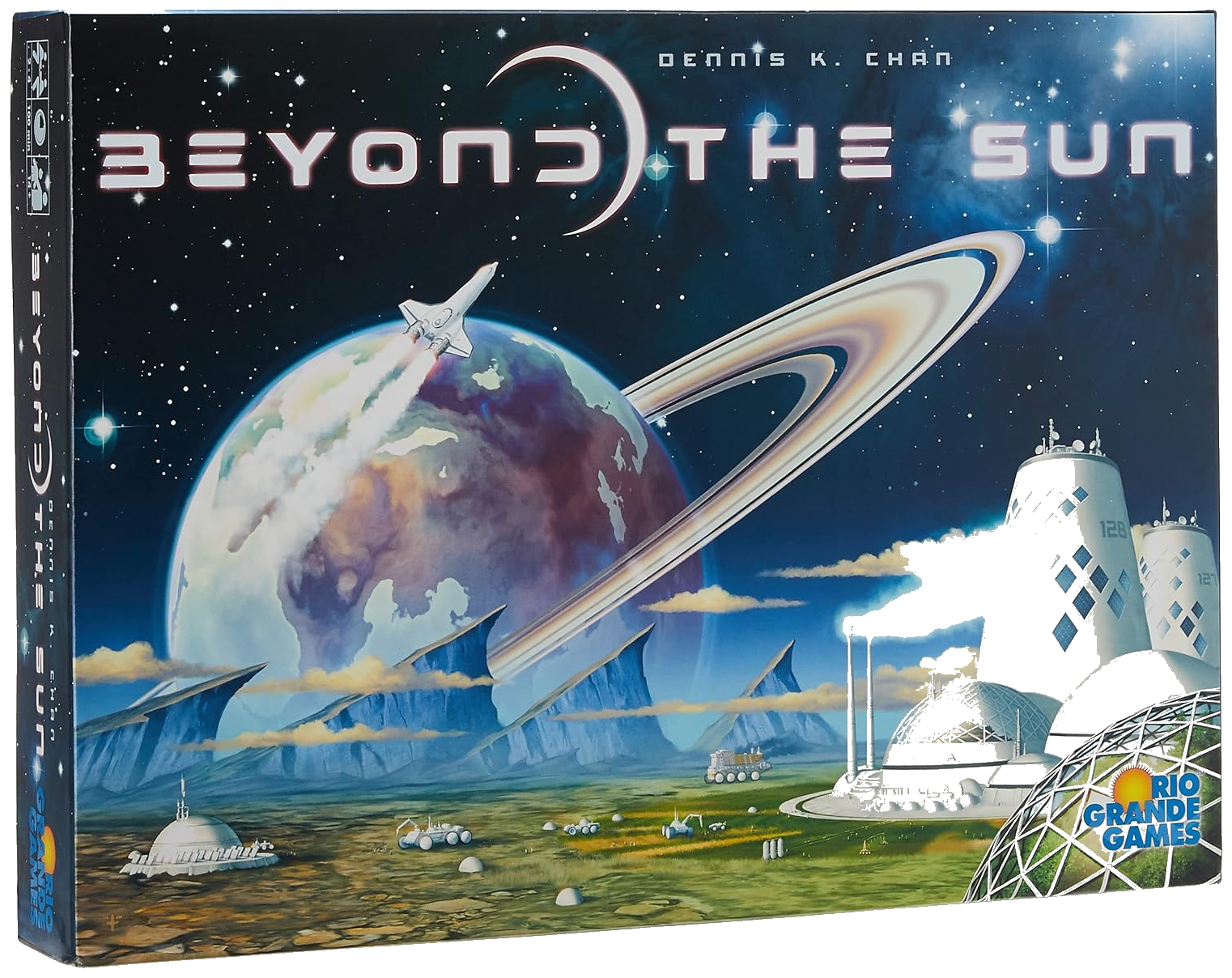
Beyond The Sun
Why it made the listBeyond the Sun places a shared technology web at the centre of civilization. Research unlocks new action spaces for everyone, automation expands production, and fleets contest systems and achievements, so scientific progress changes the rules available to rival societies instead of simply adding another victory-point track.
8.0 rating 2–4 players 60–120 min 3.1/5 weightView game details -
13
2008
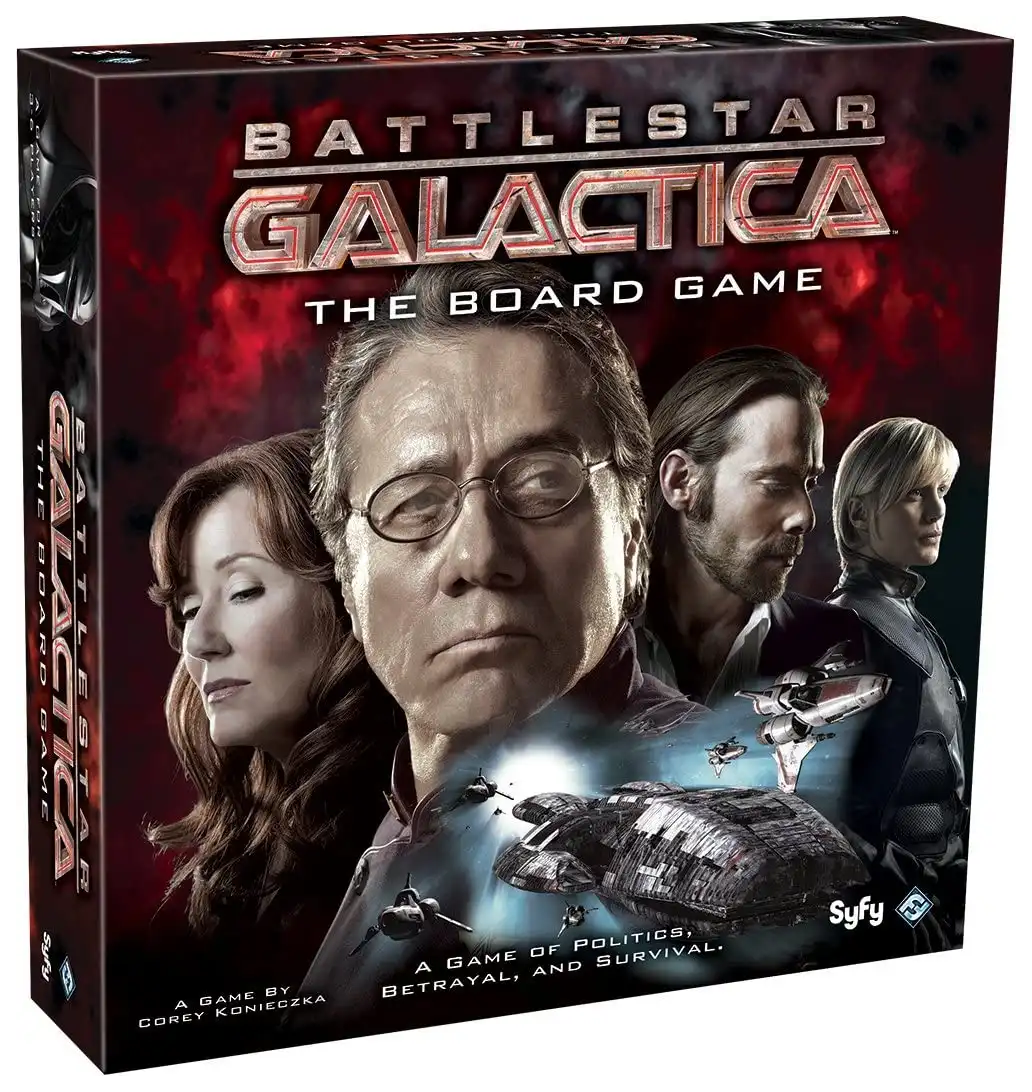
Battlestar Galactica: The Board Game
Why it made the listBattlestar Galactica recreates a desperate fleet whose human leaders may secretly be Cylons. Crisis cards drain shared resources, concealed skill checks permit sabotage, loyalty can change, and political or military offices carry real authority, making survival depend on cooperation that can never feel completely safe.
7.7 rating 3–6 players 120–180 min 3.3/5 weightView game details -
14
1979
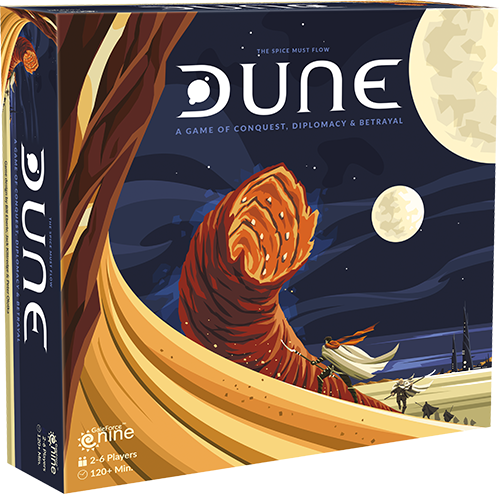
Dune
Why it made the listDune turns Arrakis into a six-faction negotiation and war game where each power breaks a different rule. The Atreides see future cards, the Bene Gesserit predict the winner, the Guild controls transport, and storms destroy exposed forces, making alliance, information, betrayal, and spice inseparable from Herbert’s politics.
7.9 rating 2–6 players 120–180 min 4.0/5 weightView game details -
15
2017
Sidereal Confluence
Why it made the listSidereal Confluence imagines alien civilizations whose economic converters are deliberately incompatible. Real-time, binding trades let species exchange cubes, planets, ships, promises, and technologies to create mutual surplus, so negotiation becomes a model of interdependence rather than decorative diplomacy between similar empires.
7.8 rating 4–9 players 120–180 min 3.5/5 weightView game details -
16
2008
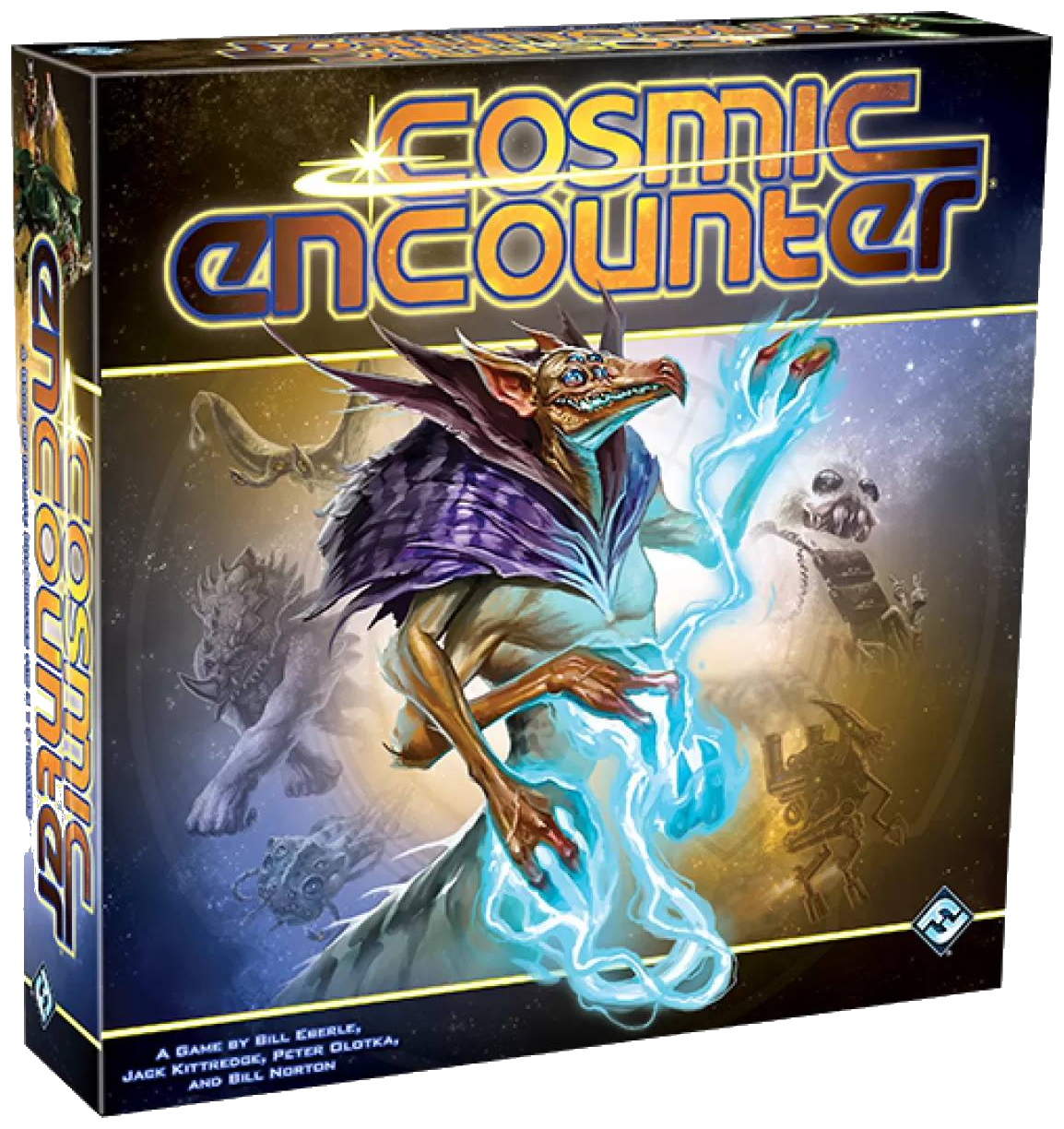
Cosmic Encounter
Why it made the listCosmic Encounter is exuberant alien science fiction in which dozens of powers overturn a simple encounter system. Attackers and defenders recruit allies, negotiate or fight, and may share victory, while every species changes a fundamental assumption, producing stories of improbable coalitions and perfectly legal unfairness.
7.5 rating 3–5 players 60–120 min 2.6/5 weightView game details -
17
2014
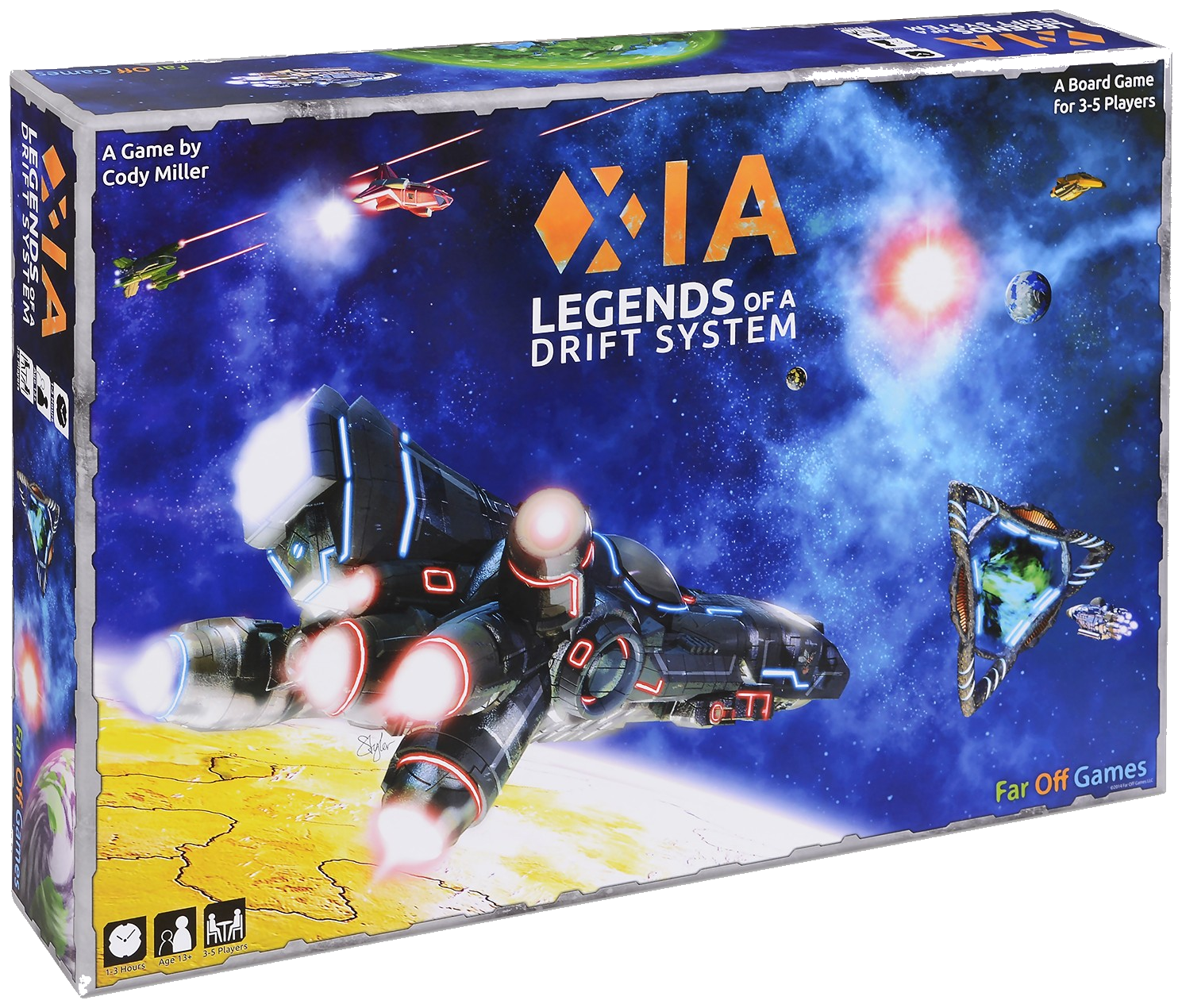
Xia: Legends Of A Drift System
Why it made the listXia: Legends of a Drift System gives captains a modular sandbox of exploration, trade, mining, missions, piracy, and ship upgrades. Movement dice and dangerous events keep the frontier volatile, while players choose whether their reputation comes from efficient hauling, discovery, opportunistic combat, or reckless fame.
7.9 rating 3–5 players 60–180 min 3.2/5 weightView game details -
18
2020
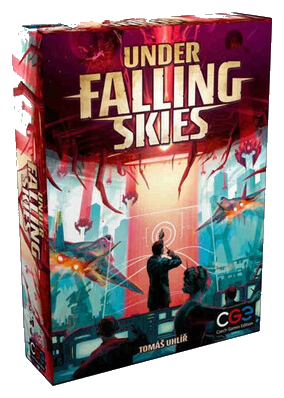
Under Falling Skies
Why it made the listUnder Falling Skies turns an alien invasion into a compact solo campaign. Dice activate underground rooms but also move enemy ships, forcing every powerful action to intensify the threat above, while city boards, characters, scenarios, and research create varied strategic stories from one elegant risk system.
7.7 rating 1–2 players 20–40 min 2.4/5 weightView game details -
19
2008
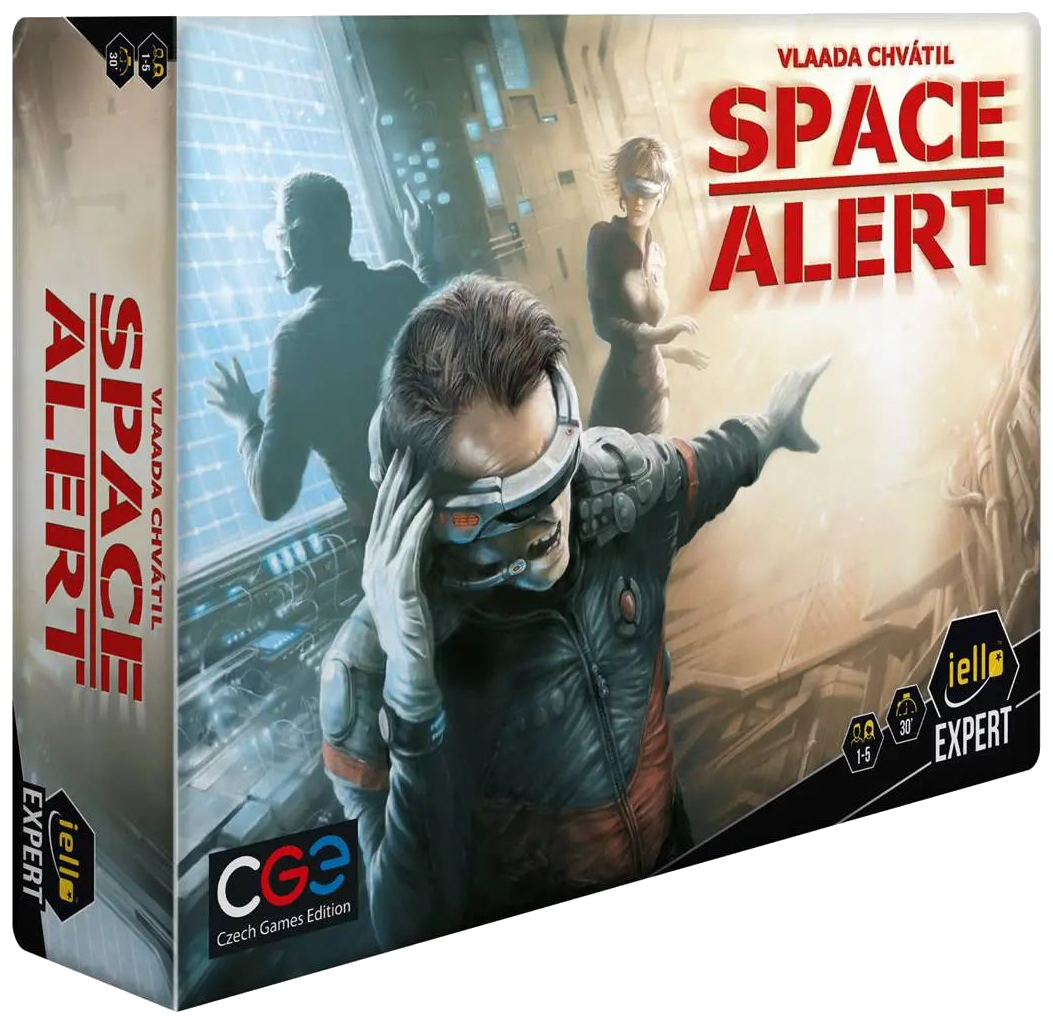
Space Alert
Why it made the listSpace Alert makes a dysfunctional starship crew cooperate in real time while an audio track announces incoming threats. Players program actions across phases, coordinate lifts and weapon systems, then watch the delayed resolution expose every misunderstanding, capturing the comedy and panic of operating technology under pressure.
7.4 rating 1–5 players 3.0/5 weightView game details -
20
2007
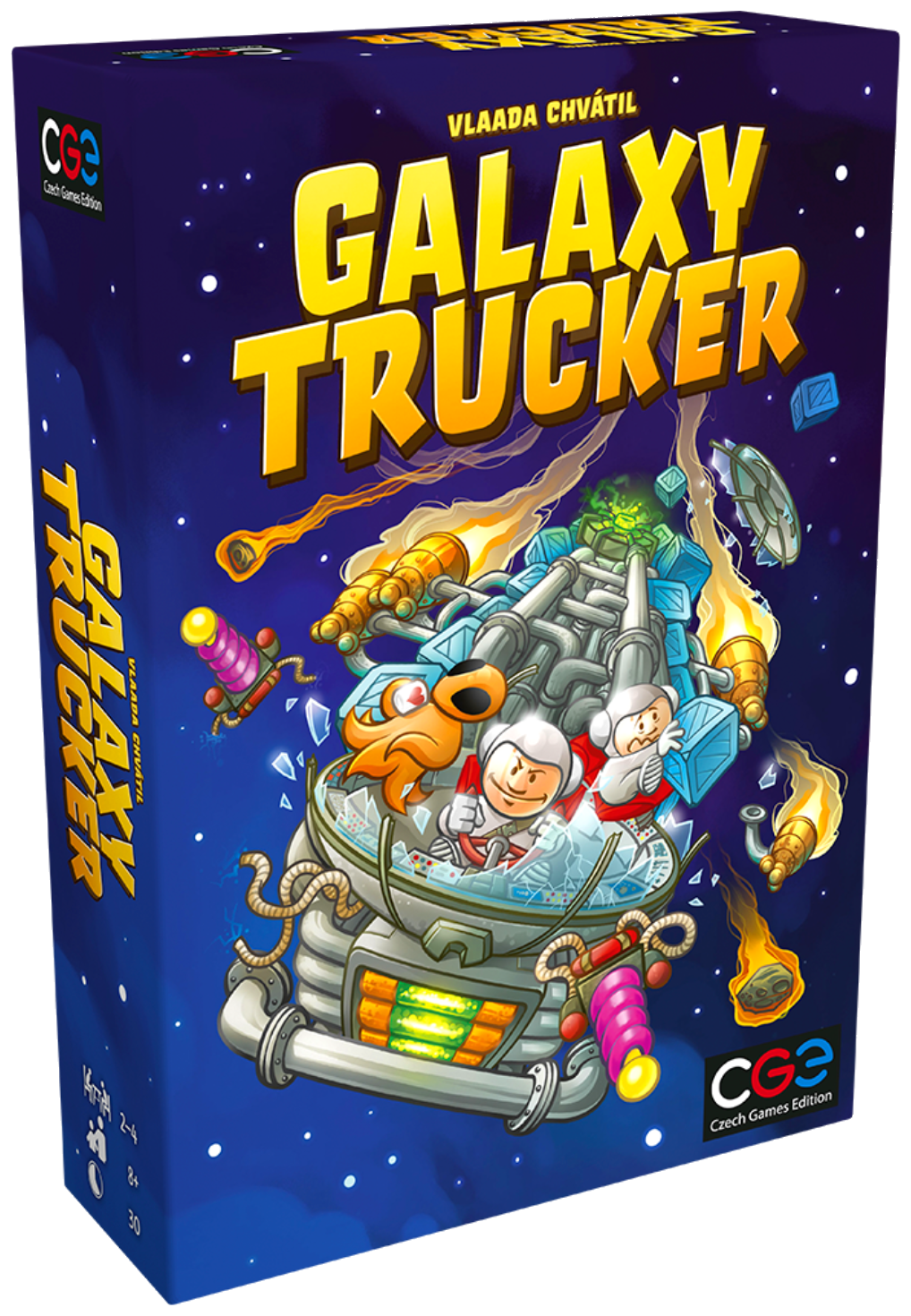
Galaxy Trucker
Why it made the listGalaxy Trucker begins with a frantic engineering scramble as players connect cabins, engines, guns, shields, batteries, and cargo holds from a shared tile pile. The improvised ships then face meteors, slavers, planets, and open space, turning bad design and cascading hull loss into joyful science-fiction slapstick.
7.4 rating 2–4 players 2.3/5 weightView game details
Buying advice
What makes a strong pick?
Science fiction becomes powerful on the table when its ideas alter the rules. Hidden fleets can make rebellion possible, hostile biology can turn cooperation into suspicion, terraforming can become a shared clock, and alien economies can require exchange between incompatible species. These picks use speculative settings to create problems that feel particular to their worlds.
Who this list is for
Players drawn to space exploration, future societies, technological growth, alien perspectives, political conflict, survival horror, hard-science development, and stories about cooperation under pressure.
What stands out
The selection covers worker-placement conflict, hidden rebellion, terraforming, 4X, survival horror, cyberpunk duels, cooperative missions, time travel, civilization, negotiation, exploration, real-time programming, and comic spaceship disasters.
What to consider
Epic scale often means longer sessions, more rules, or a stable group, while several older licensed classics can be difficult to find. Apps, real-time audio, hidden traitors, direct conflict, and ideal player counts also matter; each note identifies the commitment behind the premise.
Our methodology
How this guide is built
This is an editorial selection from games carrying Science Fiction category taxonomy. Ordering weighs theme–mechanism integration, quality of play, originality of the speculative idea, replayability, accessibility, critical reception, availability, commitment, and the distinct science-fiction experience each pick provides.
Ratings and rank are useful signals, not the whole recommendation. ABG keeps the URL stable and refreshes the ordering as its catalog evidence improves.
Questions, answered
About this list
How were the games on this list chosen?
This is an editorial selection from games carrying Science Fiction category taxonomy. Ordering weighs theme–mechanism integration, quality of play, originality of the speculative idea, replayability, accessibility, critical reception, availability, commitment, and the distinct science-fiction experience each pick provides.
Who is this list most useful for?
Players drawn to space exploration, future societies, technological growth, alien perspectives, political conflict, survival horror, hard-science development, and stories about cooperation under pressure.
How often is this list updated?
ABG refreshes official lists as catalog rankings, ratings, specifications, and classifications improve. The URL stays stable when the order changes.