Best Quick Board Games
Twenty complete tabletop experiences that fit comfortably into about 45 minutes or less.
The complete ranking
20 games to consider
Twenty editor-picked quick board games for weeknights and rematches.
-
01
Board game
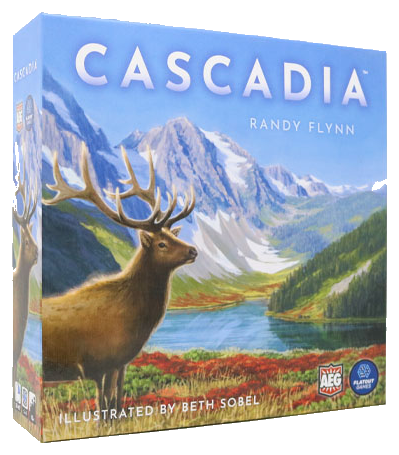
Cascadia
Why it made the listCascadia fits a real spatial puzzle into 30–45 calm minutes, including setup and scoring that remain manageable with practice. The shared market keeps turns relevant, while changing wildlife cards ensure the familiar take-and-place rhythm does not solve itself after a few plays.
8.0 rating 1–4 players 30–45 min 1.8/5 weightView game details -
02
2024
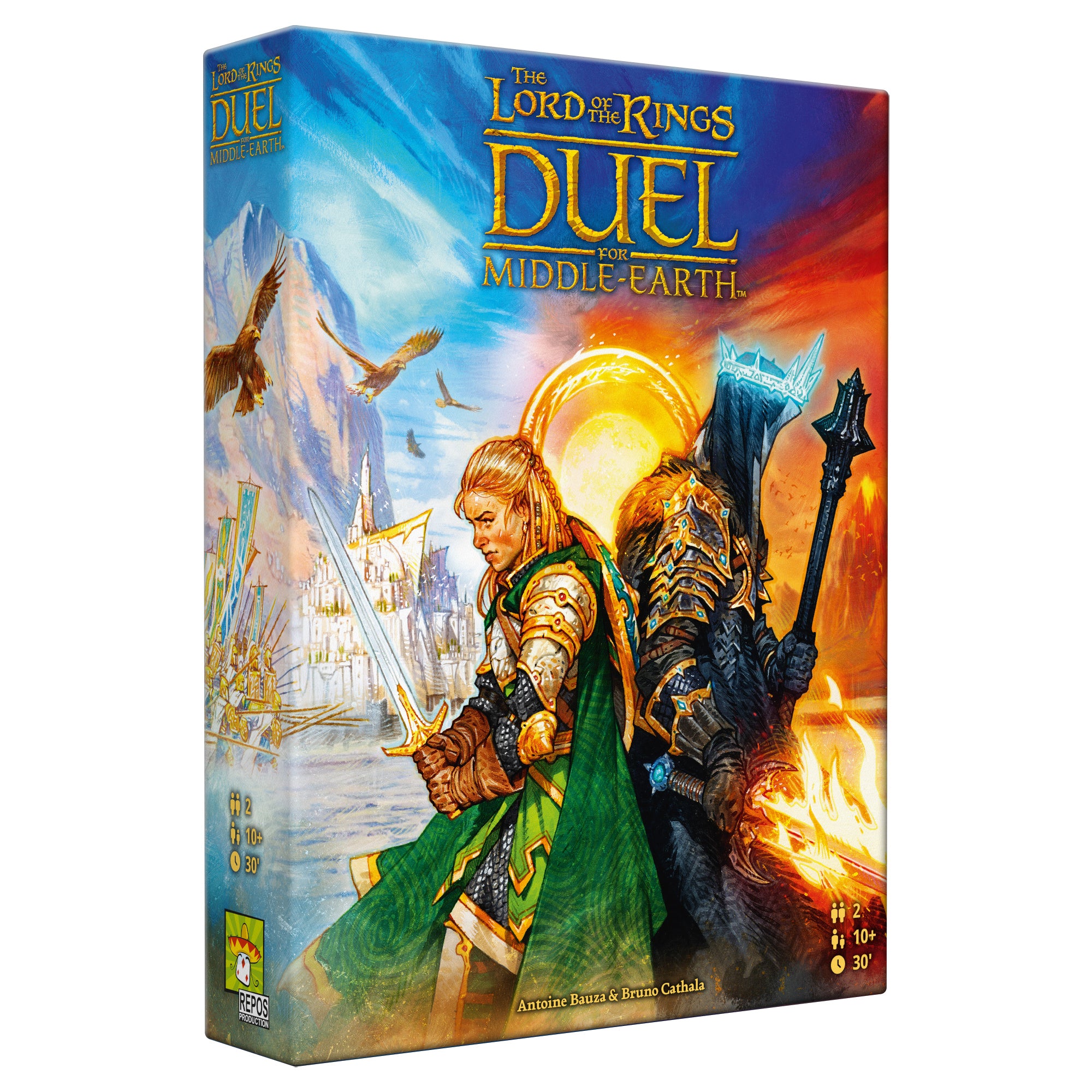
The Lord of the Rings: Duel for Middle-earth
Why it made the listDuel for Middle-earth delivers three credible victory routes in roughly half an hour. Every drafted card changes what the opponent can reach, and military, alliances, and the Ring all demand attention, giving a short two-player session the tension of a much larger strategy game.
8.4 rating 2–2 players 30–30 min 2.1/5 weightView game details -
03
2024
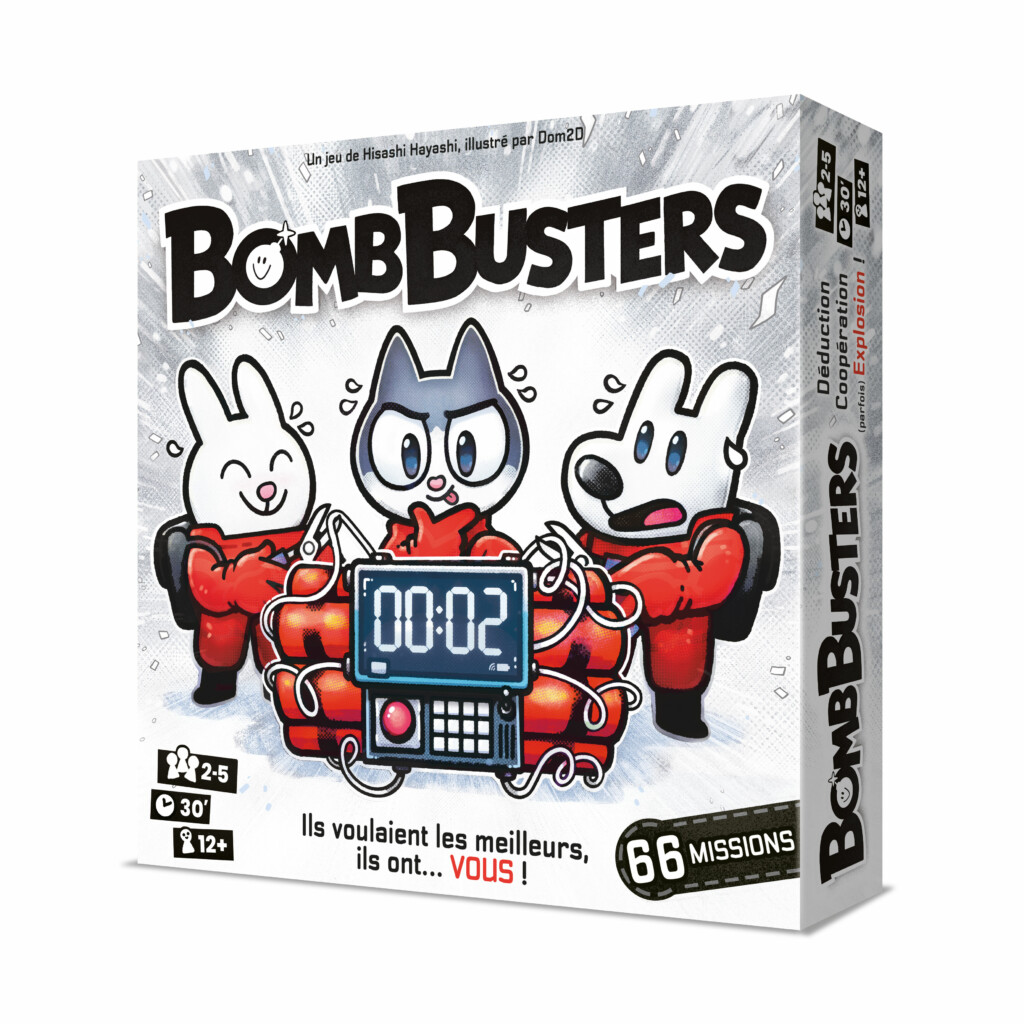
Bomb Busters
Why it made the listBomb Busters makes 30 minutes feel like a complete cooperative mission. Hidden numbered wires produce a clean arc from cautious deductions to risky final cuts, while the scenario sequence adds new rules between games rather than burdening a quick session with every possibility.
8.0 rating 2–5 players 30–30 min 2.0/5 weightView game details -
04
2017
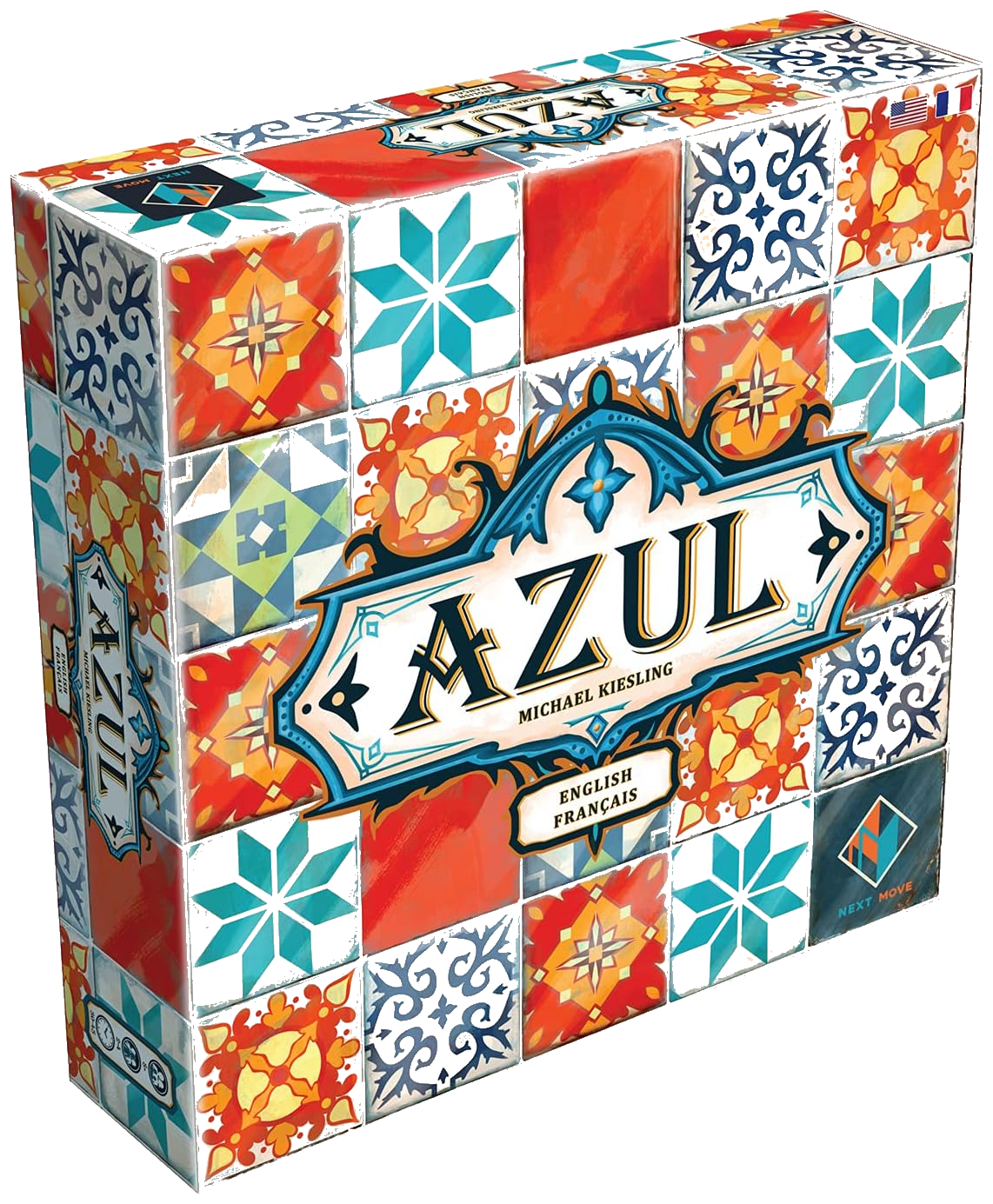
Azul
Why it made the listAzul reaches difficult drafting decisions almost immediately and resolves in four or five tidy rounds. Tile handling is fast, scoring creates a clear finish, and the choice between improving your own wall and leaving costly colours for a rival gives the compact session lasting bite.
7.8 rating 2–4 players 30–45 min 1.8/5 weightView game details -
05
Board game
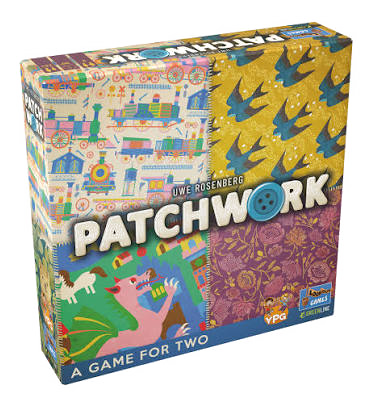
Patchwork
Why it made the listPatchwork is a model quick duel: choose one quilt piece, pay its time and button cost, and fit it into a personal grid. The shared time track creates tempo swings without extra phases, letting a thoughtful spatial contest finish in about half an hour.
7.6 rating 2–2 players 15–30 min 1.6/5 weightView game details -
06
2018
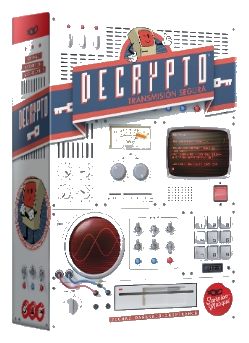
Decrypto
Why it made the listDecrypto compresses team deduction into a handful of clue rounds, each more informed than the last. Because earlier words become evidence for the opposing team, the game builds naturally toward interceptions and close calls without needing a long warm-up or complicated scoring system.
7.8 rating 3–8 players 15–45 min 1.8/5 weightView game details -
07

2021
Radlands
Why it made the listRadlands starts with two camps each and a tiny water income, so conflict is immediate. Events, people, and attacks compete for the same resource; the constrained economy produces meaningful sequencing and bluffing in a 20–40 minute duel with little setup.
7.9 rating 2–2 players 20–40 min 2.3/5 weightView game details -
08
2024
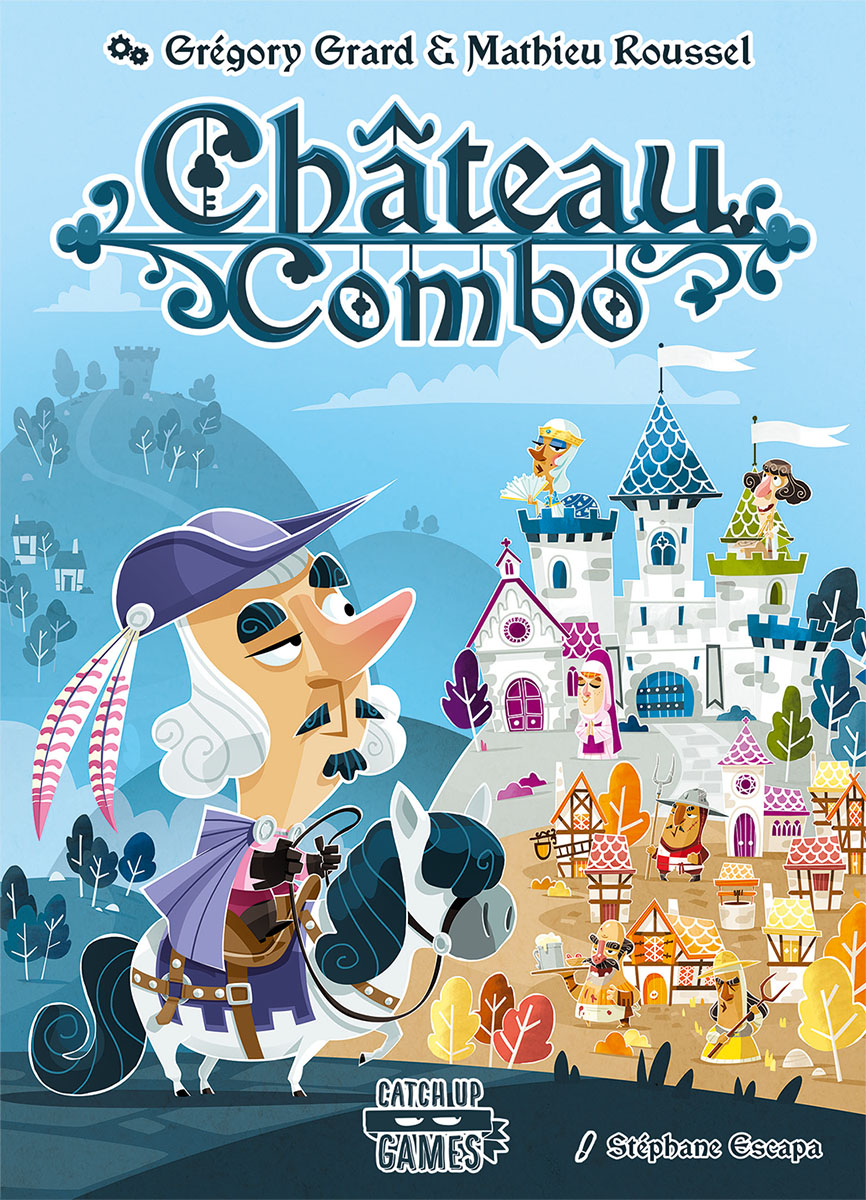
Castle Combo
Why it made the listCastle Combo gives players nine card purchases and makes every one matter. Moving the messenger, managing keys, and building positional scoring links create a satisfying tableau in 10–25 minutes, while the changing market supports quick repeated games without identical openings.
7.7 rating 2–5 players 10–25 min 1.7/5 weightView game details -
09
2019
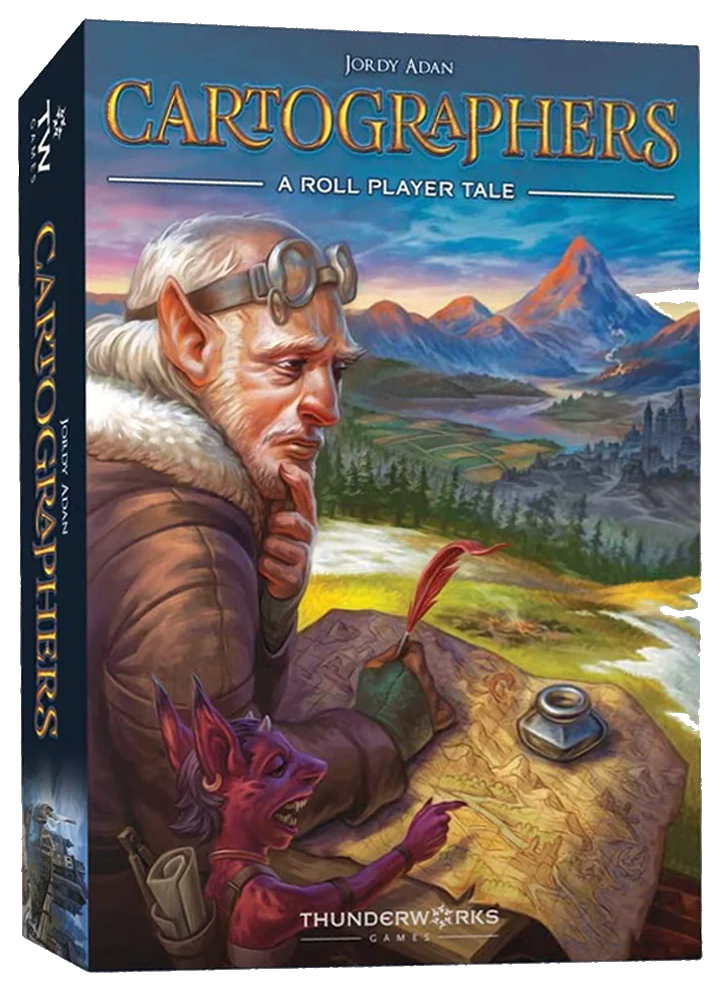
Cartographers
Why it made the listCartographers fills a complete map and four-season scoring arc in 30–45 minutes. Everyone draws simultaneously, so player count barely affects pace, while rotating edicts and occasional monster ambushes give the quiet spatial puzzle enough change for regular weeknight play.
7.6 rating 1– players 30–45 min 1.9/5 weightView game details -
10
2021
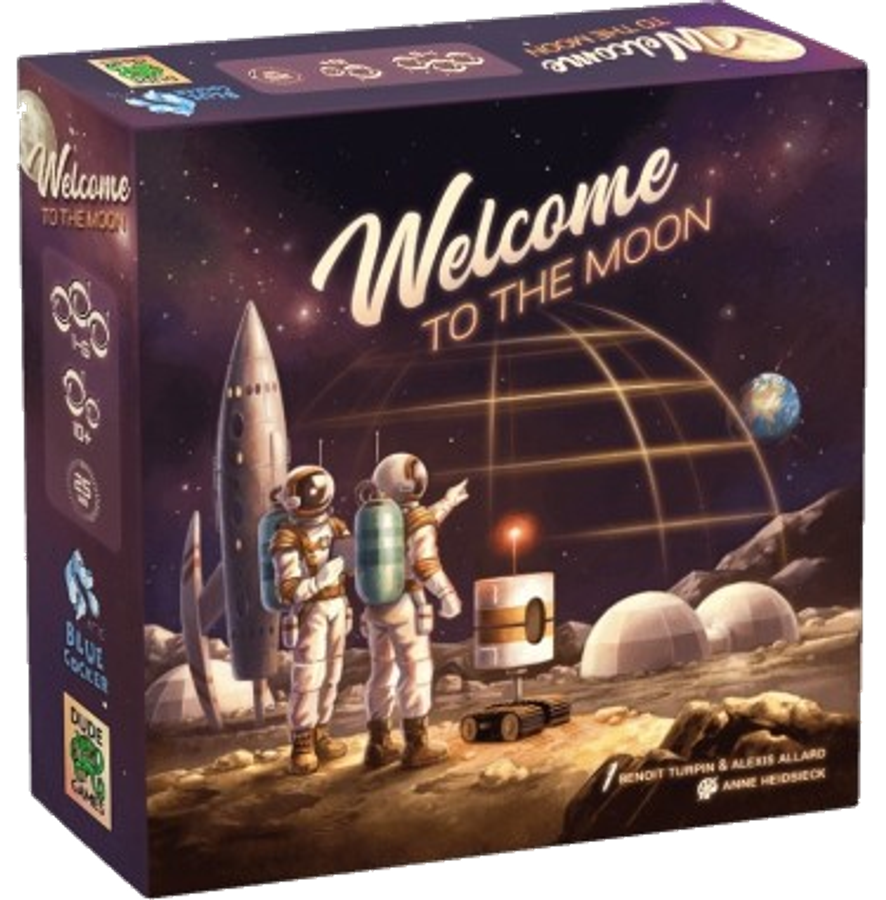
Welcome To The Moon
Why it made the listWelcome to the Moon adds a campaign of distinct boards to a fast flip-and-write foundation. Simultaneous number placement keeps turns moving, each adventure changes how the same cards matter, and most scenarios reach a full strategic conclusion in about half an hour.
8.0 rating 1–6 players 25–30 min 2.5/5 weightView game details -
11
2016
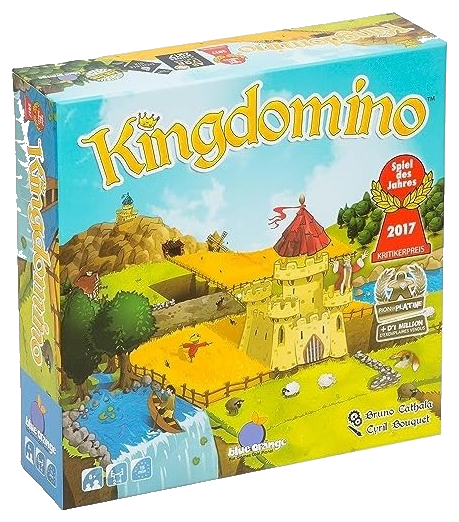
Kingdomino
Why it made the listKingdomino delivers drafting, turn-order tension, and spatial scoring in 15–25 minutes. Choosing a valuable domino pushes a player later in the next selection, so even a tiny kingdom creates a complete cycle of present gain, future cost, and final pattern optimization.
7.3 rating 2–4 players 15–25 min 1.2/5 weightView game details -
12
2025
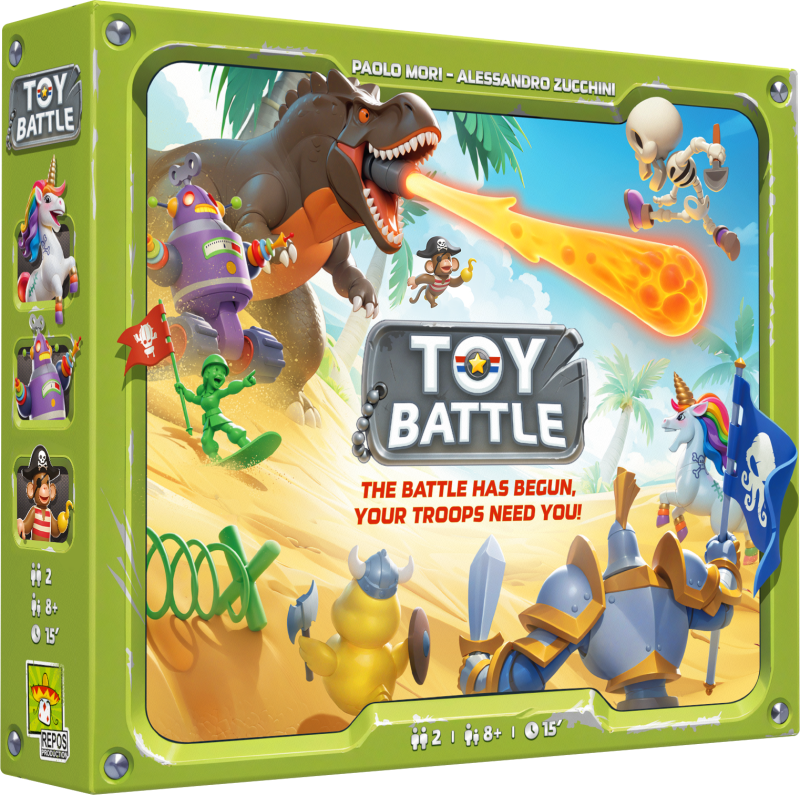
Toy Battle
Why it made the listToy Battle turns a small lane map and a few tiles into a brisk positional duel. Players either draw or deploy, trying to connect to the enemy base while contesting tactical spaces; asymmetric armies and quick resets encourage learning through immediate rematches.
7.8 rating 2–2 players 15–15 min 1.5/5 weightView game details -
13
2022
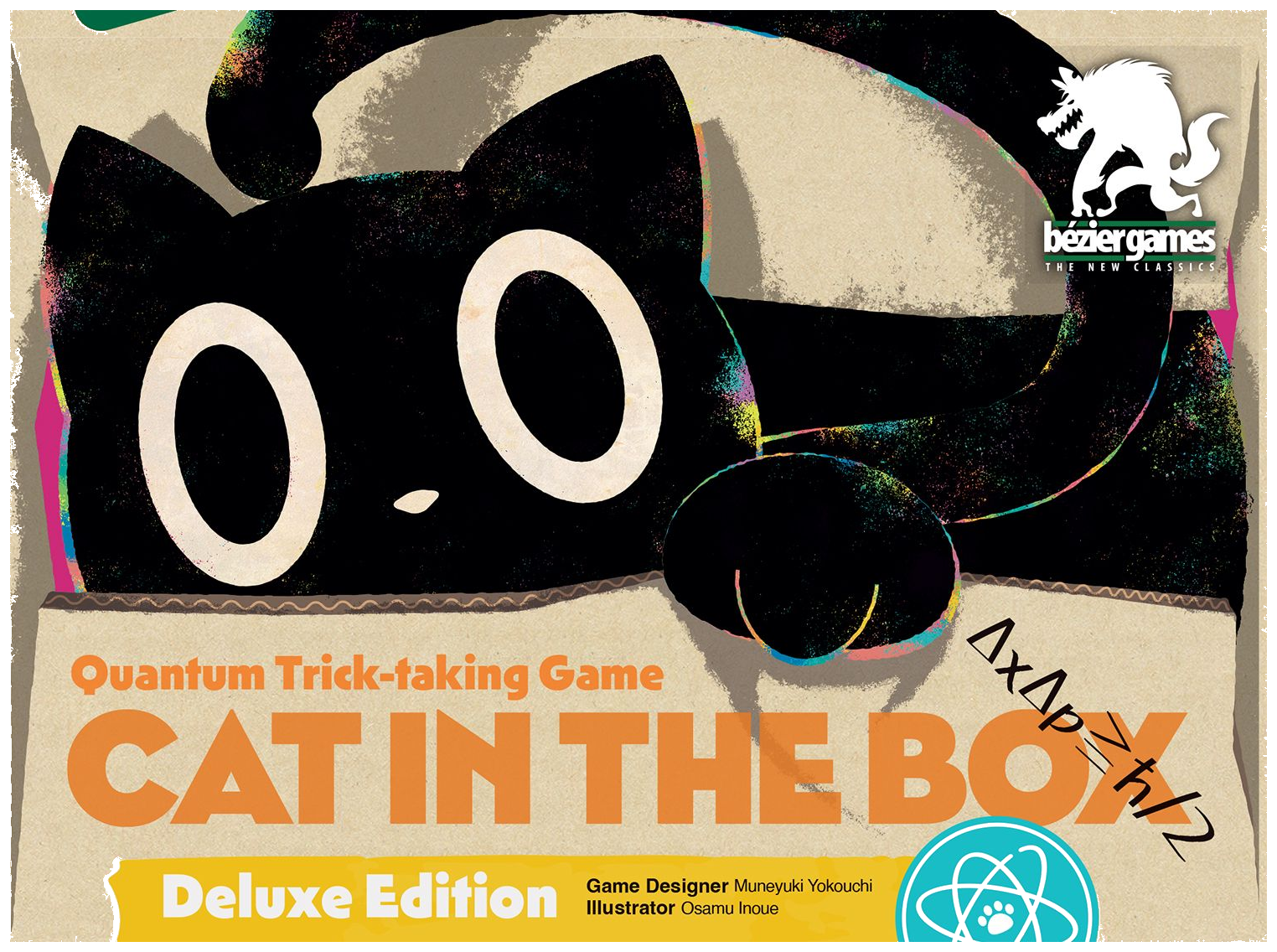
Cat In The Box: Deluxe Edition
Why it made the listCat in the Box is a trick-taking game where cards have rank but no suit until played. Declaring colours creates a shared map of possibilities, and avoiding a paradox becomes increasingly tense across short hands, offering experienced card players a fresh 20–40 minute challenge.
7.6 rating 2–5 players 20–40 min 2.0/5 weightView game details -
14
2021
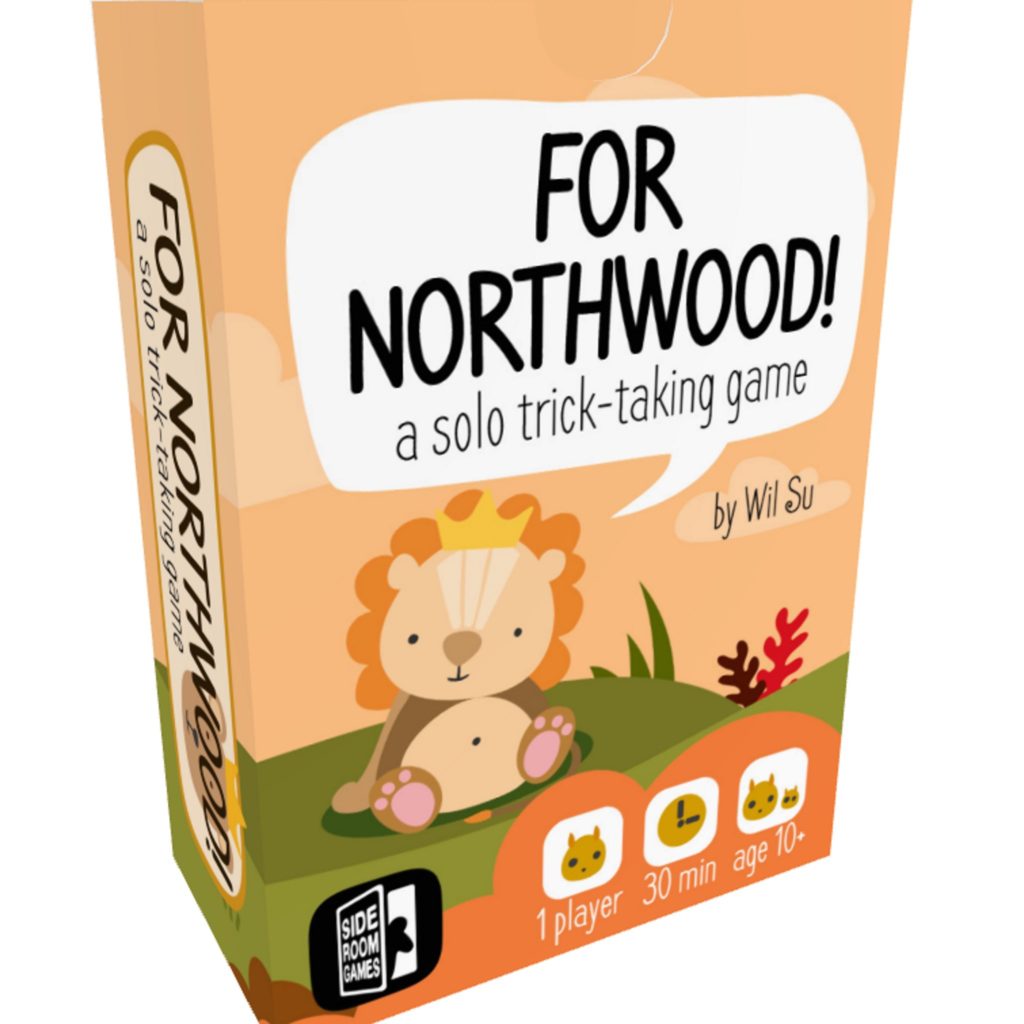
For Northwood! A Solo Trick-Taking Game
Why it made the listFor Northwood provides a genuine solo campaign in 15–30 minutes. Each ruler demands an exact number of tricks, ally powers let the player reshape a hand, and deciding which kingdoms to visit creates a beginning, escalation, and conclusion without lengthy setup.
7.8 rating 1–1 players 15–30 min 1.8/5 weightView game details -
15
Board game
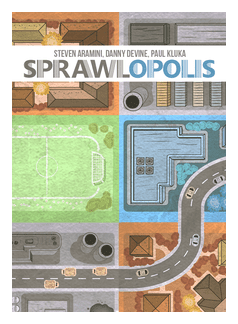
Sprawlopolis
Why it made the listEighteen cards form the city, roads, scoring rules, and entire cooperative puzzle in Sprawlopolis. Overlapping cards creates immediate trade-offs between three variable goals, giving one to four players a highly portable 15–20 minute challenge with remarkable replay variety.
7.3 rating 1–4 players 15–20 min 1.8/5 weightView game details -
16
2024
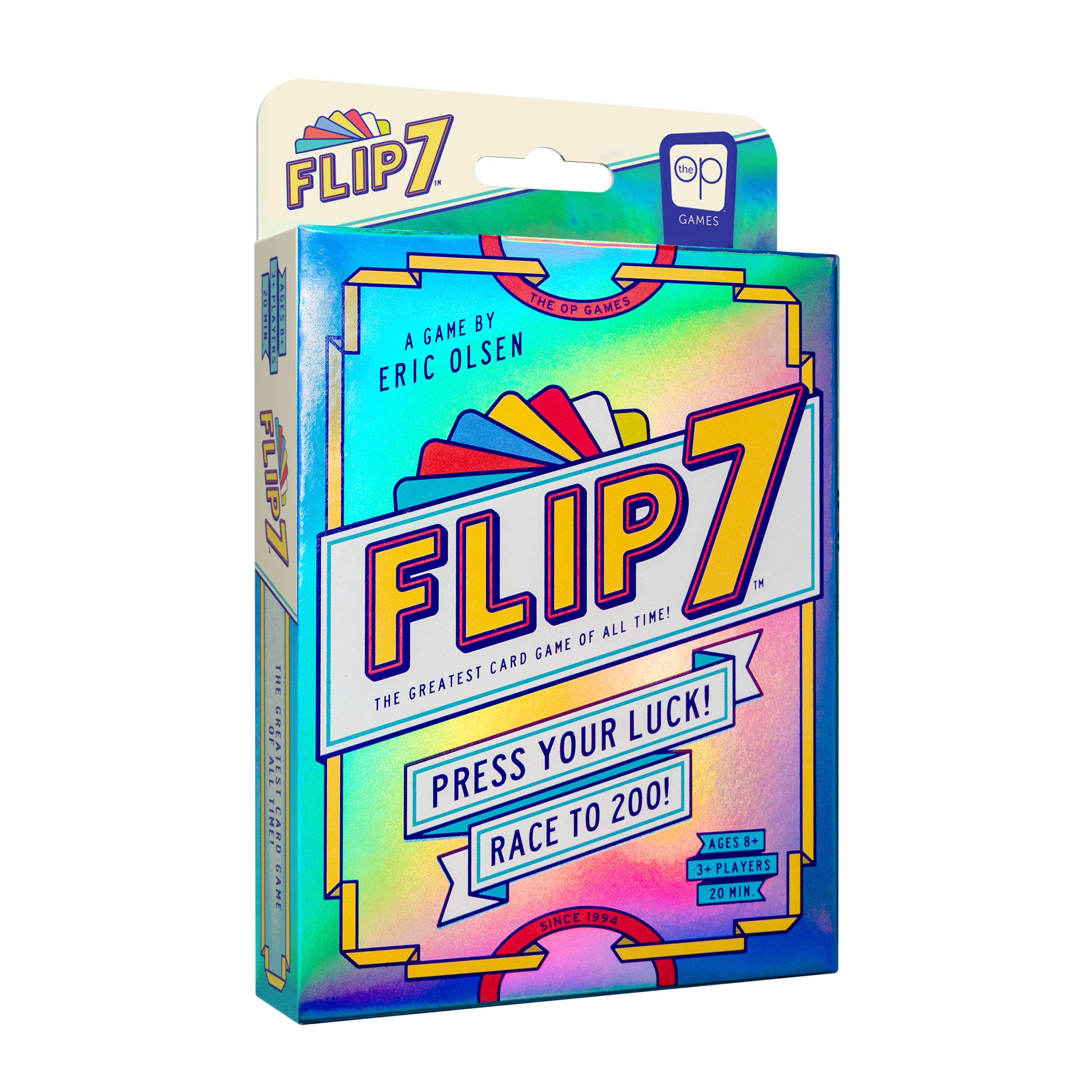
Flip 7
Why it made the listFlip 7 starts in seconds and keeps a large group involved through a shared push-your-luck reveal. Choosing whether to stop or risk a duplicate is immediate, special cards create interaction, and the race to 200 gives repeated short rounds a clear overall finish.
7.2 rating 3–18 players 20–20 min 1.0/5 weightView game details -
17

1995
High Society
Why it made the listHigh Society fits a sharp auction game into 15–30 minutes by making money both power and liability: the poorest player cannot win, regardless of status collected. Open information and a sudden ending turn every extravagant bid into a compact test of timing and restraint.
7.2 rating 3–5 players 15–30 min 1.5/5 weightView game details -
18

2019
Air, Land, & Sea
Why it made the listAir, Land & Sea uses eighteen cards to create a complete three-front duel. Players can flip cards for tactical abilities, contest theatres, or withdraw early to deny points, making a 15–30 minute battle as much about reading commitment as calculating visible strength.
7.5 rating 2–2 players 15–30 min 1.7/5 weightView game details -
19

Board game
Project L
Why it made the listProject L turns polyomino puzzles into a brisk engine builder. Completing one tile earns another piece that improves future turns, master actions create satisfying bursts of efficiency, and the shared puzzle market produces a clean 20–40 minute race without complex administration.
7.5 rating 1–4 players 20–40 min 1.6/5 weightView game details -
20
2024
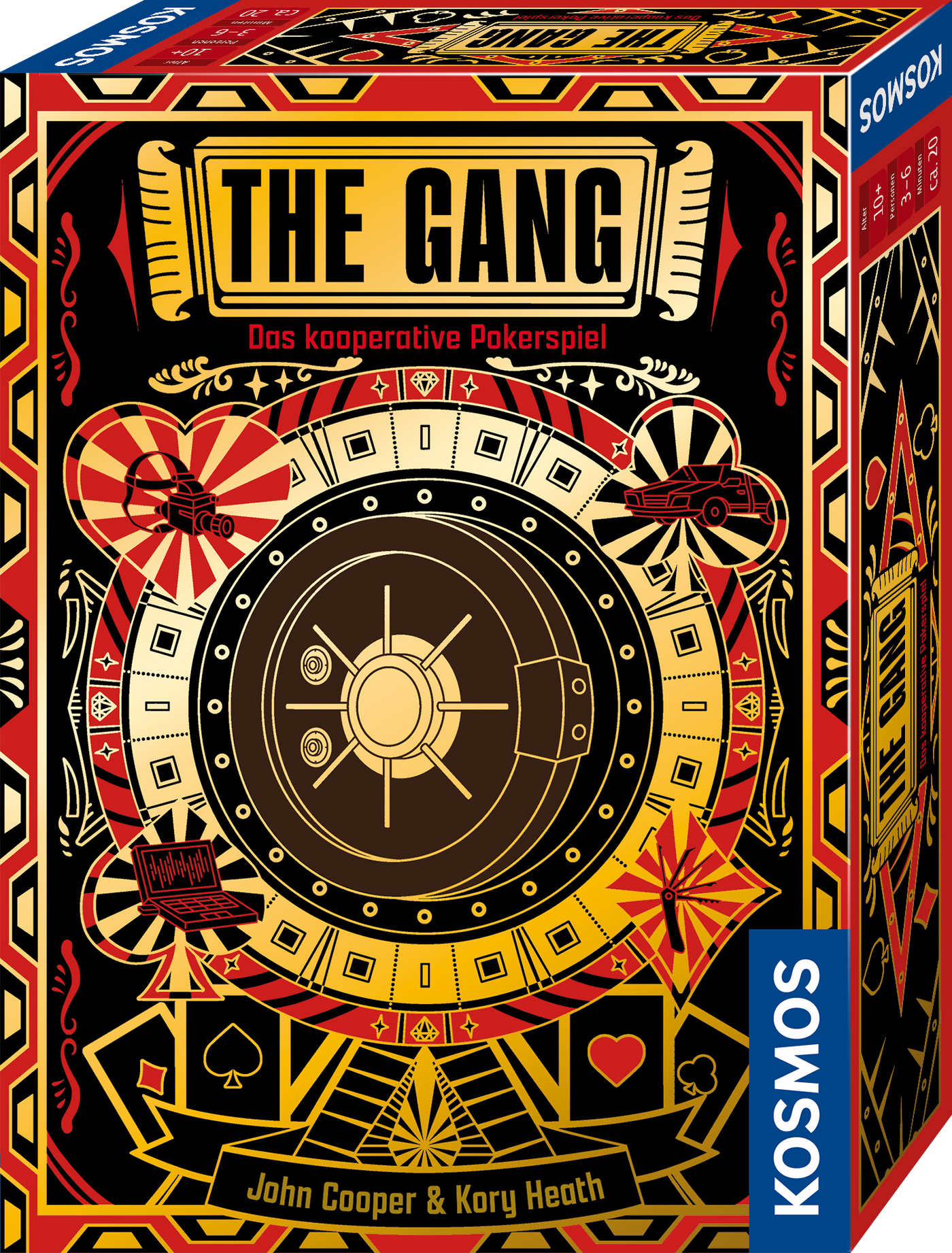
The Gang
Why it made the listThe Gang transforms poker hands into a cooperative ranking puzzle that finishes in about 20 minutes. Players communicate confidence by taking chips rather than revealing cards, then try to order every hand correctly, creating suspense without requiring betting knowledge or long deliberation.
7.6 rating 3–6 players 20–20 min 1.6/5 weightView game details
Buying advice
What makes a strong pick?
A short game should end because its decisions have reached a satisfying conclusion, not because it ran out of ideas. These picks establish stakes quickly, keep downtime modest, and deliver a recognizable arc within 45 minutes—often leaving enough time to switch sides or play again.
Who this list is for
Busy players, couples, lunch-break groups, families on a weeknight, and game nights that prefer several contrasting experiences instead of one long feature game.
What stands out
The list includes solo puzzles, two-player duels, cooperative deduction, spatial strategy, bluffing, card play, roll-and-write, team games, and larger-group fillers rather than equating “quick” with “light.”
What to consider
Box play times usually assume players know the rules and exclude setup, teaching, scoring, and conversation. A first session or analysis-prone group can exceed 45 minutes, particularly at the highest supported count.
Our methodology
How this guide is built
This is an editorial selection from published games with a catalog maximum play time of 45 minutes or less. Ordering weighs setup and teach friction alongside actual play time, decision density, replayability, player-count usefulness, availability, and the distinct occasion each game serves.
Ratings and rank are useful signals, not the whole recommendation. ABG keeps the URL stable and refreshes the ordering as its catalog evidence improves.
Questions, answered
About this list
How were the games on this list chosen?
This is an editorial selection from published games with a catalog maximum play time of 45 minutes or less. Ordering weighs setup and teach friction alongside actual play time, decision density, replayability, player-count usefulness, availability, and the distinct occasion each game serves.
Who is this list most useful for?
Busy players, couples, lunch-break groups, families on a weeknight, and game nights that prefer several contrasting experiences instead of one long feature game.
How often is this list updated?
ABG refreshes official lists as catalog rankings, ratings, specifications, and classifications improve. The URL stays stable when the order changes.