Best Board Games for Four Players
Twenty games where a fourth player adds tension, teamwork, competition, or table talk.
The complete ranking
20 games to consider
Twenty editor-picked board games that are especially rewarding with four players.
-
01
Board game
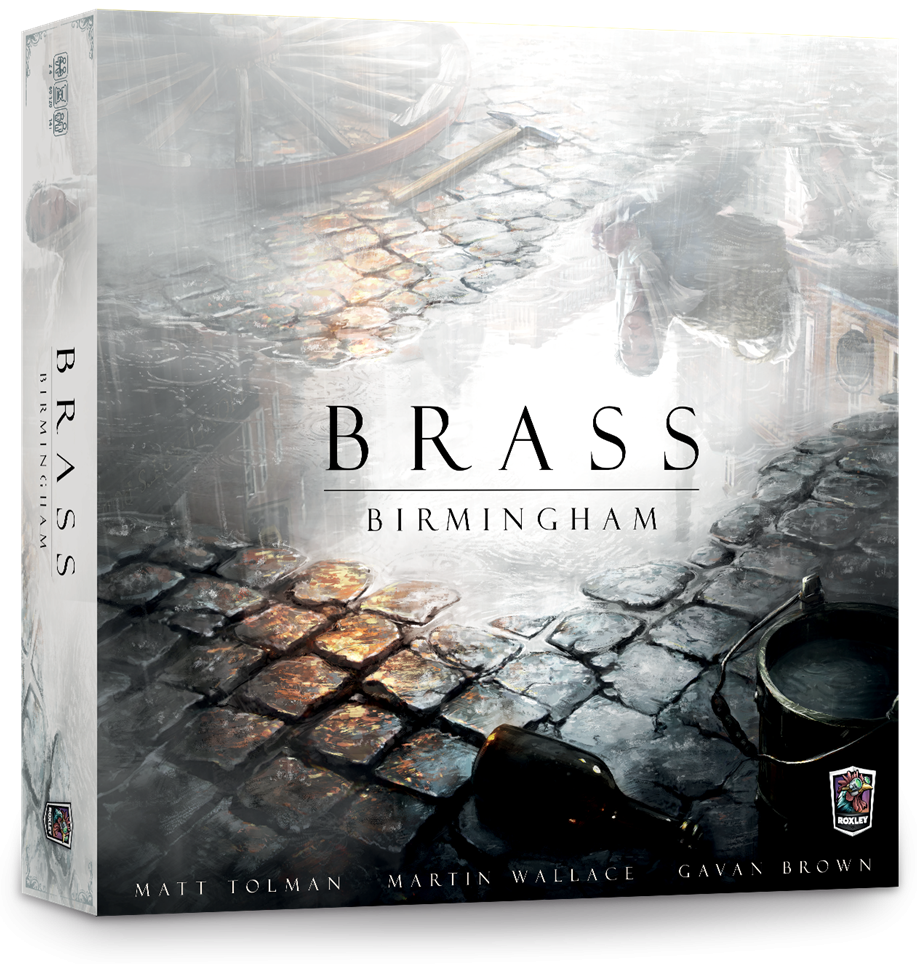
Brass: Birmingham
Why it made the listFour players make the shared network feel fully alive: every canal, rail link, coal mine, and market connection can enable a rival as readily as its owner. Crowded development and shifting turn order reward plans that profit from the whole table rather than a private engine.
8.6 rating 2–4 players 60–120 min 3.9/5 weightView game details -
02
2023
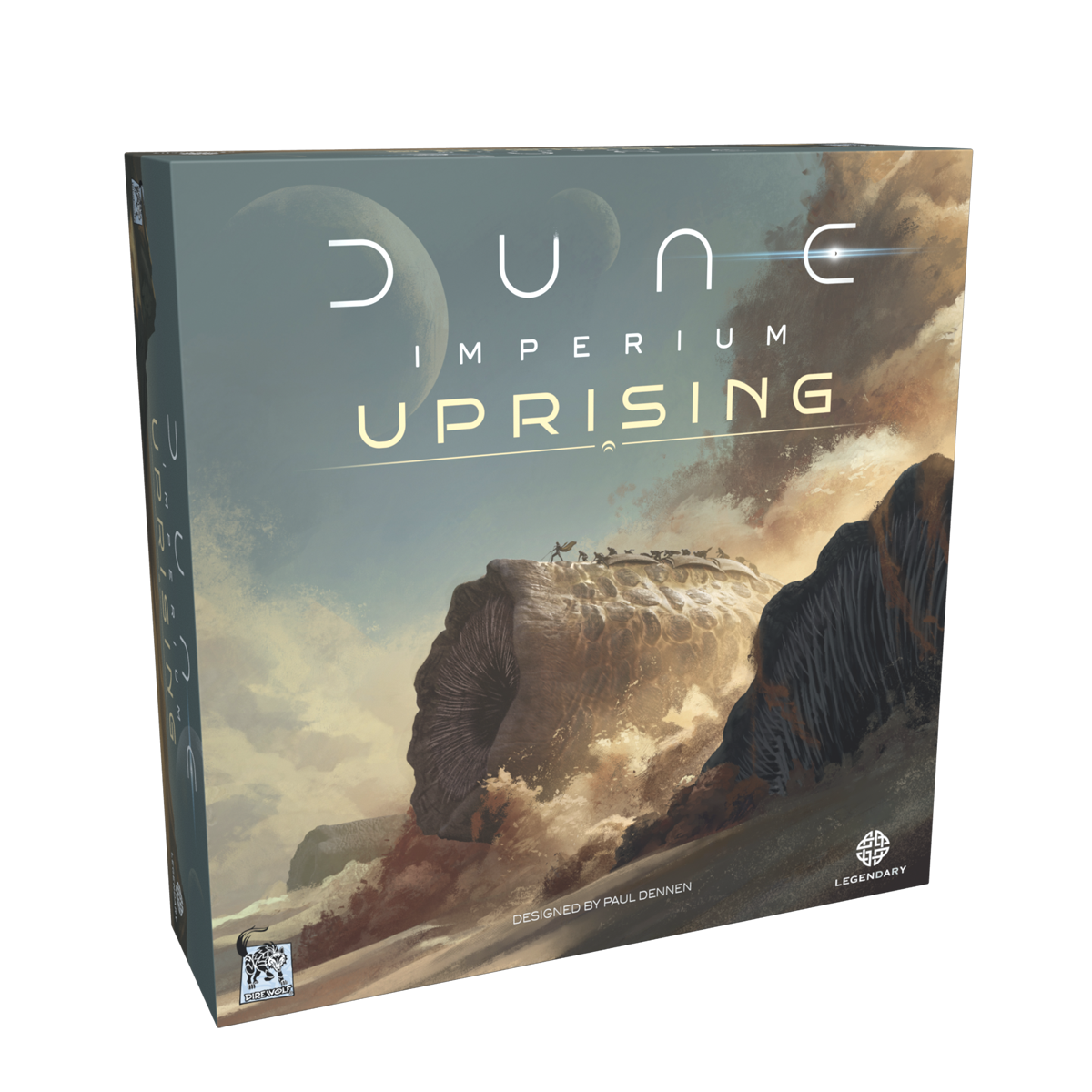
Dune: Imperium – Uprising
Why it made the listAt four, every worker space, alliance track, contract, and combat reward attracts genuine competition. The extra rivals make information and turn order matter, while late reveals of strength, spies, and sandworms turn each round into a tense political and military contest.
8.7 rating 1–6 players 60–120 min 3.5/5 weightView game details -
03
2018
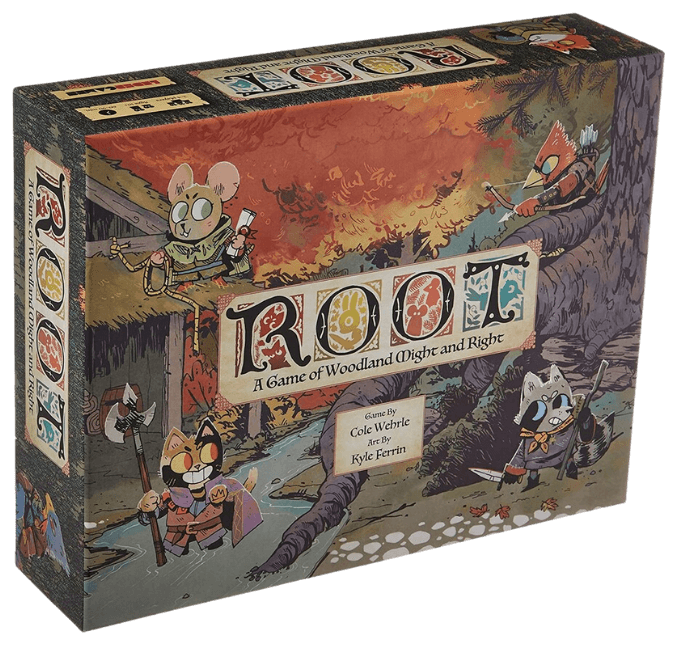
Root
Why it made the listRoot’s woodland works best when several asymmetric factions can police one another. Four players create shifting threats and negotiations across the map, ensuring that the dominant faction changes from turn to turn and that every player’s distinct incentives affect the shared story.
8.1 rating 2–4 players 60–90 min 3.8/5 weightView game details -
04
2009
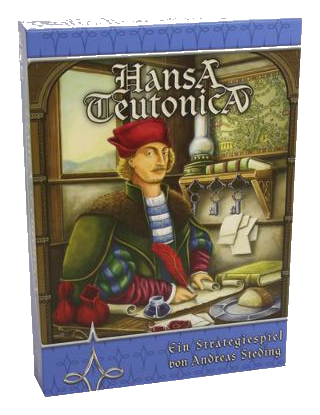
Hansa Teutonica
Why it made the listA four-player map keeps trade routes crowded enough for displacement to become opportunity rather than inconvenience. Players improve actions, build networks, and deliberately occupy desirable spaces, producing fast turns and constant interaction without relying on negotiation or chance.
7.7 rating 2–5 players 45–90 min 3.1/5 weightView game details -
05

2022
Heat: Pedal To The Metal
Why it made the listFour human drivers create a lively racing pack without making the session unwieldy. Slipstreaming, corners, heat management, and hand timing let positions change repeatedly, while automated cars can fill the grid if the group wants an even busier circuit.
8.1 rating 1–6 players 30–60 min 2.2/5 weightView game details -
06
1995
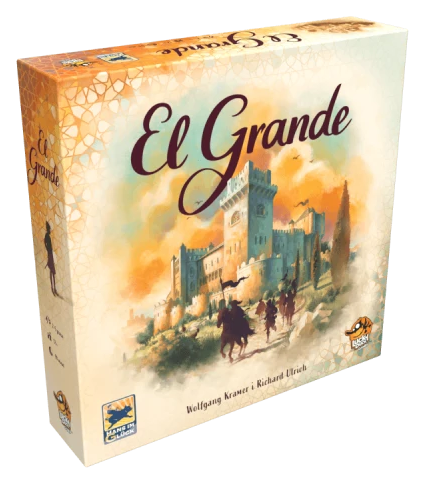
El Grande
Why it made the listEl Grande is a foundational four-player area-control game because every region can support several competing plans. Secret dials, limited action cards, the Castillo, and end-of-round scoring make commitment and misdirection matter across a map no single rival can completely control.
7.7 rating 2–5 players 60–120 min 3.0/5 weightView game details -
07

2015
Pandemic Legacy: Season 1
Why it made the listFour players give the campaign a broad mix of roles and enough perspectives to make planning collaborative. The evolving map and permanent consequences turn table discussion into a shared history, although groups should ensure one confident player does not dictate every action.
8.5 rating 2–4 players 60–60 min 2.8/5 weightView game details -
08
2021
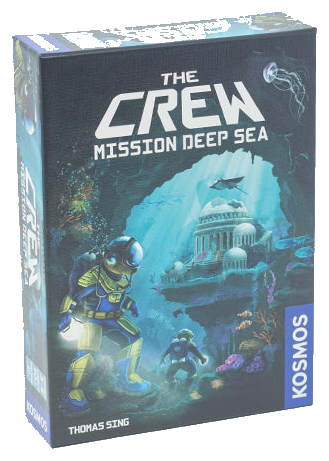
The Crew: Mission Deep Sea
Why it made the listFour is an excellent count for The Crew’s cooperative trick-taking: enough cards and players exist to make information scarce, yet everyone remains closely involved. Mission conditions force the team to communicate through card play rather than solve the puzzle aloud.
8.2 rating 2–5 players 2.1/5 weightView game details -
09
2013
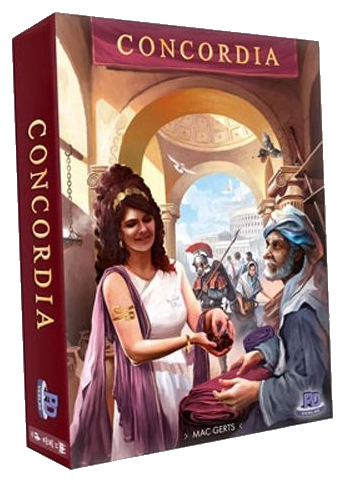
Concordia
Why it made the listWith four merchants expanding across the same map, Concordia’s peaceful surface becomes intensely interactive. Colonists compete for efficient routes and city access, while every personality card both strengthens an action and quietly reveals a player’s scoring priorities.
8.1 rating 2–5 players 3.0/5 weightView game details -
10
Board game
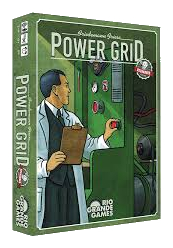
Power Grid
Why it made the listFour players give Power Grid’s auctions and resource market enough demand to behave unpredictably without stretching the game too far. Buying order, network expansion, fuel scarcity, and the deliberate manipulation of turn position make every rival economically relevant.
7.8 rating 2–6 players 3.3/5 weightView game details -
11
2016
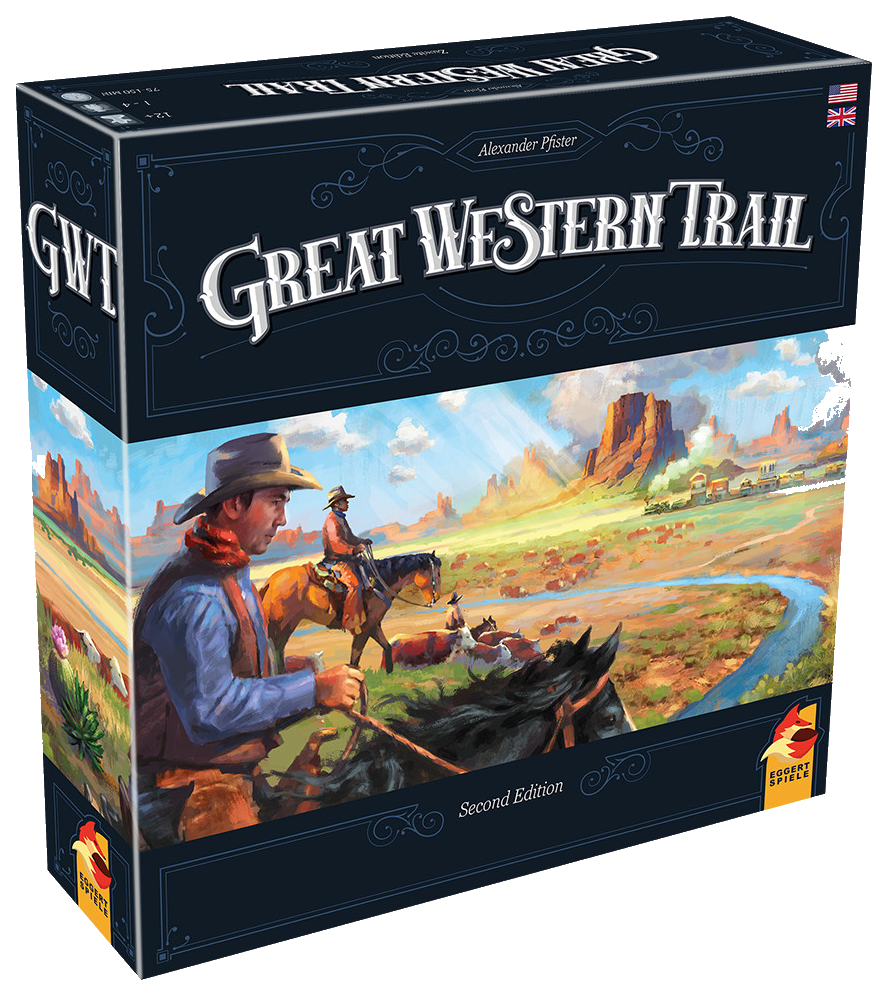
Great Western Trail
Why it made the listFour cattle drives make the shared trail evolve quickly: buildings redirect movement, hazards tax particular routes, and station access becomes competitive. Deck improvement remains personal, but the changing path and tempo ensure every player affects how efficiently the others reach Kansas City.
8.2 rating 2–4 players 75–150 min 3.7/5 weightView game details -
12
Board game
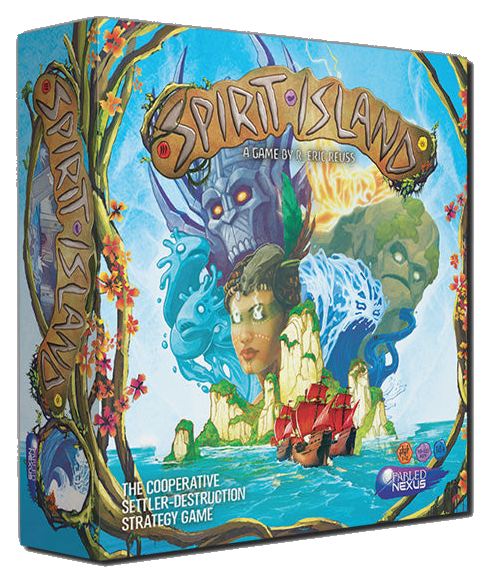
Spirit Island
Why it made the listFour spirits can combine defence, control, fear, and offence in spectacular ways across a large island. The count offers exceptional power interaction and role variety, though it is best for an experienced group comfortable coordinating simultaneous plans and a longer session.
8.4 rating 1–4 players 90–120 min 4.1/5 weightView game details -
13
2015
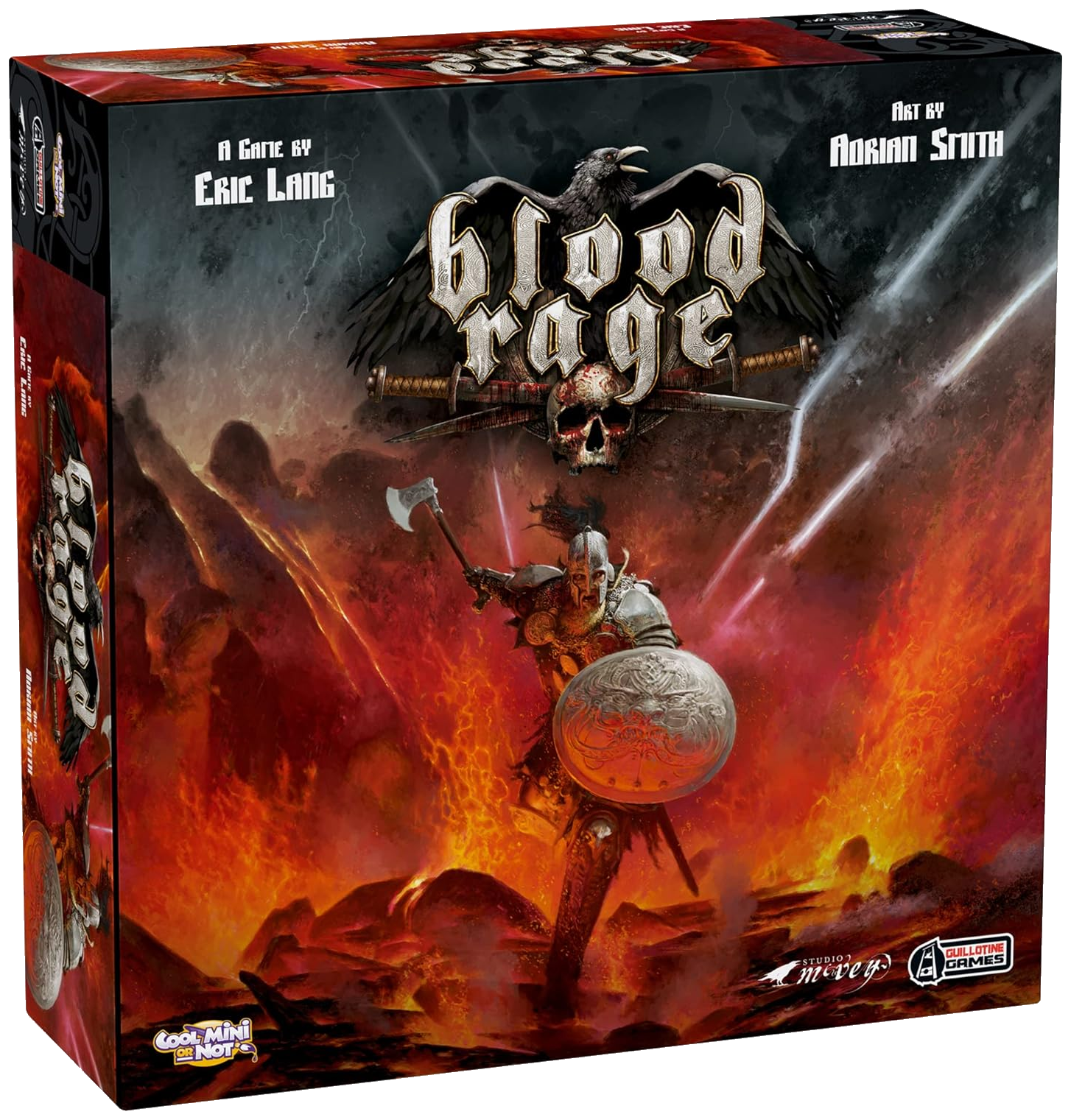
Blood Rage
Why it made the listBlood Rage benefits from four clans contesting limited provinces before Ragnarök. Card drafting exposes strategic signals, battles invite bluffing, and losing can be productive, so no player can judge a conflict solely by visible strength or assume one rival is the only threat.
7.9 rating 2–4 players 60–90 min 2.9/5 weightView game details -
14
Board game
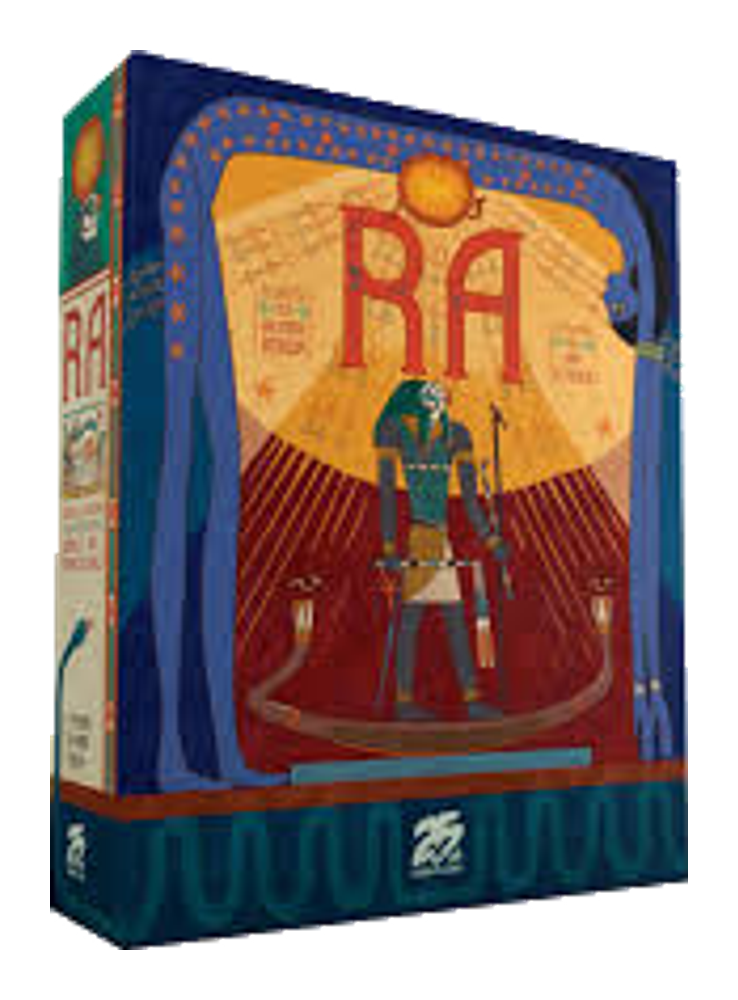
Ra
Why it made the listFour players give every Ra auction a different set of incentives without making the epochs drag. Sun tiles create uneven bidding power, disasters complicate apparently valuable lots, and the threat that someone else will invoke Ra turns patience into a public gamble.
7.6 rating 2–5 players 45–60 min 2.3/5 weightView game details -
15
1992
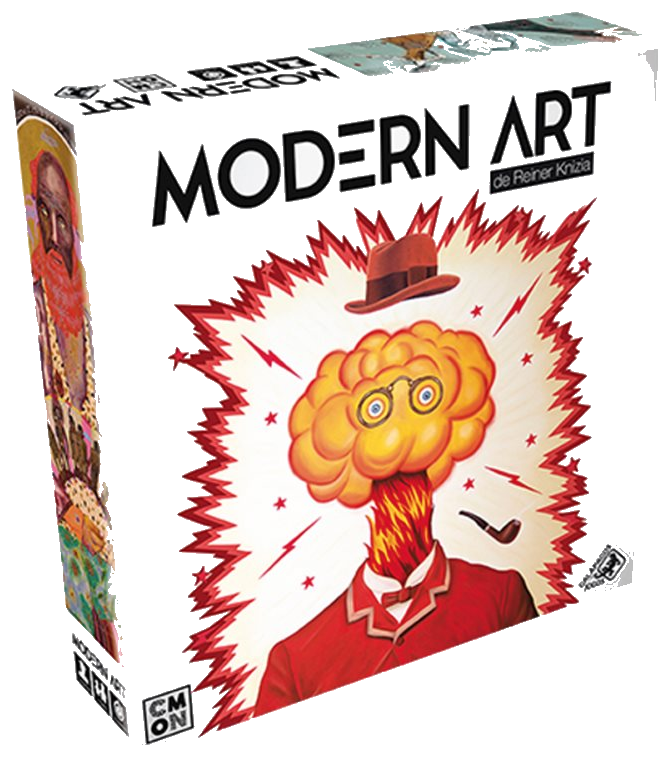
Modern Art
Why it made the listModern Art’s five auction formats become especially expressive with four competing dealers. Players alternately control supply, pricing, and bidding tempo, while the table collectively creates the value of each artist—often rewarding the seller more than the apparent winner.
7.5 rating 3–5 players 2.3/5 weightView game details -
16
2018
Decrypto
Why it made the listFour players form two clean teams of two, giving each clue-giver a partner who understands the private keywords and an opposing pair searching for patterns. The small team size keeps everyone responsible for both clever clues and careful interception notes.
7.8 rating 3–8 players 15–45 min 1.8/5 weightView game details -
17
2017
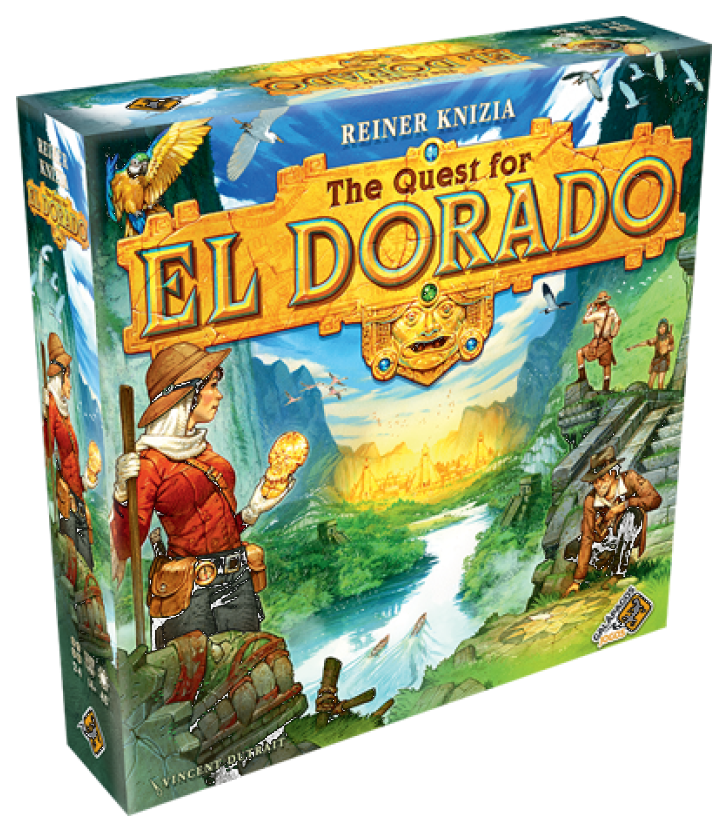
The Quest For El Dorado
Why it made the listFour explorers turn the modular racecourse into a contest over tempo and position. Deck-building improves movement, but narrow routes and occupied spaces make blocking, alternative paths, and the timing of each expedition card just as important as raw efficiency.
7.7 rating 2–4 players 30–60 min 1.9/5 weightView game details -
18
2016
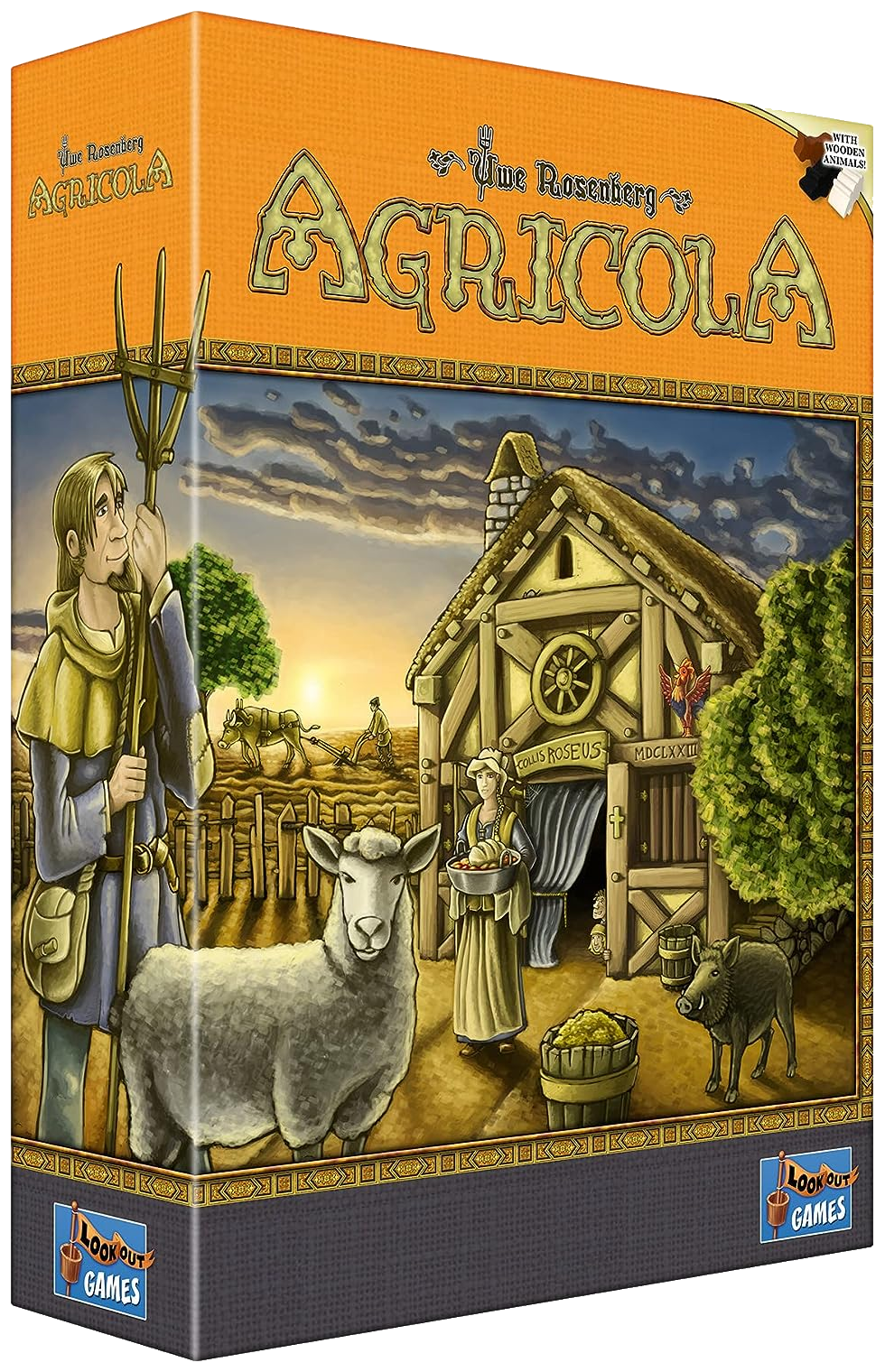
Agricola (revised Edition)
Why it made the listAt four, Agricola’s action spaces become scarce enough to force adaptation while occupations and minor improvements give every farm a distinct direction. Feeding pressure remains personal, but opponents’ family growth and resource choices continuously reshape what is available.
8.0 rating 1–4 players 30–120 min 3.5/5 weightView game details -
19

2020
Eclipse: Second Dawn For The Galaxy
Why it made the listFour civilizations give Eclipse room for exploration, diplomacy, technological divergence, and decisive conflict without filling every border immediately. Ship design stays central, but neighbours and reputations make the strategic map more consequential than a sequence of isolated efficiency puzzles.
8.5 rating 2–6 players 60–200 min 3.7/5 weightView game details -
20

1999
Chinatown
Why it made the listChinatown is at its best when four players can build overlapping deals around adjacent properties and mismatched businesses. Almost everything is negotiable, and the fixed income values keep trades understandable while personalities and shifting leverage make each session unique.
7.4 rating 3–5 players 2.3/5 weightView game details
Buying advice
What makes a strong pick?
Four players can create the ideal board-game table: enough rivals to make a shared map unpredictable, enough partners for team play, and enough competing priorities to make negotiation matter. These games earn their place because the fourth person improves the system rather than simply adding another turn.
Who this list is for
Regular game groups and hosts planning for the most common medium-sized table.
What stands out
The list deliberately spans strategy, racing, auctions, negotiation, cooperation, teams, campaigns, and direct conflict so it can support more than one kind of four-person game night.
What to consider
Four-player sessions can magnify downtime and total play time. Complexity, direct conflict, campaign commitment, and the need for evenly matched experience vary considerably across these picks.
Our methodology
How this guide is built
This is an editorial selection from games that support four players, using recorded player-fit ranges as a candidate signal rather than an automatic answer. Ordering weighs how four players affect interaction, downtime, balance, role or faction variety, replayability, accessibility, and the distinct occasion each game serves.
Ratings and rank are useful signals, not the whole recommendation. ABG keeps the URL stable and refreshes the ordering as its catalog evidence improves.
Questions, answered
About this list
How were the games on this list chosen?
This is an editorial selection from games that support four players, using recorded player-fit ranges as a candidate signal rather than an automatic answer. Ordering weighs how four players affect interaction, downtime, balance, role or faction variety, replayability, accessibility, and the distinct occasion each game serves.
Who is this list most useful for?
Regular game groups and hosts planning for the most common medium-sized table.
How often is this list updated?
ABG refreshes official lists as catalog rankings, ratings, specifications, and classifications improve. The URL stays stable when the order changes.