Best Party Board Games
Twenty games that explain quickly, involve the room, and create stories people retell afterward.
The complete ranking
20 games to consider
Twenty editor-picked party games for lively groups and memorable nights.
-
01
2018
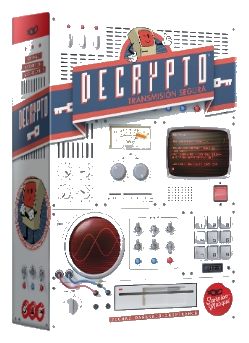
Decrypto
Why it made the listDecrypto gives both teams private keywords, then asks clue-givers to encode a changing number sequence without teaching the opposition too much. It creates clever callbacks and dramatic interceptions, rewarding groups that want a party game with genuine deduction and room to improve.
7.8 rating 3–8 players 15–45 min 1.8/5 weightView game details -
02
2015
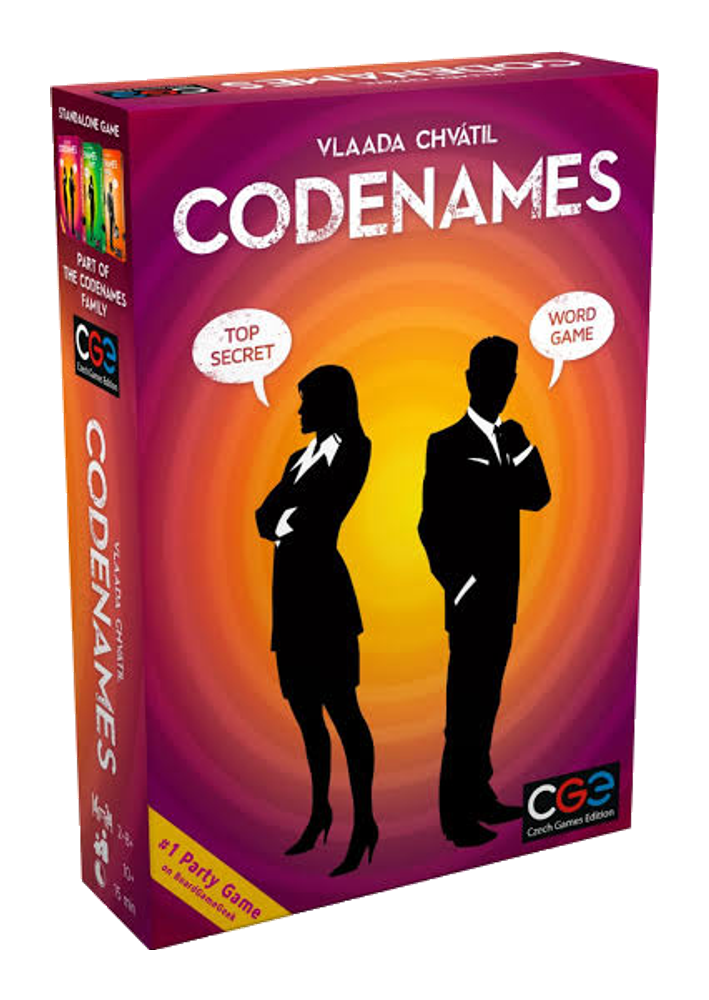
Codenames
Why it made the listCodenames remains the easiest recommendation for turning a mixed crowd into two invested teams. One-word clues invite bold associations, every guess creates table talk, and the grid produces enough surprise that experienced players can share the table with first-timers.
7.6 rating 2–8 players 1.3/5 weightView game details -
03
Board game
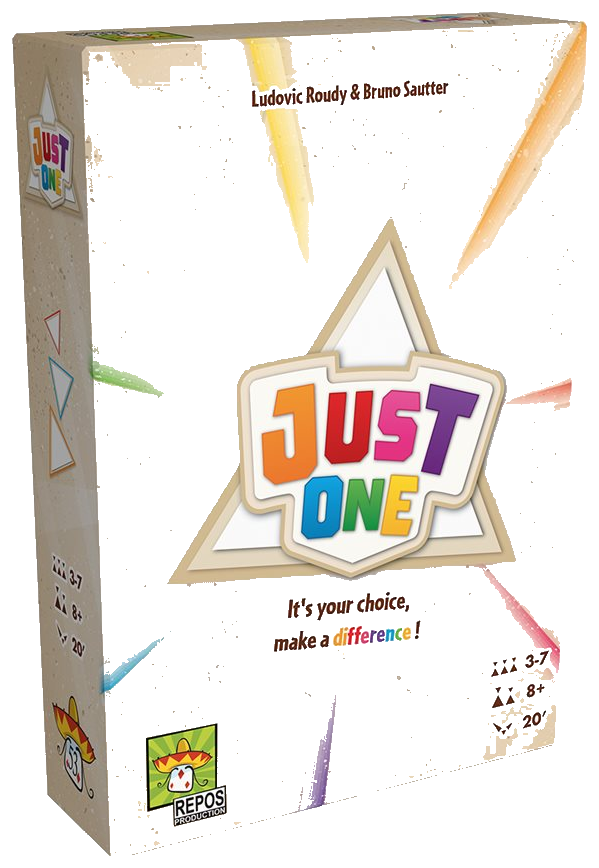
Just One
Why it made the listEveryone writes a one-word clue, but matching clues cancel before the guesser sees them. That single rule creates funny coincidences and rewards originality without demanding wit on command, making Just One unusually welcoming for relatives, colleagues, and guests who do not identify as gamers.
7.6 rating 3–7 players 20–60 min 1.0/5 weightView game details -
04
2009
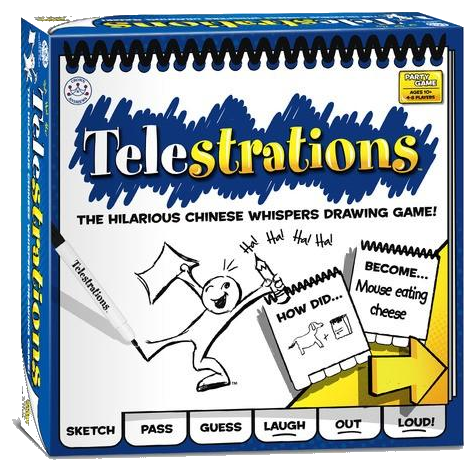
Telestrations
Why it made the listTelestrations alternates a written prompt with a drawing until the booklet returns to its owner transformed beyond recognition. Artistic skill is unnecessary—misunderstandings are the point—and everyone participates simultaneously, so a large table generates laughter without long waits or a single performer carrying the round.
7.4 rating 4–8 players 1.1/5 weightView game details -
05

2019
Wavelength
Why it made the listWavelength asks one player to place a clue between two opposing ideas while their team debates where a hidden target lies on that spectrum. The best moments come from discovering how friends interpret concepts differently, making conversation itself more important than trivia knowledge.
7.3 rating 2–12 players 30–45 min 1.1/5 weightView game details -
06
Board game
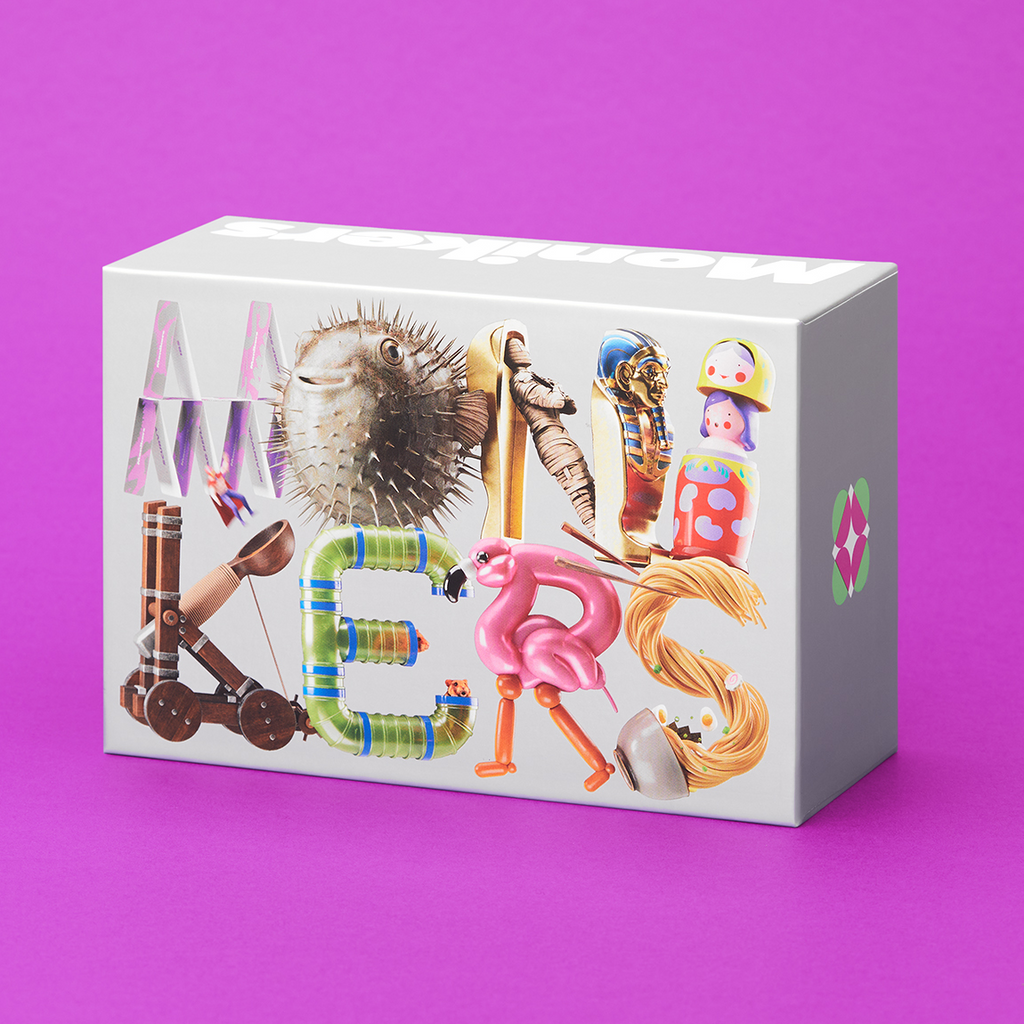
Monikers
Why it made the listMonikers reuses the same set of names across description, one-word, and charades rounds. Familiarity turns obscure cards into private jokes, and teams build a shared vocabulary as restrictions tighten; it is exceptional with expressive friends, though the final round asks everyone to embrace performance.
7.8 rating 4–16 players 30–60 min 1.1/5 weightView game details -
07
2022
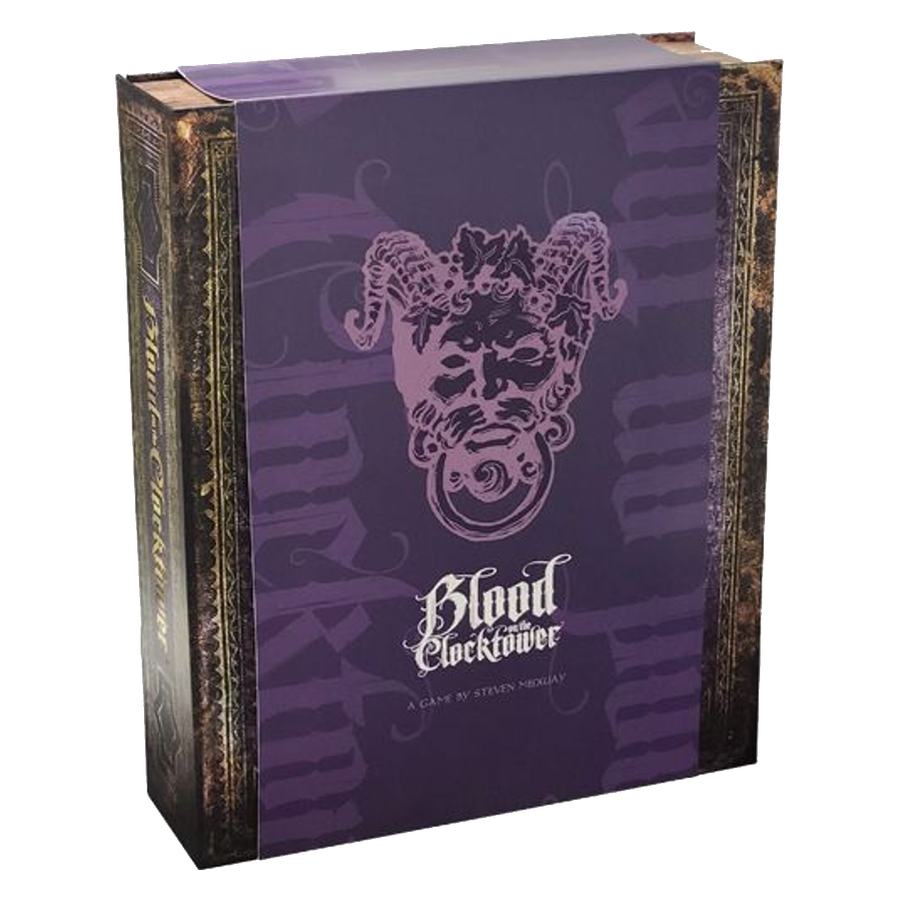
Blood On The Clocktower
Why it made the listBlood on the Clocktower turns social deduction into an evening-scale event where dead players remain involved and misinformation may be a legitimate character ability. With an experienced storyteller and roughly ten committed players, its private conversations and public accusations create unmatched group theatre.
8.3 rating 5–20 players 30–120 min 3.0/5 weightView game details -
08

2016
Captain Sonar
Why it made the listAt its ideal eight-player count, Captain Sonar splits the room into two submarine crews operating in frantic real time. Captains announce movement, radio operators trace enemy routes, and specialists manage systems, producing a loud team spectacle that requires the right headcount and appetite for pressure.
7.5 rating 2–8 players 45–60 min 2.2/5 weightView game details -
09
2021
So Clover!
Why it made the listSo Clover asks each player to connect pairs of words with compact clues, then lets the group reconstruct the missing grid together. Because clue creation happens privately and guessing is cooperative, quieter guests contribute equally and the inevitable wrong connections feel amusing rather than embarrassing.
7.6 rating 3–6 players 1.1/5 weightView game details -
10

2018
Camel Up (second Edition)
Why it made the listCamel Up turns a whole group into bettors watching a ridiculous stacked-camel race. Turns are simple, spectators stay invested in every die, and apparent certainty can collapse when a camel carries another across the finish, making it a strong party choice for mixed ages.
7.6 rating 3–8 players 30–45 min 1.5/5 weightView game details -
11
2011
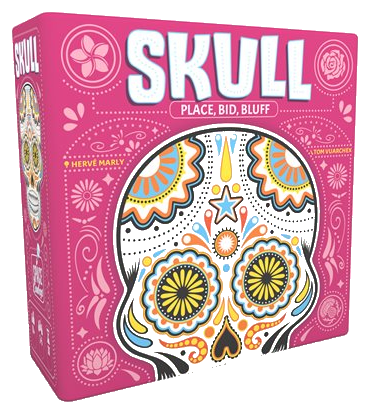
Skull
Why it made the listSkull needs only coasters and nerve: players add flowers or hidden skulls, then bid on how many they can reveal safely. The rules take minutes, but every raise exposes personality, making it a pure bluffing game that works best when the group enjoys looking one another in the eye.
7.2 rating 3–6 players 15–45 min 1.1/5 weightView game details -
12
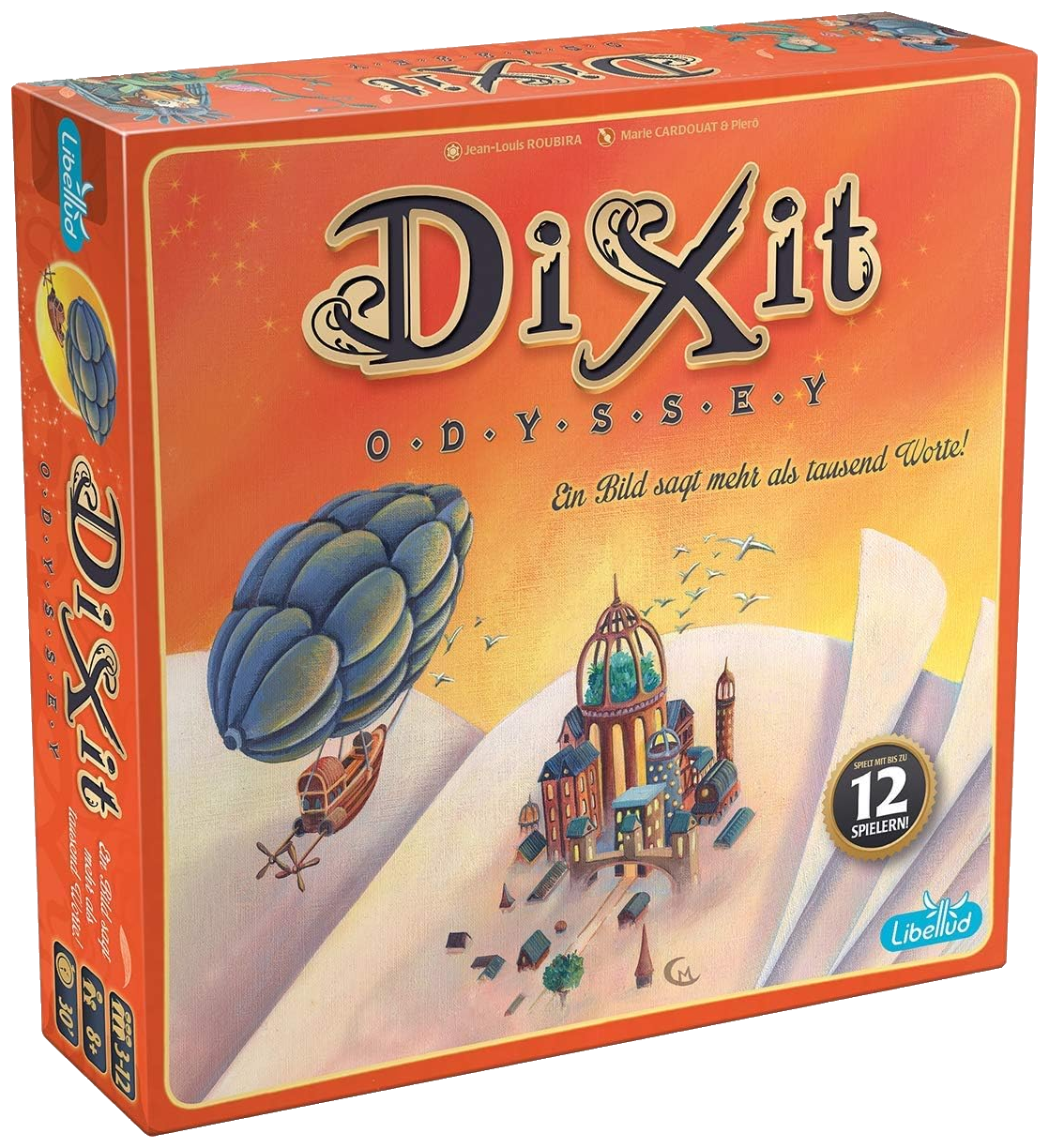
2011
Dixit: Odyssey
Why it made the listDixit: Odyssey uses surreal illustrations as prompts for clues that should be neither obvious nor impossible. Scoring encourages the storyteller to connect with some—but not all—of the group, producing revealing associations and a gentle atmosphere with support for a larger crowd.
7.4 rating 3–12 players 1.2/5 weightView game details -
13
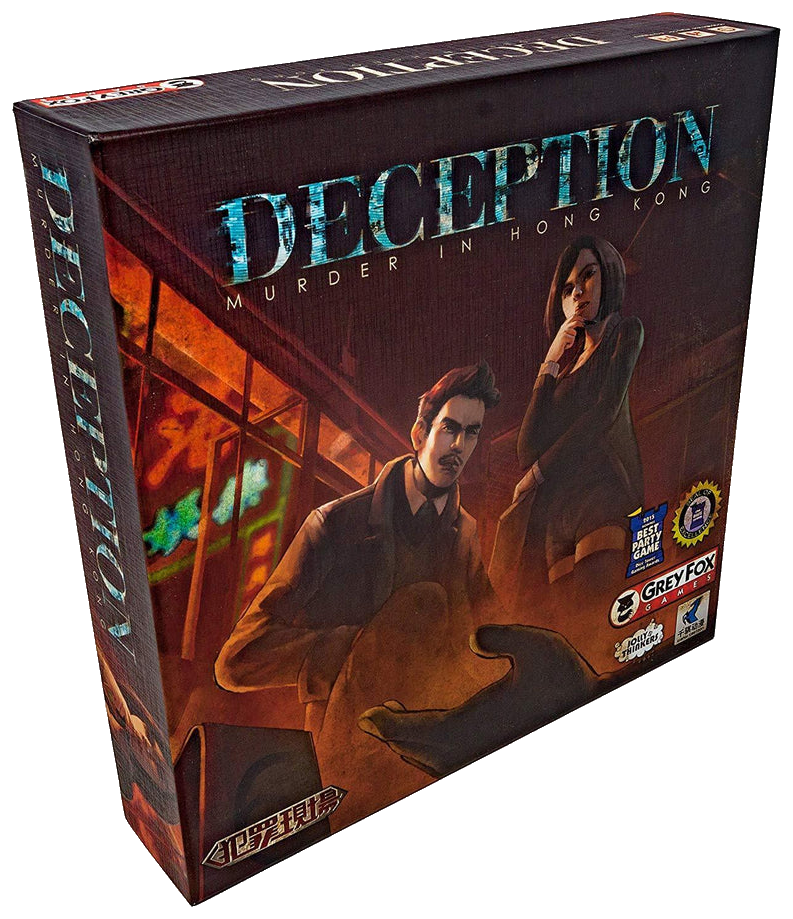
2014
Deception: Murder In Hong Kong
Why it made the listOne player knows the murderer and method but can communicate only through broad forensic tiles. Investigators debate every clue while the hidden culprit redirects suspicion, creating structured social deduction that gives the room more concrete evidence than a simple accusation game.
7.5 rating 4–12 players 1.6/5 weightView game details -
14
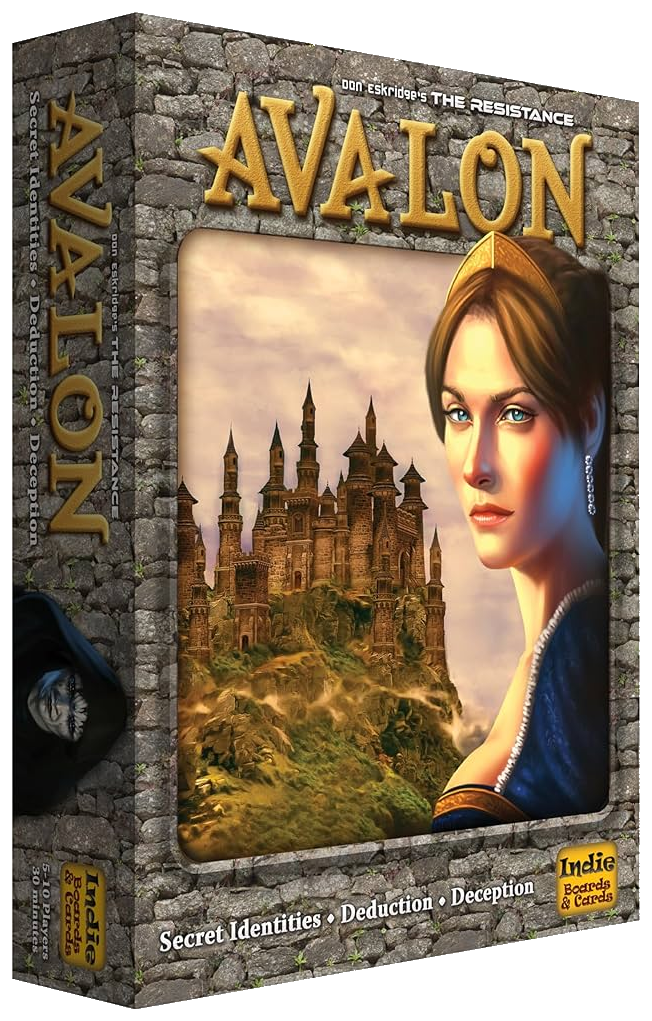
2012
The Resistance: Avalon
Why it made the listAvalon builds suspicion through a sequence of team proposals and mission votes rather than eliminating players. Hidden powers give good and evil incomplete information, and the final assassination keeps both sides involved, making it a durable choice for groups comfortable arguing from behaviour rather than facts.
7.5 rating 5–10 players 1.7/5 weightView game details -
15
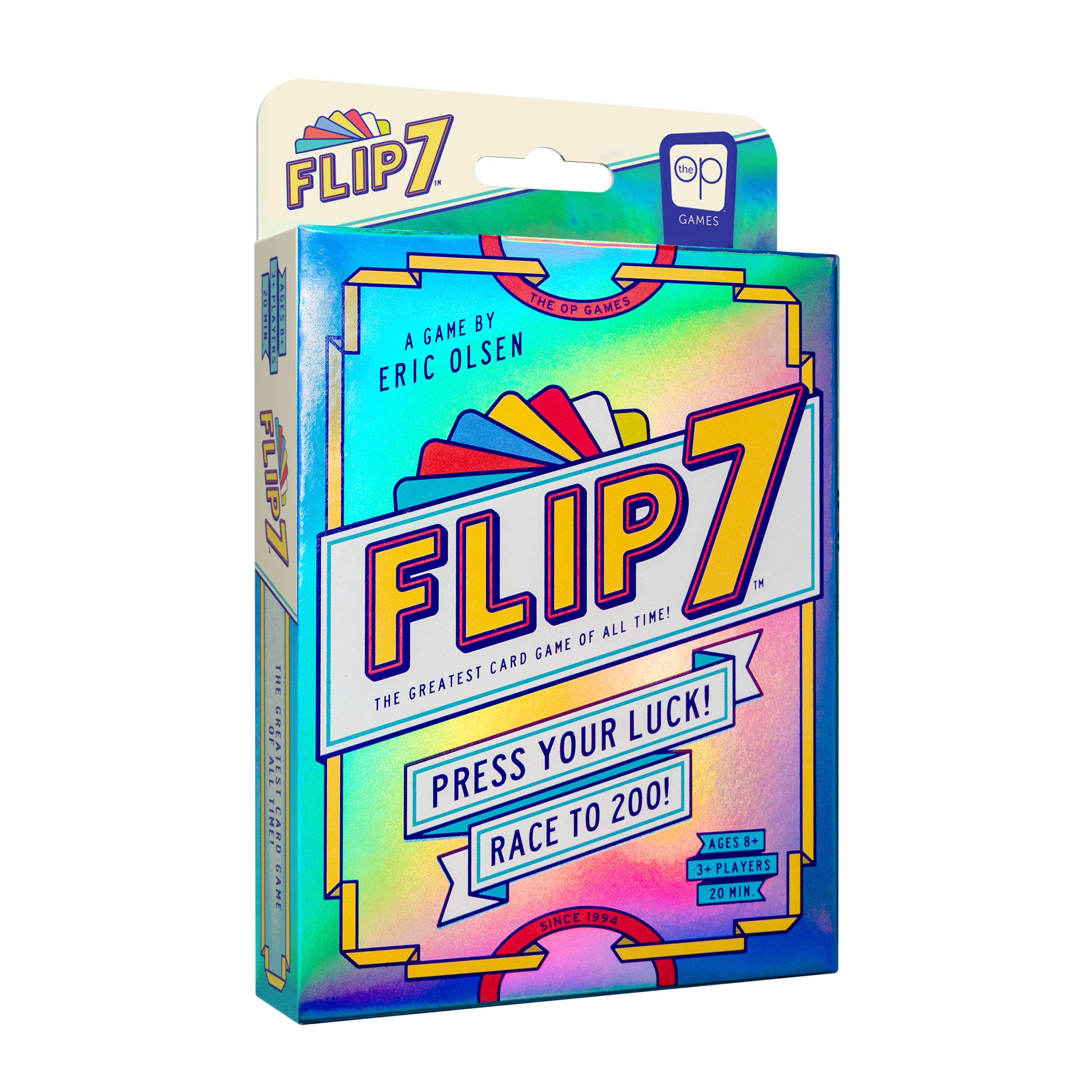
2024
Flip 7
Why it made the listFlip 7 turns push-your-luck into instant crowd suspense: take another number card for a bigger score or stop before a duplicate wipes out the round. Everyone understands the risk immediately, special cards create harmless interference, and the broad player range suits an unpredictable guest list.
7.2 rating 3–18 players 20–20 min 1.0/5 weightView game details -
16

2022
Ready Set Bet
Why it made the listReady Set Bet puts the room around a live horse race, placing wagers while dice move the runners and odds disappear. Simultaneous betting produces cheers and bad decisions in real time; an energetic caller or the companion app helps the race feel like an event rather than arithmetic.
7.6 rating 2–9 players 45–60 min 1.3/5 weightView game details -
17

2011
A Fake Artist Goes To New York
Why it made the listEveryone contributes one line to a shared drawing, but one player does not know what the picture should be. The fake artist must imitate confidence while others signal that they understand without making the subject obvious, creating a quick blend of drawing, bluffing, and group reading.
7.2 rating 5–10 players 1.1/5 weightView game details -
18
Board game
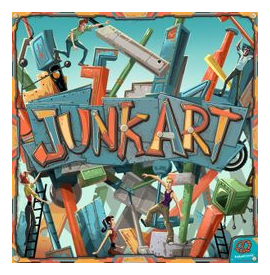
Junk Art
Why it made the listJunk Art turns colourful wooden pieces into a series of changing dexterity challenges: build together, race, pass unstable structures, or protect a personal sculpture. The pieces attract immediate attention, explanations stay visual, and success depends more on steady hands than gaming experience.
7.4 rating 2–6 players 1.2/5 weightView game details -
19

2005
Wits & Wagers
Why it made the listWits & Wagers removes the intimidation from trivia by letting players bet on everyone’s numerical answers instead of needing to know the fact. Wild estimates become useful information, cautious relatives can outscore experts, and teams can debate probabilities without anyone being singled out as uninformed.
6.9 rating 3–7 players 1.2/5 weightView game details -
20
2004
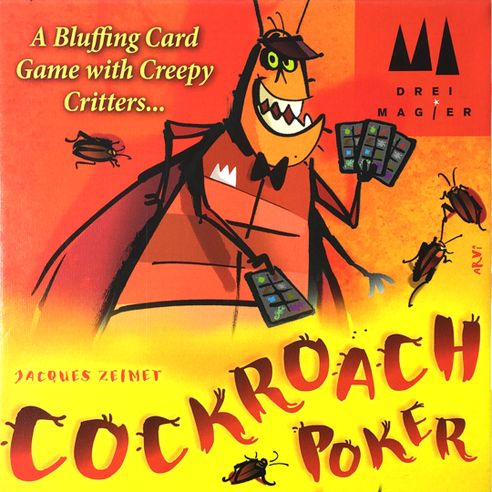
Cockroach Poker
Why it made the listCockroach Poker is bluffing stripped to one question: is the face-down creature being passed what the player claims? There is no elimination and no complicated strategy to explain; the pleasure comes from escalating confidence, improbable truths, and learning exactly how badly friends lie.
6.8 rating 2–6 players 20–20 min 1.1/5 weightView game details
Buying advice
What makes a strong pick?
Party games succeed when the rules disappear and the people become the entertainment. This guide favours games that involve most of the room most of the time, create laughter or discovery without demanding performance from everyone, and remain interesting after the novelty of a first play.
Who this list is for
Hosts, friend groups, family gatherings, and game nights where conversation and shared reactions matter more than controlling a detailed strategy.
What stands out
The selection spans wordplay, drawing, association, bluffing, deduction, dexterity, trivia, racing, and high-commitment team spectacles so hosts can match the game to the room.
What to consider
Party games are especially group-dependent. Some require confident clue-givers, drawing, deception, an experienced moderator, exactly eight players, or comfort with being put on the spot; each note flags that social requirement.
Our methodology
How this guide is built
This is an editorial selection from the catalog’s Party Games classification. The order weighs explanation time, participation, player-count flexibility, replayability, dependence on a particular personality mix, accessibility, and the distinct social energy each game contributes.
Ratings and rank are useful signals, not the whole recommendation. ABG keeps the URL stable and refreshes the ordering as its catalog evidence improves.
Questions, answered
About this list
How were the games on this list chosen?
This is an editorial selection from the catalog’s Party Games classification. The order weighs explanation time, participation, player-count flexibility, replayability, dependence on a particular personality mix, accessibility, and the distinct social energy each game contributes.
Who is this list most useful for?
Hosts, friend groups, family gatherings, and game nights where conversation and shared reactions matter more than controlling a detailed strategy.
How often is this list updated?
ABG refreshes official lists as catalog rankings, ratings, specifications, and classifications improve. The URL stays stable when the order changes.