Best Heavy Board Games
Twenty demanding designs whose rules create discovery, expression, and long-term mastery.
The complete ranking
20 games to consider
Twenty editor-picked heavy board games for experienced, committed players.
-
01
Board game
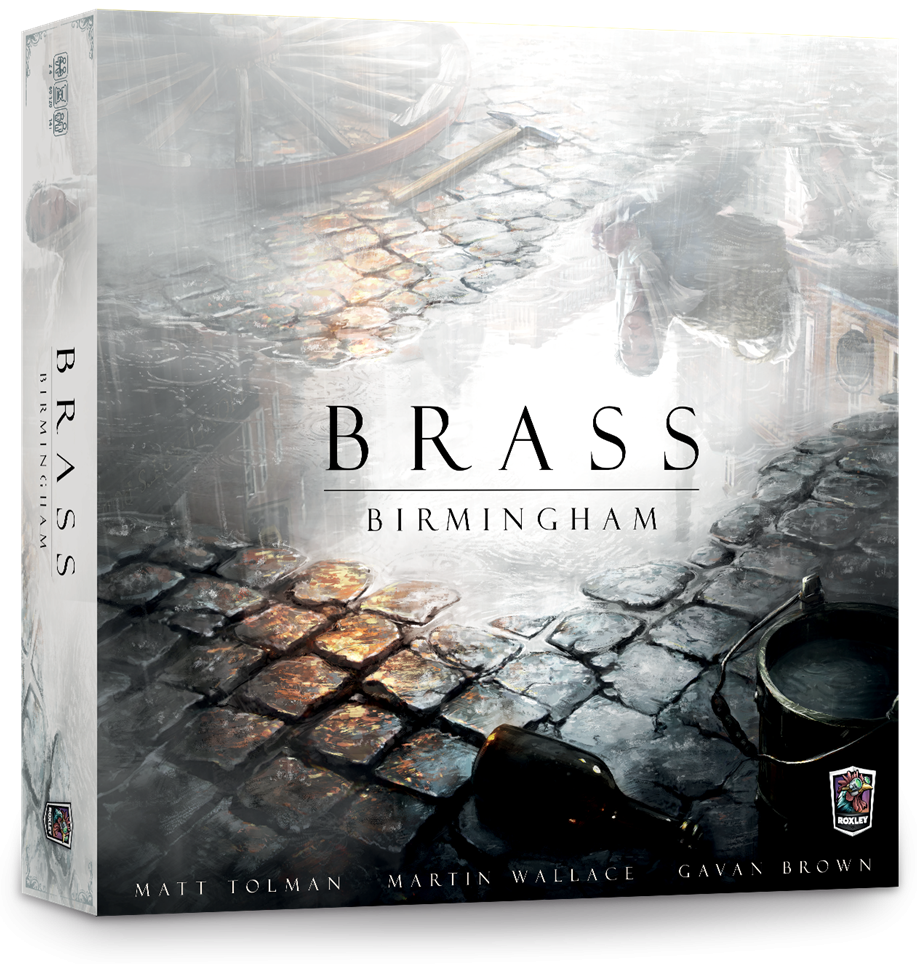
Brass: Birmingham
Why it made the listBrass: Birmingham justifies its weight through a shared economy in which another player may consume your coal, connect your industry, or change the market you expected to use. Two distinct eras and a severe loan-and-income system reward plans built around the whole table rather than private optimization.
8.6 rating 2–4 players 60–120 min 3.9/5 weightView game details -
02
Board game
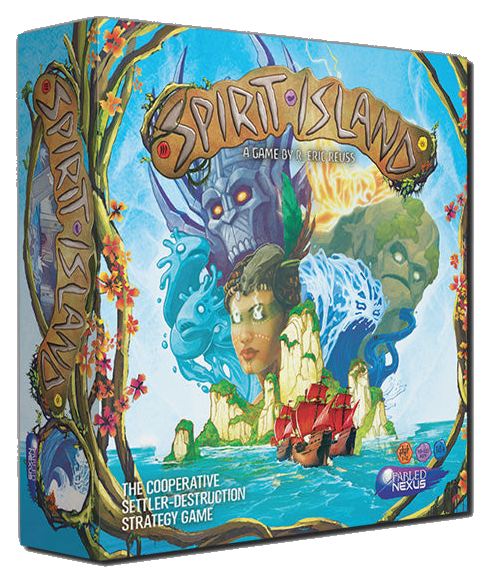
Spirit Island
Why it made the listSpirit Island layers asymmetric spirit growth, fast and slow powers, range, elements, fear, and adversary behaviour into one of cooperative gaming’s deepest systems. Complexity produces genuine specialization: the team must understand how different powers combine without reducing every turn to one player’s calculation.
8.4 rating 1–4 players 90–120 min 4.1/5 weightView game details -
03
2017
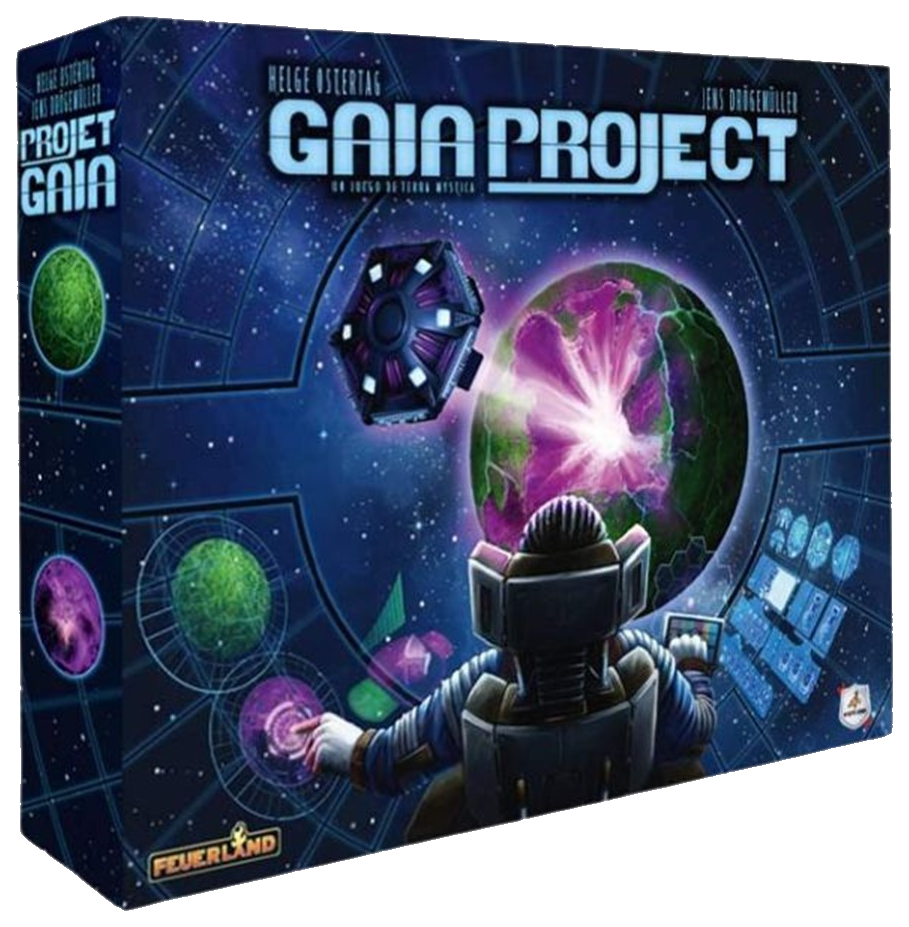
Gaia Project
Why it made the listGaia Project turns faction asymmetry, a modular galaxy, technology tracks, federation timing, and a cycling power economy into a demanding efficiency contest. Public round goals and crowded planets continually alter priorities, so mastery depends on both a long-term plan and precise adaptation to rivals.
8.4 rating 1–4 players 60–150 min 4.4/5 weightView game details -
04
2011
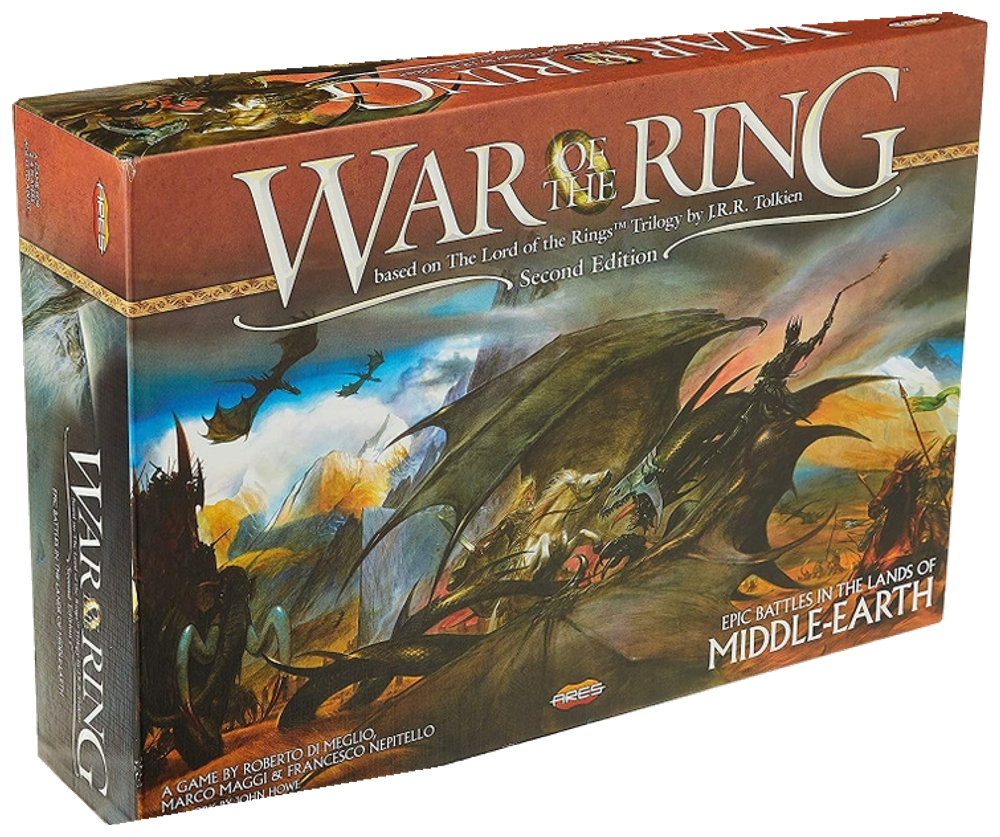
War Of The Ring: Second Edition
Why it made the listWar of the Ring uses its substantial rules to make military pressure, political activation, character movement, corruption, and the Fellowship’s hidden journey part of one coherent struggle. The sides are deeply asymmetric, and every die assignment forces a thematic choice between urgent fronts.
8.5 rating 2–4 players 150–180 min 4.2/5 weightView game details -
05
2017
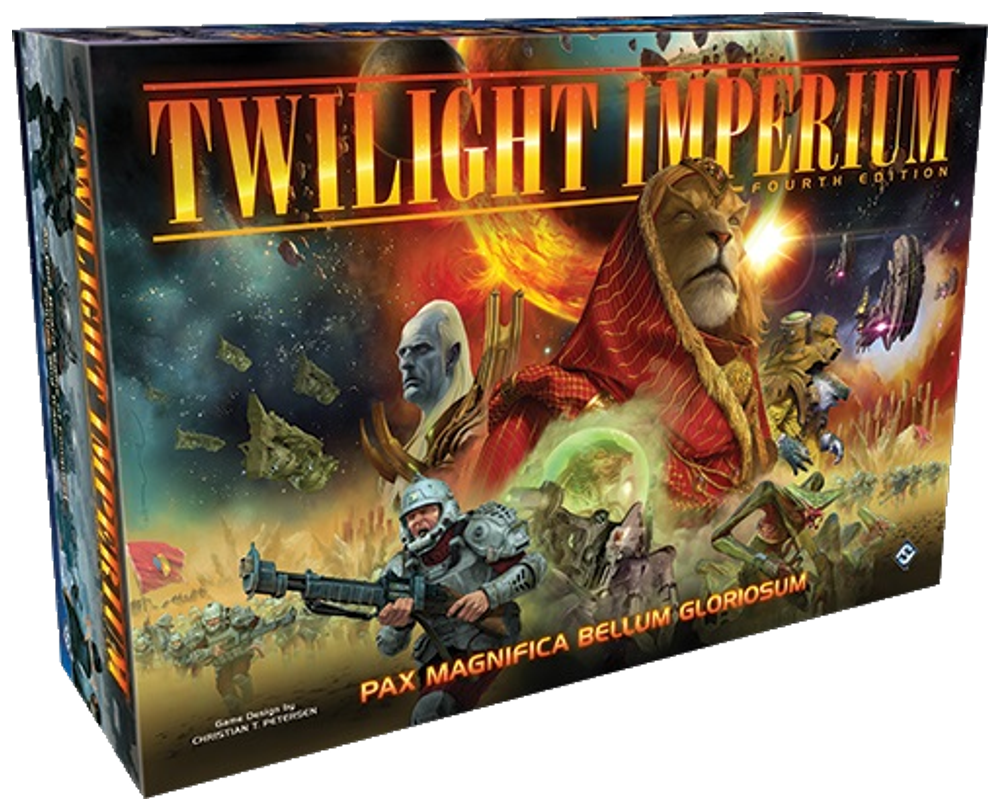
Twilight Imperium: Fourth Edition
Why it made the listTwilight Imperium is heavy through scale as much as rules: asymmetric civilizations negotiate, trade, vote, expand, and fight across an all-day space opera. Public objectives keep the epic directed, while binding deals and political memory ensure that strategic calculation never separates from the people involved.
8.6 rating 3–6 players 240–480 min 4.3/5 weightView game details -
06
2017
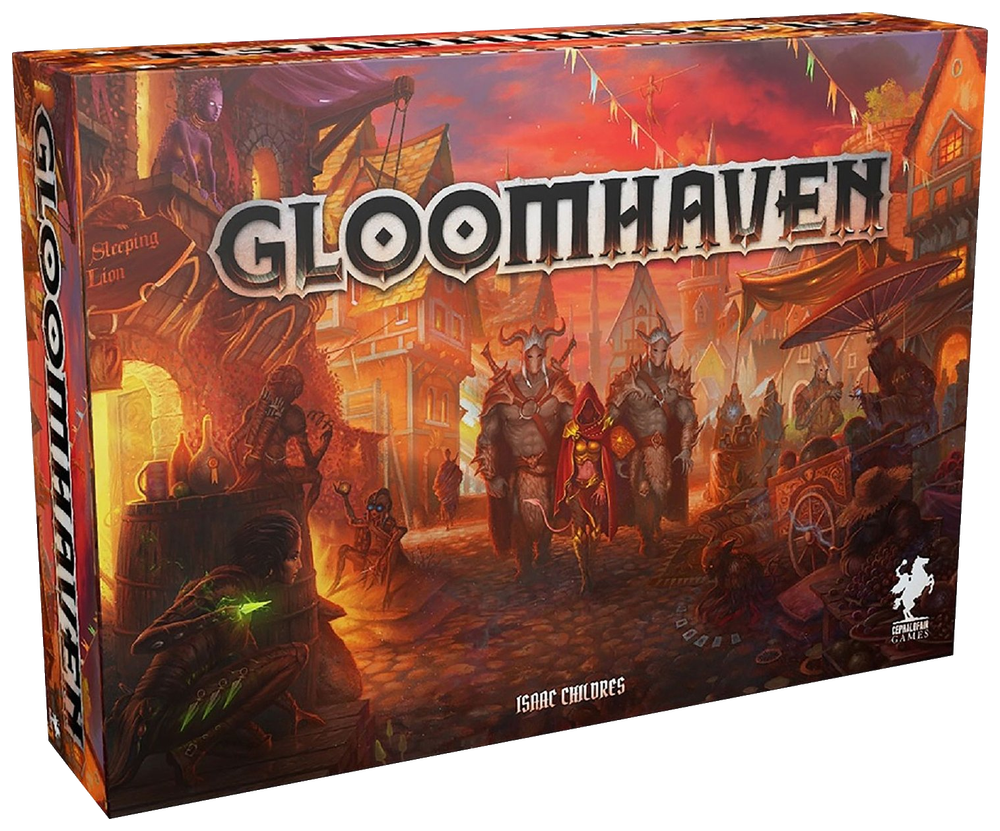
Gloomhaven
Why it made the listGloomhaven replaces routine dungeon dice with a card system where every ability is also a dwindling stamina resource. Initiative, positioning, monster priorities, and campaign growth reward group mastery over dozens of scenarios, although setup and rules upkeep are a serious part of the commitment.
8.6 rating 1–4 players 60–120 min 3.9/5 weightView game details -
07
2015
Through The Ages: A New Story Of Civilization
Why it made the listThrough the Ages models civilization through card timing, population, technology, culture, science, and ever-present military pressure rather than a map. Nearly every resource has multiple future uses, and an opponent’s strength can make an otherwise efficient plan dangerously incomplete.
8.3 rating 2–4 players 4.4/5 weightView game details -
08
2011
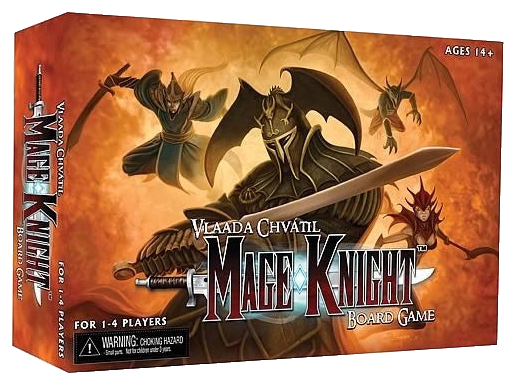
Mage Knight Board Game
Why it made the listMage Knight combines deck-building, hand optimization, movement, influence, combat, wounds, and map exploration into an uncompromising adventure puzzle. Cards can be used several ways and time is scarce, making spectacular late-game turns feel earned through hours of careful route and resource planning.
8.1 rating 1–4 players 60–240 min 4.4/5 weightView game details -
09
2015
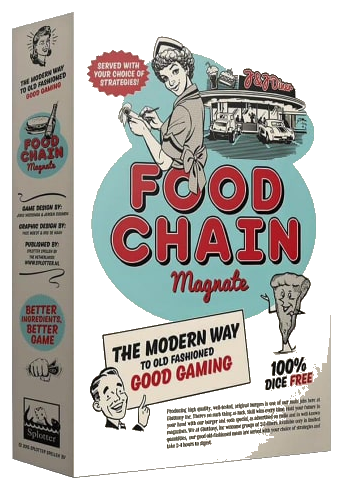
Food Chain Magnate
Why it made the listFood Chain Magnate gives players complete information and very little forgiveness. Hiring structure determines future actions, advertising creates demand, pricing redirects it, and milestones permanently reshape the economy, producing a harsh but remarkably interactive study of timing and market control.
8.1 rating 2–5 players 120–240 min 4.2/5 weightView game details -
10
2019
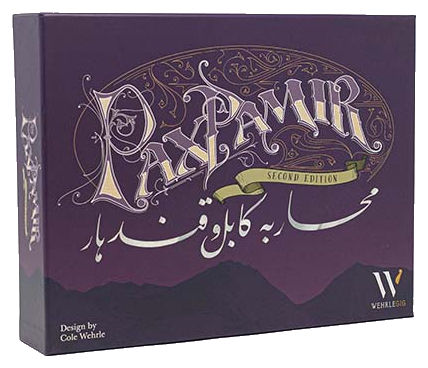
Pax Pamir: Second Edition
Why it made the listPax Pamir’s compact map and card market hide a volatile political system in which players may change coalition, betray partners, and redefine what dominance means. Rules for spies, gifts, armies, and leverage create weight through shifting incentives rather than a long list of independent subsystems.
8.2 rating 1–5 players 45–120 min 3.8/5 weightView game details -
11
2019
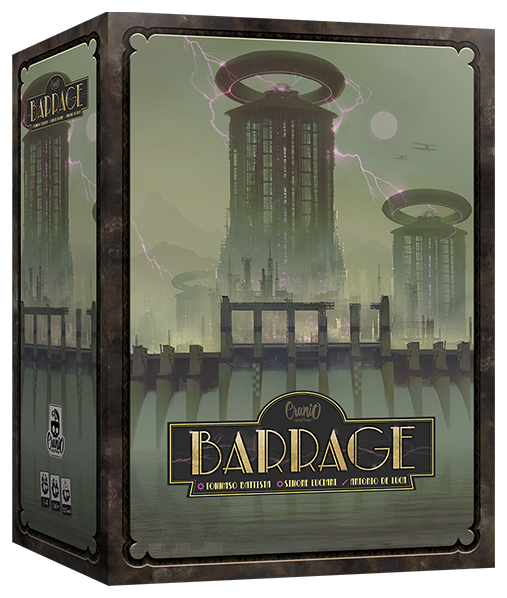
Barrage
Why it made the listBarrage makes water a physical shared resource flowing through an unforgiving network of dams, conduits, and powerhouses. The construction wheel delays invested machinery, worker spaces are contested, and upstream decisions reshape everyone’s future production, rewarding exact planning under direct economic pressure.
8.2 rating 1–4 players 60–120 min 4.1/5 weightView game details -
12
2021
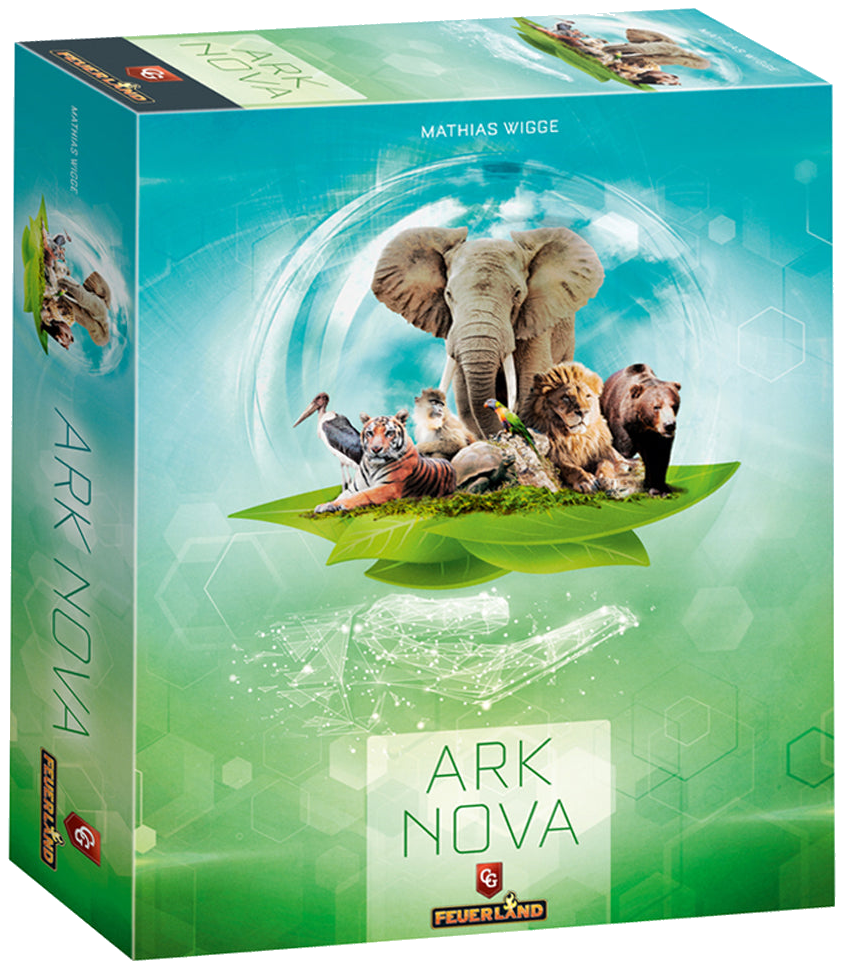
Ark Nova
Why it made the listArk Nova sits at the accessible edge of this heavy list but earns its place through five sliding actions, card requirements, association work, conservation projects, and two opposing score tracks. The system rewards long combinations while forcing players to time when a strong action is worth weakening again.
8.5 rating 1–4 players 90–150 min 3.7/5 weightView game details -
13
2018
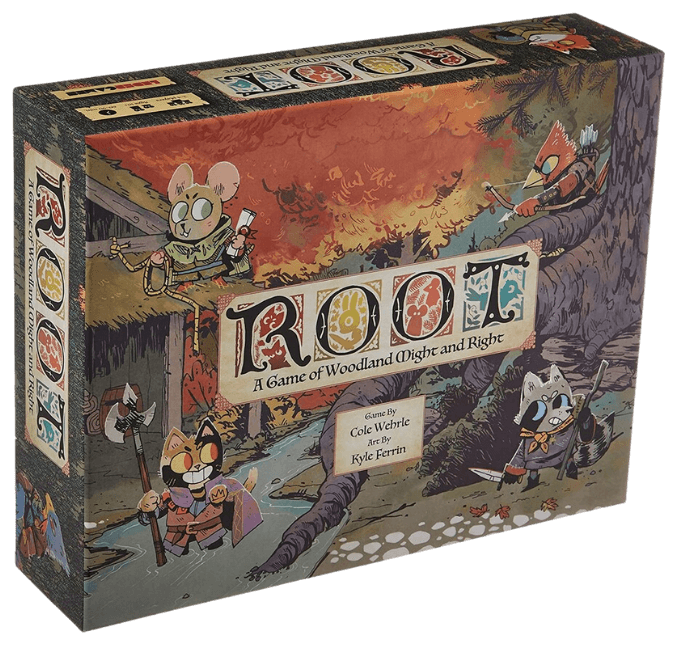
Root
Why it made the listRoot’s weight comes from learning several games at once: each faction follows a different action structure and scoring logic while sharing the same woodland. A successful group must understand not only its own engine but when every rival becomes dangerous and who can afford to intervene.
8.1 rating 2–4 players 60–90 min 3.8/5 weightView game details -
14
2016
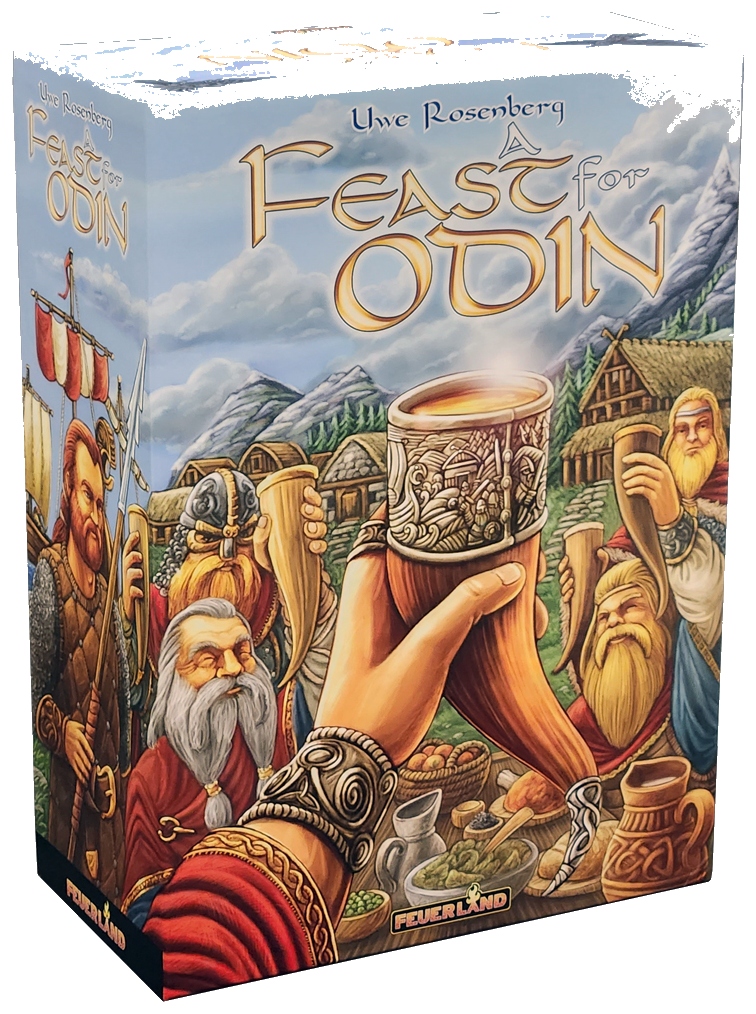
A Feast For Odin
Why it made the listA Feast for Odin presents an enormous worker-placement menu, then connects hunting, raiding, crafting, emigration, income, and spatial tile coverage into a coherent economy. The options are initially intimidating, but repeated play reveals distinct livelihoods and a remarkably expressive path to efficiency.
8.2 rating 1–4 players 30–120 min 3.9/5 weightView game details -
15
2020
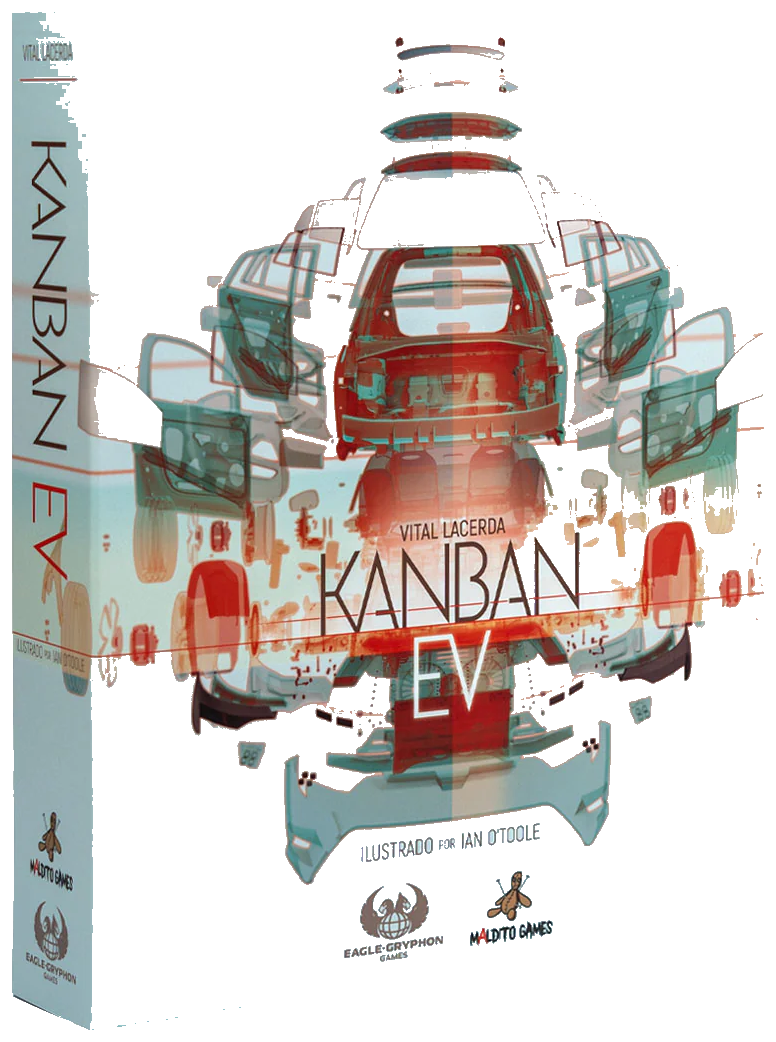
Kanban Ev
Why it made the listKanban EV models an electric-car factory through departments that feed one another: design, parts, assembly, testing, certification, and meetings. Worker timing and Sandra’s evaluations create pressure, while the factory’s shared production flow makes every player’s efficiency affect what others can accomplish.
8.4 rating 1–4 players 60–180 min 4.3/5 weightView game details -
16

2017
Lisboa
Why it made the listLisboa makes every card serve two strategic modes as players rebuild a city through public buildings, shops, decrees, ships, clergy, and a simulated treasury. Its interlocking economy is demanding to learn, but actions echo across systems instead of feeling like disconnected complexity.
8.2 rating 1–4 players 60–120 min 4.6/5 weightView game details -
17
2021
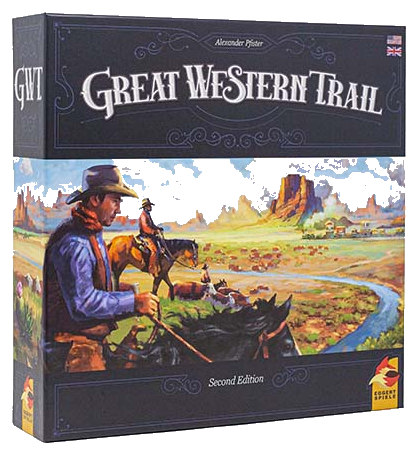
Great Western Trail: Second Edition
Why it made the listGreat Western Trail combines deck improvement, route building, worker placement, delivery timing, hazards, and rail development along one repeated journey. The weight emerges gradually as personal buildings reshape the trail and each arrival at Kansas City tests whether the whole engine has stayed balanced.
8.4 rating 1–4 players 75–150 min 3.7/5 weightView game details -
18
2017
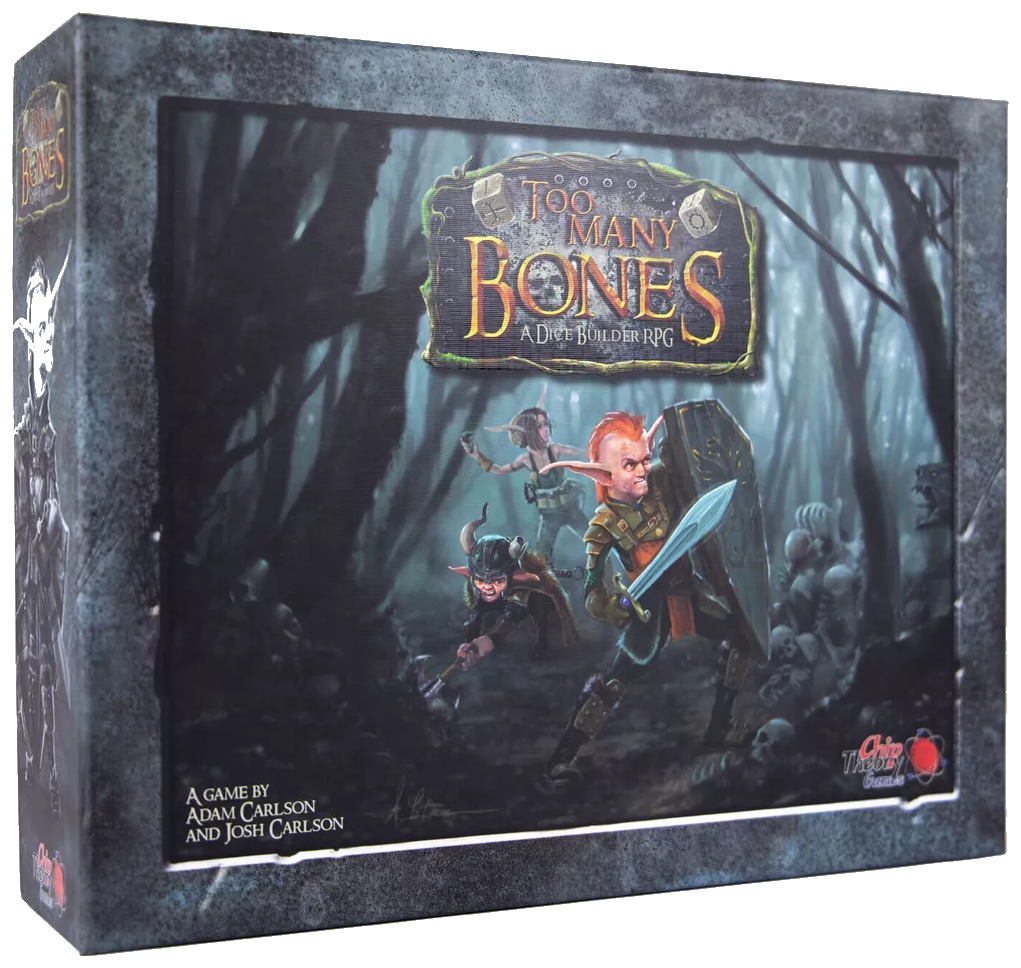
Too Many Bones
Why it made the listToo Many Bones gives each Gearloc a unique dice-based skill tree, then asks the party to prepare for tactical encounters with strict positioning and target rules. Custom components and keywords create a steep entry, but character growth and scenario adaptation support deep cooperative specialization.
8.4 rating 1–4 players 60–120 min 3.9/5 weightView game details -
19
2010
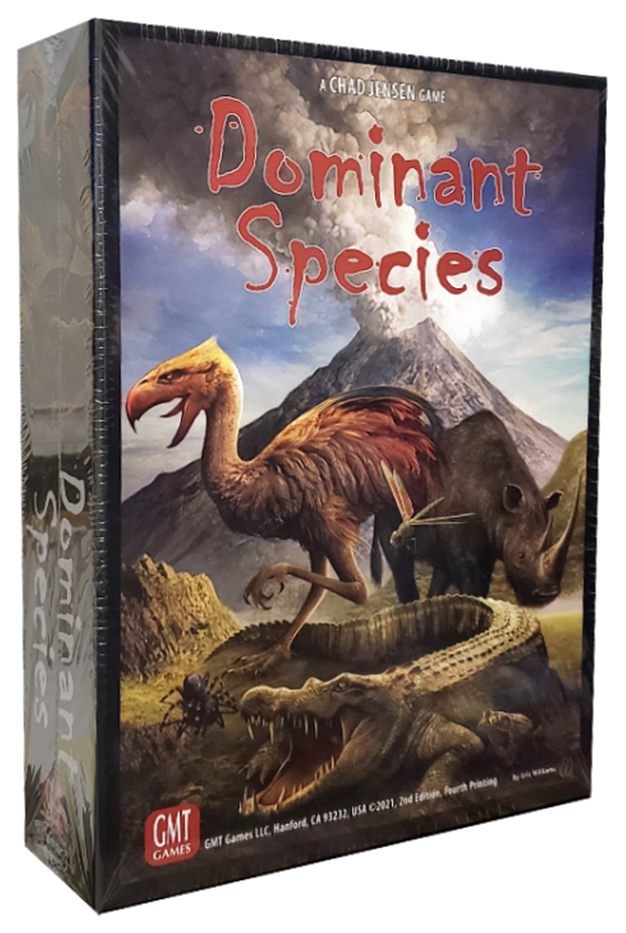
Dominant Species
Why it made the listDominant Species separates planning from resolution: players commit pawns to actions, then watch climate, food, migration, competition, and scoring unfold in a fixed order. Area control and card effects are ruthless, and the delay between intention and outcome makes reading opponents essential.
7.8 rating 2–6 players 120–240 min 4.0/5 weightView game details -
20
2012
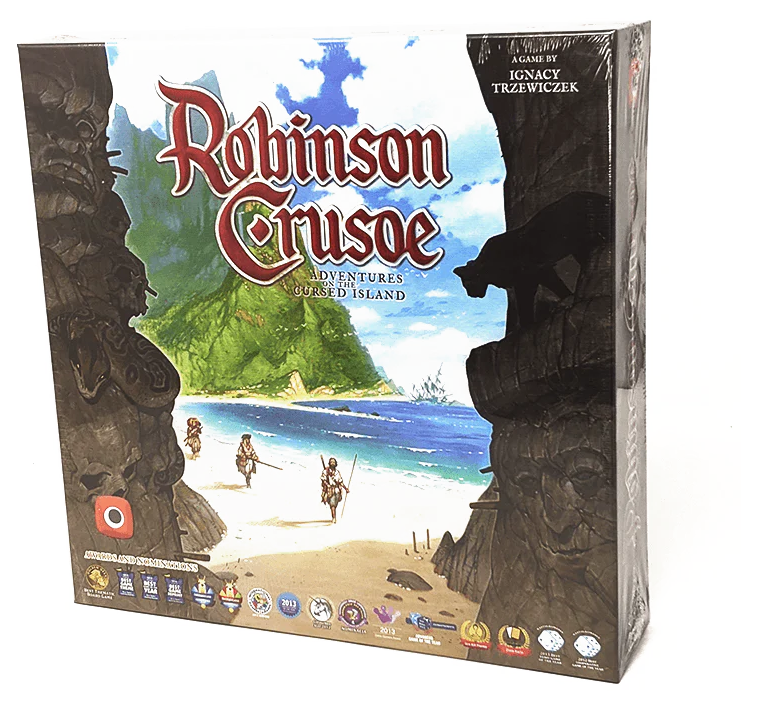
Robinson Crusoe: Adventures On The Cursed Island
Why it made the listRobinson Crusoe layers shelter, weather, food, inventions, exploration, wounds, event consequences, and scenario goals into a famously punishing survival system. Its administration is substantial, but the rules continually turn practical compromises into a shared story of plans barely holding together.
7.8 rating 1–4 players 60–120 min 3.8/5 weightView game details
Buying advice
What makes a strong pick?
Heavy games earn their table time when the rules create decisions that could not exist in a simpler system. This guide values depth, interaction, and expressive strategy rather than complexity as a feat of endurance, while recognizing that some of the greatest designs ask for an evening—or an entire day.
Who this list is for
Experienced players and established groups willing to study rules beforehand, teach carefully, schedule substantial sessions, and revisit a game enough for its deeper incentives to become visible.
What stands out
The selection includes economic networks, asymmetric war, civilization, cooperation, 4X, political alliances, worker placement, deck-driven adventure, tactical campaigns, and unforgiving survival systems.
What to consider
Community weight is an average, and “heavy” can mean rules density, strategic opacity, administration, asymmetry, or duration. Player count and prior system knowledge can change the learning burden dramatically.
Our methodology
How this guide is built
This is an editorial selection from published games with a catalog complexity weight of at least 3.7. Ordering weighs strategic depth, interaction, replayability, system coherence, critical reception, teach and setup burden, availability, and the distinct heavy-gaming tradition each pick represents.
Ratings and rank are useful signals, not the whole recommendation. ABG keeps the URL stable and refreshes the ordering as its catalog evidence improves.
Questions, answered
About this list
How were the games on this list chosen?
This is an editorial selection from published games with a catalog complexity weight of at least 3.7. Ordering weighs strategic depth, interaction, replayability, system coherence, critical reception, teach and setup burden, availability, and the distinct heavy-gaming tradition each pick represents.
Who is this list most useful for?
Experienced players and established groups willing to study rules beforehand, teach carefully, schedule substantial sessions, and revisit a game enough for its deeper incentives to become visible.
How often is this list updated?
ABG refreshes official lists as catalog rankings, ratings, specifications, and classifications improve. The URL stays stable when the order changes.