Best Campaign Board Games
Twenty connected tabletop journeys where the next session remembers what happened before.
The complete ranking
20 games to consider
Twenty editor-picked campaign and legacy board games with meaningful continuity.
-
01
2015
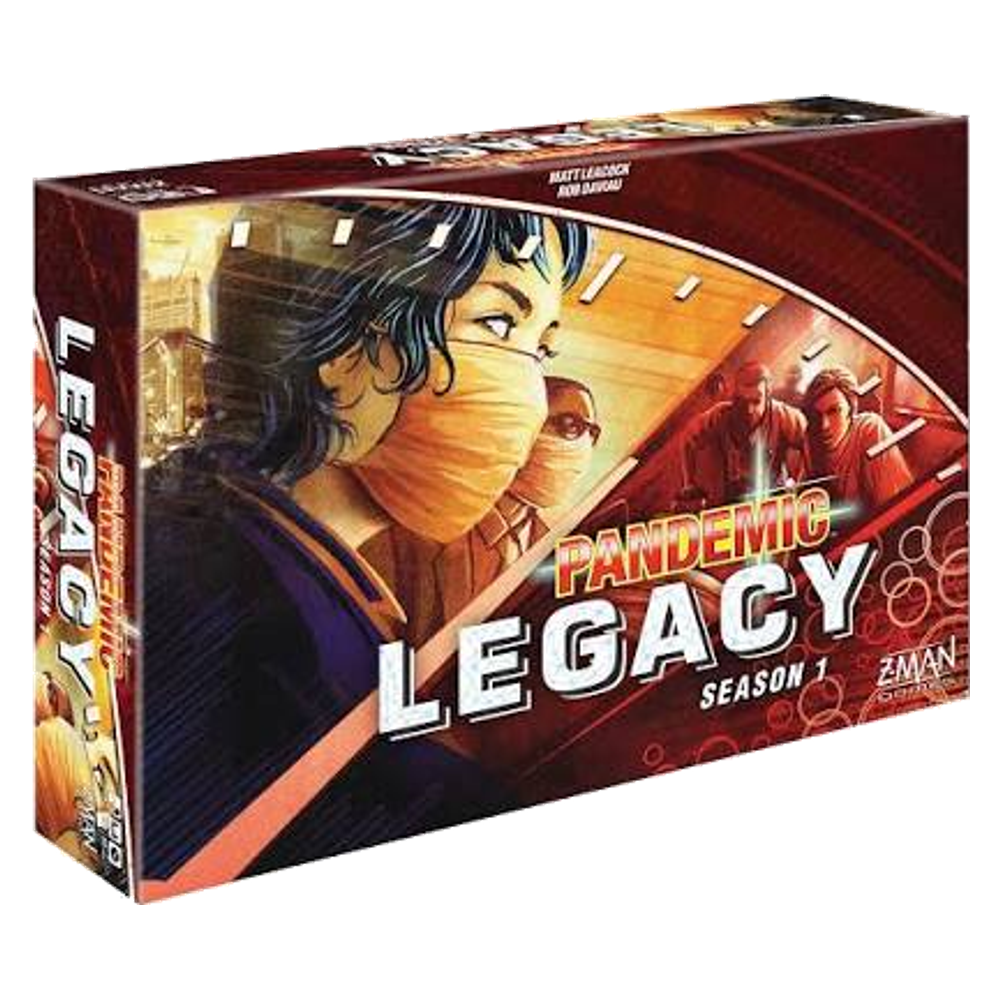
Pandemic Legacy: Season 1
Why it made the listPandemic Legacy: Season 1 remains the benchmark because a familiar cooperative system becomes personal without losing its tactical clarity. Cities change, characters carry scars, sealed content disrupts assumptions, and every month provides a focused crisis whose outcome matters to the campaign.
8.5 rating 2–4 players 60–60 min 2.8/5 weightView game details -
02
2017
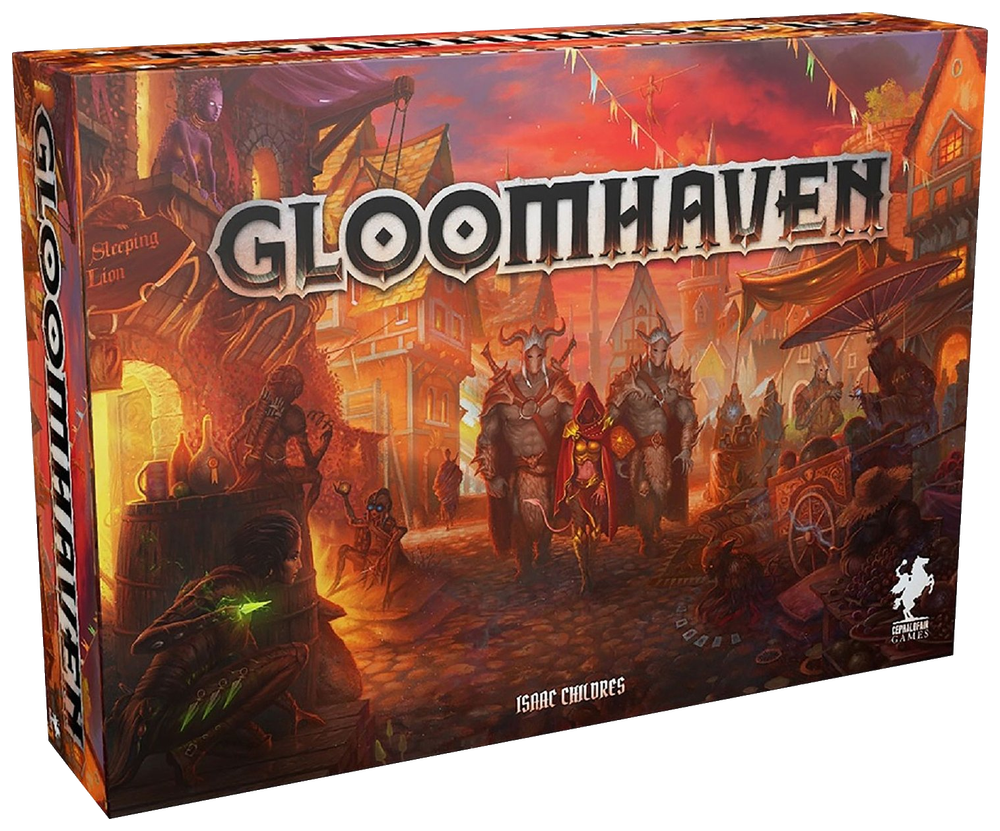
Gloomhaven
Why it made the listGloomhaven offers an enormous tactical campaign built on hand management rather than routine dice checks. Classes unlock, cards improve, prosperity changes the shop, and branching scenarios reshape the map, while each dungeon remains a substantial positional puzzle in its own right.
8.6 rating 1–4 players 60–120 min 3.9/5 weightView game details -
03
2019
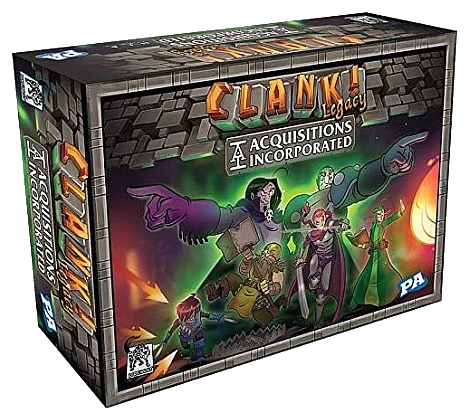
Clank! Legacy: Acquisitions Incorporated
Why it made the listClank! Legacy ties permanent discovery to a lively deck-building adventure. Players name locations, open the board, follow humorous story prompts, and alter future cards while still racing into danger for loot, making the campaign competitive without sacrificing a shared sense of exploration.
8.6 rating 2–4 players 90–120 min 2.7/5 weightView game details -
04
2023
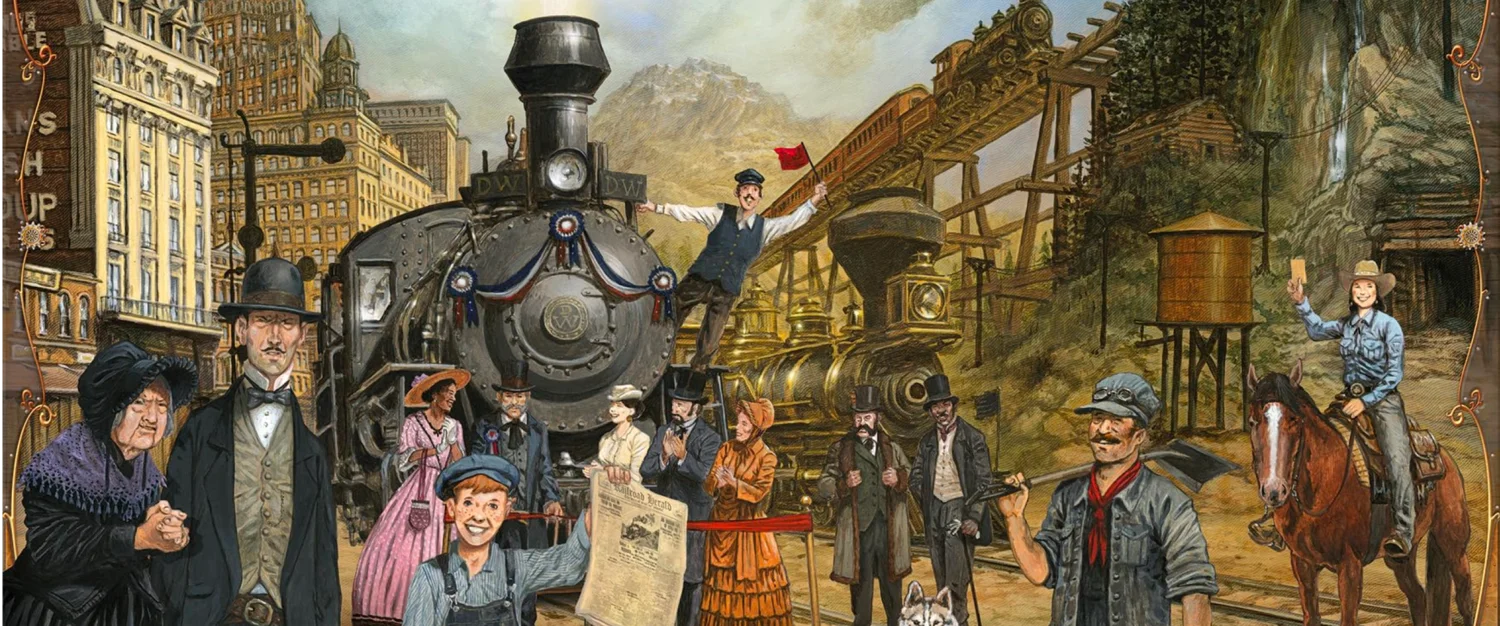
Ticket to Ride Legacy: Legends of the West
Why it made the listLegends of the West uses the familiar Ticket to Ride foundation to make legacy play approachable. New regions, companies, rules, and story events arrive across twelve games, so families can experience a changing map and meaningful surprises without first learning a heavy campaign system.
8.6 rating 2–5 players 20–90 min 2.6/5 weightView game details -
05
2020
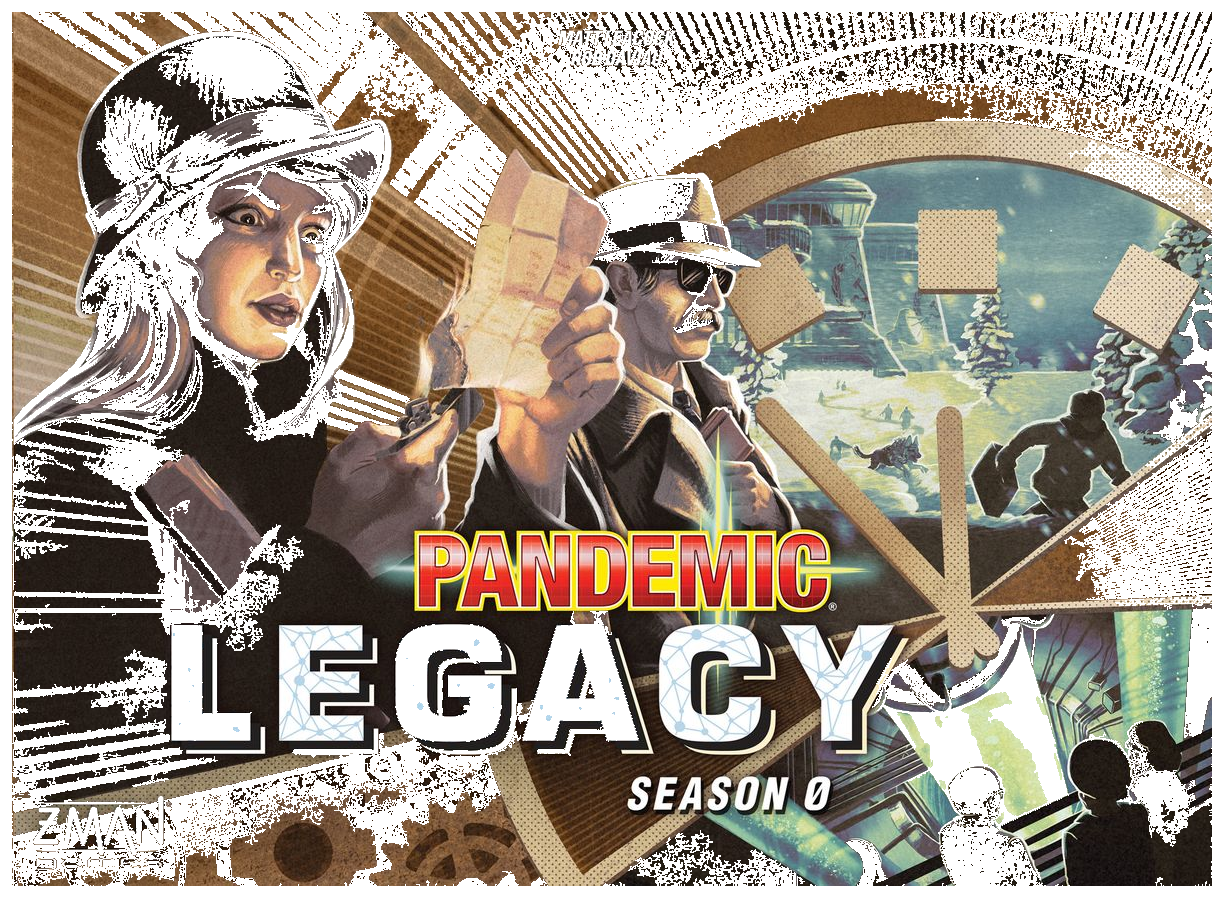
Pandemic Legacy: Season 0
Why it made the listSeason 0 reworks Pandemic into a Cold War spy campaign with aliases, surveillance, shifting objectives, and a globe-spanning story. It asks more rules overhead than Season 1 but rewards an experienced pair or group with strong scenario variety and satisfying long-term operational planning.
8.4 rating 2–4 players 45–60 min 3.2/5 weightView game details -
06
2019
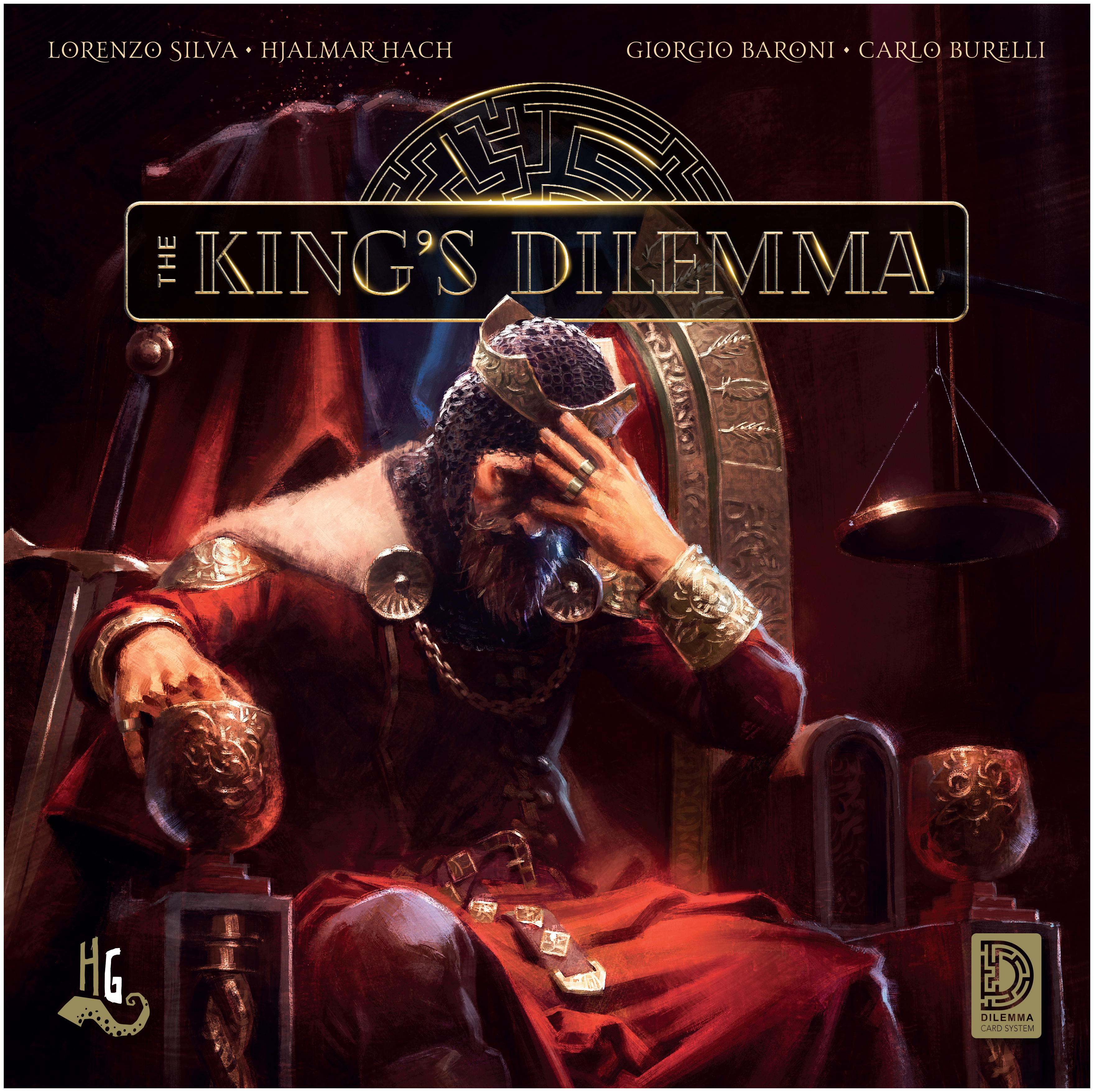
The King's Dilemma
Why it made the listThe King’s Dilemma makes campaign continuity political: noble houses vote on crises, sign agreements, pursue secret agendas, and leave the kingdom’s consequences to future sessions. It is best with the same expressive five-player group, because negotiation and remembered betrayals are the real progression system.
7.8 rating 3–5 players 45–60 min 2.3/5 weightView game details -
07
2020
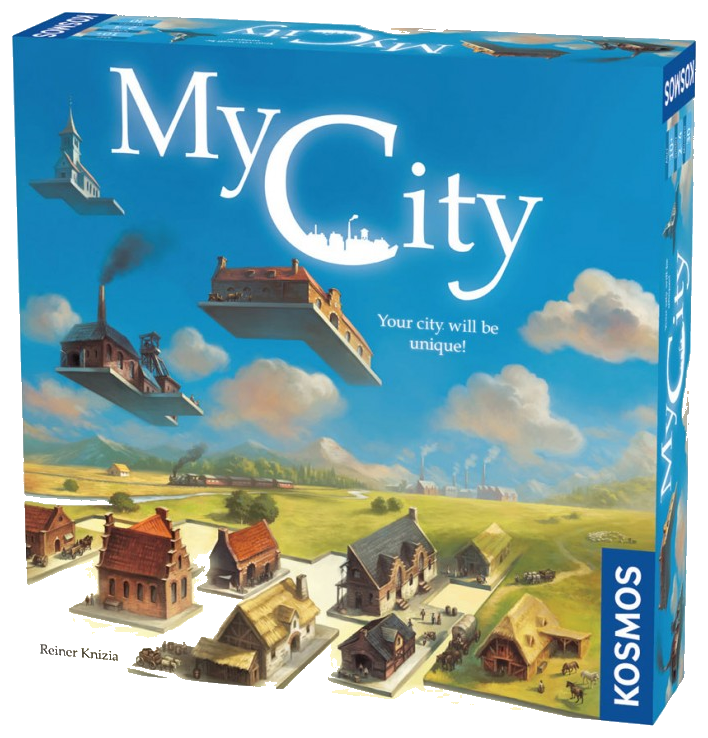
My City
Why it made the listMy City divides a legacy experience into short, accessible tile-laying episodes. Each game adds a small rule or permanent board change, letting families learn gradually while their cities diverge according to earlier choices; a non-legacy reverse side remains playable after the campaign.
7.7 rating 2–4 players 2.0/5 weightView game details -
08
Board game
Aeon’s End: Legacy
Why it made the listAeon’s End: Legacy teaches its no-shuffle cooperative deck-building system through a campaign of evolving breach mages and escalating nemeses. Players gain powers, modify decks, and learn coordination in stages, making persistence support the tutorial rather than simply adding narrative stickers.
8.1 rating 1–4 players 45–90 min 2.9/5 weightView game details -
09
2023
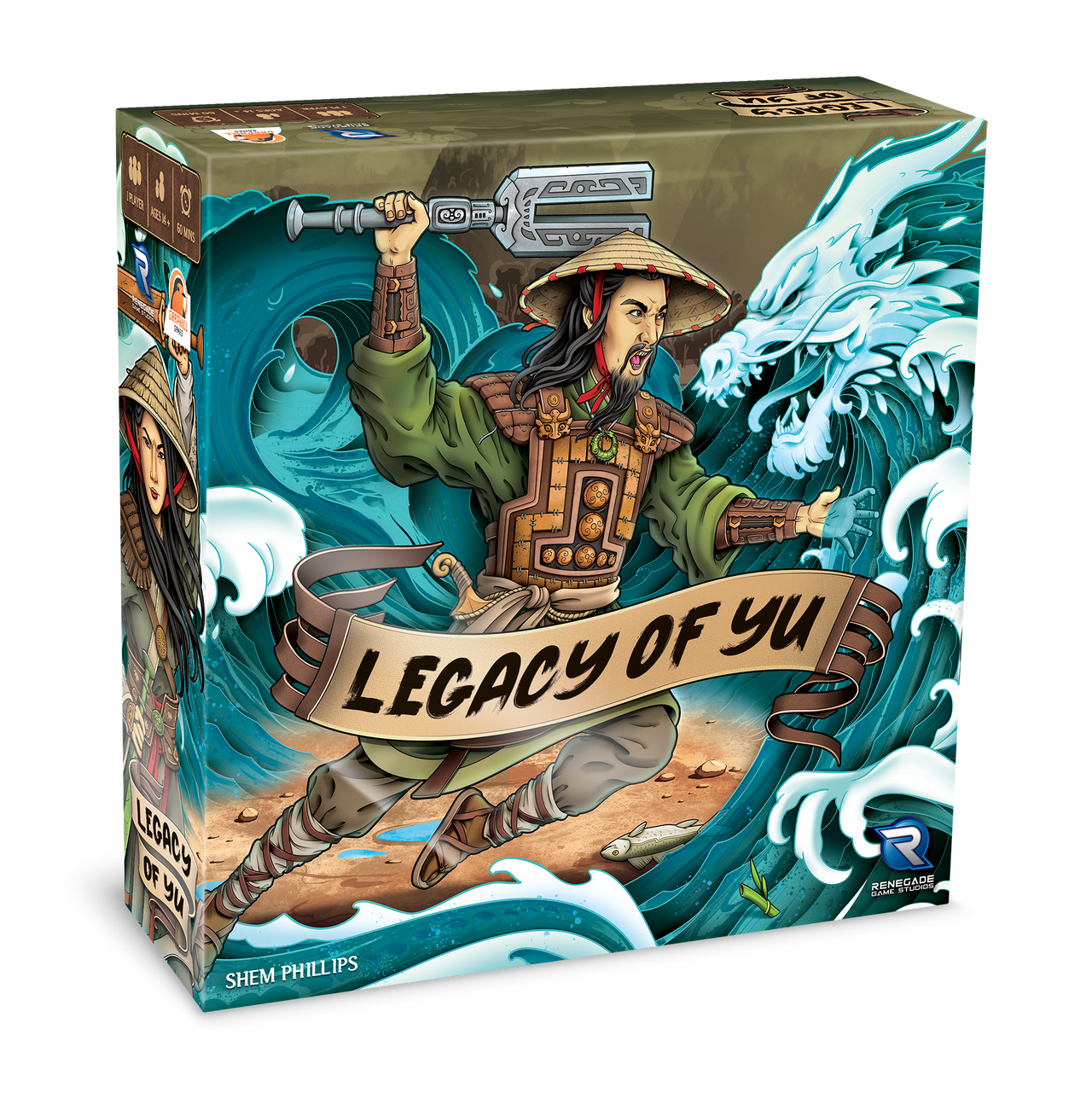
Legacy of Yu
Why it made the listLegacy of Yu is purpose-built for one player and compresses a complete evolving story into manageable sessions. Wins and losses unlock cards and rules, the barbarian deck responds to progress, and the campaign can be reset, making failure informative without permanently ruining the box.
8.1 rating 1–1 players 60–60 min 2.9/5 weightView game details -
10
2025
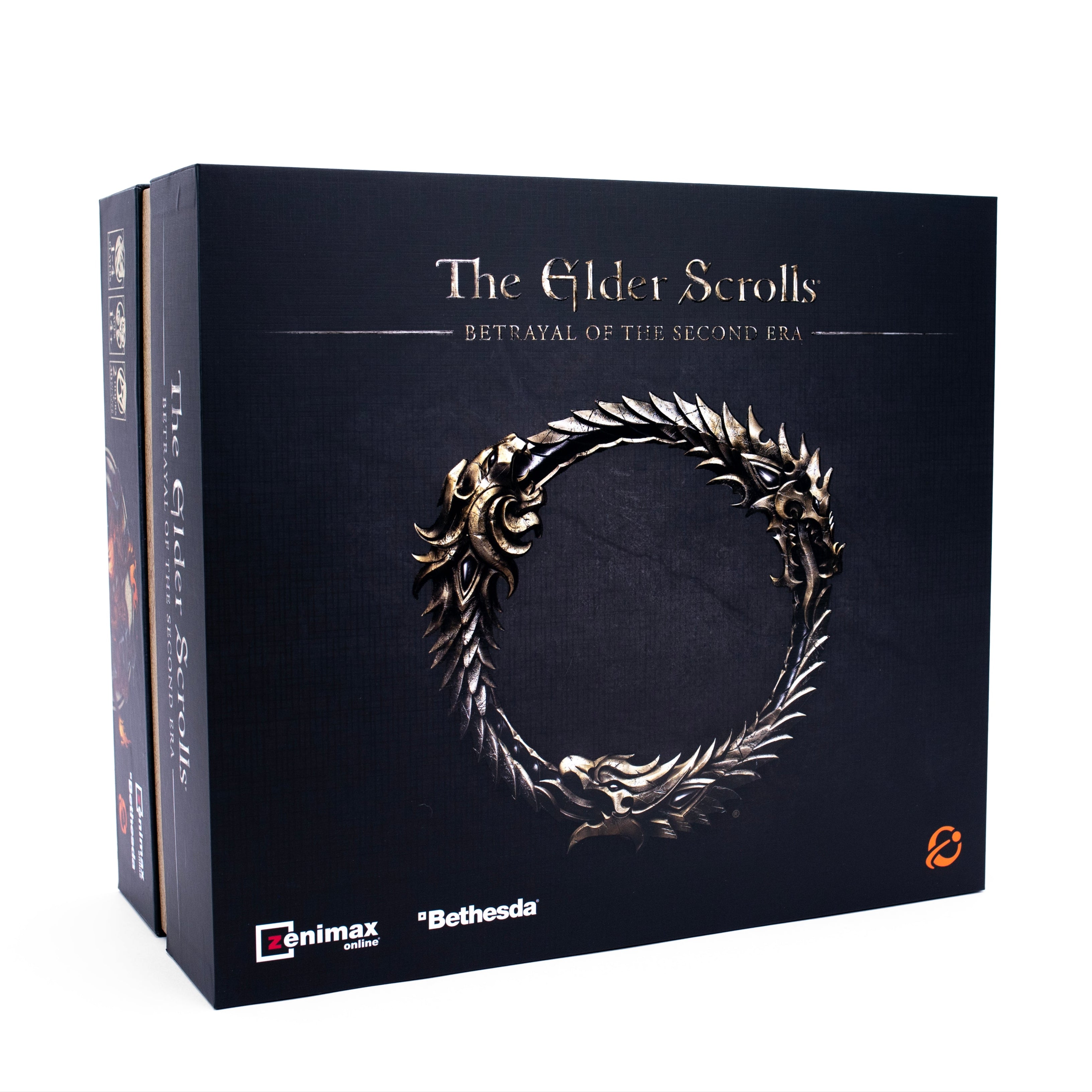
The Elder Scrolls: Betrayal of the Second Era
Why it made the listBetrayal of the Second Era offers a replayable three-session adventure rather than a disposable legacy path. Players develop distinct heroes, explore a changing province, and resolve tactical encounters before a finale, combining campaign growth with a commitment small enough to schedule repeatedly.
8.9 rating 1–4 players 120–240 min 4.1/5 weightView game details -
11
2025
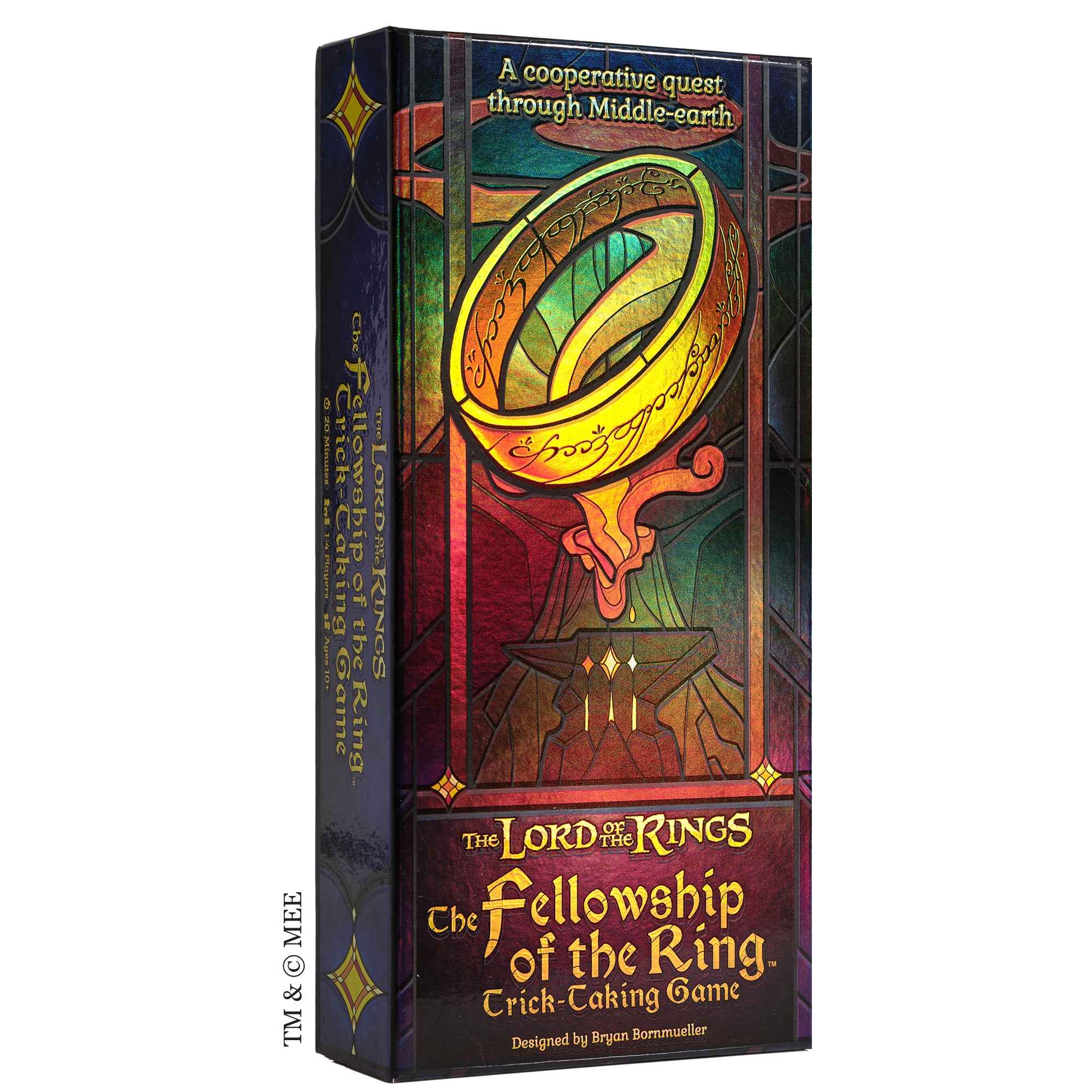
The Lord of the Rings: The Fellowship of the Ring – Trick-Taking Game
Why it made the listThe Fellowship of the Ring Trick-Taking Game follows the novel through sequential chapters that alter goals, characters, and cooperative constraints. Sessions are short, card play carries the story cleanly, and progression comes from learning new team puzzles rather than maintaining a sprawling character sheet.
8.0 rating 1–4 players 20–20 min 1.9/5 weightView game details -
12
2024
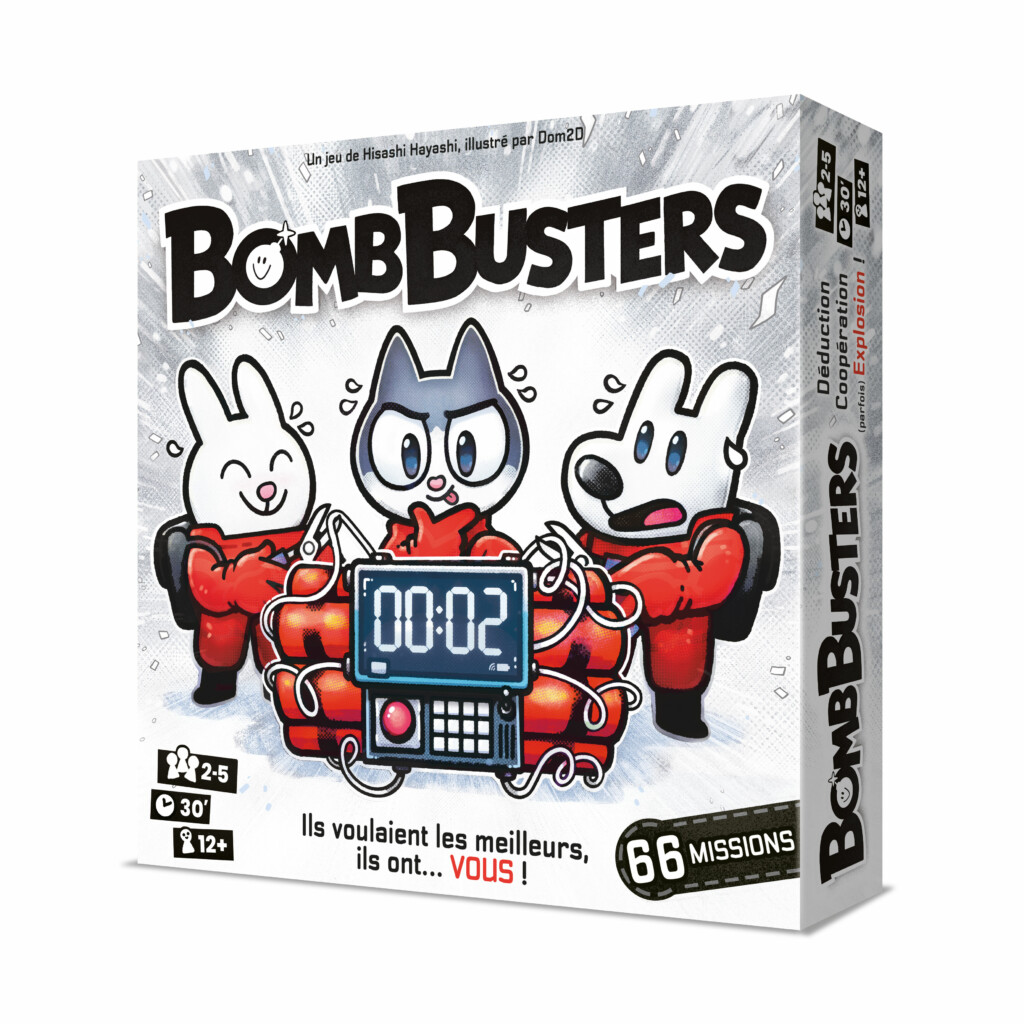
Bomb Busters
Why it made the listBomb Busters structures dozens of deduction missions as a progressive team curriculum. New tools, wire types, and complications arrive in sealed sections, giving the group the excitement of discovery and improving shared logic without requiring a continuous narrative or irreversible board changes.
8.0 rating 2–5 players 30–30 min 2.0/5 weightView game details -
13
2024
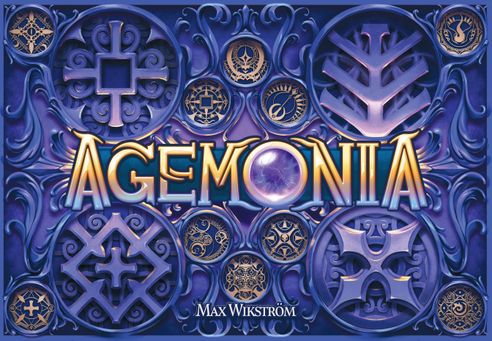
Agemonia
Why it made the listAgemonia is a large cooperative story campaign with branching quests, persistent heroes, city phases, and tactical scenarios shaped by character abilities. Its production and commitment are substantial, but groups seeking roleplaying-style choices and physical exploration receive a world designed for long residence.
8.8 rating 1–4 players 60–120 min 3.3/5 weightView game details -
14
2018
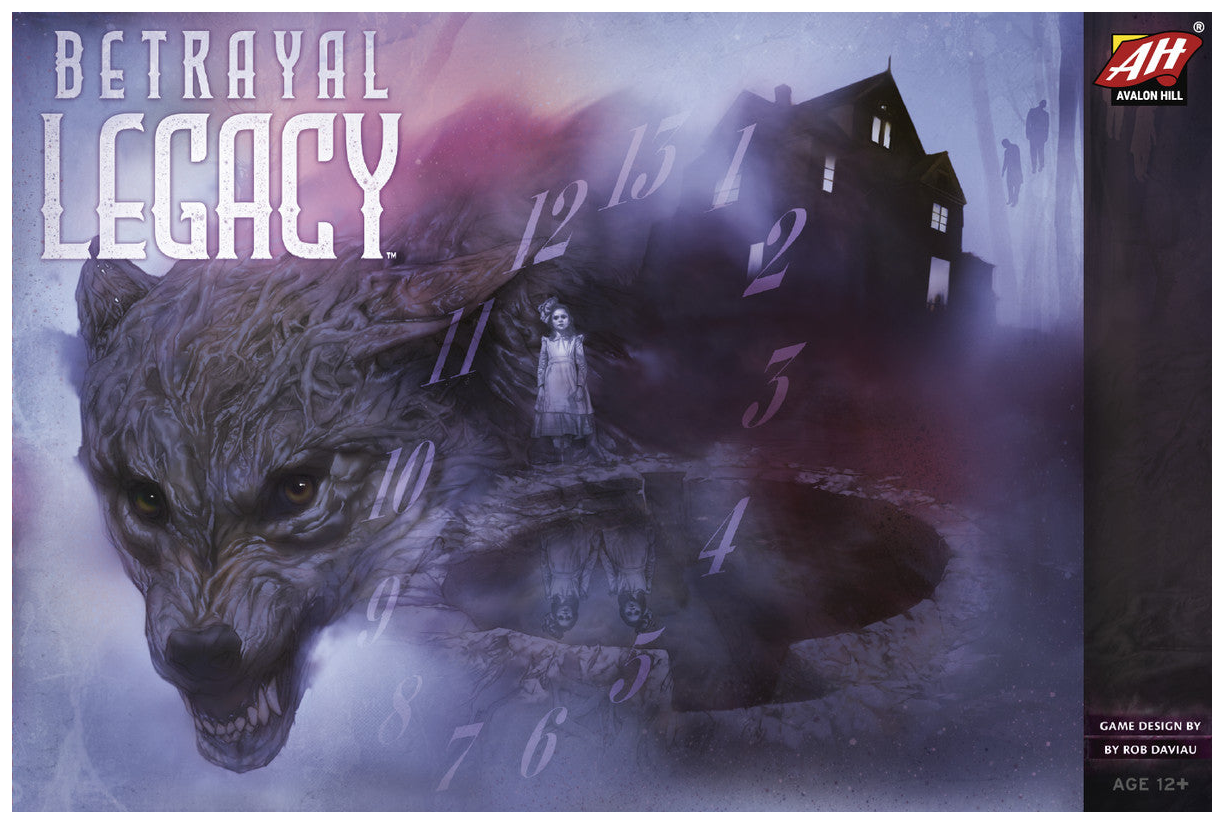
Betrayal Legacy
Why it made the listBetrayal Legacy turns a haunted-house one-off into a family chronicle spanning generations. Rooms, items, and events acquire a history, later haunts recall earlier decisions, and even uneven scenarios contribute to a memorable shared mythology for groups that value surprise over tight balance.
7.7 rating 3–5 players 45–90 min 2.9/5 weightView game details -
15
2011
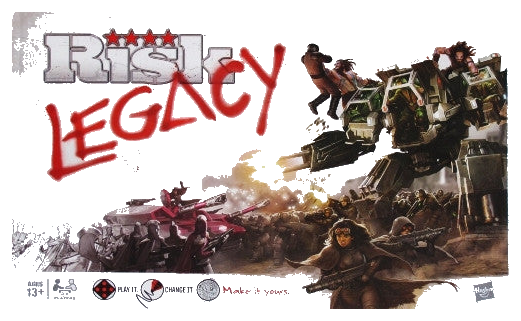
Risk Legacy
Why it made the listRisk Legacy established how permanent changes could make a familiar competitive game feel owned by one group. Factions gain powers, cities and scars reshape the map, and sealed packets answer dramatic triggers, creating remembered alliances and grudges across a finite series of wars.
7.4 rating 3–5 players 2.6/5 weightView game details -
16
2018
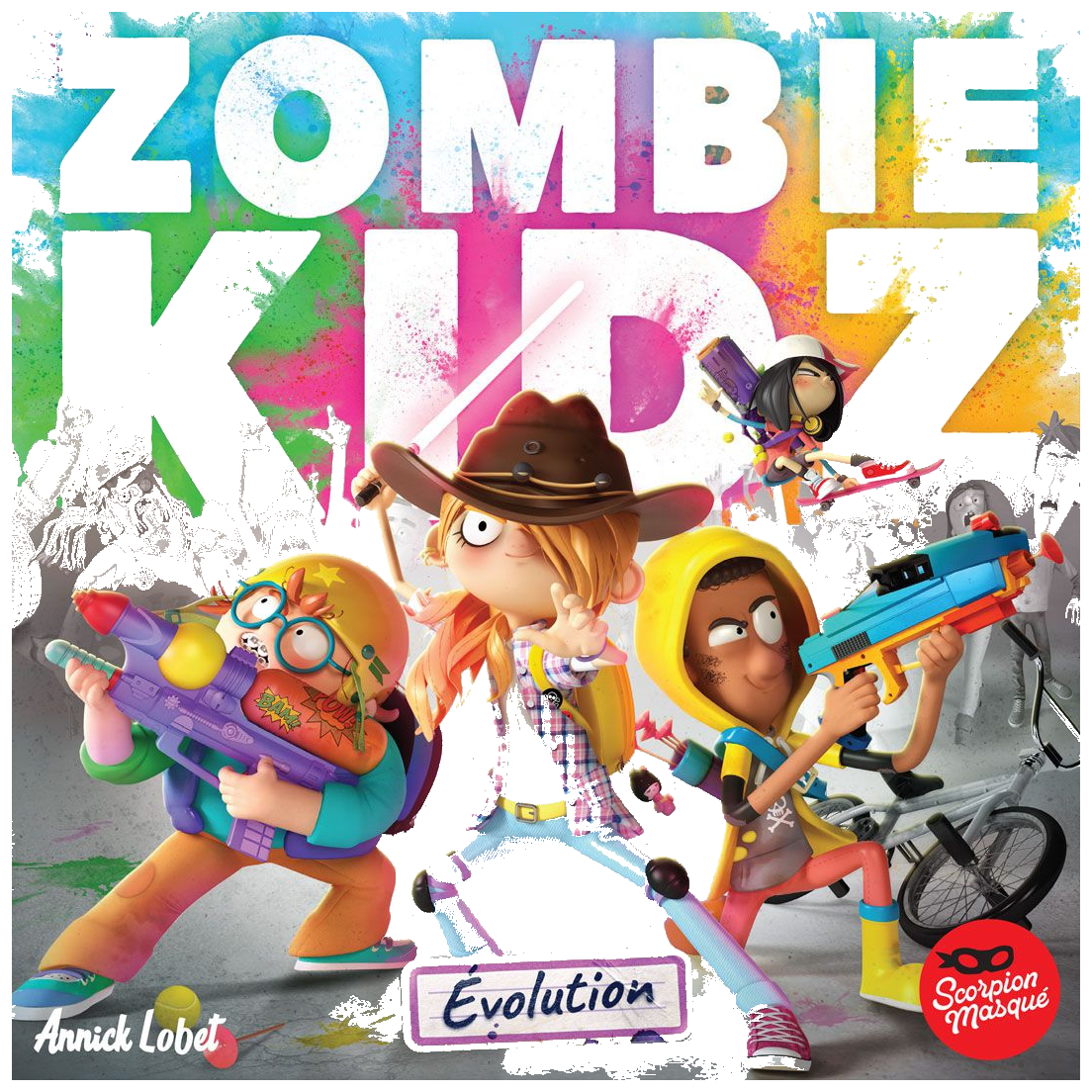
Zombie Kidz Evolution
Why it made the listZombie Kidz Evolution makes campaign discovery work for children through fast cooperative school-defence games. Completing achievements opens envelopes with new powers, challenges, and rules, so the system grows with the family while individual sessions remain short enough for younger attention spans.
7.6 rating 2–4 players 5–15 min 1.4/5 weightView game details -
17
2024
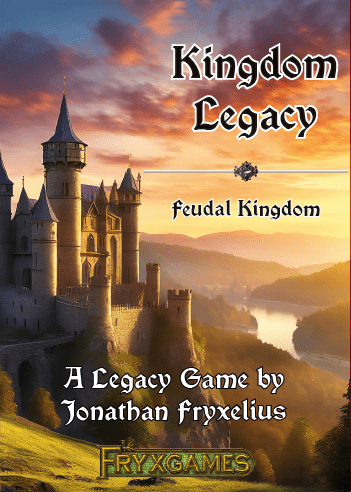
Kingdom Legacy: Feudal Kingdom
Why it made the listKingdom Legacy packs a solo campaign into a small deck of cards that players mark, cut, upgrade, and transform. Each decision changes the available kingdom and future possibilities, delivering the tactile permanence of legacy play without a large table or a recurring group.
8.0 rating 1–1 players 360–480 min 2.3/5 weightView game details -
18
2017
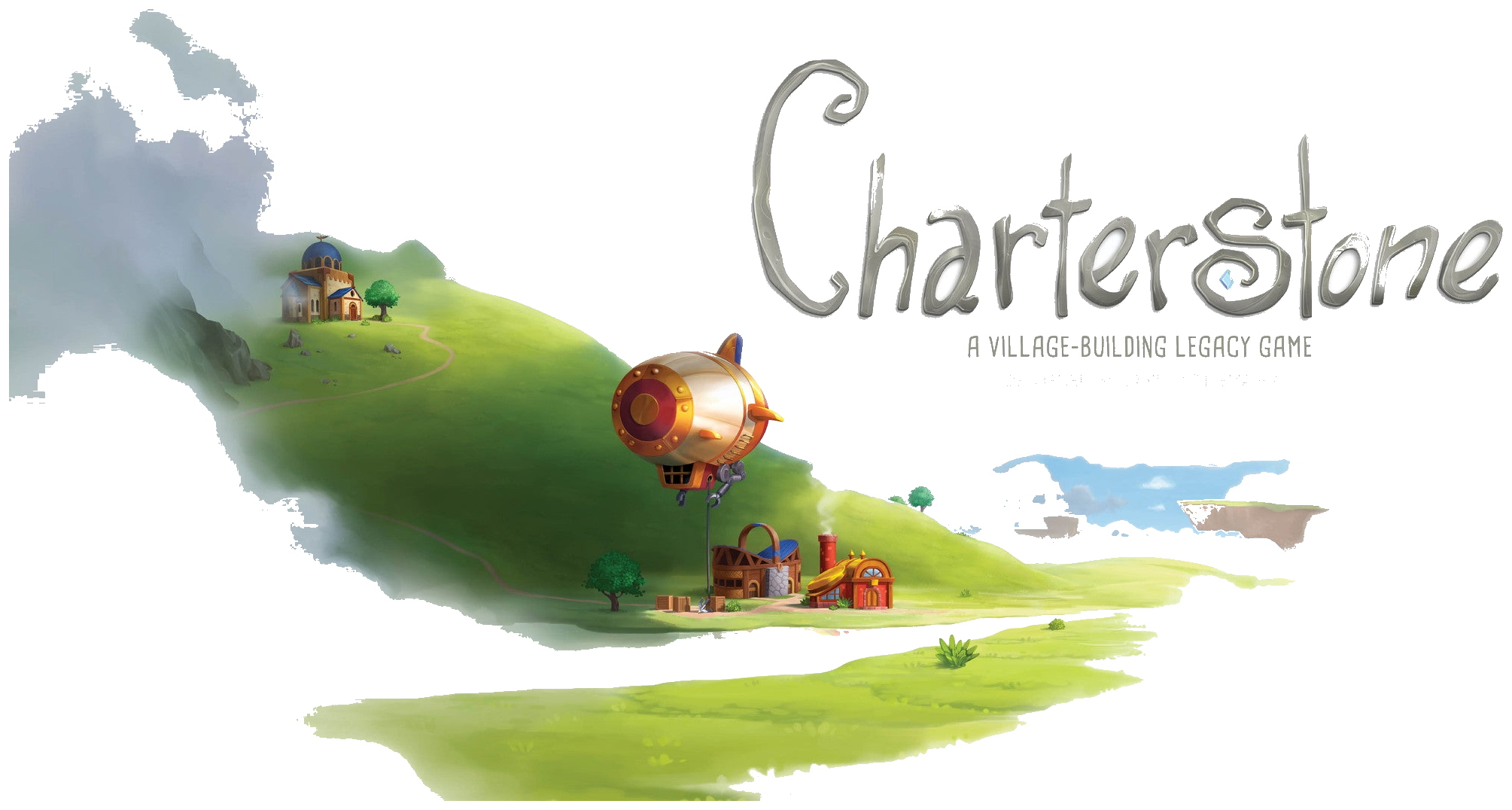
Charterstone
Why it made the listCharterstone builds a shared worker-placement village across twelve competitive sessions. Players unlock buildings, assistants, and rules while personal charters develop uneven strengths; it suits groups that prefer gentle engine growth and discovery to a scripted cooperative storyline.
7.2 rating 1–6 players 45–75 min 2.8/5 weightView game details -
19
2025
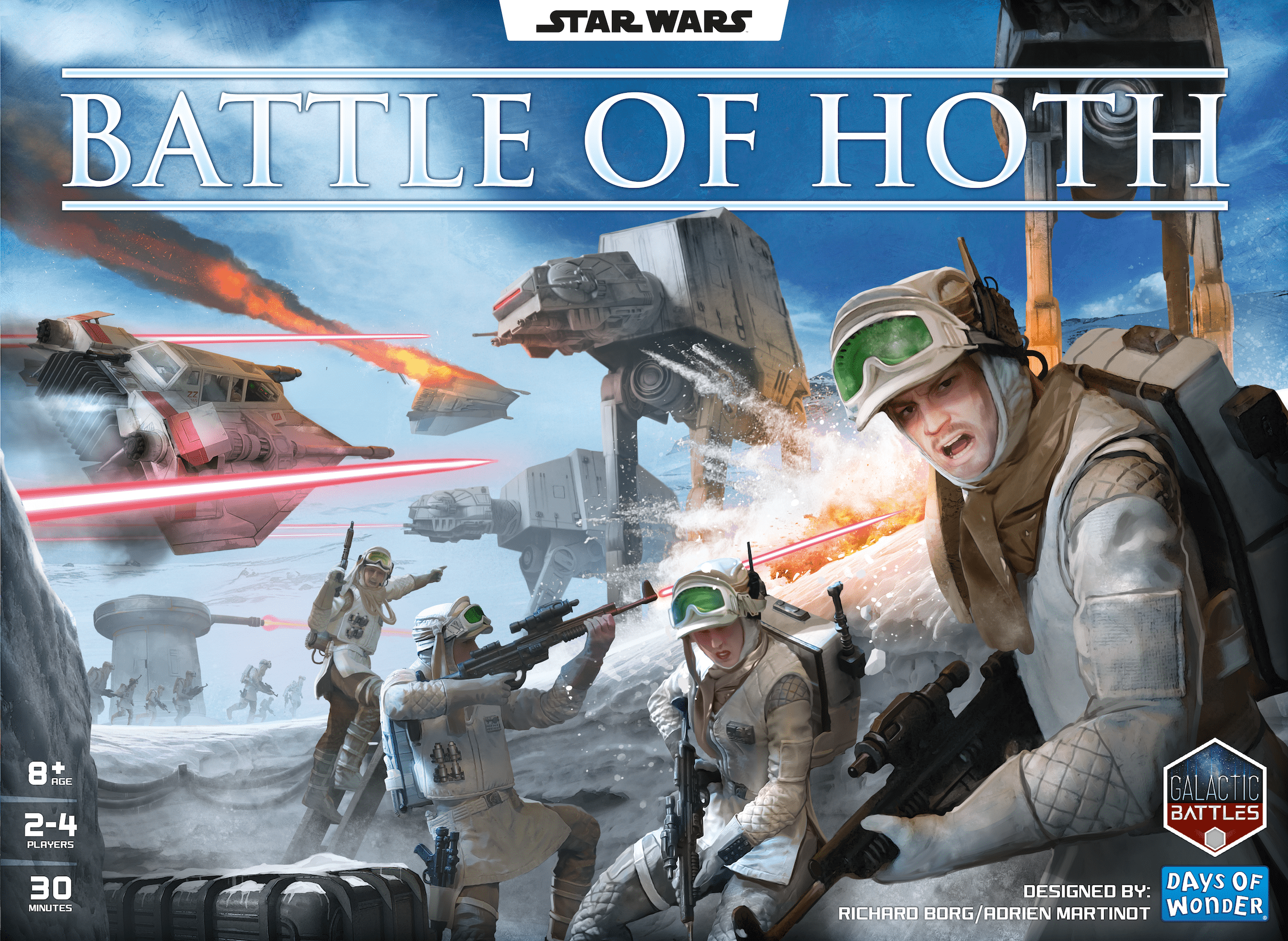
Star Wars: Battle of Hoth
Why it made the listBattle of Hoth links approachable scenario battles into campaigns for both sides of the conflict. Command-card tactics stay brisk, while branching outcomes and unit persistence give victories context, making it a practical campaign choice for families or pairs not ready for a heavier war game.
7.9 rating 2–4 players 30–30 min 1.9/5 weightView game details -
20
2025
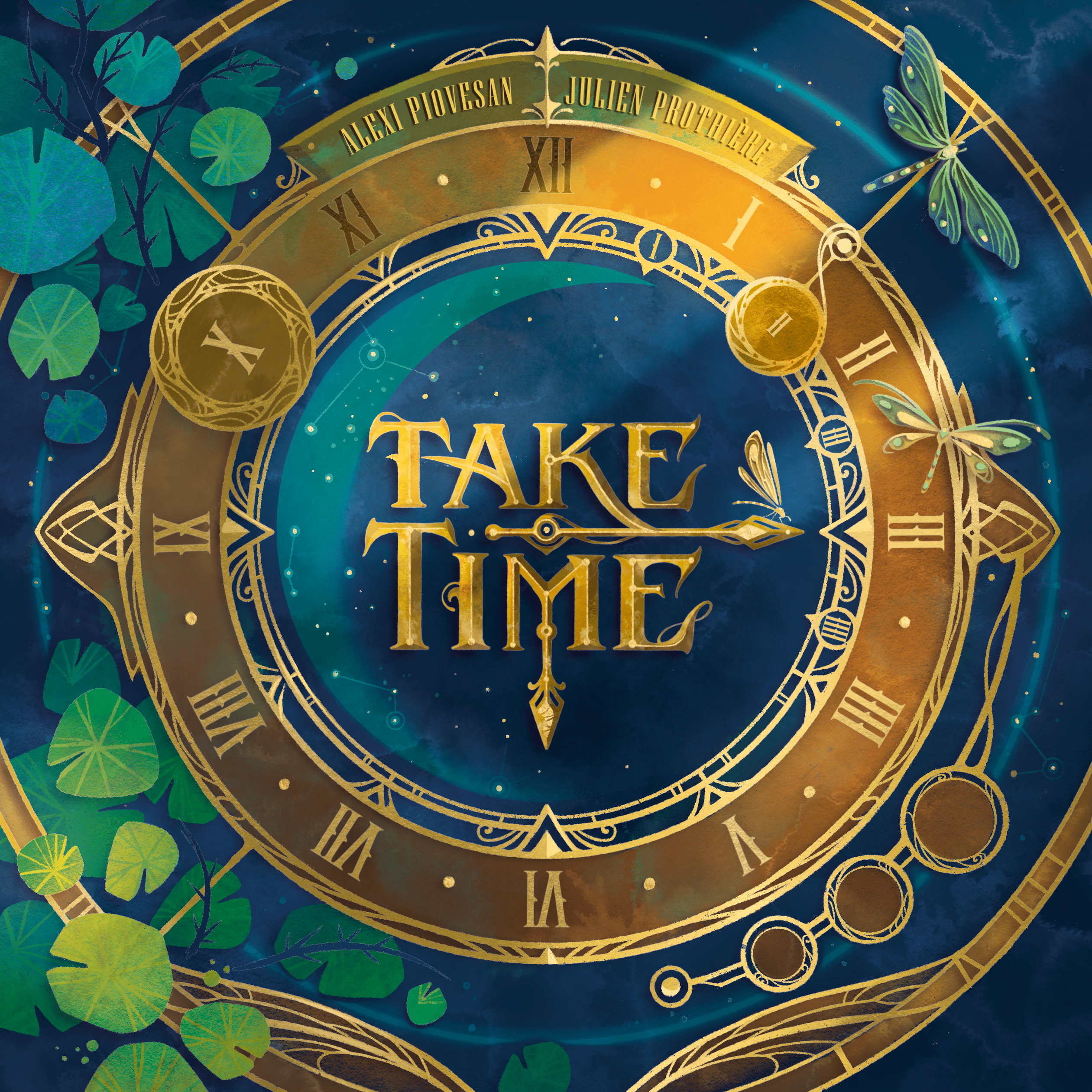
Take Time
Why it made the listTake Time arranges cooperative card puzzles into a sequence of evolving clocks and envelopes. Players discuss a plan before placing cards under communication restrictions, then carry only their growing shared understanding forward, creating campaign momentum without character sheets or permanent alteration.
7.7 rating 2–4 players 30–30 min 1.8/5 weightView game details
Buying advice
What makes a strong pick?
Campaign games trade convenience for continuity: rules unlock, maps change, characters grow, and the group develops a shared history. The strongest entries still make an individual session worthwhile while giving everyone a concrete reason to discuss what happened and return for the next chapter.
Who this list is for
Committed solo players, couples, families, and stable groups able to meet repeatedly, preserve a shared game state, and accept that attendance or ownership may shape the experience.
What stands out
The selection spans cooperative crises, tactical dungeon campaigns, competitive legacy systems, family evolution games, solo card adventures, deduction missions, negotiation stories, and accessible train or tile-laying journeys.
What to consider
Before buying, check campaign length, ideal player count, resetability, destructive components, setup, storage, and whether absent players can rejoin. A great campaign can still be wrong for an unreliable schedule.
Our methodology
How this guide is built
This is an editorial selection from games with recorded multi-session campaign support or Campaign/Legacy taxonomy. Ordering weighs session quality, continuity, mechanical evolution, story or discovery, commitment, accessibility, critical reception, and the distinct audience each campaign serves.
Ratings and rank are useful signals, not the whole recommendation. ABG keeps the URL stable and refreshes the ordering as its catalog evidence improves.
Questions, answered
About this list
How were the games on this list chosen?
This is an editorial selection from games with recorded multi-session campaign support or Campaign/Legacy taxonomy. Ordering weighs session quality, continuity, mechanical evolution, story or discovery, commitment, accessibility, critical reception, and the distinct audience each campaign serves.
Who is this list most useful for?
Committed solo players, couples, families, and stable groups able to meet repeatedly, preserve a shared game state, and accept that attendance or ownership may shape the experience.
How often is this list updated?
ABG refreshes official lists as catalog rankings, ratings, specifications, and classifications improve. The URL stays stable when the order changes.