Best Board Games for Beginners
Twenty inviting ways to discover what modern board games can do beyond roll-and-move.
The complete ranking
20 games to consider
Twenty editor-picked modern board games that are welcoming to beginners.
-
01
Board game
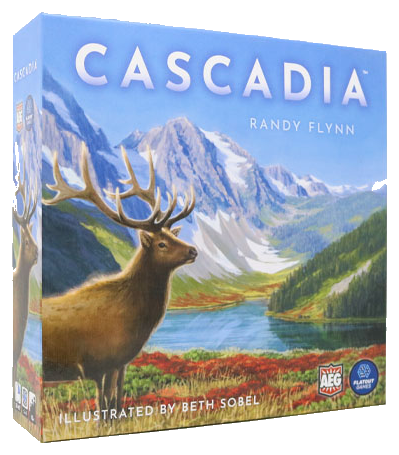
Cascadia
Why it made the listCascadia is the safest all-purpose starting point because a turn is simply taking one tile-and-token pair and placing both. The personal landscape removes hostile blocking, yet varied wildlife scoring teaches drafting, pattern building, and adapting when the perfect option is unavailable.
8.0 rating 1–4 players 30–45 min 1.8/5 weightView game details -
02
2005
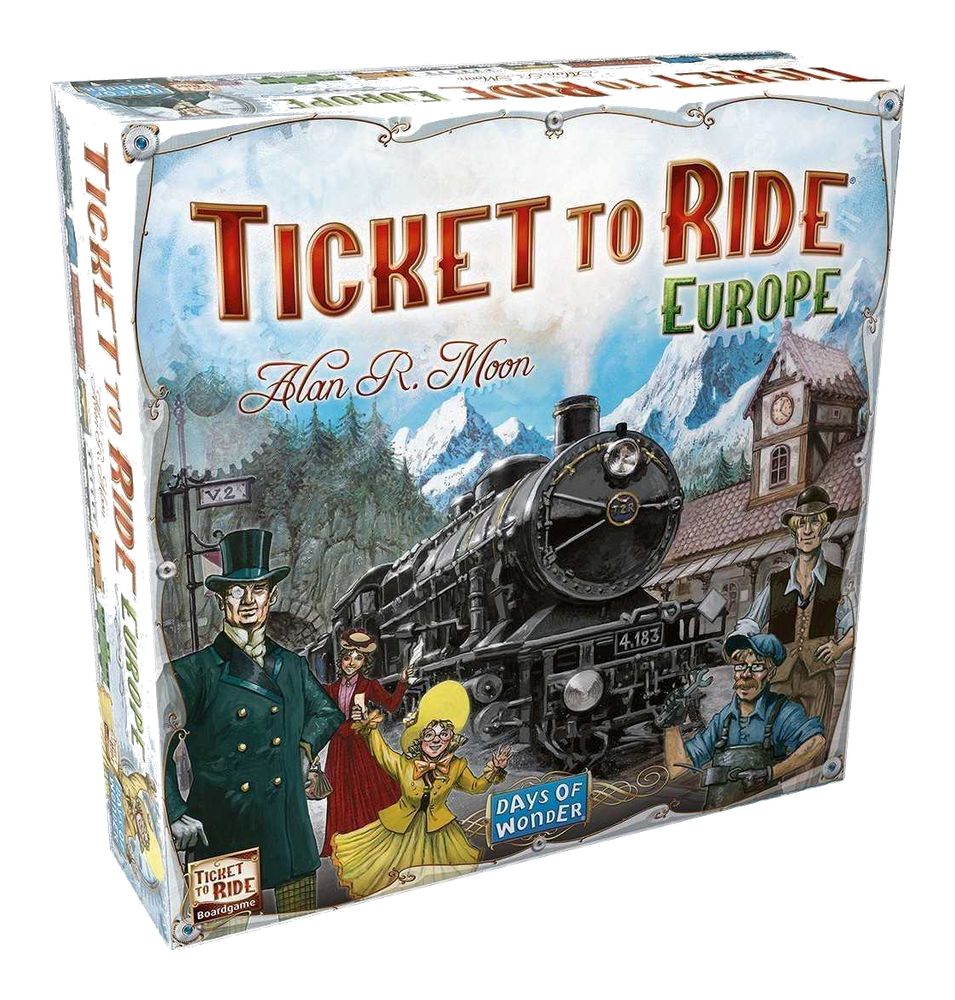
Ticket To Ride: Europe
Why it made the listTicket to Ride: Europe gives new players an objective they can read directly on the map: collect cards and connect cities. Destination tickets create direction, stations forgive a crucial blocked route, and the visible network teaches planning and timing without a long menu of actions.
7.5 rating 2–5 players 30–60 min 1.9/5 weightView game details -
03
2017
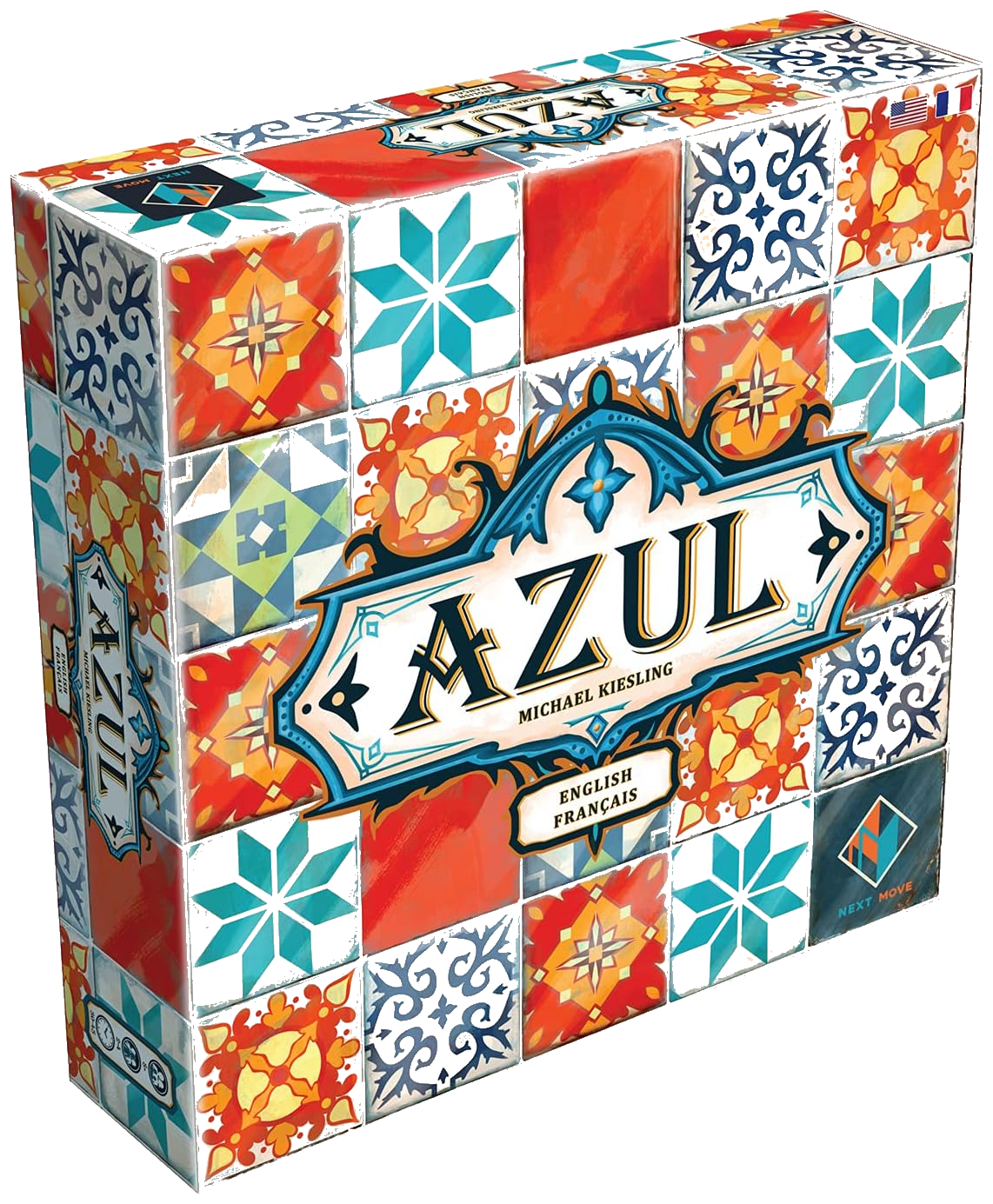
Azul
Why it made the listAzul demonstrates how one elegant choice can have several consequences. Taking coloured tiles is tactile and immediately clear; deciding which factory to empty, where leftovers will fall, and how rows score introduces drafting and interaction without cards to read or exceptions to memorize.
7.8 rating 2–4 players 30–45 min 1.8/5 weightView game details -
04
2017
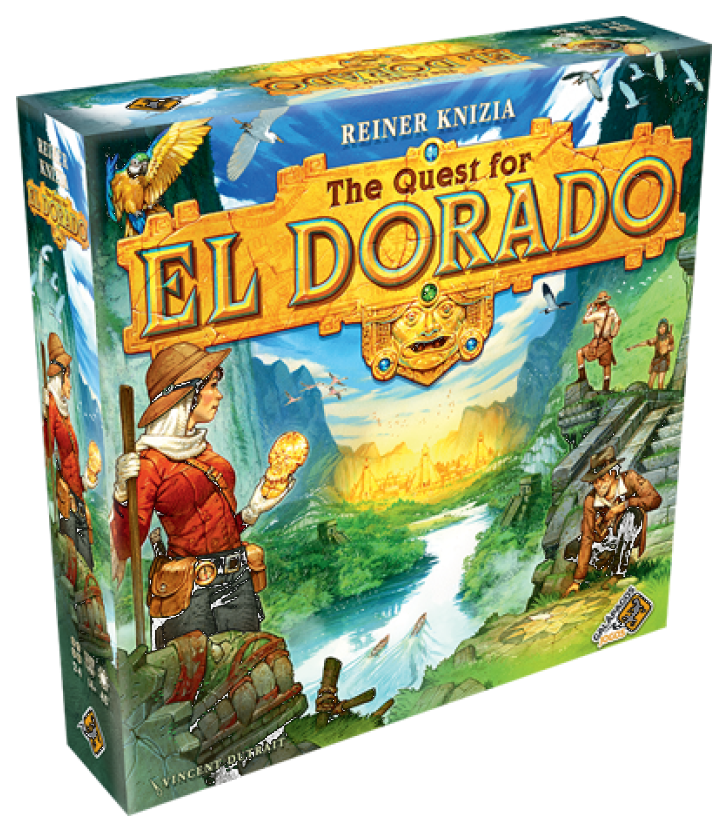
The Quest For El Dorado
Why it made the listThe Quest for El Dorado is an ideal first deck-builder because every purchased card has a visible purpose on the race map. Players understand that a stronger deck moves farther, then naturally discover thinning, timing, alternate routes, and blocking through play rather than a lecture.
7.7 rating 2–4 players 30–60 min 1.9/5 weightView game details -
05
2015
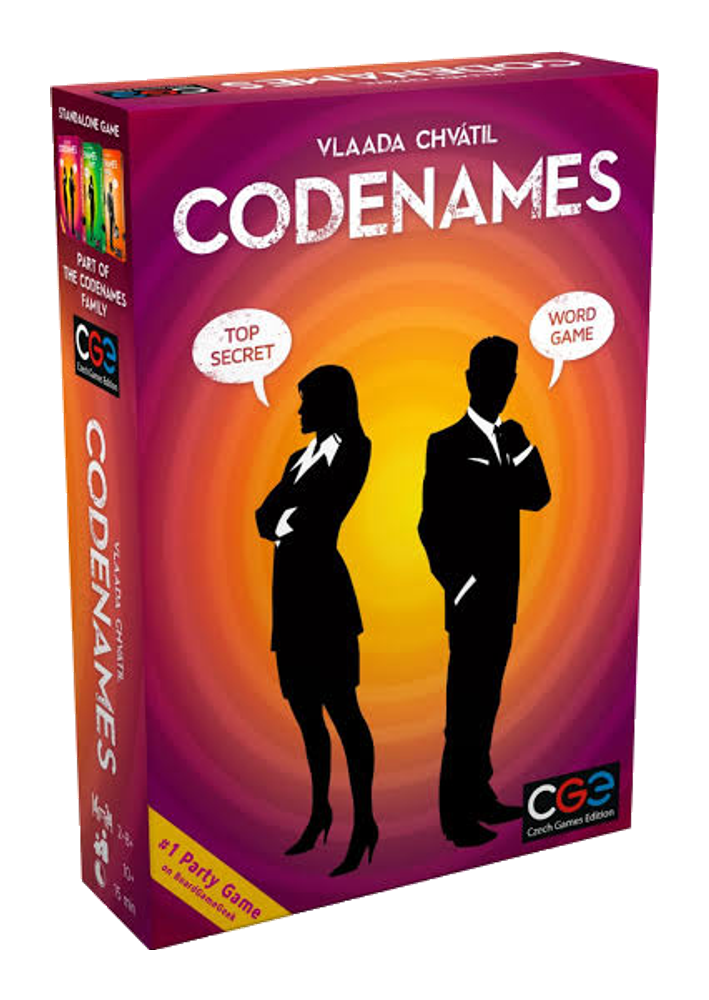
Codenames
Why it made the listCodenames can begin within minutes and turns familiar word association into team strategy. New players participate through language they already use, while the one-word clue restriction reveals how modern games create depth from a small, memorable rule rather than procedural complexity.
7.6 rating 2–8 players 1.3/5 weightView game details -
06
2018
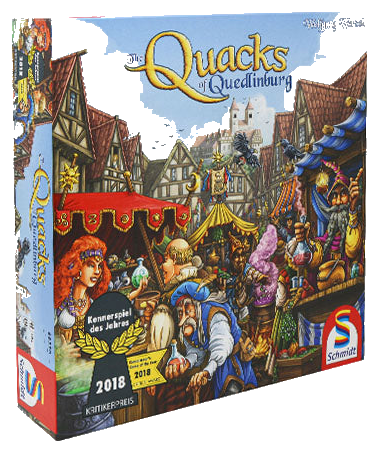
The Quacks Of Quedlinburg
Why it made the listQuacks teaches push-your-luck by making the risk physical: draw another ingredient or stop before the cauldron explodes. Everyone plays simultaneously, bag upgrades feel rewarding, and catch-up ingredients help a first mistake become part of the story rather than an hour-long disadvantage.
7.8 rating 2–4 players 2.0/5 weightView game details -
07

2014
Splendor
Why it made the listSplendor introduces engine building with a clean loop: collect gems, buy a card, and let that card discount later purchases. The visible market supports forward planning, poker-like chips make progress tangible, and the limited action menu helps beginners recognize efficiency without tracking many rules.
7.4 rating 2–4 players 1.8/5 weightView game details -
08
2000
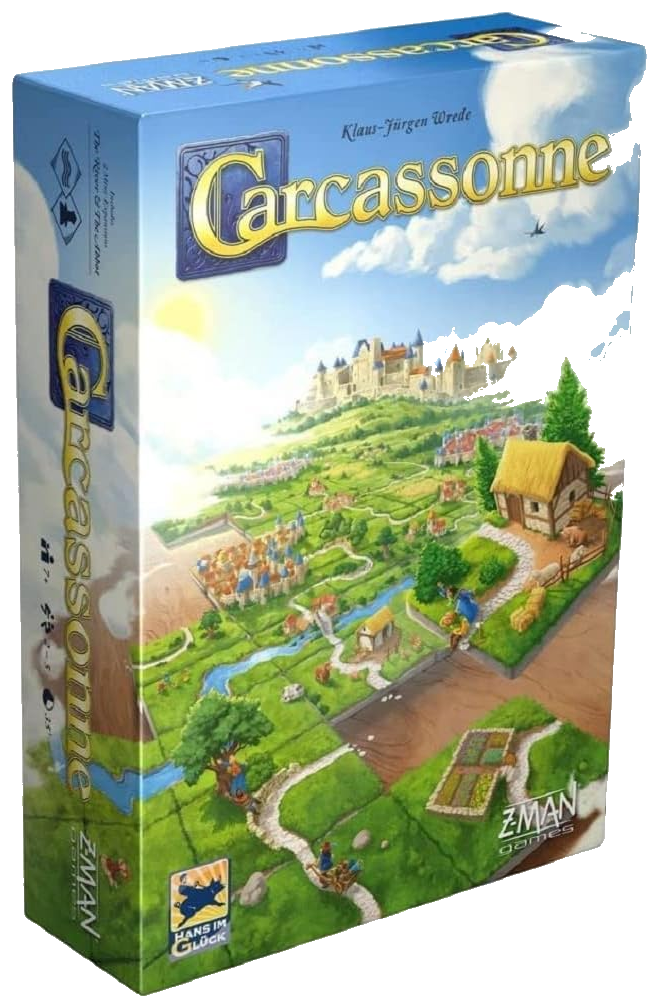
Carcassonne
Why it made the listCarcassonne teaches tile placement on a shared board that explains itself visually. Every drawn landscape has a legal home, completed roads and cities score clearly, and followers introduce commitment and opportunity cost while leaving plenty of room for experimentation in a first game.
7.4 rating 2–5 players 30–45 min 1.9/5 weightView game details -
09
2024
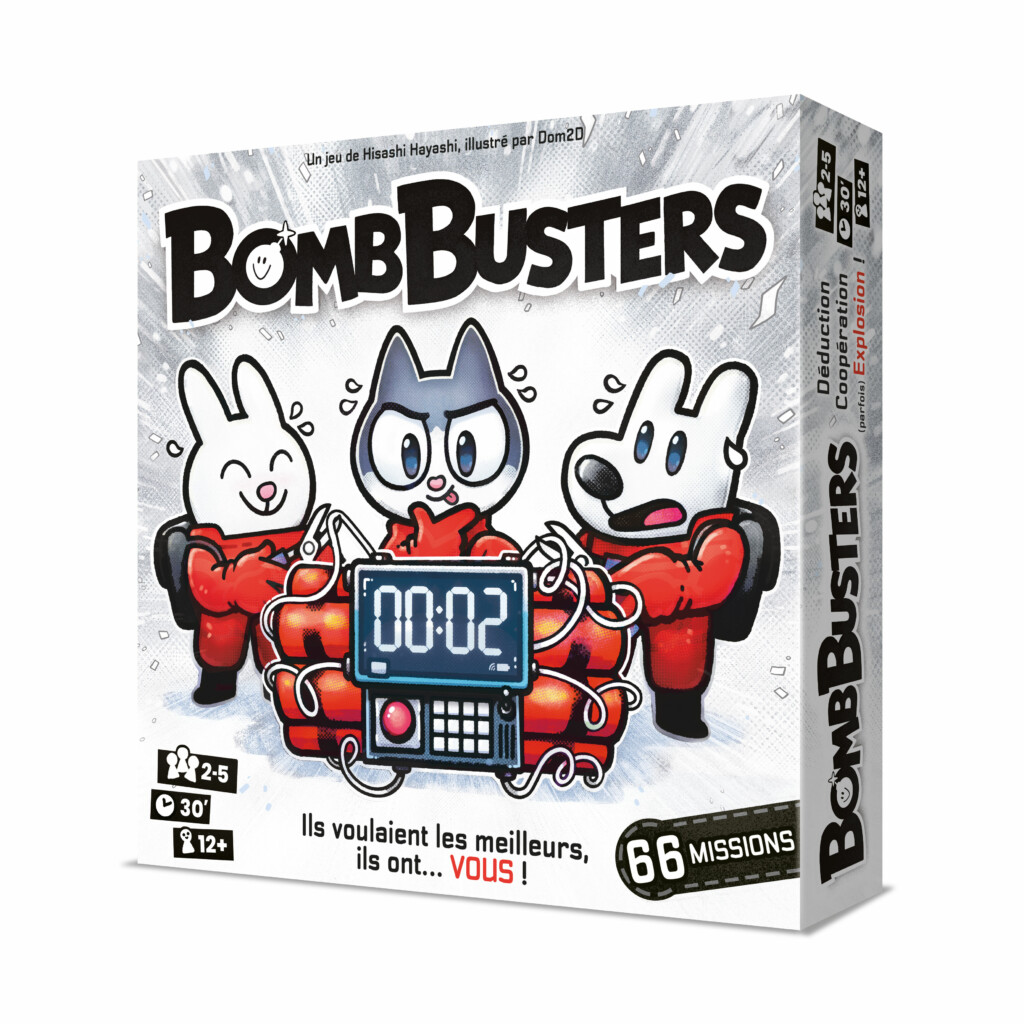
Bomb Busters
Why it made the listBomb Busters is a welcoming route into cooperative deduction because its early missions introduce one idea at a time. Players combine visible clues with the hidden wires in their own racks, learning that teamwork can be a rules-driven puzzle rather than one expert announcing the solution.
8.0 rating 2–5 players 30–30 min 2.0/5 weightView game details -
10

2009
Jaipur
Why it made the listJaipur is a compact first strategy game for two: take goods, trade camels, and sell sets for increasingly valuable tokens. The market changes after every action, teaching timing and opponent awareness in short rounds that invite an immediate replay rather than punishing inexperience.
7.5 rating 2–2 players 1.5/5 weightView game details -
11
Board game
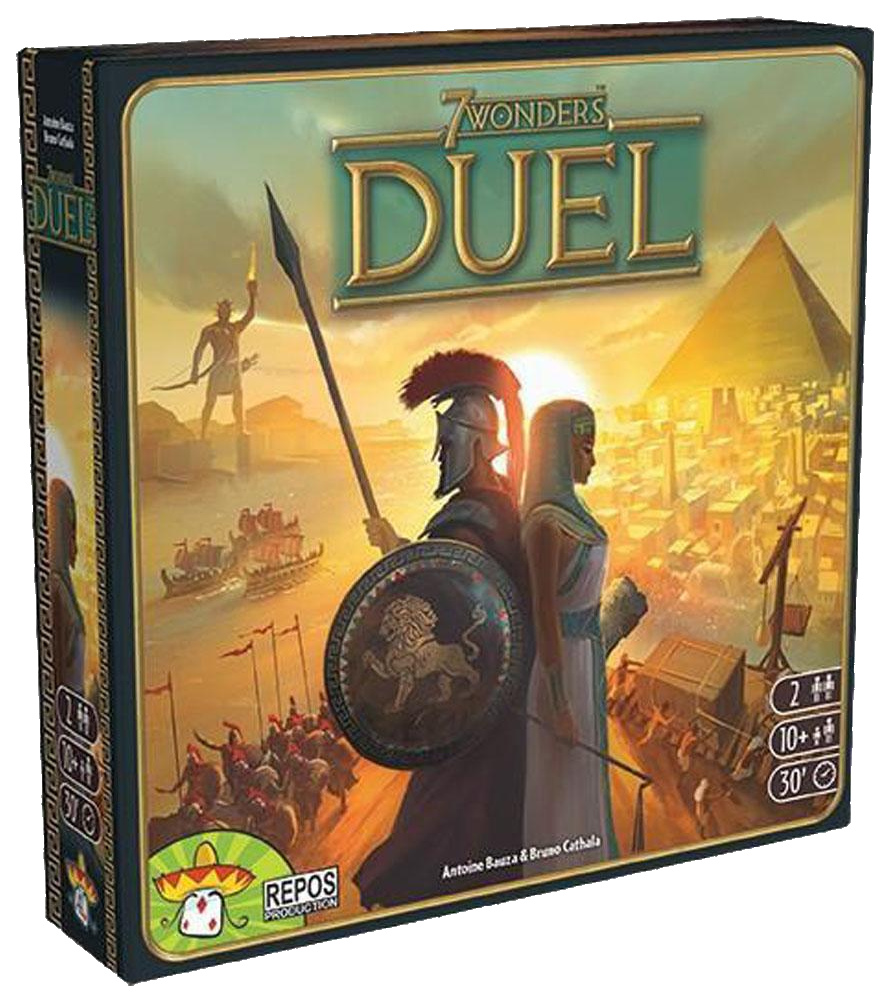
7 Wonders Duel
Why it made the listFor two beginners ready for a small step up, 7 Wonders Duel offers a readable card display and three clear victory routes. Taking one card exposes another, so players quickly learn tactical denial, resource planning, and why watching an opponent matters as much as building their own city.
8.1 rating 2–2 players 2.2/5 weightView game details -
12

2022
Heat: Pedal To The Metal
Why it made the listHeat makes hand management intuitive by tying every card to the speed of a race car. Corners explain why restraint matters, heat cards show the cost of pushing harder, and slipstreaming keeps the pack competitive; start with the base race before adding weather or championship modules.
8.1 rating 1–6 players 30–60 min 2.2/5 weightView game details -
13
2016
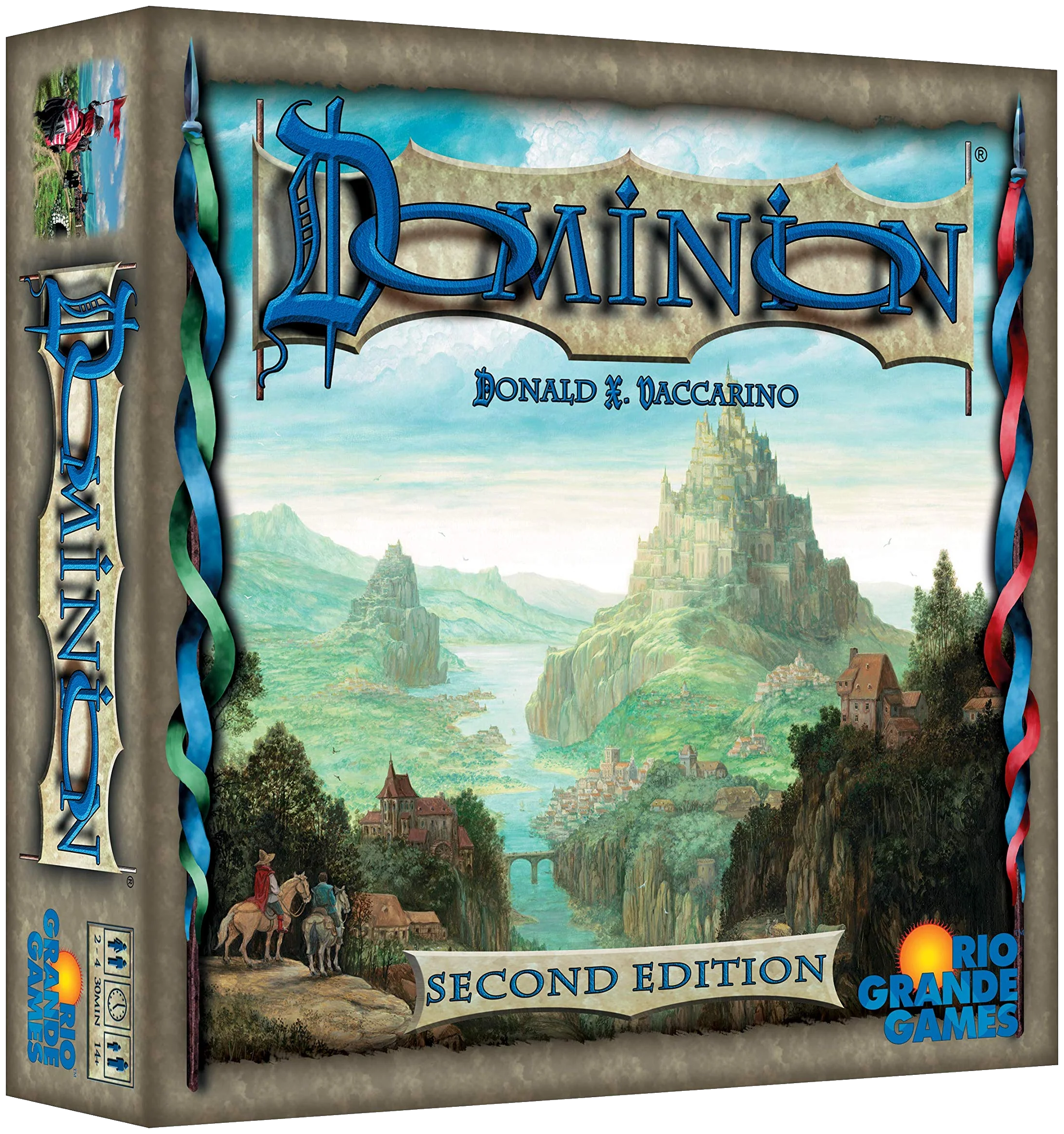
Dominion (second Edition)
Why it made the listDominion is the foundational introduction to deck-building: every player begins with the same weak cards and purchases improvements from a shared supply. Drawing the results of earlier choices makes strategic growth easy to feel, while recommended first sets keep the initial teach manageable.
7.9 rating 2–4 players 2.2/5 weightView game details -
14
1997
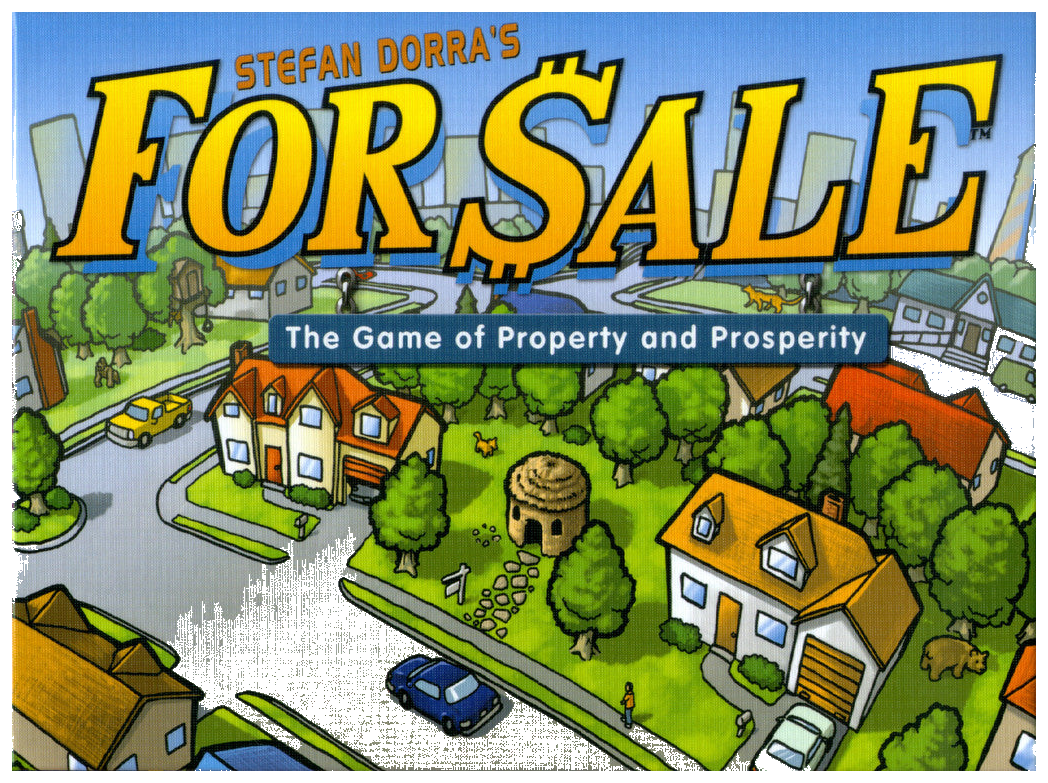
For Sale
Why it made the listFor Sale introduces auctions without asking players to calculate complicated values. First, bid for properties without overspending; then choose when to sell them into a visible cheque market. Two short phases produce a complete strategic arc and make the lesson from a first loss immediately useful.
7.3 rating 3–6 players 1.3/5 weightView game details -
15
2016
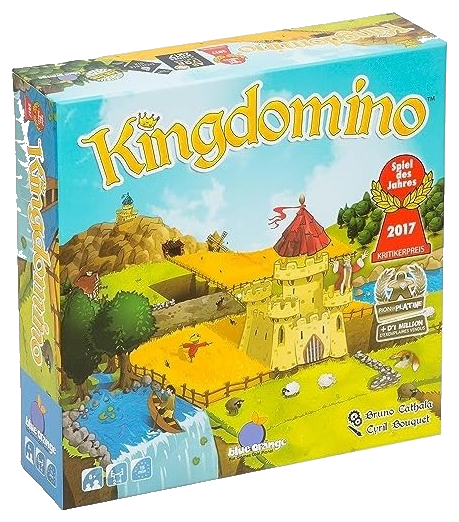
Kingdomino
Why it made the listKingdomino is almost vocabulary-free: connect matching terrain and multiply contiguous squares by crowns. Choosing a stronger domino means selecting later next round, an elegant rule that teaches turn-order trade-offs while the 5-by-5 kingdom keeps the puzzle compact and mistakes understandable.
7.3 rating 2–4 players 15–25 min 1.2/5 weightView game details -
16
2016
Sushi Go Party!
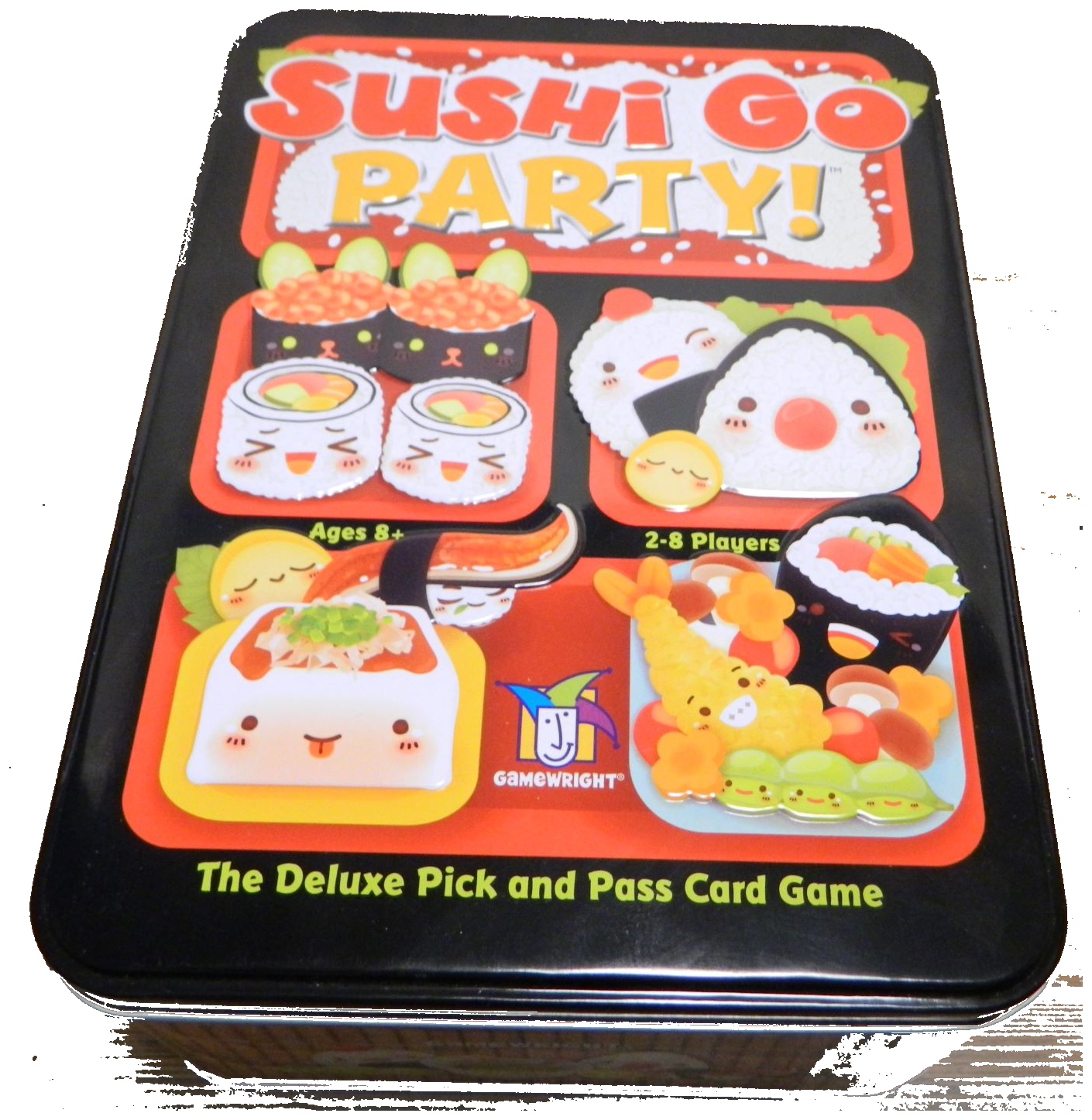
Why it made the listSushi Go Party introduces card drafting through cheerful sets and simultaneous turns. Players choose one card and pass the rest, quickly seeing how collections score; the configurable menu can start forgiving and become more interactive as the group gains confidence.
7.4 rating 2–8 players 1.3/5 weightView game details -
17
1876
Crokinole
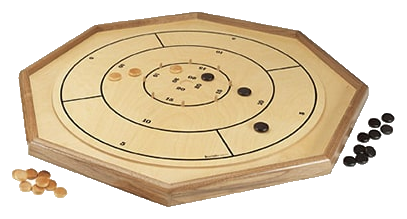
Why it made the listCrokinole proves a modern game night need not begin with cards or a rulebook. Flicking a disc toward the centre is immediately legible, team play supports four people, and physical improvement across rapid rounds gives beginners a satisfying skill curve unrelated to prior gaming experience.
8.0 rating 2–4 players 1.2/5 weightView game details -
18
Board game
Just One
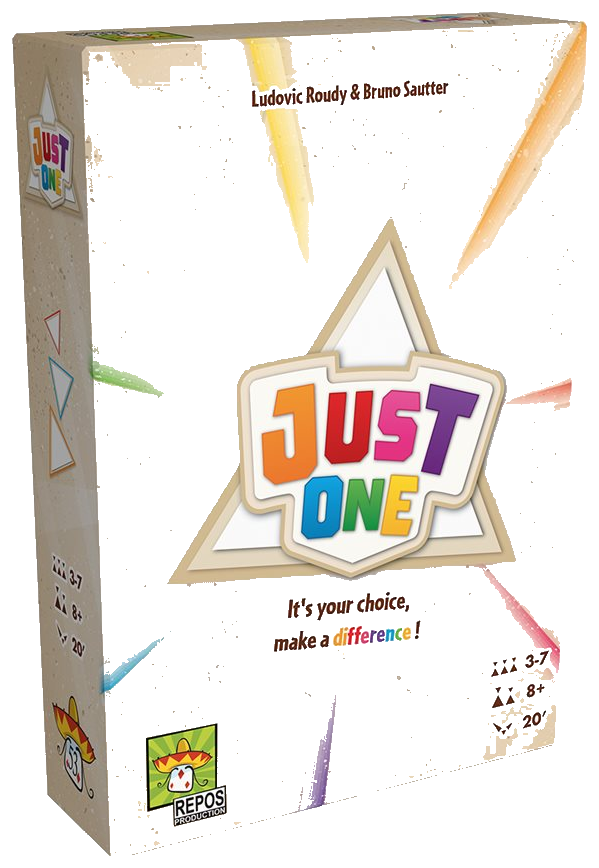
Why it made the listJust One is the low-pressure party choice: write a clue to help one guesser, then remove duplicates. Everyone contributes at once, the team shares the result, and no specialist knowledge is required, making it useful when a beginner group wants social play rather than visible strategy.
7.6 rating 3–7 players 20–60 min 1.0/5 weightView game details -
19
2019
Scout
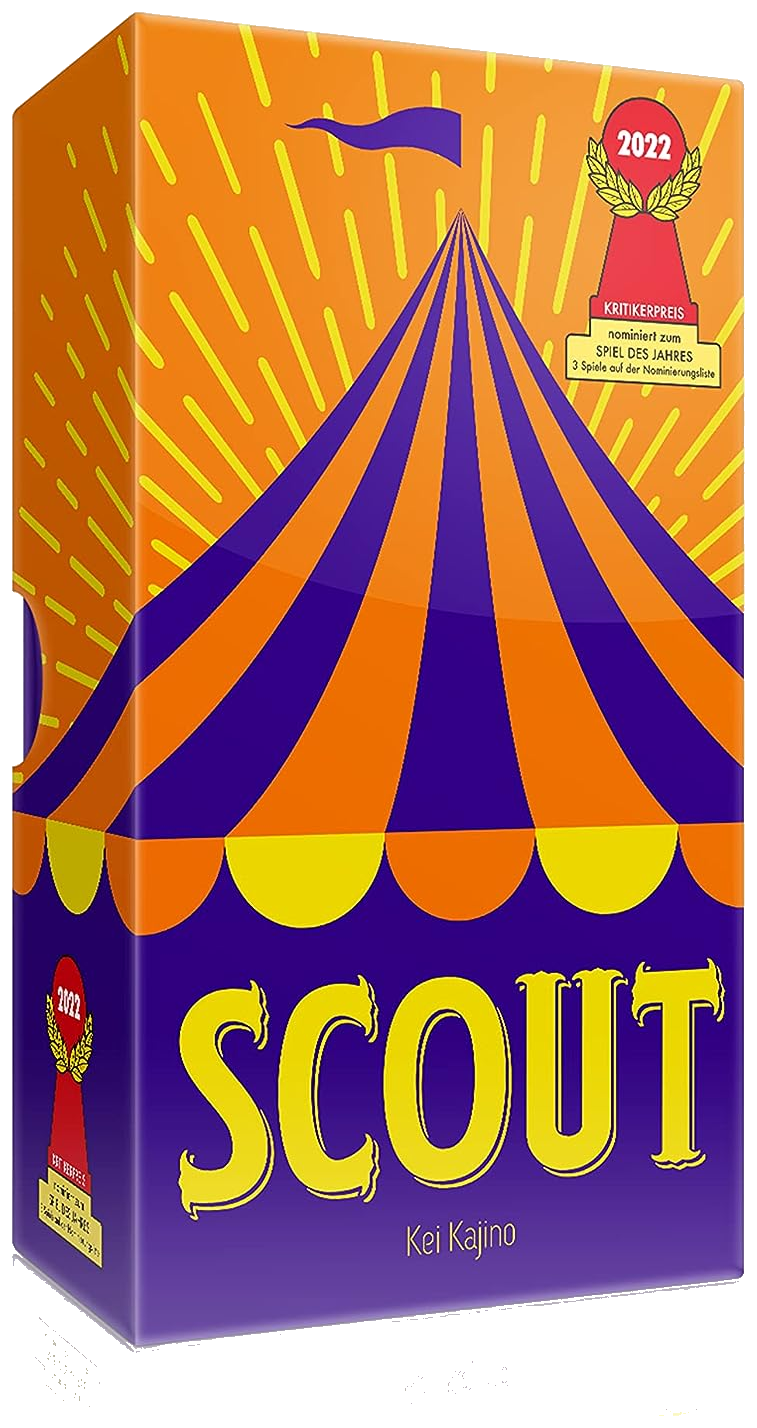
Why it made the listScout introduces modern card play with one memorable constraint: the dealt hand cannot be rearranged. Players either beat the current set or take one useful card from it, learning timing and hand-shaping through a compact game whose unusual decisions emerge from very few actions.
7.8 rating 2–5 players 1.4/5 weightView game details -
20
2019
Cartographers
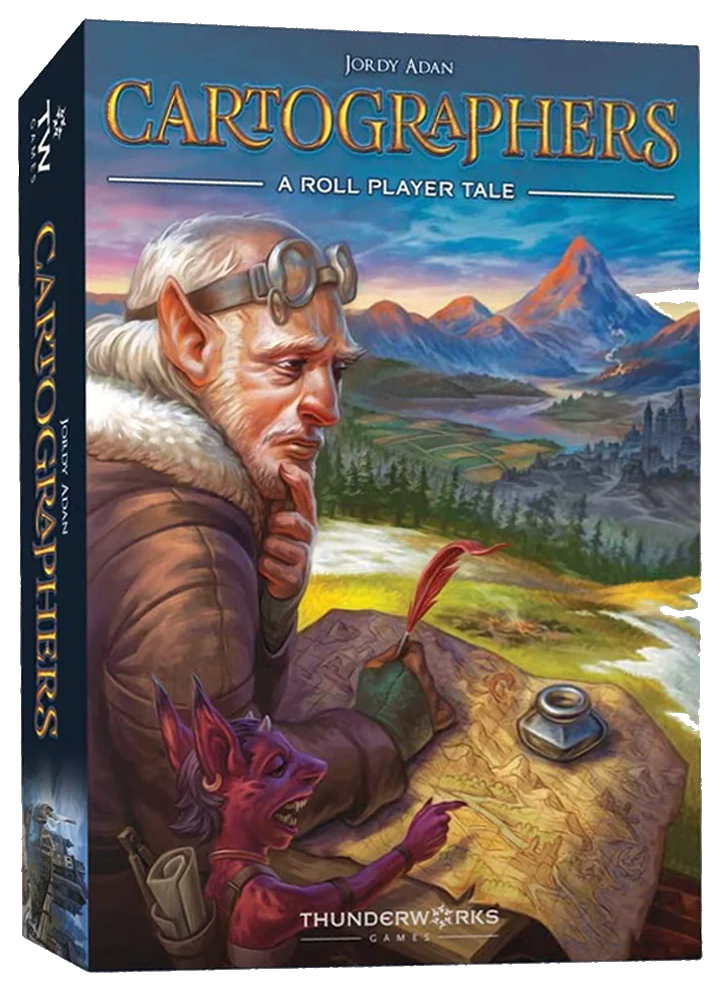
Why it made the listCartographers gives each player the same revealed terrain but lets them draw a personal map. Rotating scoring goals provide direction, simultaneous play removes downtime, and a single sheet teaches spatial planning and flexible objectives without requiring a large board or complicated setup.
7.6 rating 1– players 30–45 min 1.9/5 weightView game details
Buying advice
What makes a strong pick?
A beginner game should make the objective clear, offer a useful choice quickly, and finish before the teaching becomes the main memory. This guide is not a list of the twenty simplest games: it is a varied starting library that can reveal which kinds of decisions a new player wants to explore next.
Who this list is for
People buying a first modern game, returning after years away, or teaching friends and relatives whose reference points may be traditional mass-market games.
What stands out
The picks introduce tile drafting, route building, deck-building, cooperation, auctions, push-your-luck, spatial puzzles, party play, racing, roll-and-write, and two-player strategy without requiring a specialist vocabulary.
What to consider
Complexity scores are community averages, not guarantees. Player count, reading load, an experienced teacher, and familiarity with cards or trick-taking can make the same game feel dramatically easier or harder.
Our methodology
How this guide is built
This is an editorial selection from published games with a catalog complexity weight of 2.3 or below. Ordering weighs clarity, teach time, first-play enjoyment, replayability, availability, recovery from early mistakes, and how well each game introduces a distinct modern mechanism or social experience.
Ratings and rank are useful signals, not the whole recommendation. ABG keeps the URL stable and refreshes the ordering as its catalog evidence improves.
Questions, answered
About this list
How were the games on this list chosen?
This is an editorial selection from published games with a catalog complexity weight of 2.3 or below. Ordering weighs clarity, teach time, first-play enjoyment, replayability, availability, recovery from early mistakes, and how well each game introduces a distinct modern mechanism or social experience.
Who is this list most useful for?
People buying a first modern game, returning after years away, or teaching friends and relatives whose reference points may be traditional mass-market games.
How often is this list updated?
ABG refreshes official lists as catalog rankings, ratings, specifications, and classifications improve. The URL stays stable when the order changes.