Overview
At a glance
Is this game right for my group?
ABG editorial scores on a 1–5 scale.
Easier to teach
High replayability
Highly interactive
Scales well
Light strategy
Luck-sensitive
How it plays
How does it play?
Read the village, defend your secret role, and use debate and voting to expose the werewolves before they control the night.
Core mechanisms
Key systems that shape the decisions players make.
Team-Based Game
Players compete in fixed teams and coordinate toward a shared team result.
Role Playing
Make decisions or communicate from the perspective of an assigned character.
Variable Player Powers
Each player has different abilities, restrictions, or strategic advantages.
Voting
Players collectively approve, reject, or select an outcome through votes.
Player Elimination
Players can be removed from contention before the game ends.
Read the full game description
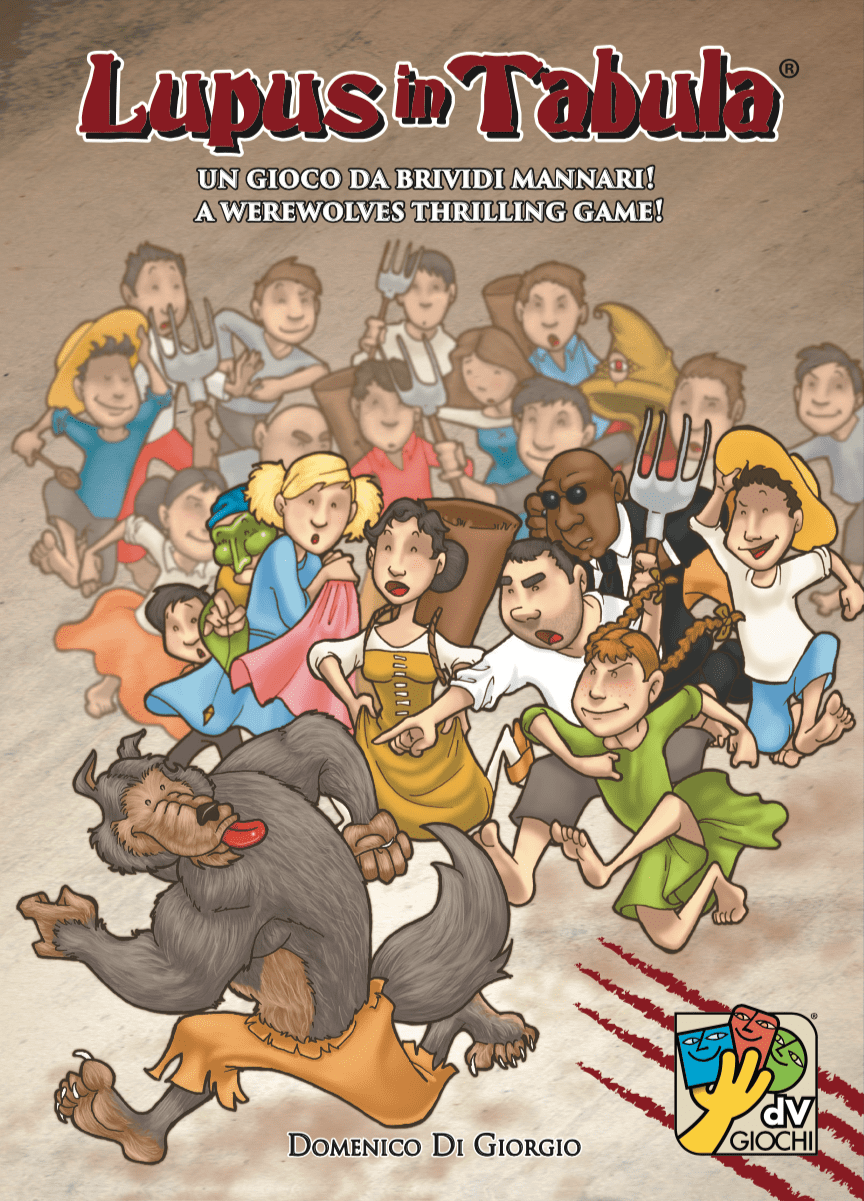
Lupus in Tabula is a large-group social deduction game of hidden roles, accusation, and survival. Most players are villagers, while a smaller team of werewolves chooses a victim each night. During the day, everyone debates what happened and votes to eliminate the person they find most suspicious. Special characters add information, protection, and misdirection, but revealing too much can make a useful villager the wolves’ next target. Eliminated players leave the contest, so every vote changes both the evidence available to the village and the balance between the two teams. A moderator guides the alternating night and day phases. The rules are light enough for a party crowd, while the uncertainty created by bluffing, alliances, and conflicting testimony keeps each village tense until either the wolves are eliminated or they equal the surviving villagers.